
10 Ways the 1975 Corvette Marked a Pivotal Year in Corvette History
With the 1975 Corvette turning 50, we look back at a Corvette some call "the worst," but one that was a vital part of Corvette history for these 10 reasons.




Slow Ride, Take It Easy
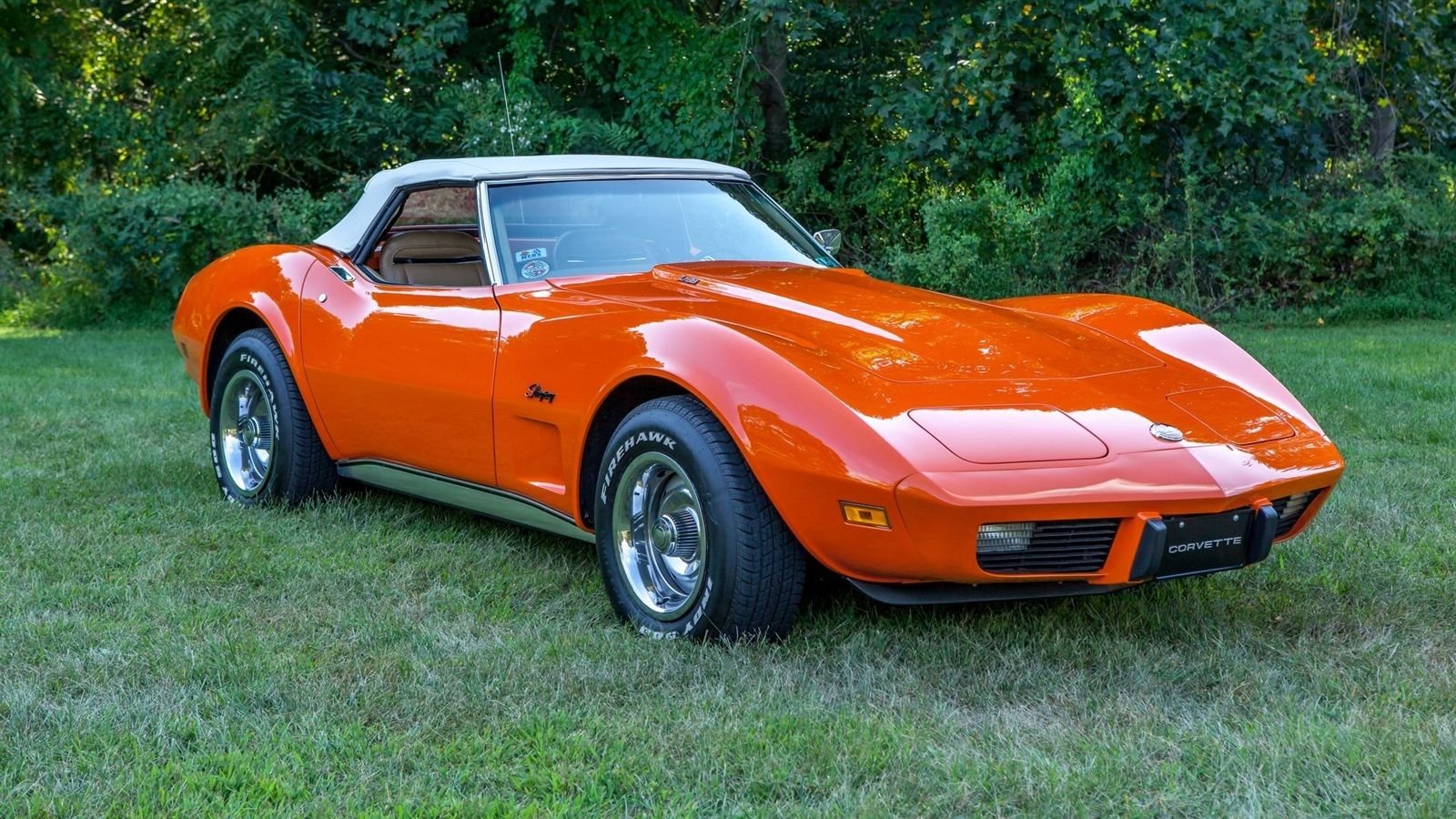
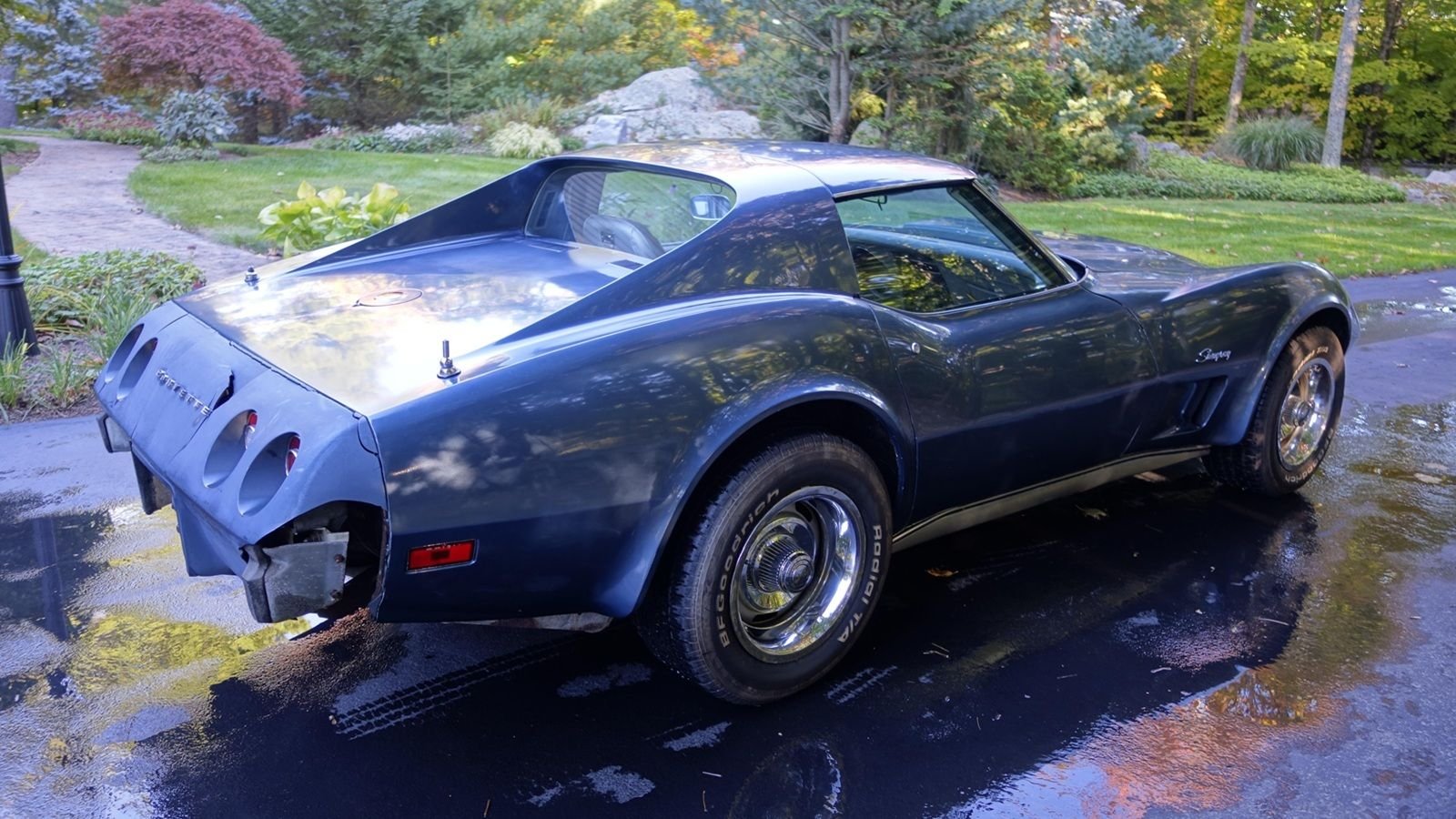
The 1975 Corvette turns 50 this year. It is hard to believe that half a century has gone by since we were in the middle of the C3 generation. But here we are in 2025, and we thought it would be a good time to look back at what can now be considered an antique car. Many folks look down on the 1975 Corvette, and some even consider it the worst model year of all time. We understand that, as it was certainly NOT the quickest Corvette in history. However, the year 1975 was a milestone year in many ways for the Corvette. And despite what people say, GM still sold over 38,000 Corvettes in 1975, so people were buying them.
We are celebrating the oft-maligned 1975 Corvette today by looking back at 10 of the most important changes to the car and Corvette program that year. Many of these changes went on to shape the direction of the Corvette for many years to come.
Image: CorvetteForum
1. Zora Arkus-Duntov Retires
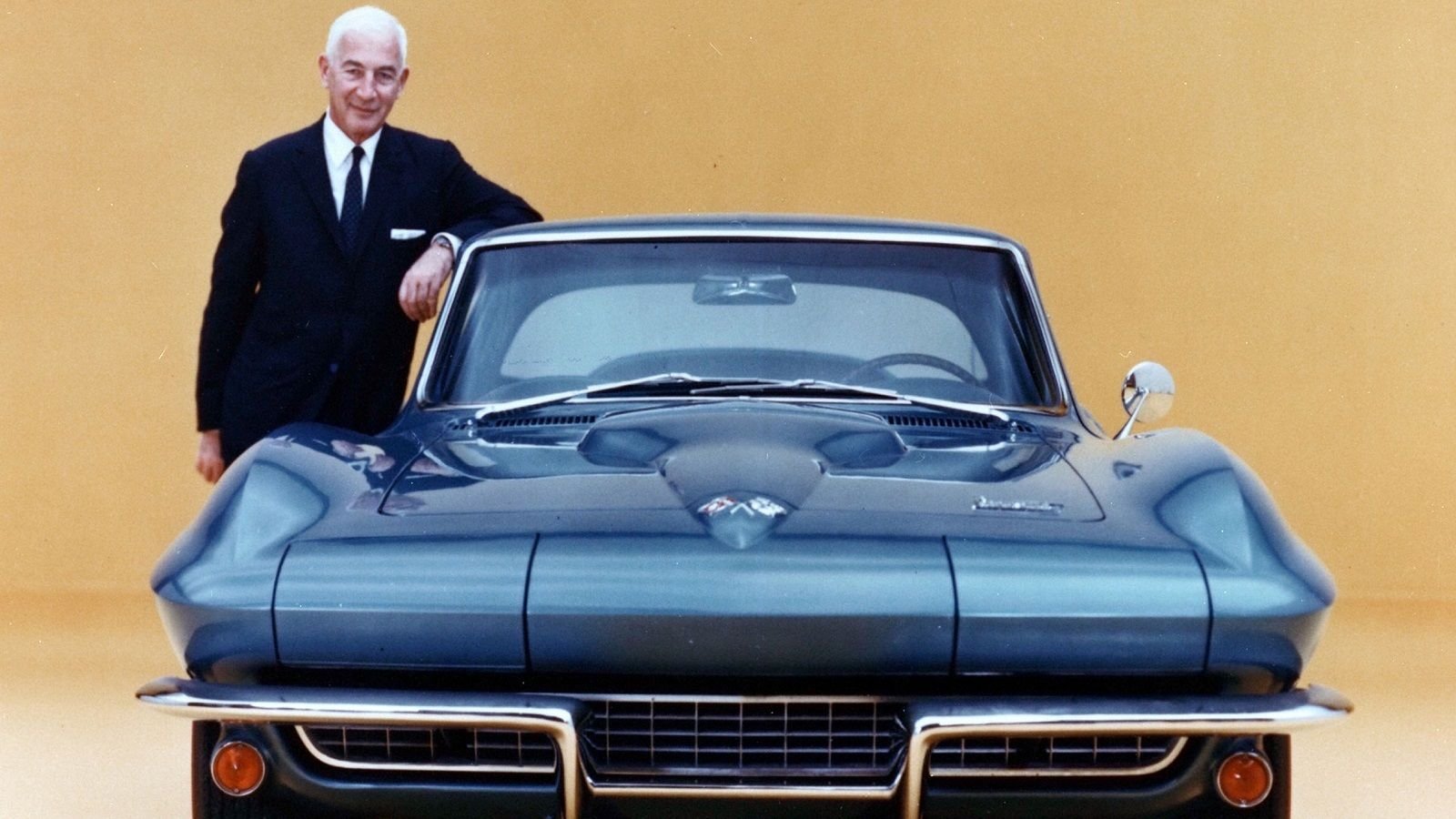
After 22 years with GM, Zora Arkus-Duntov retired in 1975. Obviously, when the man known as the ‘Father of the Corvette’ steps down, that is big news for the program. People wondered how those big shoes would be filled. Dave McLellan was the man who took over as Corvette chief engineer, and he did an incredible job until his retirement in 1992. McLellan was behind the all-new C4 Corvette, including the legendary ZR-1.
Image: Chevrolet
2. Last Year for Convertible (Until 1986)
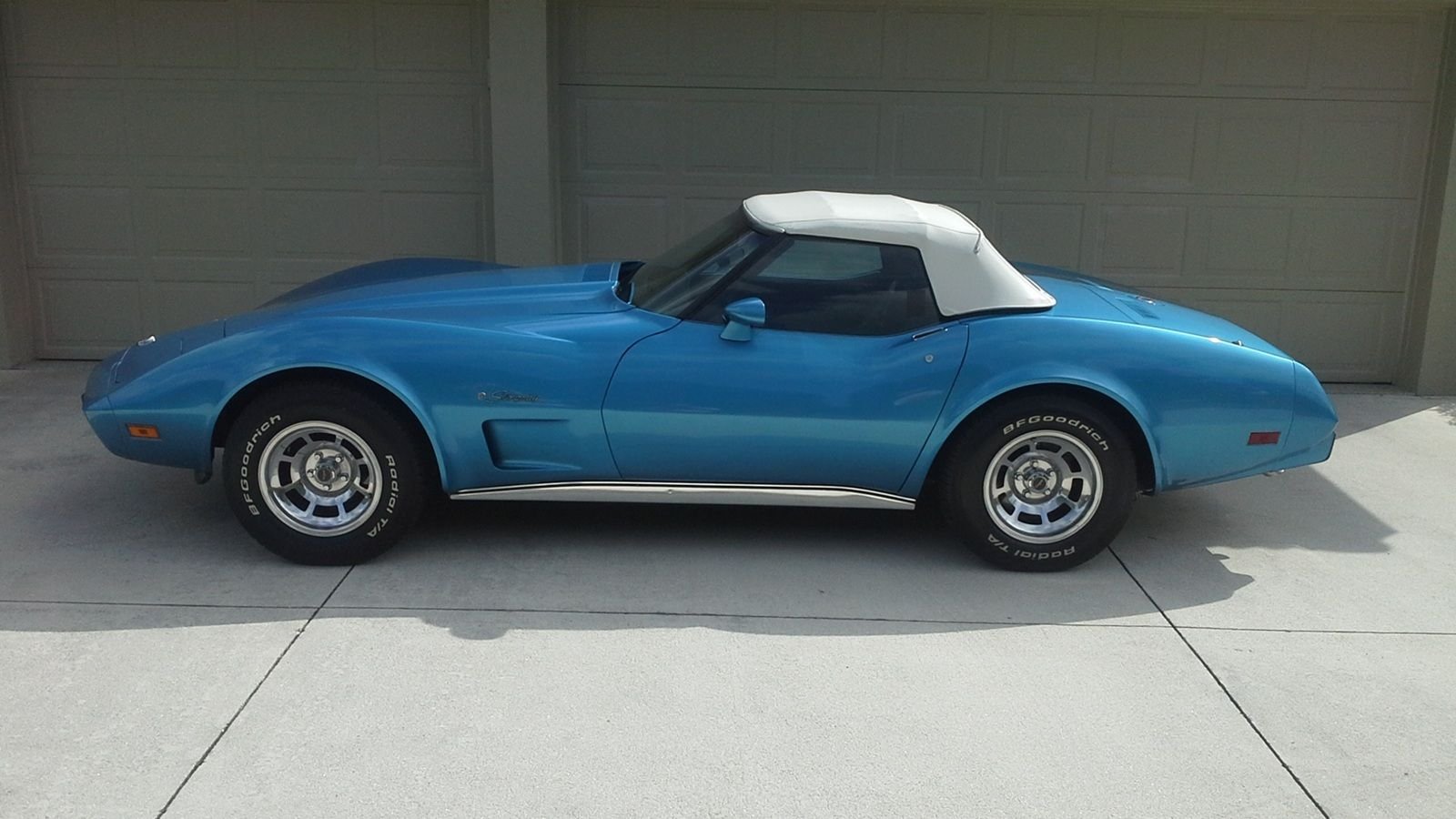
Due to a low take rate on Corvette convertibles and anticipated new safety regulations, 1975 was the last year that GM would offer the convertible body style for the Corvette. This was a major change as the Corvette had a convertible option since the model debuted in 1953. In fact, in the early years, the Corvette was only available in convertible form. In 1986, GM brought the convertible back for the C4 generation. And with the exception of the first year of C5 production, a Corvette convertible has been an option every year since.
Image: CorvetteForum
3. First Year with a Catalytic Converter
Emission regulations were getting tighter in 1975, and that year it became mandatory for cars to be fitted with a catalytic converter. So, this marked the first year that the Corvette was equipped with this piece of emissions equipment. Since leaded fuel would damage the catalytic converter, unleaded fuel was a requirement for the 1975 cars. This was great for emissions and for your health, but not so great for performance.
Image: CorvetteForum
4. First Year Without a Dual Exhaust
The 1975 Corvette was the first to not feature a true dual exhaust. This was another side effect of the catalytic converter. Exhaust from both manifolds flow through a Y-Pipe and into the catalytic converter. After the converter, the pipes split again into a pair of tailpipes at the rear of the car.
Image: CorvetteForum
5. RIP Big Block Motors
The legendary Corvette big block makes its debut in 1965 with the 396 cubic inch V8 making 425 horsepower. The engines would just get bigger and more powerful from there. But in 1974, the party was over. Starting with the 1975 model year, the big block was no longer an option in the Corvette. There has not been a factory big block Corvette since.
Image: CorvetteForum
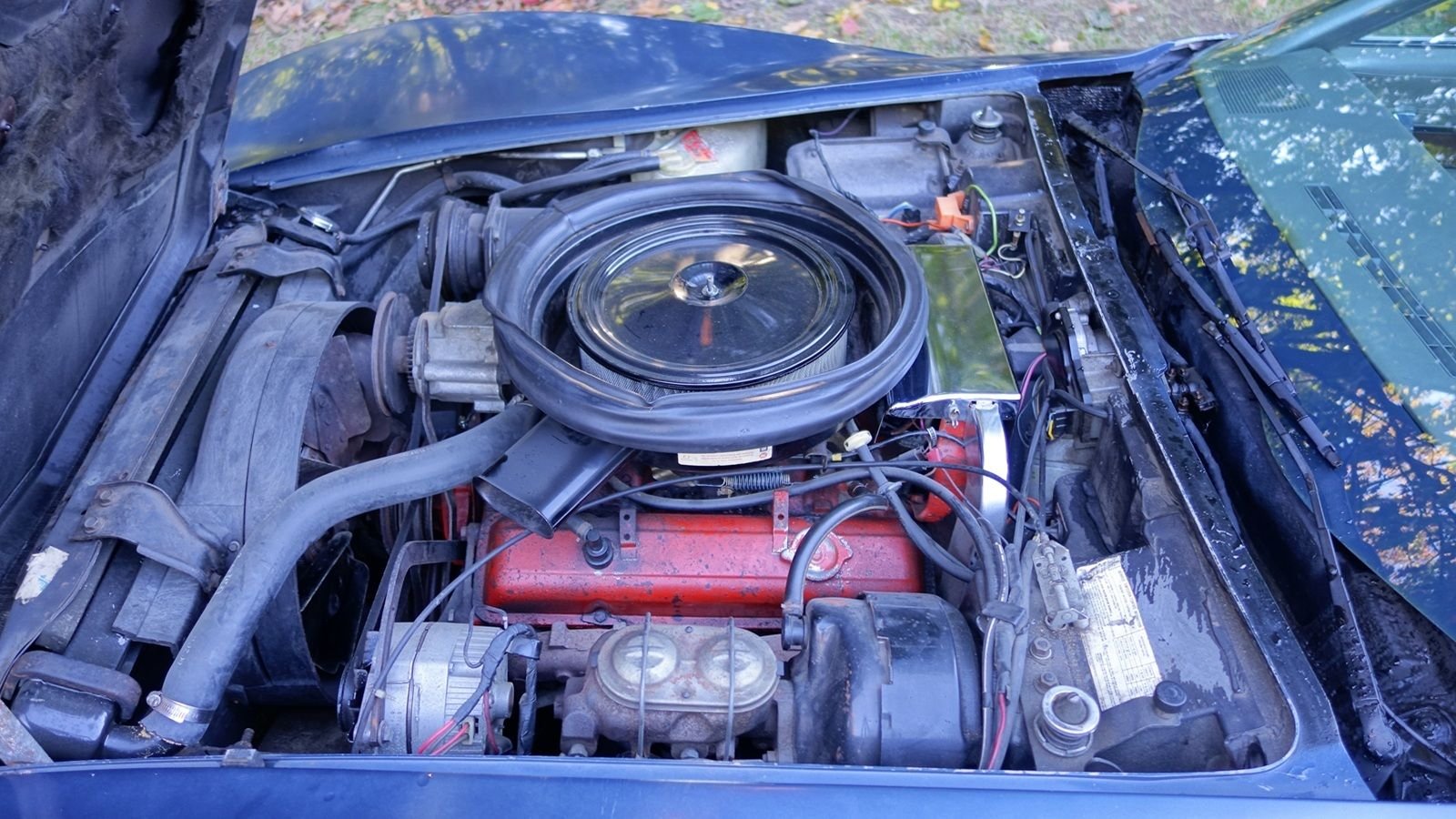
6. Hello, High Energy Ignition System
Most of the features introduced in the 1975 Corvette that we covered so far are not popular with enthusiasts. However, the High Energy Ignition (HEI) system introduced in 1975 was a positive development. Gone were the points and condenser. They were replaced by an electronic module to produce the spark. This was a much more durable and reliable system.
Image: CorvetteForum
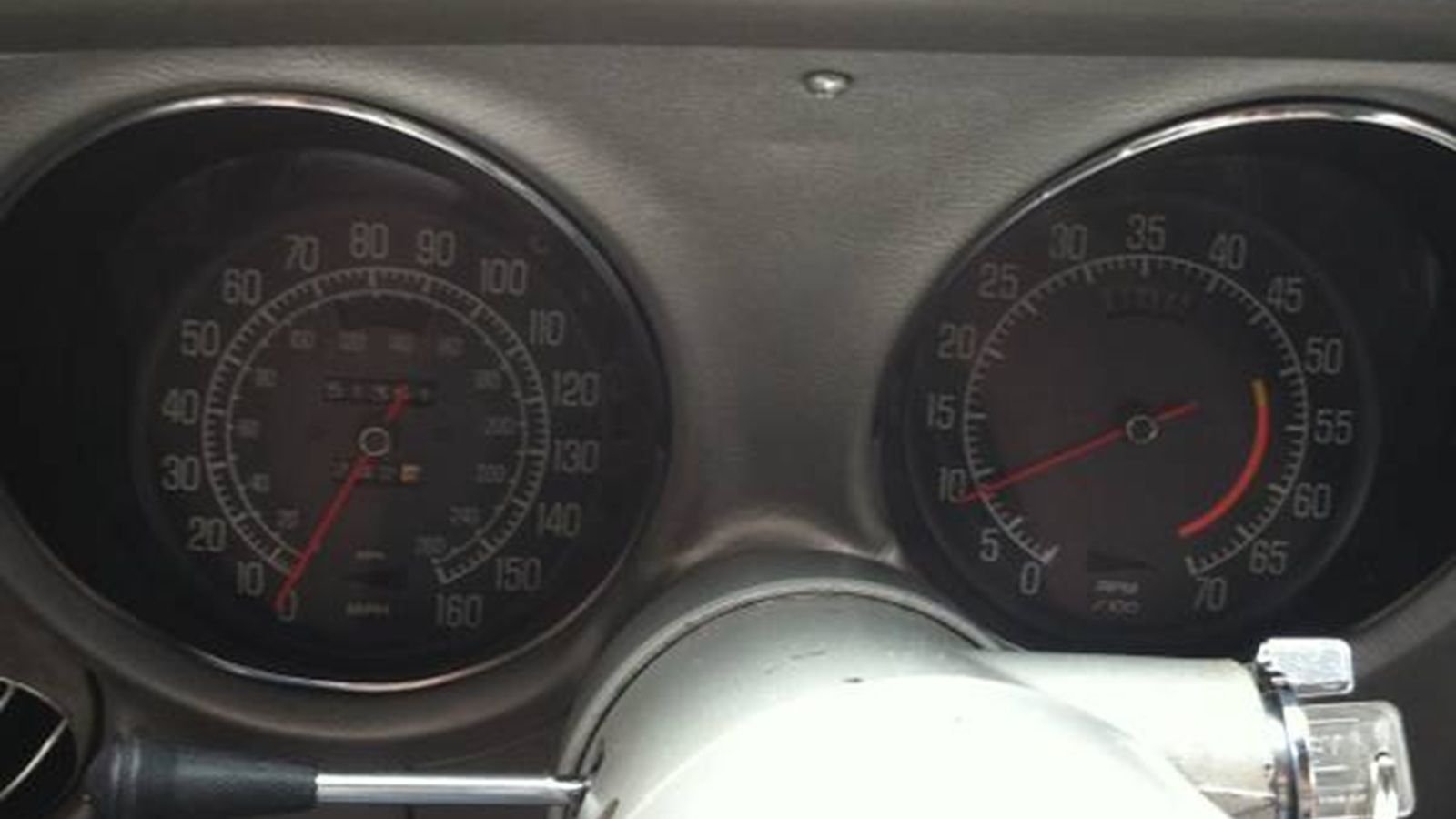
7. First Year for Electronic Tachometer
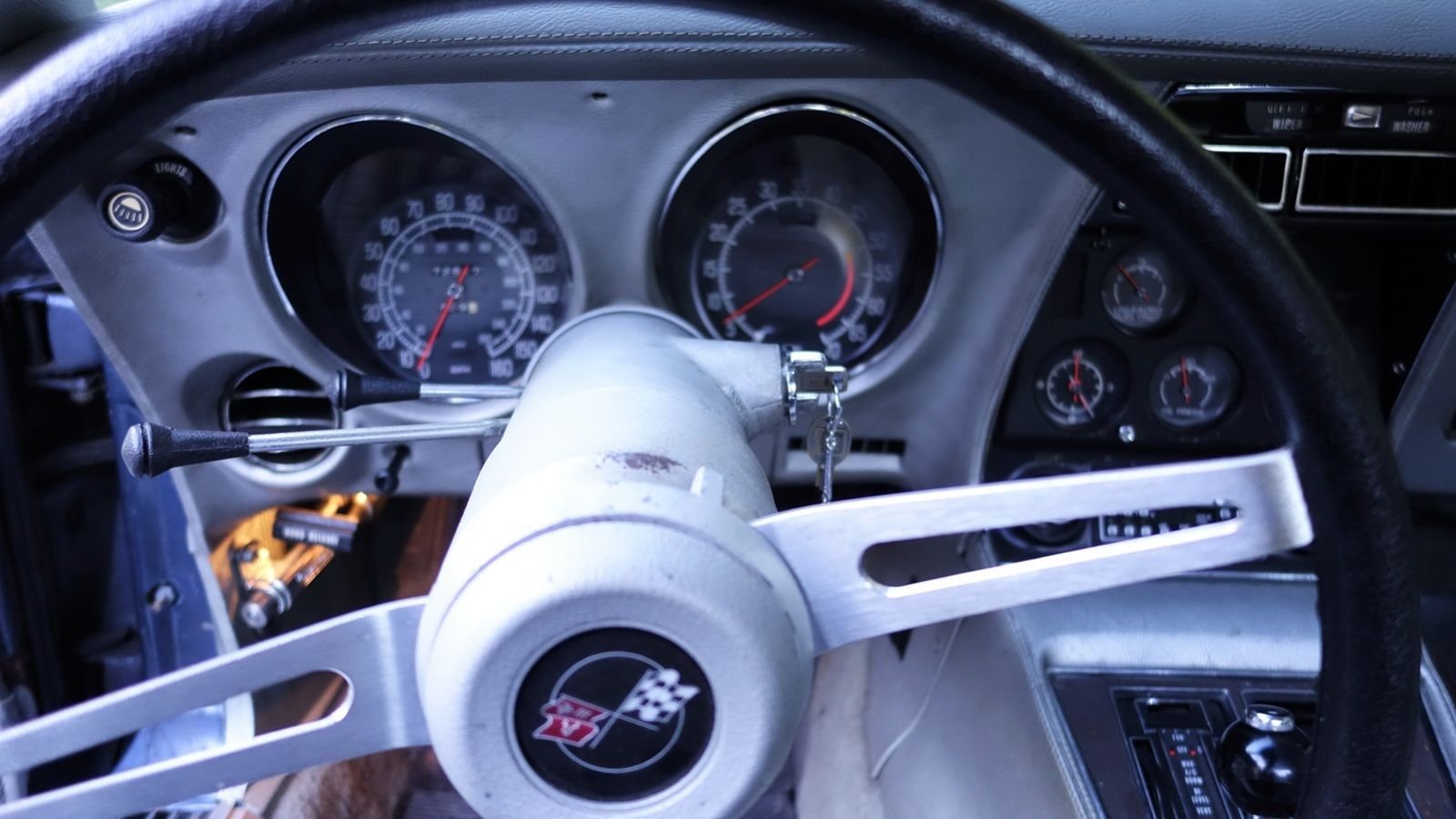
Up until 1975, the Corvette used a mechanical tachometer. 1975 was the first year that the Corvette used an electric tachometer. Prior to this, the tach was driven off the distributor. In general, the electronic tach is more accurate and reliable. Many folks have elected to upgrade their older Corvettes with new electronic tachs.
Image: CorvetteForum
8. Base V8 Made Just 165 Horsepower
The base Chevy 350 V8 in the Corvette made a paltry 165 horsepower. That is just 15 more than the original 1953 Corvette made with the Blue Flame 6-cylinder engine. You could option for the more powerful L82 350 V8, but even that one only made 205 horsepower. The 1975 Corvette was not a very powerful car, especially compared to some of the Corvettes just a couple of years prior.
Image: CorvetteForum
9. A Bleak Future for the Corvette?
The 1975 Corvette was underpowered, choked with emissions equipment, lost its 'Father,' and despite some improvements was generally seen as a step back from previous Corvettes. The Corvette had a good run of over 20 years at this point. But with the world focused more on emissions than performance, could the Corvette continue for much longer? The picture was not very rosy in 1975.
Image: CorvetteForum
10. 50 Years Later, How Far We've Come
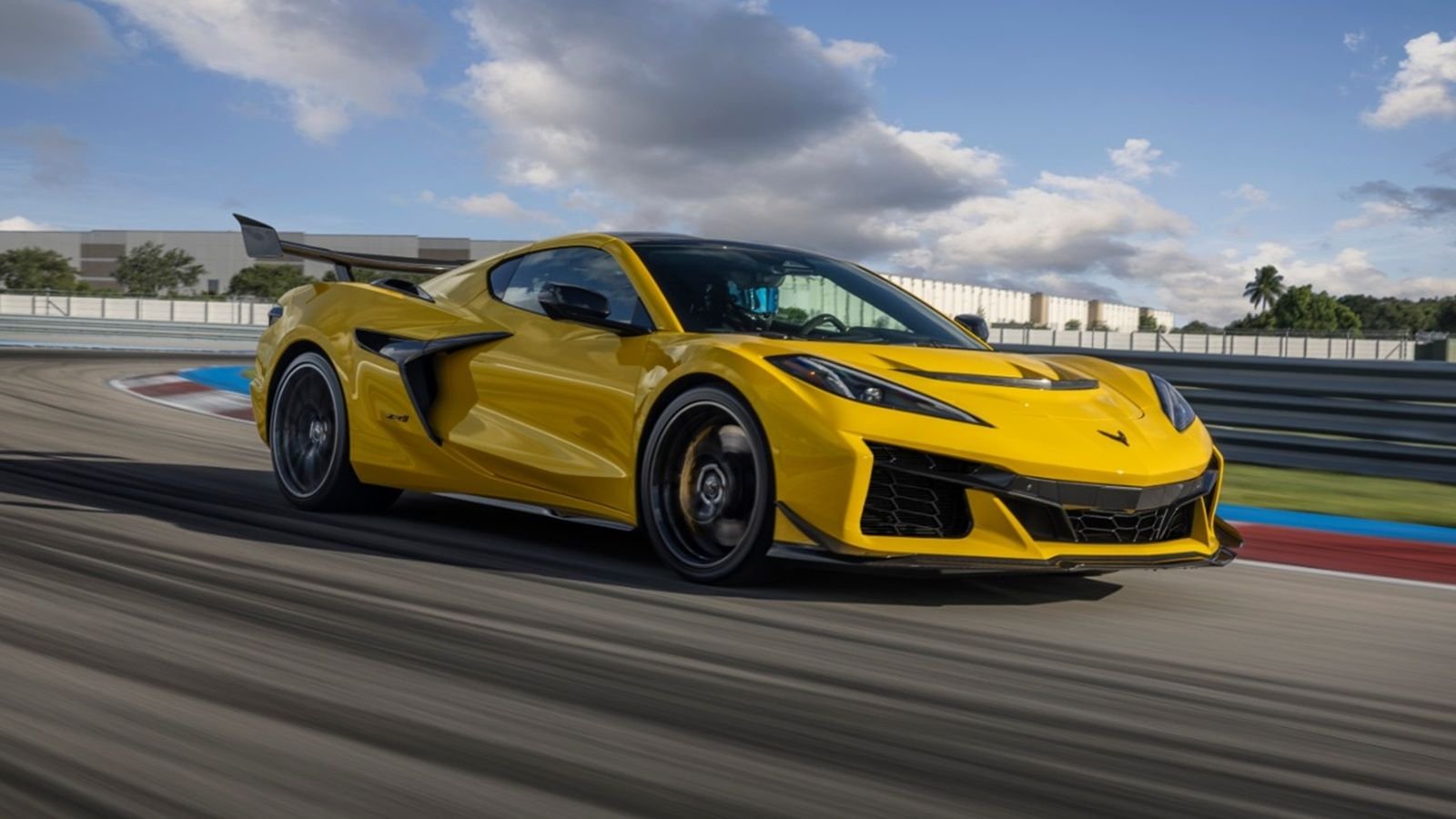
Well, here we are in 2025, and the Corvette is as strong as ever. A new ZR1, making over 500 percent more power than the base 1975 Corvette, is about to hit the streets. That car is capable of things that not even the most optimistic Corvette fan in 1975 could imagine. And besides that, we have the track-focused Z06, the all-wheel drive, hybrid E-Ray, and a base Stingray that can hit 194 mph. The 2025 Corvette lineup is the most powerful and capable in history. Things may have seemed bleak in 1975, but the Corvette has shown us that it can persevere through some dark times and emerge on the other side stronger than ever. Perhaps there is a life lesson in there somewhere?
Image: Chevrolet