
Top 10 WORST Corvette Engineering Failures of All Time!
Corvettes are generally well-made, but by no means are they perfect. From weak engines to shoddy transmissions, here are the 10 worst Corvette engineering failures of all time.


Nailed It!
Over the past seventy plus years the Corvette has been a showcase for some cutting-edge technology. From an early adoption of fuel injection to composite materials for the body, the Corvette has been about much more than just powerful engines and top speed. But when you swing for the fences as much as the Corvette team does, you are bound to swing and miss once in a while. Even Reggie Jackson struck out nearly 2,600 times. The important thing is that GM and the Corvette team keep trying, and they've had far more home runs than strikeouts. We often celebrate those big hits, but today we are focusing on the misses.
We have put together a list of the top 10 worst Corvette engineering fails of all time. The list includes everything from engines and transmissions to wheels and windows. The Corvette today is better than ever because GM learned from these past mistakes. What would be on your list?
1. LS7 Valve Guide Wear
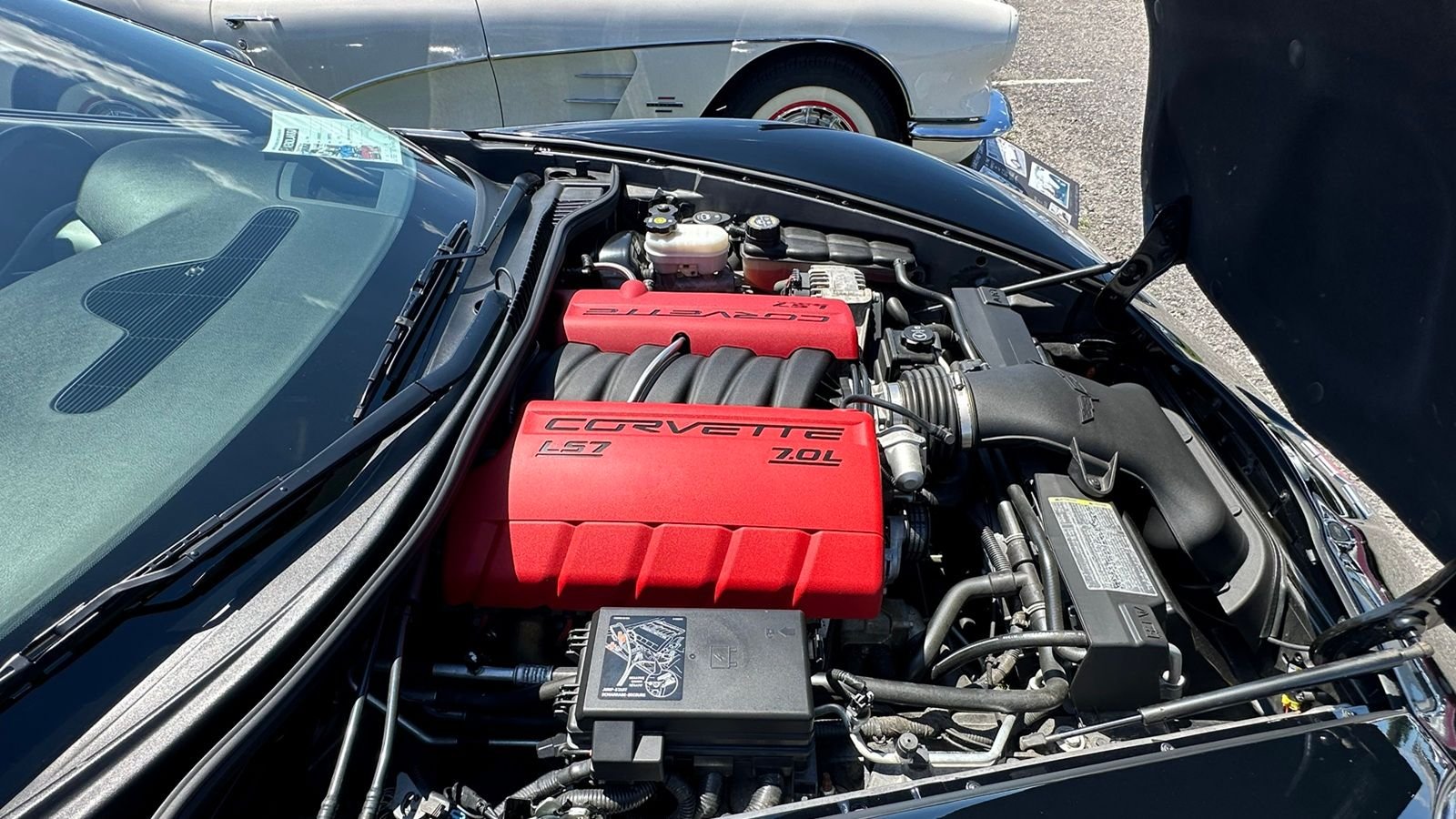
This is a bummer because the 505-horsepower C6 Z06 is an epic car. The 7.0L V8 engine is a hand-built masterpiece, full of advanced technology such as titanium intake valves and connecting rods, sodium filled exhaust valve stems, and CNC-machined ports. Unfortunately, it has a fatal flaw, according to many members here and various owners around the world...
Excessive valve guide wear can lead to engine failure. A class action lawsuit was filed over the issue, and although it was dismissed, that doesn’t mean there isn’t a real problem here, one that GM partially blamed on a supplier. However, as best as we can tell, it appears that the issue is widespread and, thus, many companies, like our friends at American Heritage Performance, have developed aftermarket solutions to prevent the issue. This flaw puts a stain on an otherwise wonderful engine.
2. C7 Cracked Wheels
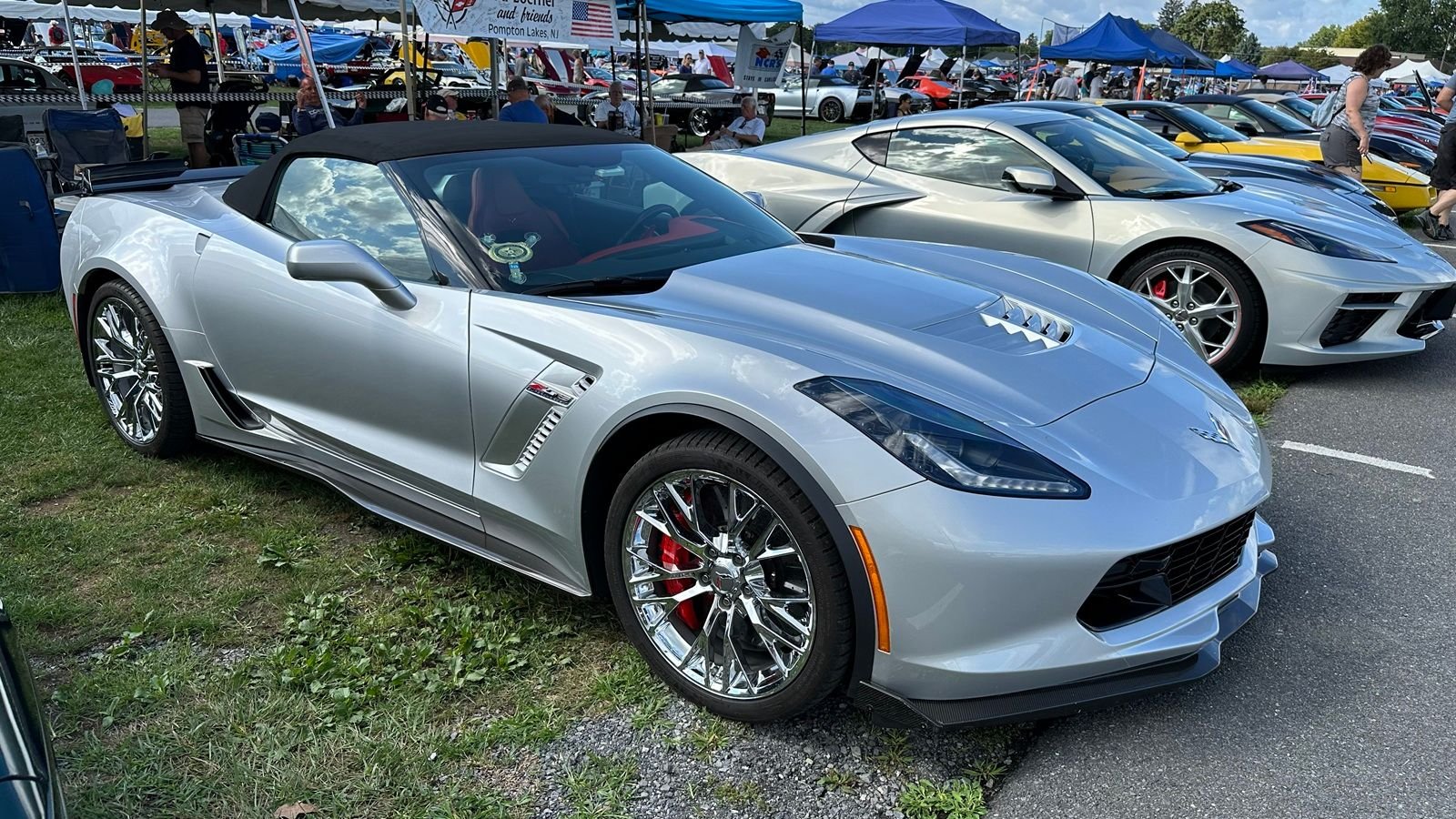
This is another issue so prevalent that multiple lawsuits were filed over it. C7 Corvette wheels, especially those on the Z06 and Grand Sport models, are made of glass. OK, not really, but they crack so often that you would be forgiven for thinking they were made of glass. GM eventually offered an extended wheel warranty and a repair reimbursement program to address the issue. This is perhaps the biggest weakness of the entire C7 generation (if you don't count Displacement On Demand aka Active Fuel Management). Although it does give owners a good excuse to buy aftermarket wheels.
3. C5 Electronic Brake Control Module
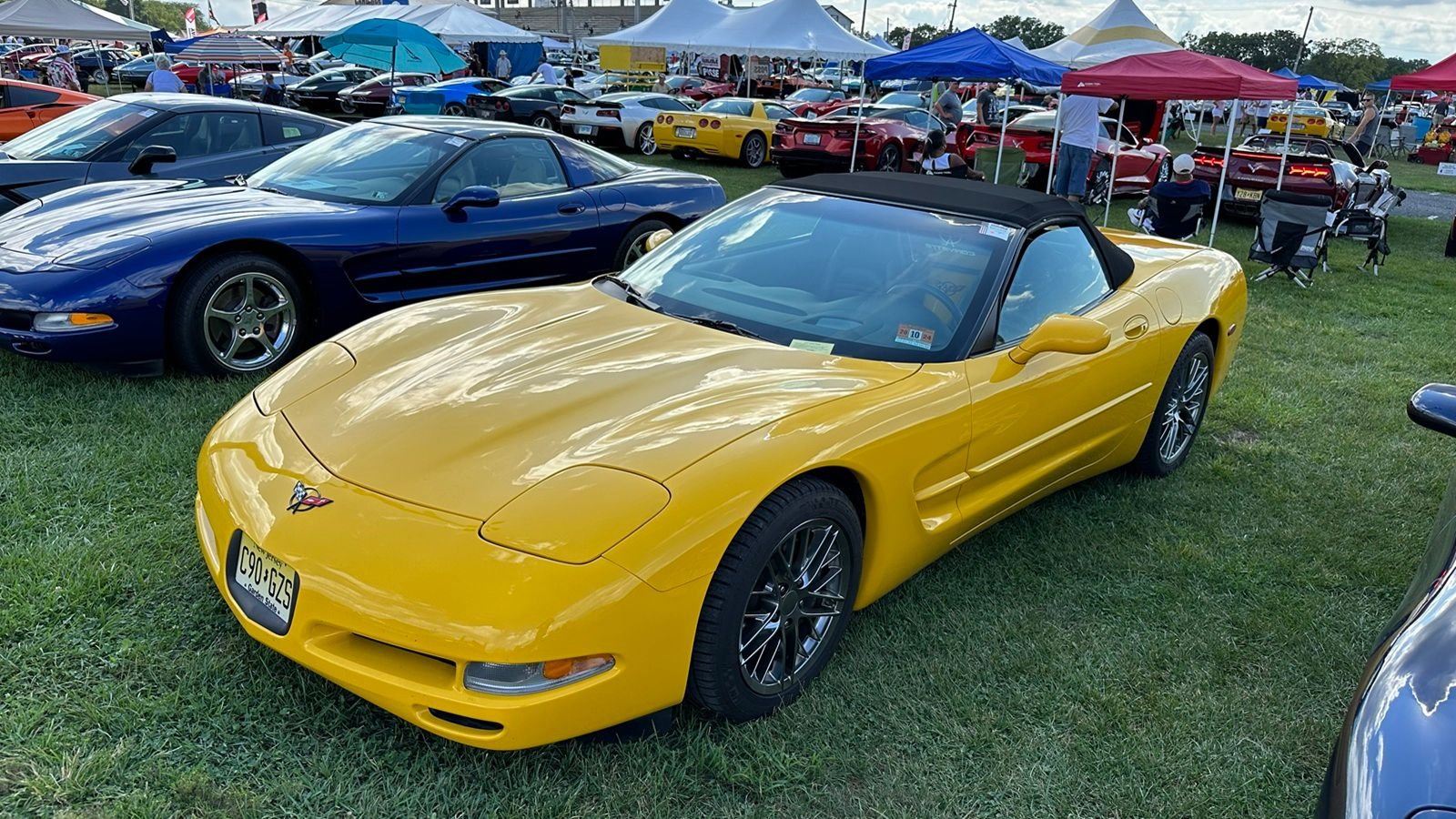
The C5 Corvette Electronic Brake Control Module (EBCM) is prone to failure and, for the 1997 to 2000 models, the part is often not repairable. When the part fails, the “Service ABS” and “Service Traction System” messages will illuminate on the dash, and these features will not function. The problem is that the EBCM for the early C5 is very tough to find, and quite expensive if you do.
4. Doug Nash 4+3 Transmission
This engineering fail has the name of the designer right in it, so we know who to blame. The Doug Nash 4+3 Transmission was used in the 1984 – 1988 C4 models. It is essentially a 4-speed manual transmission with overdrive for the top three gears. If it's not maintained religiously, it is prone to failing. But even when it is working properly, it is clunky in operation and can sap the enjoyment right out of the driving experience. And if it does fails, be prepared to spend a pretty penny.
5. Tremec TR-9080 Dual-Clutch Transmission
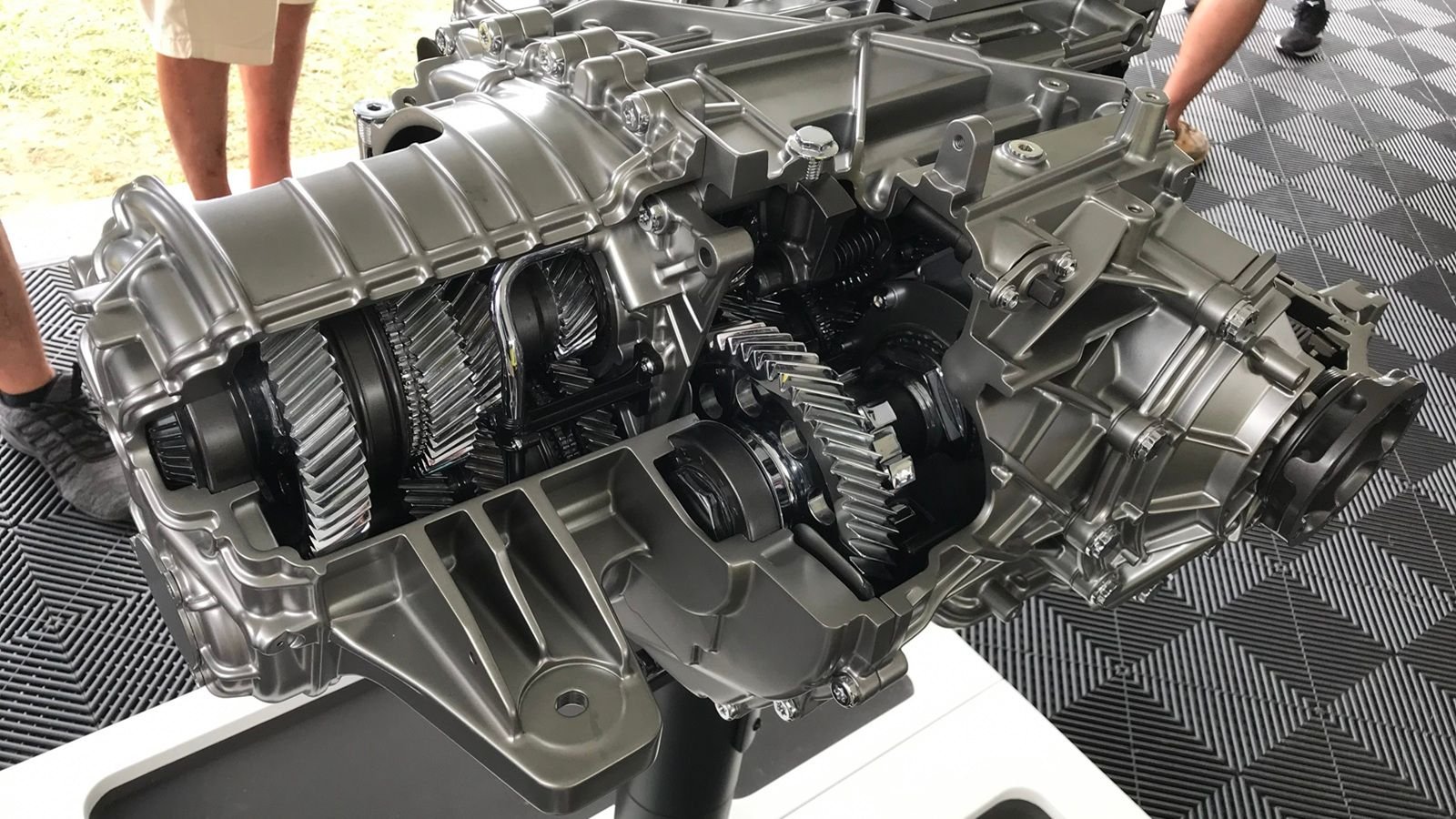
Skip ahead about 30 years, and we have another Corvette transmission issue. This time it is with the Tremec TR-9080 in the C8. In the early C8 models from 2020 – 2021 the DCT is prone to failure. There have been many reports of harsh shifting and other concerns. By 2023, GM had issued 17 different Technical Service Bulletins. GM recommends a transmission fluid service every three years or 45,000 miles. By contrast Porsche recommends a PDK fluid service every 12 years or 120,000 miles.
6. Cross-Fire Injection
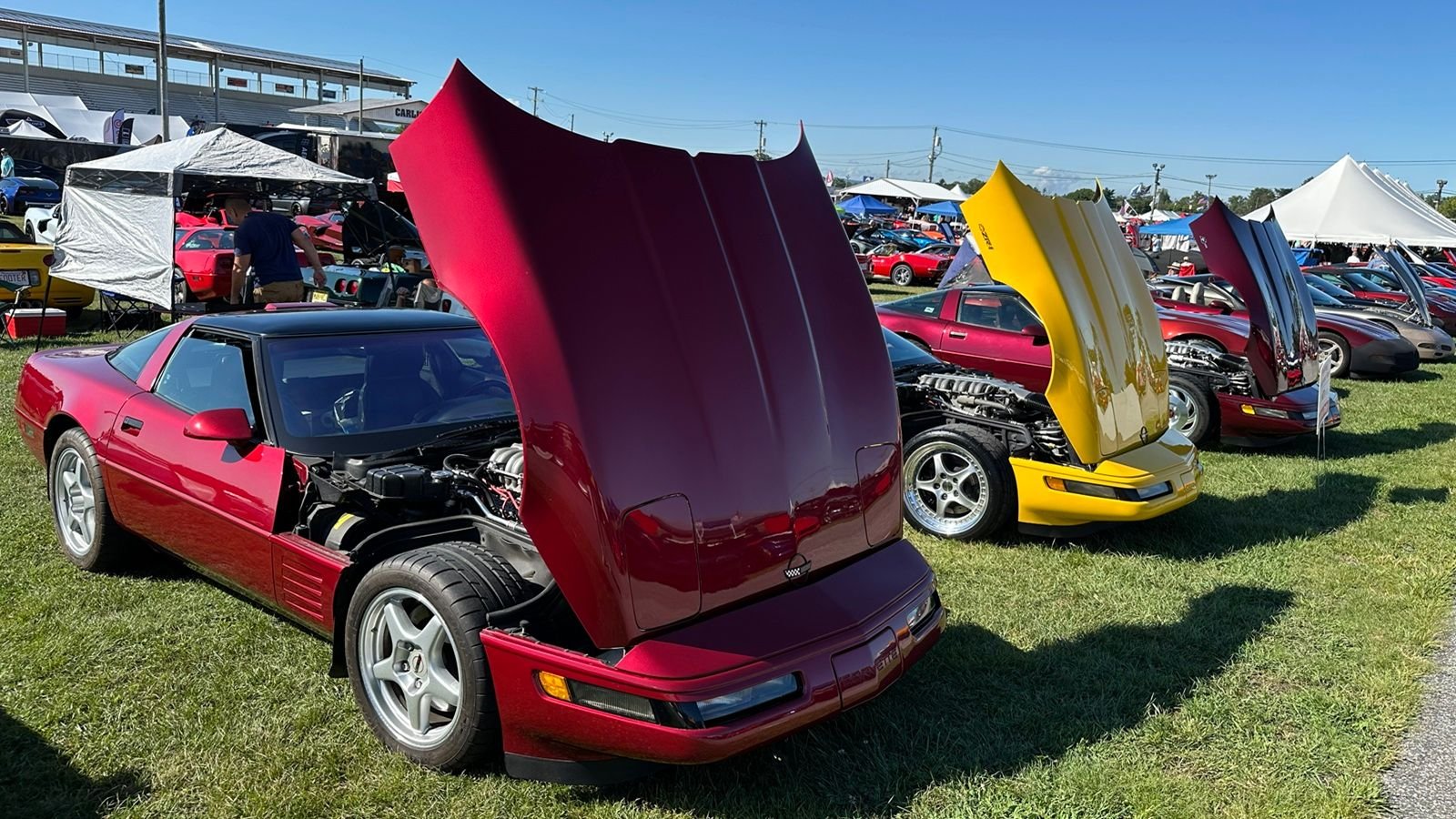
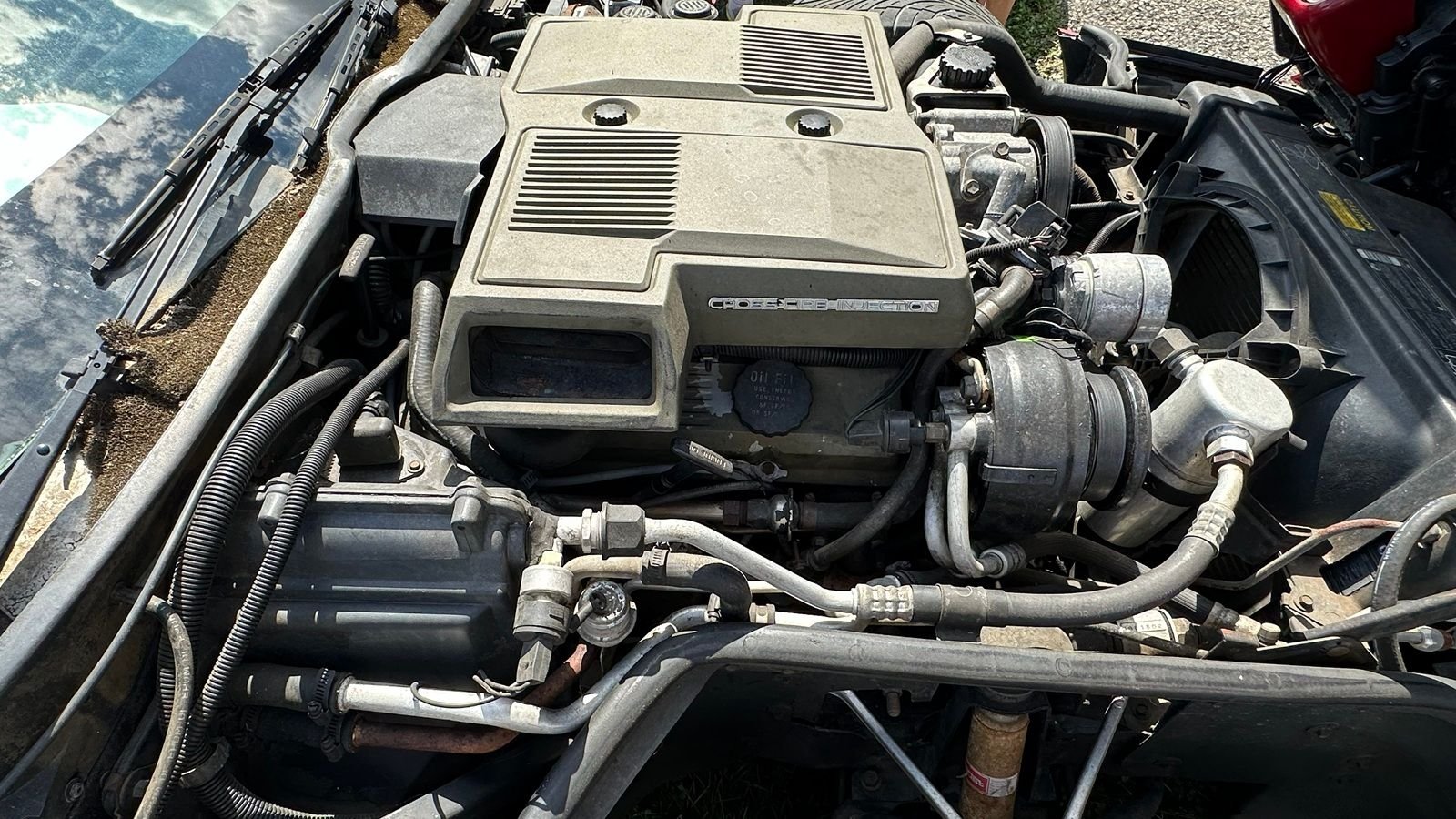
Thankfully, the Cross-Fire Injection system was only available in the Corvette in 1982 and 1984. Some folks feel that the system gets more hate than it deserves. That might be true, but these are not the best engines, and there's a reason why they were so quickly replaced. These engines are prone to vacuum leaks and injectors going bad. And if you like to modify your car, you will find the intake on the Cross-Fire engines to be quite restrictive.
7. 1963 Split Window
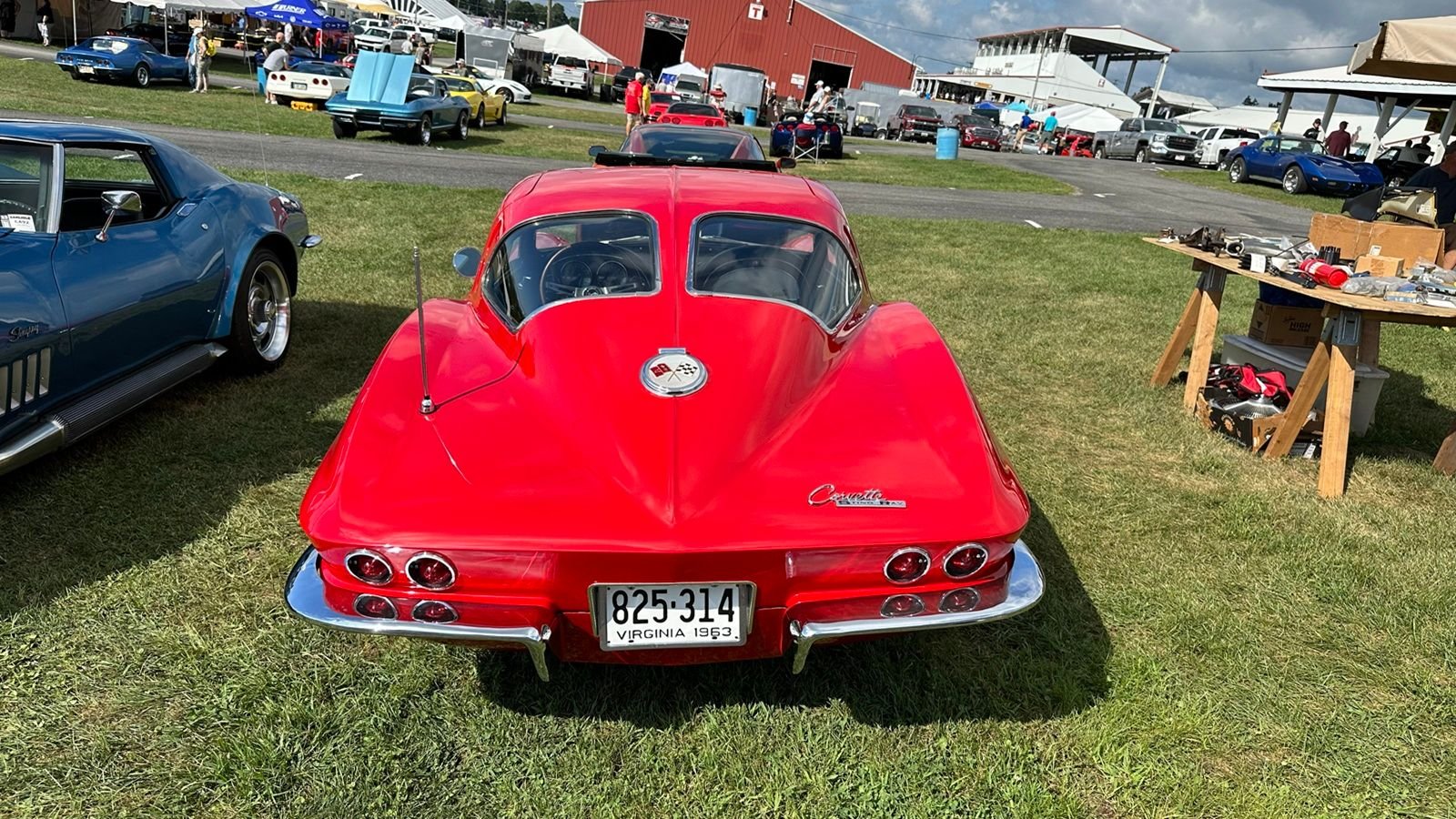
How can the beloved 1963 split window Corvette be on this list? Well, it's beloved now, and these cars bring big money. But the split window is still a bit of a fail. It looks amazing, don’t get us wrong. But visibility is poor. So poor in fact that back in the 1960s, owners were replacing their split windows for a solid rear window so they could see better. GM caught on to this poor design, and they dropped it after only one year. This is probably the very best ‘fail’ on this list.
8. C5/C6 Harmonic Balancer
In some cases, the harmonic balancer in the C5 and C6 cars can stop balancing. When this happens, you will be able to both see and hear the issue as the crank pulley wobbles and the belts begin to chirp. The good news is that it is fixable. The bad news is that it is a fairly expensive fix because it's a labor-intensive job.
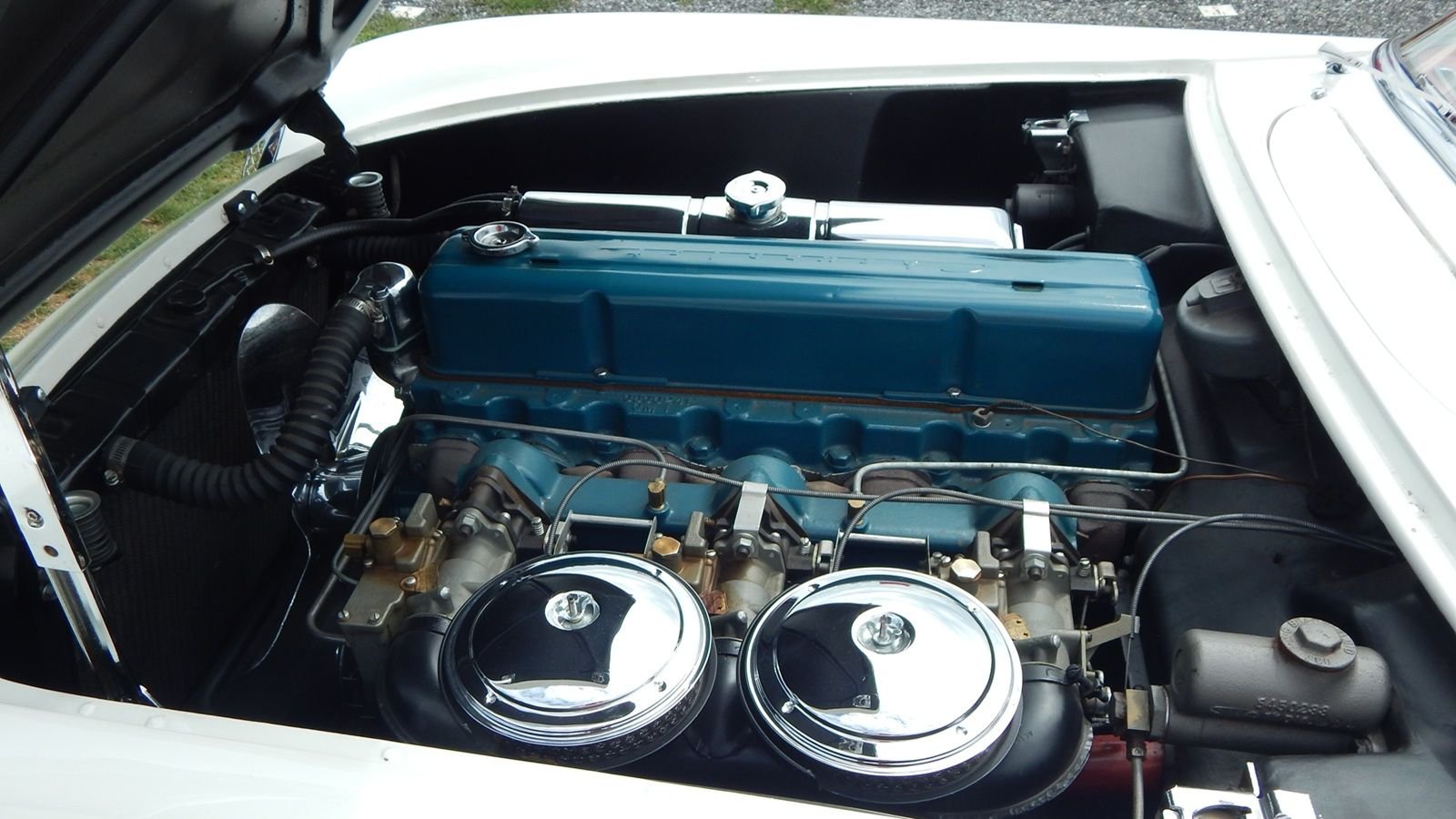
9. The Blue Flame Straight-Six
This engine almost killed the Corvette after only two years. The Blue Flame was rated at just 150 horsepower, not enough to deliver the type of performance the Corvette promised. It's not that the engine was bad. For an inline-six, it was quite powerful. But it was not a V8. And it was outdated nearly as soon as it went under the hood of the Corvette. In 1955, the first V8 was offered for the Corvette, and it produced a much more substantial 195 horsepower. The Corvette was saved, and the rest is history.
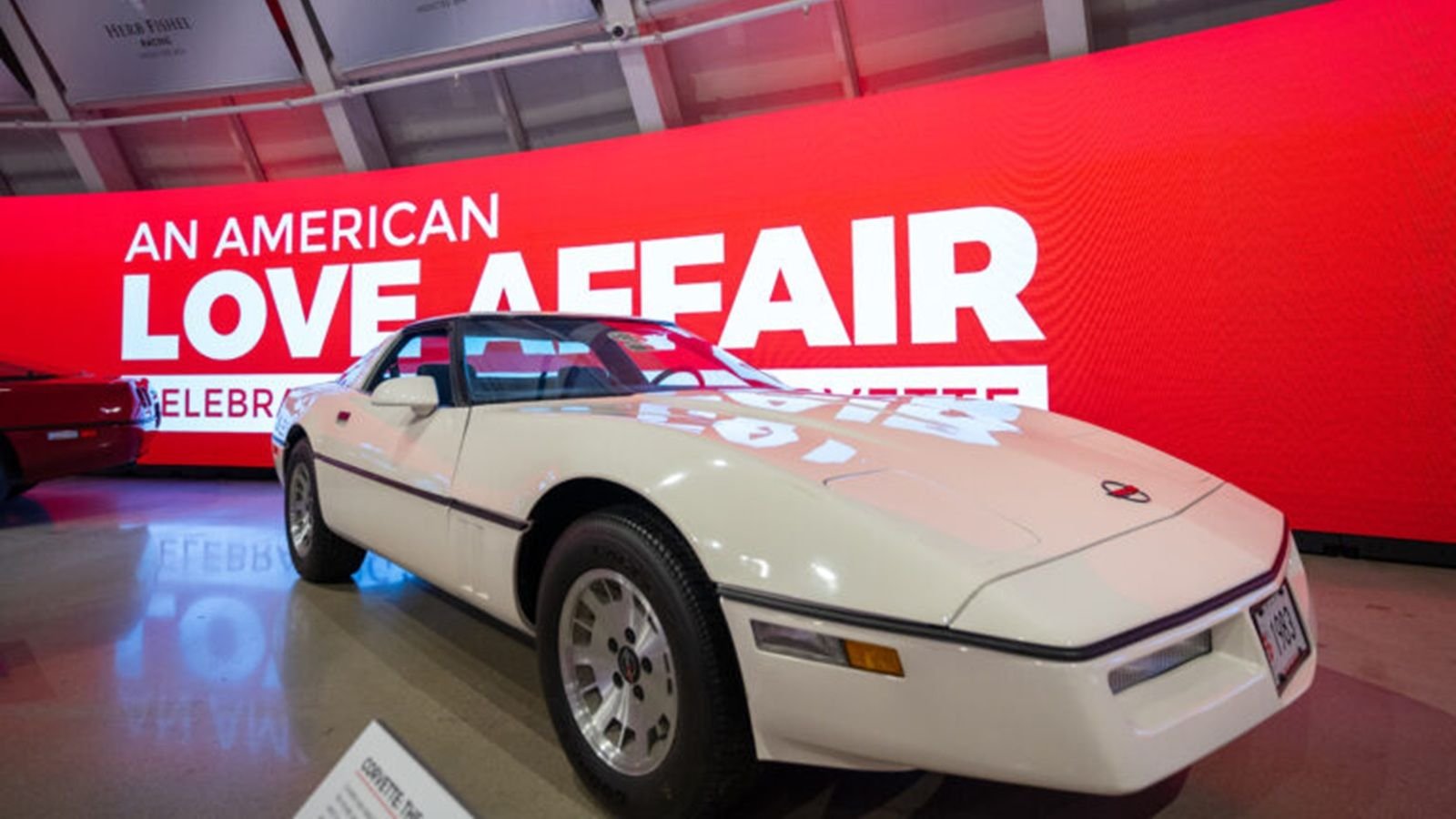
10. The 1983 Corvette
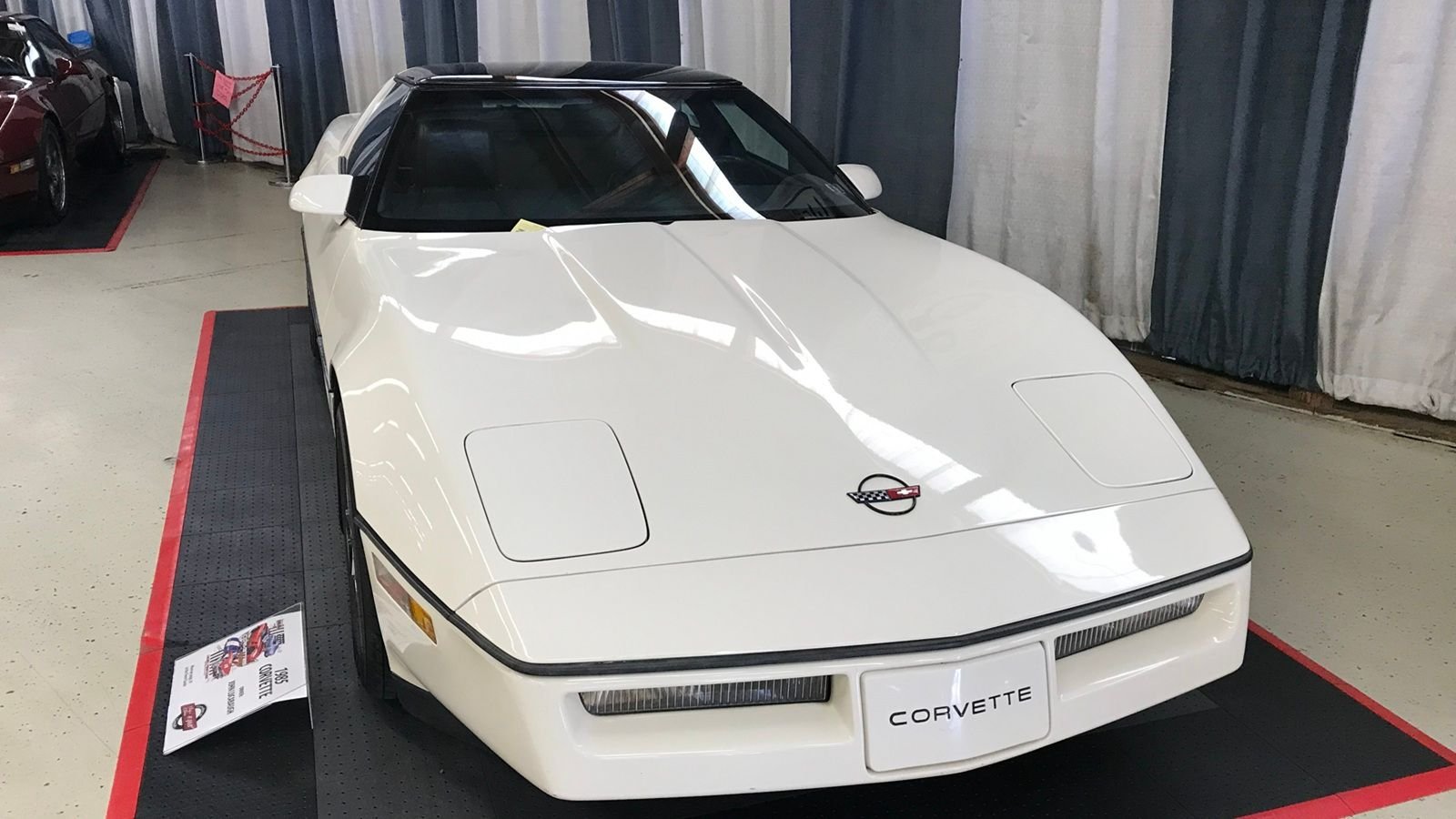
The Corvette that wasn’t. Emissions requirements, a redesign of the roof from a T-Top to a Targa top, and other issues meant that Corvette missed its own 30th anniversary. An entire model year lost to time because GM could not get the C4 ready on time. That might be the biggest engineering fail in the history of the Corvette.
Images: Joe Kucinski; National Corvette Museum