









82 Cruise Control

Thread Starter
2nd Gear

Joined: Feb 2006
Posts: 2
Likes: 0
From: Princeton Tx
 82 Cruise Control
I just bought 82 vette it had been kept in a barn .Still tring to get mouse smell out of inside and dog scratches out of paint .The car has 15000 miles still had orginal belts ,ball joints and rotors on it.Gave 3750 for it and drove it home.After brakes, plugs, plugwires, oil , filters, tires, trans flush, MAP sensor, and alot of vacum leaks passed TX , emissions. Im now driving every day ,this is the first vette I ever sat in and having a blast driving it.Have done all work myself ,but cruise is giving me trouble any ideas. P.S. my son is in iraq as a medic can't wait till we can take aride together in it

Safety Car

Joined: Dec 2004
Posts: 4,071
Likes: 0
From: San Diego CA
According to midamerica the '82 uses the same type of cruise control as the '81 so there's a few things to check.
First check out the servo, it's a little vacuum gizmo that runs off of a vacuum hose controlled by the transducer.
Being that it only has 15k miles, I doubt the transducer is bad, so I'd check the servo.
First check out the servo, it's a little vacuum gizmo that runs off of a vacuum hose controlled by the transducer.
Being that it only has 15k miles, I doubt the transducer is bad, so I'd check the servo.
Safety Car
Joined: Dec 2004
Posts: 4,071
Likes: 0
From: San Diego CA
Originally Posted by Kalway
According to midamerica the '82 uses the same type of cruise control as the '81 so there's a few things to check.
First check out the servo, it's a little vacuum gizmo that runs off of a vacuum hose controlled by the transducer.
Being that it only has 15k miles, I doubt the transducer is bad, so I'd check the servo.
First check out the servo, it's a little vacuum gizmo that runs off of a vacuum hose controlled by the transducer.
Being that it only has 15k miles, I doubt the transducer is bad, so I'd check the servo.
Also, the speedometer wouldn't be working, if the transducer was dead.

Advanced
Joined: Nov 2005
Posts: 81
Likes: 1
From: Cherokee County North Carolina
try this:

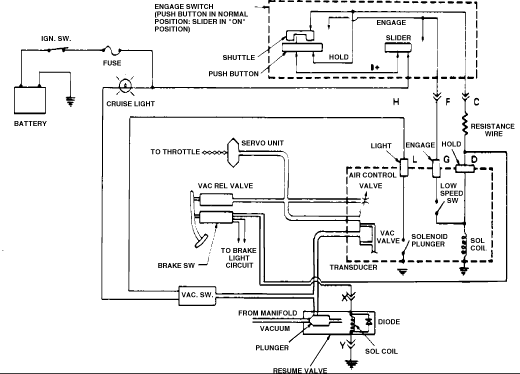
ENGAGEMENT SWITCH TEST
Ensure control switch is in the on position during test.
1. Disconnect engagement switch connector from wiring harness connector.
2. Connect a suitable ohmmeter between terminal Nos. 1 and 2, Fig. 3. Continuity should be shown. Fully depress engagement switch button. Circuit should be open.
3. Connect ohmmeter between Nos. 1 and 3 terminals. No continuity should be present. Fully depress and then partially release engagement switch button. Continuity should be present.
4. Release engagement switch button and move control switch to RESUME position. Continuity should be present. Move control switch back to ON position.
5. Connect ohmmeter between Nos. 2 and 3 terminals. No continuity should be shown. Fully depress and then partially release engagement switch button. Continuity should be present.
WIRE HARNESS TEST
Exc. 1982---83 Buick Electra, LeSabre, Regal & Riviera
1. Disconnect engagement switch wiring harness from main wiring harness connector.
2. Connect ohmmeter between point C and ground. Refer to Fig. 4. Ohmmeter should read between limits shown in Fig. 5. If resistance is above or below limits, disconnect connector from transducer and measure resistance of wire between points C and D. Resistance should be between limits shown in Fig. 5. If resistance is not between limits, replace main wiring harness.
3. Connect ohmmeter between point E and ground. Resistance should be between 5---6 ohms. Replace transducer assembly if limits are exceeded.
4. Connect ohmmeter between points F and G. Continuity should be present.
ELECTRIC BRAKE SWITCH TEST
1. Remove connector from brake switch and attach ohmmeter across brake switch terminal.
2. Depress brake pedal. Ohmmeter should show open circuit. Release brake pedal. Ohmmeter should show continuity. Replace brake switch if necessary.
ENGAGEMENT SWITCH TEST
Ensure control switch is in the on position during test.
1. Disconnect engagement switch connector from wiring harness connector.
2. Connect a suitable ohmmeter between terminal Nos. 1 and 2, Fig. 3. Continuity should be shown. Fully depress engagement switch button. Circuit should be open.
3. Connect ohmmeter between Nos. 1 and 3 terminals. No continuity should be present. Fully depress and then partially release engagement switch button. Continuity should be present.
4. Release engagement switch button and move control switch to RESUME position. Continuity should be present. Move control switch back to ON position.
5. Connect ohmmeter between Nos. 2 and 3 terminals. No continuity should be shown. Fully depress and then partially release engagement switch button. Continuity should be present.
WIRE HARNESS TEST
Exc. 1982---83 Buick Electra, LeSabre, Regal & Riviera
1. Disconnect engagement switch wiring harness from main wiring harness connector.
2. Connect ohmmeter between point C and ground. Refer to Fig. 4. Ohmmeter should read between limits shown in Fig. 5. If resistance is above or below limits, disconnect connector from transducer and measure resistance of wire between points C and D. Resistance should be between limits shown in Fig. 5. If resistance is not between limits, replace main wiring harness.
3. Connect ohmmeter between point E and ground. Resistance should be between 5---6 ohms. Replace transducer assembly if limits are exceeded.
4. Connect ohmmeter between points F and G. Continuity should be present.
ELECTRIC BRAKE SWITCH TEST
1. Remove connector from brake switch and attach ohmmeter across brake switch terminal.
2. Depress brake pedal. Ohmmeter should show open circuit. Release brake pedal. Ohmmeter should show continuity. Replace brake switch if necessary.
Advanced
Joined: Nov 2005
Posts: 81
Likes: 1
From: Cherokee County North Carolina
And this:
CRUISE CONTROL INOPERATIVE
1. Check servo chain or rod adjustment. Adjust as necessary.
2. Check vacuum hose for leaks or restrictions. Repair or replace as necessary.
3. Check drive cables for proper routing, kinks or sharp bends. Repair or replace as necessary.
4. Check throttle linkage for binding or improper adjustment. Repair binding or adjust throttle linkage.
5. Check adjustment of brake pedal release switches. Adjust if necessary.
6. Check engagement switch operation. Unplug connector at bottom of steering column and plug in known good engagement switch assembly. If system operates, replace engagement switch assembly.
7. Check fuse. If blown, replace. If fuse blows again, check for short circuit or short in resume solenoid diode.
8. Start engine and check resume solenoid source vacuum, Fig. 1. Remove two wire connector from resume solenoid. Connect ground wire to terminal that black wire was connected to and supply 12 volts to terminal that had other wire connected to it. Disconnect output vacuum hose from transducer. Vacuum should be present. Replace solenoid if vacuum is not present.
9. Place ignition switch in run position and control switch in ON position and check engage/hold wire harness. Disconnect two wire connector at transducer. Push engage/hold button in part way to engage position and check each terminal with a 12 volt test light.
1. If test light is on at only one terminal, test engagement switch. Check for open circuit in wire. Repair or replace part at fault.
2. If test lights at both wires, check transducer for poor ground. If ground is good, replace transducer.
3. If test light is off at both circuits, check for open in brown/white wire from fuse box to On/Off/Resume switch. If circuit is good, check engagement switch operation.
SPEED INCREASES AFTER ENGAGEMENT
1. Speedometer cable or housing bent, kinked or improperly routed. Repair or replace as necessary.
2. Transducer orifice improperly adjusted. Adjust orifice tube.
3. Transducer inoperative. Replace transducer.
SPEED DECREASES AFTER ENGAGEMENT
1. Throttle linkage not tight enough. Adjust throttle linkage.
2. Vacuum leak or restriction in vacuum hoses. Check for damaged, kinked, disconnected or worn hoses. Replace or repair as necessary.
3. Transducer orifice improperly adjusted. Adjust orifice tube.
Fig. 2 Aspirator vacuum assist cruise control schematic
CRUISE CONTROL OPERATES ERRATICALLY
1. Vacuum line from source to transducer restricted. Remove restriction.
2. Check servo unit for full stroke. Replace if necessary.
3. Transducer inoperative. Replace transducer.
4. On systems with aspirator vacuum assist, check valve is stuck open or is missing. Install or replace check valve. Refer to Fig. 2.
EXCESSIVE LOSS OF SPEED ON INCLINES
1. Loose throttle linkage. Adjust throttle linkage.
2. Vacuum hose from source to transducer restricted. Remove restriction or replace hose.
3. On systems with aspirator vacuum assist, check valve is stuck open or installed backwards or cruise system to aspirator hose is not connected. Replace check valve or install properly. Attach aspirator hose. Refer to Fig. 2.
CRUISE CONTROL INOPERATIVE
1. Check servo chain or rod adjustment. Adjust as necessary.
2. Check vacuum hose for leaks or restrictions. Repair or replace as necessary.
3. Check drive cables for proper routing, kinks or sharp bends. Repair or replace as necessary.
4. Check throttle linkage for binding or improper adjustment. Repair binding or adjust throttle linkage.
5. Check adjustment of brake pedal release switches. Adjust if necessary.
6. Check engagement switch operation. Unplug connector at bottom of steering column and plug in known good engagement switch assembly. If system operates, replace engagement switch assembly.
7. Check fuse. If blown, replace. If fuse blows again, check for short circuit or short in resume solenoid diode.
8. Start engine and check resume solenoid source vacuum, Fig. 1. Remove two wire connector from resume solenoid. Connect ground wire to terminal that black wire was connected to and supply 12 volts to terminal that had other wire connected to it. Disconnect output vacuum hose from transducer. Vacuum should be present. Replace solenoid if vacuum is not present.
9. Place ignition switch in run position and control switch in ON position and check engage/hold wire harness. Disconnect two wire connector at transducer. Push engage/hold button in part way to engage position and check each terminal with a 12 volt test light.
1. If test light is on at only one terminal, test engagement switch. Check for open circuit in wire. Repair or replace part at fault.
2. If test lights at both wires, check transducer for poor ground. If ground is good, replace transducer.
3. If test light is off at both circuits, check for open in brown/white wire from fuse box to On/Off/Resume switch. If circuit is good, check engagement switch operation.
SPEED INCREASES AFTER ENGAGEMENT
1. Speedometer cable or housing bent, kinked or improperly routed. Repair or replace as necessary.
2. Transducer orifice improperly adjusted. Adjust orifice tube.
3. Transducer inoperative. Replace transducer.
SPEED DECREASES AFTER ENGAGEMENT
1. Throttle linkage not tight enough. Adjust throttle linkage.
2. Vacuum leak or restriction in vacuum hoses. Check for damaged, kinked, disconnected or worn hoses. Replace or repair as necessary.
3. Transducer orifice improperly adjusted. Adjust orifice tube.
Fig. 2 Aspirator vacuum assist cruise control schematic
CRUISE CONTROL OPERATES ERRATICALLY
1. Vacuum line from source to transducer restricted. Remove restriction.
2. Check servo unit for full stroke. Replace if necessary.
3. Transducer inoperative. Replace transducer.
4. On systems with aspirator vacuum assist, check valve is stuck open or is missing. Install or replace check valve. Refer to Fig. 2.
EXCESSIVE LOSS OF SPEED ON INCLINES
1. Loose throttle linkage. Adjust throttle linkage.
2. Vacuum hose from source to transducer restricted. Remove restriction or replace hose.
3. On systems with aspirator vacuum assist, check valve is stuck open or installed backwards or cruise system to aspirator hose is not connected. Replace check valve or install properly. Attach aspirator hose. Refer to Fig. 2.
Corvette Stories
The Best of Corvette for Corvette Enthusiasts

Top 10 Most Expensive Corvettes Ever Sold on Bring A Trailer
Brett Foote
10 Things Every Corvette Owner Needs (2026 Edition)
Michael S. Palmer
8 Most "Only Corvette Owners Understand" Quirks and Problems
Pouria Savadkouei
10 Reasons the C6 Z06 is Still A Performance Benchmark After 20 Years
Joe Kucinski
How Much Horsepower Every Corvette Engine "LOST" in 1972
Joe Kucinski
Top 10 DOs and DON'Ts for Protecting Your Convertible Top!
Michael S. Palmer
Top 10 Most Explosive Corvettes Ever Made: Power-to-Weight Ratio Ranked!
Joe Kucinski
150 hp to 1,250 hp: Every Corvette Generation Compared by the Specs That Matter
Joe Kucinski
8 Coolest Corvette Pace Cars (and Replicas) of All Time
Verdad Gallardo
Safety Car
Joined: Dec 2004
Posts: 4,071
Likes: 0
From: San Diego CA
I honestly have to say that when the system is working, it works REALLY well. I mean it works better than the system my '94 Firebird and '95 Z28 had, and those were computer computer controlled! 
Burning Brakes


Joined: Jan 2006
Posts: 1,154
Likes: 1
From: St Augustine FL
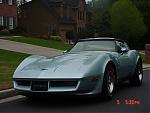
My 82 Cruise Control does not work either. I just have not had a chnce to pay it attention. I have other things on the car more needy.
By the way what a great deal on the car! I just paid twice that for one with 120k on it.
By the way what a great deal on the car! I just paid twice that for one with 120k on it.
Thread Starter
2nd Gear
Joined: Feb 2006
Posts: 2
Likes: 0
From: Princeton Tx
Thanks for cruise help
Thanks for all the help and info. This is first time used this computor exept to talk my son in iraq. That was the reason got this computer.Did not use gun ,just in right place right time .Did not know driving a vette was so much fun.Will check out cruise this weekend .Thanks again
