


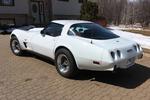
Noticed something today that I think I need to be concerned about. The rear wheels are showing signs of negative camber (see photo). Is this an alignment issue, a suspension issue and should I be concerned about it?
Thanks again!
http://s1105.photobucket.com/albums/...IMG_0469-1.jpg
Thanks again!
http://s1105.photobucket.com/albums/...IMG_0469-1.jpg
drwet
Melting Slicks

close


May 21, 2026
- Member SinceDec 2009
- LocationThunder Bay
- Posts:3,229
-
Likes:299
-
Liked:656 Times in 496 Posts
Yes you need to be concerned about it. This is a common problem on these cars. It results from one or both of two problems. The strut rod bushings are worn out, and/or the output yokes at the differential are worn out. The design of the rear suspension on these cars causes the weight of the car (essentially) to be transmitted to the yokes as an inward pressure. This eventually causes the yokes to wear on their inner end. You can test for this by raising the car in the air, grasp the tire at the 12 and 6 o'clock positions and rock it back and forth. You will be able to tell where the looseness is. Determine if it is the yokes moving in and out of the differential (there should only be about 1/16" of play) or is it at the strut rod bushing, or both.


Quote:
Another and my experience has been more common, is the rear spring has lost it's arch--gone from arch to level or reverse arch where the ends are actually turning upwards. The geometry of the rear is designed so that when there is an arch you have enough adjustment in the cam (off center bolts) where you can get the correct camber on the rear wheels. The car also rides like a wagon when this happens! No give in the rear suspension when the spring is flat or worse.Originally Posted by drwet
Yes you need to be concerned about it. This is a common problem on these cars. It results from one or both of two problems. The strut rod bushings are worn out, and/or the output yokes at the differential are worn out. The design of the rear suspension on these cars causes the weight of the car (essentially) to be transmitted to the yokes as an inward pressure. This eventually causes the yokes to wear on their inner end. You can test for this by raising the car in the air, grasp the tire at the 12 and 6 o'clock positions and rock it back and forth. You will be able to tell where the looseness is. Determine if it is the yokes moving in and out of the differential (there should only be about 1/16" of play) or is it at the strut rod bushing, or both.
Looks like an old VW bug with the wheels laying in at the top.









