






Engine Break-in
Thread Starter
Racer

Joined: Nov 2012
Posts: 340
Likes: 2
From: Port Washington WI
 Engine Break-in
My mechanic and I are having a go-around on the break-in. I say we've only got one chance to get it right. We freshend the block, crank, and heads, everything else is new. Complete new valve train with solid roller lifters and roller rockers. I want to be conservative when we fire it up and use new aftermarket gauges during the run-in period. That gives me the comfort that we know pressure and temp and after break-in we'll go back to the factory guagues.
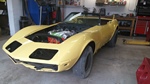
This car sat for 28 years in my brother's garage so who knows if a needle is sticking or sender is bad? He says I'm being too paranoid. I say it's my engine (my $$$) and this is how we're going to do it. Is this just the engineer in me talking, but I think conservative is better. Any thoughts? What would you do given the unknown condition of the factory gauges?
This car sat for 28 years in my brother's garage so who knows if a needle is sticking or sender is bad? He says I'm being too paranoid. I say it's my engine (my $$$) and this is how we're going to do it. Is this just the engineer in me talking, but I think conservative is better. Any thoughts? What would you do given the unknown condition of the factory gauges?

Melting Slicks


Joined: Mar 2006
Posts: 3,456
Likes: 102
From: Piedmont Va
St. Jude Donor '11-'12-'13,'19-'20
My mechanic and I are having a go-around on the break-in. I say we've only got one chance to get it right. We freshend the block, crank, and heads, everything else is new. Complete new valve train with solid roller lifters and roller rockers. I want to be conservative when we fire it up and use new aftermarket gauges during the run-in period. That gives me the comfort that we know pressure and temp and after break-in we'll go back to the factory guagues.
This car sat for 28 years in my brother's garage so who knows if a needle is sticking or sender is bad? He says I'm being too paranoid. I say it's my engine (my $$$) and this is how we're going to do it. Is this just the engineer in me talking, but I think conservative is better. Any thoughts? What would you do given the unknown condition of the factory gauges?
This car sat for 28 years in my brother's garage so who knows if a needle is sticking or sender is bad? He says I'm being too paranoid. I say it's my engine (my $$$) and this is how we're going to do it. Is this just the engineer in me talking, but I think conservative is better. Any thoughts? What would you do given the unknown condition of the factory gauges?
 While some may say it is overkill, I agree with you that getting accurate readings on first start is ideal. Does not cost much in $$ or time to hook up some new gauges...I approve
  and what should he care??

Drifting

Joined: Jul 2011
Posts: 1,697
Likes: 139
From: Syracuse NY
Oil pressure and temp are the only things you will need to observe. If you are REALLY worried, hook up a mechanical oil gauge and have a IR thermometer on hand to take temps. Just run it man. Your ears will tell you more than gauges will when breaking it in.
As far as breaking it in....Im assuming you are going to get crazy with that too. Remember this....when was the last time you broke in a new car? My advice for break in (AFTER rolling at 2500 rmp for 20 mins for the cam) is to just run it easily for a while and gently start laying into it.
As far as breaking it in....Im assuming you are going to get crazy with that too. Remember this....when was the last time you broke in a new car? My advice for break in (AFTER rolling at 2500 rmp for 20 mins for the cam) is to just run it easily for a while and gently start laying into it.

Drifting


Joined: Jun 2010
Posts: 1,781
Likes: 15
From: Oxford Ohio
[QUOTE=Scottd;1585074981]Oil pressure and temp are the only things you will need to observe. If you are REALLY worried, hook up a mechanical oil gauge and have a IR thermometer on hand to take temps. Just run it man. Your ears will tell you more than gauges will when breaking it in.
]
Those and maybe a tach. It is good to watch these numbers during break-in. imo
]
Those and maybe a tach. It is good to watch these numbers during break-in. imo
Corvette Stories
The Best of Corvette for Corvette Enthusiasts

Every 2027 Corvette Engine Explained
Joe Kucinski
Designer Imagines A Corvette That Looks More Like a Corvette Than the Corvette
Verdad Gallardo
10 Ugly Corvettes That We Still Kinda Love
Joe Kucinski
Top 10 Most Expensive Corvettes Ever Sold on Bring A Trailer
Brett Foote
10 Things Every Corvette Owner Needs (2026 Edition)
Michael S. Palmer
8 Most "Only Corvette Owners Understand" Quirks and Problems
Pouria Savadkouei
10 Reasons the C6 Z06 is Still A Performance Benchmark After 20 Years
Joe Kucinski
How Much Horsepower Every Corvette Engine "LOST" in 1972
Joe Kucinski
Top 10 DOs and DON'Ts for Protecting Your Convertible Top!
Michael S. Palmer

Drifting


Joined: Jun 2013
Posts: 1,269
Likes: 226
From: Cocoa FL
I think you're getting paralysis of over analysis. Roller lifter motors do not require the usual 2500 RPM for 20 mins+ initial run as Mike Ward pointed out. Using some extra gauges is a good idea, but not necessary. The biggest thing you will need to be aware of is leaks.

Pro

Joined: Sep 2012
Posts: 600
Likes: 6
From: Key West Florida
I thought the 20 min was for flat tappet cams, and the rod/crank bearings, the rings will seat within 500 miles. and around 800 miles everything starts to loosen up and you can really feel what you built.

Melting Slicks
Joined: Aug 2005
Posts: 2,683
Likes: 34
From: Working on the car NY
My mechanic and I are having a go-around on the break-in. I say we've only got one chance to get it right. We freshend the block, crank, and heads, everything else is new. Complete new valve train with solid roller lifters and roller rockers. I want to be conservative when we fire it up and use new aftermarket gauges during the run-in period. That gives me the comfort that we know pressure and temp and after break-in we'll go back to the factory guagues.
This car sat for 28 years in my brother's garage so who knows if a needle is sticking or sender is bad? He says I'm being too paranoid. I say it's my engine (my $$$) and this is how we're going to do it. Is this just the engineer in me talking, but I think conservative is better. Any thoughts? What would you do given the unknown condition of the factory gauges?
This car sat for 28 years in my brother's garage so who knows if a needle is sticking or sender is bad? He says I'm being too paranoid. I say it's my engine (my $$$) and this is how we're going to do it. Is this just the engineer in me talking, but I think conservative is better. Any thoughts? What would you do given the unknown condition of the factory gauges?
Melting Slicks
Joined: Aug 2005
Posts: 2,683
Likes: 34
From: Working on the car NY

Race Director

Joined: Jul 2001
Posts: 15,892
Likes: 42
I used an aftermarket (AutoMeter) gauge when I primed the motor, via the distributer gear. No way would I rely on the stock gauge - I wanted a "real" reading. You shouldn't fire up the motor without properly priming it first - with a HD drill spinning the gear at least a minute, 4 times on each 90 degree cycle.

Le Mans Master


Joined: Jan 2006
Posts: 6,506
Likes: 139
From: Butler Pa
BTW, other than the rings seating, which should happen by the time the engine gets up to operating temperature, there's nothing else to break in when using a roller cam.

Safety Car

Joined: Jan 2009
Posts: 3,736
Likes: 56
From: anchorage ak
Thread Starter
Racer
Joined: Nov 2012
Posts: 340
Likes: 2
From: Port Washington WI
My mechanic and I are having a go-around on the break-in. I say we've only got one chance to get it right. We freshend the block, crank, and heads, everything else is new. Complete new valve train with solid roller lifters and roller rockers. I want to be conservative when we fire it up and use new aftermarket gauges during the run-in period. That gives me the comfort that we know pressure and temp and after break-in we'll go back to the factory guagues.
This car sat for 28 years in my brother's garage so who knows if a needle is sticking or sender is bad? He says I'm being too paranoid. I say it's my engine (my $$$) and this is how we're going to do it. Is this just the engineer in me talking, but I think conservative is better. Any thoughts? What would you do given the unknown condition of the factory gauges?
This car sat for 28 years in my brother's garage so who knows if a needle is sticking or sender is bad? He says I'm being too paranoid. I say it's my engine (my $$$) and this is how we're going to do it. Is this just the engineer in me talking, but I think conservative is better. Any thoughts? What would you do given the unknown condition of the factory gauges?
If you know of anybody looking for a flat tappet solid lifter BB cam have them PM me. NOS in the tube.