When you click on links to various merchants on this site and make a purchase, this can result in this site earning a commission. Affiliate programs and affiliations include, but are not limited to, the eBay Partner Network.
I followed the link above and it wasn't very specific to an 82 vette. Can someone provide more details on where to connect a fuel pressure gauge? I assume it's somewhere before the fuel injector.
The fuel filter is against the passenger side behind the tire and hard to get to, so it doesn't look like the place to try.
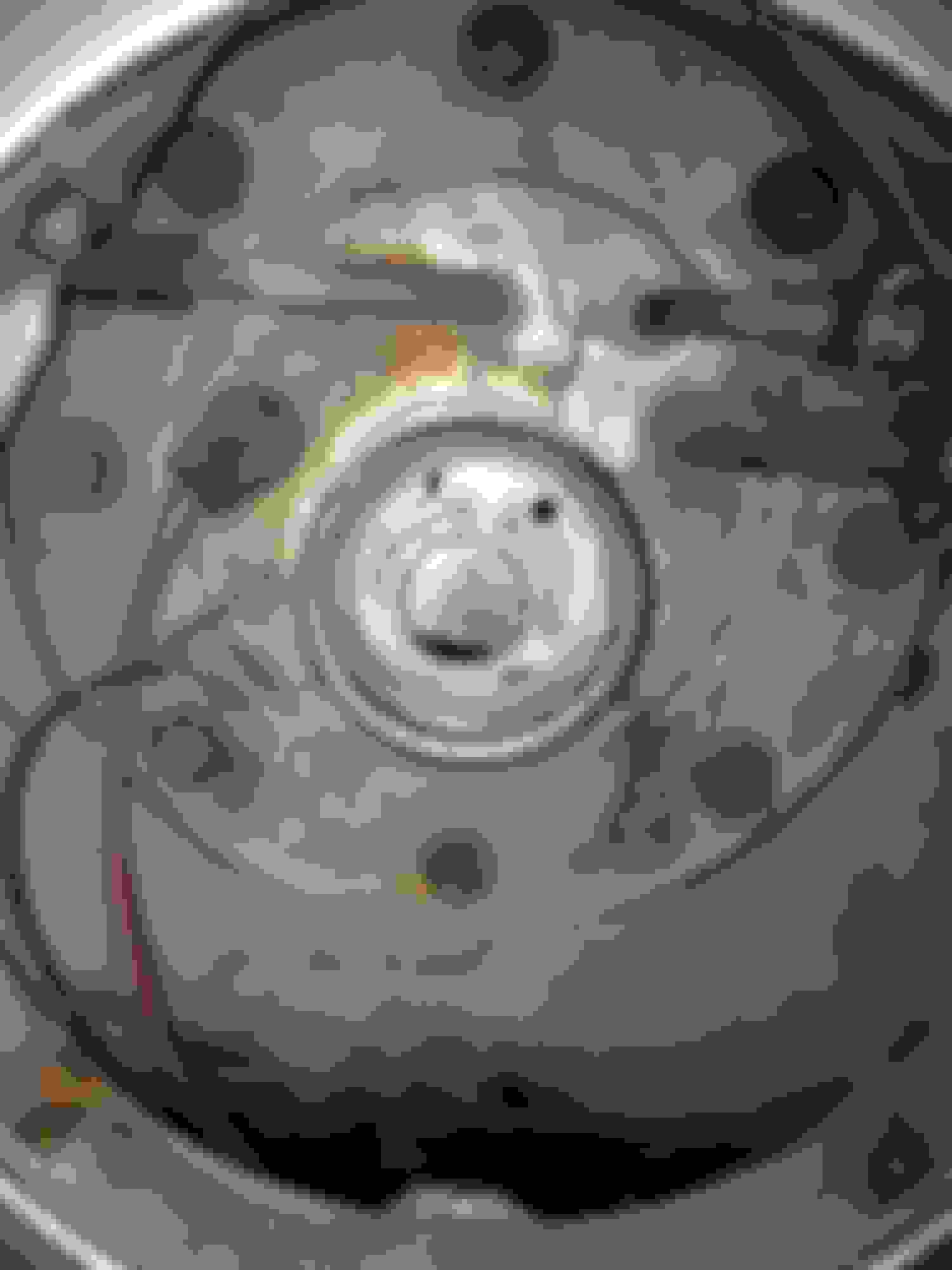
Also, I have a question about how to remove the fuel pump. The link above was great but didn't address how to take it out. I'm attaching a picture of the gas cap, with the lid removed and gasket. Do I remove all of those nuts in a circle?
The '82 was the C3's first model with an electric fuel pump. There are reams of good history about it if you do a search on this forum - which your admission of not knowing it was in the tank via the filler hole is a giveaway - they all (100%) talk about it on the topic. My original pump was 32 years old and still going strong, but they will fail, so for the relative bargain cost I just replaced it as follows, but while the patient is open, I strongly suggest that you also replace the sending unit since it will be in your hand and then you can mark off that system as being good to go, hopefully for a long time - although, the Asian-made crap of today isn't very predictable. Btw, I don't regret replacing it with the original design pump vs. one with a fuel pressure uplift (1985 C4pump that you will read about) - too risky for me due to upstream seal integrity risks. You'll need a new tank/sender gasket, too.
1.) start the car and bleed off the fuel pressure by disconnecting (and leaving off) the negative battery cable. It will quickly stall. Have an extinguisher close by and spray water in the area to minimize any static electricity risk. Call me paranoid.
2.) Remove the filler cap assembly to access and remove the electrical connector and three hoses - they'll come off. A good chance to use a wire brush on the male/female terminals and add dielectric grease.
3.). Lift out the sender and while doing so, twist it 180 degrees clockwise - it comes right out. Ignore the complaints that it is difficult - I read to do this on this forum and it works and is out in well under 10 seconds from when you start pulling and twisting.
4.). Cover the fuel filler hole as securely as possible to minimize fumes and do your stuff. I used plastic and good duct tape which worked fine. The pumps are not very expensive and the black rubber fuel output hose is almost certain to be rotted, bleeding off PSI, and contributing to your drivability issue as many of us with this "new" (at the time) technology upgrade discovered as time went on. Make sure the pump comes with a good fuel-rated exit hose which connects the pump to the sender. Can't overstate this importance.
The '82 was the C3's first model with an electric fuel pump. There are reams of good history about it if you do a search on this forum - which your admission of not knowing it was in the tank via the filler hole is a giveaway - they all (100%) talk about it on the topic. My original pump was 32 years old and still going strong, but they will fail, so for the relative bargain cost I just replaced it as follows, but while the patient is open, I strongly suggest that you also replace the sending unit since it will be in your hand and then you can mark off that system as being good to go, hopefully for a long time - although, the Asian-made crap of today isn't very predictable. Btw, I don't regret replacing it with the original design pump vs. one with a fuel pressure uplift (1985 C4pump that you will read about) - too risky for me due to upstream seal integrity risks. You'll need a new tank/sender gasket, too. 1.) start the car and bleed off the fuel pressure by disconnecting (and leaving off) the negative battery cable. It will quickly stall. Have an extinguisher close by and spray water in the area to minimize any static electricity risk. Call me paranoid. 2.) Remove the filler cap assembly to access and remove the electrical connector and three hoses - they'll come off. A good chance to use a wire brush on the male/female terminals and add dielectric grease. 3.). Lift out the sender and while doing so, twist it 180 degrees clockwise - it comes right out. Ignore the complaints that it is difficult - I read to do this on this forum and it works and is out in well under 10 seconds from when you start pulling and twisting. 4.). Cover the fuel filler hole as securely as possible to minimize fumes and do your stuff. I used plastic and good duct tape which worked fine. The pumps are not very expensive and the black rubber fuel output hose is almost certain to be rotted, bleeding off PSI, and contributing to your drivability issue as many of us with this "new" (at the time) technology upgrade discovered as time went on. Make sure the pump comes with a good fuel-rated exit hose which connects the pump to the sender. Can't overstate this importance. Good luck, Dave
P.s. Yes - removing the bolts lets you remove the sender as suggested.
I followed the link above and it wasn't very specific to an 82 vette. Can someone provide more details on where to connect a fuel pressure gauge? I assume it's somewhere before the fuel injector.
The fuel filter is against the passenger side behind the tire and hard to get to, so it doesn't look like the place to try.
Also, I have a question about how to remove the fuel pump. The link above was great but didn't address how to take it out. I'm attaching a picture of the gas cap, with the lid removed and gasket. Do I remove all of those nuts in a circle?
Wow, this would be the easiest fuel pump to replace. Yes, remove all the bolts and pull the fuel pump out. Last summer I was working on an 82 Ford van cutaway Coachman RV. with fuel injection that actually had 2 fuel pumps. One in the tank and an inline one. I was told it was to provide the required pressure for the fuel injection. Let me tell you it isn't fun dropping a 50 gallon fuel tank full of 5 year old gas.
As a further thought... can I use one of those lines in the picture to test fuel pressure? If so, which one, left or right?
What I want to do is check the fuel pressure before I replace a pump, in case it's not the fuel pump.
I believe the upper right hose is the one that you need (but, this is going on memory). The lower right hose should be the return line and I recall that the left side (smaller) hose goes to the evap-canister.
Plan on replacing it, though. Unless you're just flipping it or biding time, it will save you, probably the number one most avoidable '82 breakdown/low performance risk factors on the car. For peace of mind if anything.
Dave
Last edited by Lakeside49; Oct 22, 2014 at 05:56 PM.
Designer Imagines A Corvette That Looks More Like a Corvette Than the Corvette
Slideshow: A Jaguar designer's personal project imagines what a modern front-engined Corvette might look like if Chevrolet revisited the golden age of the Stingray.




 Fuel pump location