When you click on links to various merchants on this site and make a purchase, this can result in this site earning a commission. Affiliate programs and affiliations include, but are not limited to, the eBay Partner Network.
I realize that there are a lot of other threads and posts on this topic but I have yet to solve my problem:
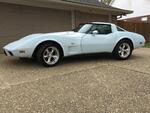
My 78 was parked in the garage this winter with a trickle charger on the battery. The car always started before I did this. 2 moths ago I went to start the car and it was dead. When I checked the battery it had cracked and leaked. I suspect that it overcharged. I cleaned everything, replaced the battery and the car won't start. I am getting power to the radio with the key in the on postion but no repsonse at all from the starter with the key in the start position.
I disconnected the postive cable from the battery and checked the draw. It was negligible. I checked the voltage at the starter solenoid - about 7- 7.5 volts. I jumped the solenoid with a screwdriver. I could hear the starter motor spin but that was it. I then realized that the positive terminal was loose. The replacement bolt that I had purchased wouldn't tighten fully so I bought a longer one - same problem. Finally found a bolt at NAPA and now it is tight but the car still won't start.
I had the battery tested and it is fine. Right now I have it on the charger as something is drawing it down. Once it is charged I am going to recheck the voltage at the solenoid.
I have visually examined the fusible links near the starter and pulled on the wires. I have also visually inspected the grond wire on the passenger side.
I understand that the ignition switch or the neutral safety swicth can both cause this problem. However, if I am getting power at the solenoid would that rule those issues out?
This car is a father/son project that has been going on for many years with little progress until last year. My son is coming home from the Coast Guard Academy at the end of July and my goal is to have it ready for him and I to paint. This starting problem was unexpected and slowing things down.
slow down,, start with fresh battery, personally remove and inspect your battery connections, verify they are in good shape. now describe the symptoms you get.
#1 turn on headlights, do they come on ?
#2 do the dash lights/gauges come on when you turn the key on ?
#3 when you turn the key to start, does the car click ? or try and turn the engine over ?
#4 Do headlights dim, or go out when you attempt to start the car ?
I personally suspect you have the wrong too long bolt, and a poor connection at your battery.
(if you install too long of a bolt it will get tight, however it is only jammed into the battery,
it will not tighten / clamp the battery cable properly.)
slow down,, start with fresh battery, personally remove and inspect your battery connections, verify they are in good shape. now describe the symptoms you get.
#1 turn on headlights, do they come on ? I don't have the headlights connected at the moment due to the body work.
#2 do the dash lights/gauges come on when you turn the key on ? Yes.
#3 when you turn the key to start, does the car click ? or try and turn the engine over ? No. No sound at all.
#4 Do headlights dim, or go out when you attempt to start the car ? I will hook up the headlights and check.
I personally suspect you have the wrong too long bolt, and a poor connection at your battery I tend to agree. But I think that the most recent bolt that I put in is the right size. I will clean all the connections again..
I realize that there are a lot of other threads and posts on this topic but I have yet to solve my problem:
My 78 was parked in the garage this winter with a trickle charger on the battery. The car always started before I did this. 2 moths ago I went to start the car and it was dead. When I checked the battery it had cracked and leaked. I suspect that it overcharged. I cleaned everything, replaced the battery and the car won't start. I am getting power to the radio with the key in the on postion but no repsonse at all from the starter with the key in the start position.
I disconnected the postive cable from the battery and checked the draw. It was negligible. I checked the voltage at the starter solenoid - about 7- 7.5 volts. I jumped the solenoid with a screwdriver. I could hear the starter motor spin but that was it. I then realized that the positive terminal was loose. The replacement bolt that I had purchased wouldn't tighten fully so I bought a longer one - same problem. Finally found a bolt at NAPA and now it is tight but the car still won't start.
I had the battery tested and it is fine. Right now I have it on the charger as something is drawing it down. Once it is charged I am going to recheck the voltage at the solenoid.
I have visually examined the fusible links near the starter and pulled on the wires. I have also visually inspected the grond wire on the passenger side.
I understand that the ignition switch or the neutral safety swicth can both cause this problem. However, if I am getting power at the solenoid would that rule those issues out?
This car is a father/son project that has been going on for many years with little progress until last year. My son is coming home from the Coast Guard Academy at the end of July and my goal is to have it ready for him and I to paint. This starting problem was unexpected and slowing things down.
Thanks in advance for any help.
Update: I checked the NSS today. 7.5 volts acrss the 2 purple wires only when in park or neutral. The battery cables are tight. I will install the headlight assemblies next and see if the lights come on with the key in the start position. I can't help but think that I may have gotten a bad battery. It has not been load tested.
Also, Bubba has struck every where I look in this car. I have two wires coming off of the cigarette lighter that have been disconnected. A plug on the passnger's side beneath the harness that has been bypassed (orange wire, grey wire, white wire). Two apparent stereo speaker wires fron the front passenger speaker that go nowhere; a smaller-gage black wire that is not connected to anything under the console on the passenger side. A toggle switch hanging from under the dash that apparently turned on some purple-colored bulbs that lit up the passenger compartment? Groovy....
All my testing leads me to believe that the starter solenoid is bad. I pulled the starter out tonight. Amazingly, I could only find one video on removing a starter from a C3. In the video that I found, the guy dropped the exhaust. A friend who is a mechanic suggested that I discoonect the passenger side motor mount and jack the engine up to make more room. But, I was able to get my starter out by just pulling it forward after I took out the starter bolts.
Going to get the starter tested on Tuesday and then I will post an update. Thanks for all of the suggestions and advice.
The digital meter is great, the first question I have is what are you using for ground? Below is the test procedure I recommend for this type issue. This eliminates the ignition wiring completely and will identify issues with the battery, solenoid/starter, and grounds.
If you test from battery post to battery post is this 12.44 Volts?
I assume so, then next connect test the large wire on the solenoid that goes to the battery with the ground connected to the engine block. Should see the same voltage or very close, if not start checking grounds. The Negative battery cable connects to the frame and there are several bonding jumpers to insure a good ground path.
Once the voltage is the same make sure the car is in neutral or park depending on the transmission type. Using a remote starter switch, jumper wire, or screw driver jump from the S terminal on the solenoid to the large wire on the solenoid. The solenoid should engage and the starter should spin the motor. If not redo the test while checking the voltage from the large wire on the solenoid to engine block ground.
If voltage stays constant the issue is in the solenoid or starter.
If voltage drops move ground connection to neg. battery terminal and retest. If the voltage still drops connect the volt meter directly across battery and retest. If voltage still drops check battery.
One thing I failed to mention, is the 7.5 volts at the solenoid R terminal with the key in the on position? This is normal because you are reading the voltage after the ballast resistor.
Hopefully this will help, good luck!
Last edited by TX-Techman; Jun 27, 2015 at 11:26 PM.
The digital meter is great, the first question I have is what are you using for ground? Below is the test procedure I recommend for this type issue. This eliminates the ignition wiring completely and will identify issues with the battery, solenoid/starter, and grounds.
If you test from battery post to battery post is this 12.44 Volts?
I assume so, then next connect test the large wire on the solenoid that goes to the battery with the ground connected to the engine block. Should see the same voltage or very close, if not start checking grounds. The Negative battery cable connects to the frame and there are several bonding jumpers to insure a good ground path.
Once the voltage is the same make sure the car is in neutral or park depending on the transmission type. Using a remote starter switch, jumper wire, or screw driver jump from the S terminal on the solenoid to the large wire on the solenoid. The solenoid should engage and the starter should spin the motor. If not redo the test while checking the voltage from the large wire on the solenoid to engine block ground.
If voltage stays constant the issue is in the solenoid or starter.
If voltage drops move ground connection to neg. battery terminal and retest. If the voltage still drops connect the volt meter directly across battery and retest. If voltage still drops check battery.
One thing I failed to mention, is the 7.5 volts at the solenoid R terminal with the key in the on position? This is normal because you are reading the voltage after the ballast resistor.
Hopefully this will help, good luck!
Thanks for the advice. Early on in my testing, I used a screwdriver to jump the terminals on the solenoid. Tough to get the screwdriver up there. But when I did that all that seemed to happen was that the stater motor turned. The pinion gear did not engage. The other day I tried it again and nothing happened at all.
I also noticed that when I connect the battery terminals now there is a spark, so something is drawing power. That is my next stop after I get the car started.
The digital meter is great, the first question I have is what are you using for ground? Below is the test procedure I recommend for this type issue. This eliminates the ignition wiring completely and will identify issues with the battery, solenoid/starter, and grounds.
If you test from battery post to battery post is this 12.44 Volts?
I assume so, then next connect test the large wire on the solenoid that goes to the battery with the ground connected to the engine block. Should see the same voltage or very close, if not start checking grounds. The Negative battery cable connects to the frame and there are several bonding jumpers to insure a good ground path.
Once the voltage is the same make sure the car is in neutral or park depending on the transmission type. Using a remote starter switch, jumper wire, or screw driver jump from the S terminal on the solenoid to the large wire on the solenoid. The solenoid should engage and the starter should spin the motor. If not redo the test while checking the voltage from the large wire on the solenoid to engine block ground.
If voltage stays constant the issue is in the solenoid or starter.
If voltage drops move ground connection to neg. battery terminal and retest. If the voltage still drops connect the volt meter directly across battery and retest. If voltage still drops check battery.
One thing I failed to mention, is the 7.5 volts at the solenoid R terminal with the key in the on position? This is normal because you are reading the voltage after the ballast resistor.
Hopefully this will help, good luck!
ok. I just bench tested the starter with the battery on one of my cars and then with the battery in question. It is not the starter. So, where do I go from here?
Battery apparently good
Negative battery cable good
Neutral safety switch works as expected.
You stated that "Early on in my testing, I used a screwdriver to jump the terminals on the solenoid. But when I did that all that seemed to happen was that the stater motor turned. The pinion gear did not engage. The other day I tried it again and nothing happened at all." Then you say all works perfectly on the bench.
So I have to question what you are jumping. You should not jump between the 2 large post shown in the picture, this only provides power to turn the starter. Is that possibly why you heard the motor run when you jumped it before?
With everything connected you should preferably use a remote starter switch connected to the Main battery cable post and the S terminal. When S receives power the solenoid should engage and when fully engaged there is a contact that makes and provides power to spin the starter. The starter should not turn until fully engaged.
In the event that things do not happen in this order check with a volt meter as outlined before to determine if you are loosing power and where.
If you maintain full power at the positive battery starter post and engine ground and still the starter does not engage or spin the engine the problem could be as follows:
Symptom Solenoid does not engage
1. Bad solenoid
2. Starter alignment issues
Symptom - Solenoid engages, starter does not spin
1. Bad contact in solenoid that provides power to starter motor (very common)
2. Bad Starter motor
3. Engine locked (Battery Cable will get HOT Quick)
Symptom - Solenoid engages, starter spins engine does not spin
1. Bad flywheel
This procedure isolates the issue to the primary power circuit to the starter. If this functions correctly and you have no power at the S terminal when the key is in start position you can then check the circuit that provides this power.
You stated that "Early on in my testing, I used a screwdriver to jump the terminals on the solenoid. But when I did that all that seemed to happen was that the stater motor turned. The pinion gear did not engage. The other day I tried it again and nothing happened at all." Then you say all works perfectly on the bench.
So I have to question what you are jumping. You should not jump between the 2 large post shown in the picture, this only provides power to turn the starter. Is that possibly why you heard the motor run when you jumped it before?
With everything connected you should preferably use a remote starter switch connected to the Main battery cable post and the S terminal. When S receives power the solenoid should engage and when fully engaged there is a contact that makes and provides power to spin the starter. The starter should not turn until fully engaged.
In the event that things do not happen in this order check with a volt meter as outlined before to determine if you are loosing power and where.
If you maintain full power at the positive battery starter post and engine ground and still the starter does not engage or spin the engine the problem could be as follows:
Symptom Solenoid does not engage
1. Bad solenoid
2. Starter alignment issues
Symptom - Solenoid engages, starter does not spin
1. Bad contact in solenoid that provides power to starter motor (very common)
2. Bad Starter motor
3. Engine locked (Battery Cable will get HOT Quick)
Symptom - Solenoid engages, starter spins engine does not spin
1. Bad flywheel
This procedure isolates the issue to the primary power circuit to the starter. If this functions correctly and you have no power at the S terminal when the key is in start position you can then check the circuit that provides this power.
Thanks again. I will buy an ignition switch and try that. I was scratching my head about why only the starter motor engaged when I jumped it using a screwdriver. It it possible that I jumped the wrong terminals.
Another update. My buddy who is a certified Honda Technician stopped by and is troubleshooting the circuits. We just discovered that the car has an aftermarket? alarm system. This may be part of the problem. Will keep you posted.
Thanks again. I will buy an ignition switch and try that. I was scratching my head about why only the starter motor engaged when I jumped it using a screwdriver. It it possible that I jumped the wrong terminals.
Ok. We bypassed the relay for the alarm and the car now starts. The theory is that somehow changing the battery activated the alarm. We will remove the rats nest of wires related to thi alarm system. One step forward. Thanks to all who offered advice and suggestions as you have many times in the past.
We are off to Bermuda to meet my son who is on the Coast Guard Cutter Barque Eagle.
Happy fourth of July - and to our Candaian members - Happy Canada day.








 Starting issue