




Bleeding Vette brakes for first time

Thread Starter
Instructor


Joined: Feb 2015
Posts: 234
Likes: 12
 Bleeding Vette brakes for first time
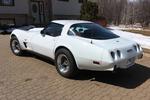
70 Stingray... 350 small block... 300 hp...
What brake fluid do I use? I am thinking Dot 4 or 5?
Is there a good/ better/ best way to bleed the brakes on this 70 Stingray? I read that the gravity method is best... jack the rear end up 15"... open all 4 bleeder valves... pour in the fluid... as each one starts leaking, tighten it up...when all four are tightened, the job is done. I've never done it like this before, so what do you say?
What brake fluid do I use? I am thinking Dot 4 or 5?
Is there a good/ better/ best way to bleed the brakes on this 70 Stingray? I read that the gravity method is best... jack the rear end up 15"... open all 4 bleeder valves... pour in the fluid... as each one starts leaking, tighten it up...when all four are tightened, the job is done. I've never done it like this before, so what do you say?
Burning Brakes


Joined: May 2013
Posts: 789
Likes: 129
From: Los Banos CA
I've never heard of bleeding that way either. I recommend either doing it 'old school' with someone pumping the brakes as you're opening/closing the bleeders, or get either a vacuum pump to suck the fluid thru, or get a pressure bleeder that pushes the fluid thru.
Just make sure that you always do the bleeders the farthest from the master cyl first (don't forget that there are TWO bleeders on EACH rear caliper). I usually go around the car twice, especially if I've replaced a brake line or caliper...but that might not be necessary.
For brake fluid, I think Dot 5 is silicone based, so it's not advisable to mix it with Dot 3 or 4. I usually just use Dot 3....unless you're planning to do something like autocross that heats up the brakes...
Just make sure that you always do the bleeders the farthest from the master cyl first (don't forget that there are TWO bleeders on EACH rear caliper). I usually go around the car twice, especially if I've replaced a brake line or caliper...but that might not be necessary.
For brake fluid, I think Dot 5 is silicone based, so it's not advisable to mix it with Dot 3 or 4. I usually just use Dot 3....unless you're planning to do something like autocross that heats up the brakes...
Pro

Joined: Dec 2011
Posts: 626
Likes: 15
From: Austin, TX
As far as I know, DOT5 is silicon based, stay away from it. You should use DOT 3
You need to pump the brake pedal until it becomes hard, hold it and in the meantime having someone opening the caliper bleeders until the pedal goes almost down. Do it on each wheel. You should better start for the rear side.
You need to pump the brake pedal until it becomes hard, hold it and in the meantime having someone opening the caliper bleeders until the pedal goes almost down. Do it on each wheel. You should better start for the rear side.
Pro
Joined: Dec 2011
Posts: 626
Likes: 15
From: Austin, TX
I've never heard of bleeding that way either. I recommend either doing it 'old school' with someone pumping the brakes as you're opening/closing the bleeders, or get either a vacuum pump to suck the fluid thru, or get a pressure bleeder that pushes the fluid thru.
Just make sure that you always do the bleeders the farthest from the master cyl first (don't forget that there are TWO bleeders on EACH rear caliper). I usually go around the car twice, especially if I've replaced a brake line or caliper...but that might not be necessary.
For brake fluid, I think Dot 5 is silicone based, so it's not advisable to mix it with Dot 3 or 4. I usually just use Dot 3....unless you're planning to do something like autocross that heats up the brakes...
Just make sure that you always do the bleeders the farthest from the master cyl first (don't forget that there are TWO bleeders on EACH rear caliper). I usually go around the car twice, especially if I've replaced a brake line or caliper...but that might not be necessary.
For brake fluid, I think Dot 5 is silicone based, so it's not advisable to mix it with Dot 3 or 4. I usually just use Dot 3....unless you're planning to do something like autocross that heats up the brakes...
 it seems we were writting at the same time.

Team Owner


Joined: May 2001
Posts: 87,375
Likes: 1,593
From: Western NY
70 Stingray... 350 small block... 300 hp...
What brake fluid do I use? I am thinking Dot 4 or 5?
Is there a good/ better/ best way to bleed the brakes on this 70 Stingray? I read that the gravity method is best... jack the rear end up 15"... open all 4 bleeder valves... pour in the fluid... as each one starts leaking, tighten it up...when all four are tightened, the job is done. I've never done it like this before, so what do you say?
What brake fluid do I use? I am thinking Dot 4 or 5?
Is there a good/ better/ best way to bleed the brakes on this 70 Stingray? I read that the gravity method is best... jack the rear end up 15"... open all 4 bleeder valves... pour in the fluid... as each one starts leaking, tighten it up...when all four are tightened, the job is done. I've never done it like this before, so what do you say?

Instructor
Joined: Feb 2013
Posts: 121
Likes: 4
From: MD
Like previous posters, DOT 3 is what you need along with bleeding "old school" or vacuum extractor. I've had the best luck using those methods. Jacking the back end up helps air come out of the master cylinder primary and secondary pistons. Which unless it's a new master, reservoirs been dry or had lines removed probably not an issue.

Is my vette stock?? HAHA


Joined: Oct 2015
Posts: 20,216
Likes: 9,354
From: Im not allowed to tell you
2020 C3 of the Year Finalist - Modified
2020 Corvette of the Year Finalist (performance mods)
2019 C3 of Year Winner (performance mods)
2016 C3 of Year Finalist
dot 3, s second person and lots of manual pumping, or a power bleeder if you want to be quick about it. Theres a recent brake thread and a member used a harbor frieght compressor powered vacuum brake bleeding system
Le Mans Master


Joined: Oct 2005
Posts: 6,247
Likes: 471
From: Glen Allen, VA
Do a search here for Motive Brake Bleeder. It's a pressure brake bleeding system, and it's what I use and swear by. I didn't know my brakes could work as good as they did once I first used it. Many people swear by it.
Corvette Stories
The Best of Corvette for Corvette Enthusiasts

Top 10 Most Expensive Corvettes Ever Sold on Bring A Trailer
Brett Foote
10 Things Every Corvette Owner Needs (2026 Edition)
Michael S. Palmer
8 Most "Only Corvette Owners Understand" Quirks and Problems
Pouria Savadkouei
10 Reasons the C6 Z06 is Still A Performance Benchmark After 20 Years
Joe Kucinski
How Much Horsepower Every Corvette Engine "LOST" in 1972
Joe Kucinski
Top 10 DOs and DON'Ts for Protecting Your Convertible Top!
Michael S. Palmer
Top 10 Most Explosive Corvettes Ever Made: Power-to-Weight Ratio Ranked!
Joe Kucinski
150 hp to 1,250 hp: Every Corvette Generation Compared by the Specs That Matter
Joe Kucinski
8 Coolest Corvette Pace Cars (and Replicas) of All Time
Verdad Gallardo
Team Owner
Joined: May 2001
Posts: 87,375
Likes: 1,593
From: Western NY

However, I don't fill the Motive jug with brake fluid. I just use it to pressurize the brake lines. Why? Because when you have fluid in the jug, and disconnect either the adapter from the m/c, or the "quick disconnect" from the pressure line, it's quite possible to get some splashing of brake fluid.
By using the Motive unit just for pressurization, there's no chance of fluid going astray. Yes, you will have to keep an eye on the fluid level in the m/c, and probably have to top it off a couple of times, during the process, but I'd rather do that, than chance having fluid damage my car's finish.
Just my $0.02 worth.....

Melting Slicks


Joined: Sep 2006
Posts: 2,815
Likes: 470
From: Wichita Kansas
If you are in no hurry, I would gravity bleed them. No fuss and hardly any brake fluid on the hands, floors, etc. I always had brake fluid hands when I tried the other methods. And don't forget to tap the calipers a few times with a rubber hammer or something to help trapped air bubbles escape..... and keep an eye on the master cylinder, don't let it got dry. I did one bleeder screw at a time...........best of luck.....


Burning Brakes

Joined: Jan 2010
Posts: 884
Likes: 84
From: New Boston, NH
Motive is the way to go. Ditch the chain set up though for the master cylinder adapter. Just get a large C clamp instead. That will help you to quickly get a good seal to start with. If you follow the correct order and gently tap the calipers with a mallet, you will quickly bleed your brakes and have an amazing peddle.Good luck.


Racer
Joined: Oct 2013
Posts: 254
Likes: 3
From: Tampa Bay Florida
"Gravity method?"
70 Stingray... 350 small block... 300 hp...
What brake fluid do I use? I am thinking Dot 4 or 5?
Is there a good/ better/ best way to bleed the brakes on this 70 Stingray? I read that the gravity method is best... jack the rear end up 15"... open all 4 bleeder valves... pour in the fluid... as each one starts leaking, tighten it up...when all four are tightened, the job is done. I've never done it like this before, so what do you say?
What brake fluid do I use? I am thinking Dot 4 or 5?
Is there a good/ better/ best way to bleed the brakes on this 70 Stingray? I read that the gravity method is best... jack the rear end up 15"... open all 4 bleeder valves... pour in the fluid... as each one starts leaking, tighten it up...when all four are tightened, the job is done. I've never done it like this before, so what do you say?
As for that other pearl of wisdom about "gravity bleeding," (
 ) I'd not take any further advice from that source. If you simply open the bleeders to drain the older fluid, it's a cinch that air is getting in. Even if you open the top of the master cylinder, air is sure to get in and in the meantime the fluid in the master is sucking up moisture like a sponge. To me, the old "pump it up, hold it down" method is most thorough.

Drifting

Joined: Jul 2015
Posts: 1,765
Likes: 254
From: Catlett VA
While you area at it, invest in Speed Bleeders for each caliper. If you have not used them, they replace the bleeder screw and have a one-way check valve that lets fluid out, but does not let air back in. Last time I bought them they were about $7 each.

Team Owner

Joined: Jun 2001
Posts: 23,375
Likes: 1,067
From: Virginia USA
I use DOT 5 as it's hydrophobic meaning it repels moisture i.e. water. I've not had any problems with DOT 5 and it won't eat your paint. Just don't mix it with other types. This is a good time to switch over if your system is completely dry. If your car sits for a long time it's best to use DOT 5 to keep the moisture out of the system and causing corrosion. Just saying.
Bleeding, I've always done it old school. Have a partner pump the brakes opening and closing the bleeders. And as suggested start at the right rear, then left rear, right front, left front. Should take no more than an hour to finish.
Bleeding, I've always done it old school. Have a partner pump the brakes opening and closing the bleeders. And as suggested start at the right rear, then left rear, right front, left front. Should take no more than an hour to finish.
Thread Starter
Instructor
Joined: Feb 2015
Posts: 234
Likes: 12
I appreciate all the input. Wow, this car has two bleeder valves per brake. I wonder why? You also have to take the wheels off, it seems. 1)Ok, I need to make a correction. With gravity bleeding, you do not jack up the rear, but the front, 15", so the front brakes are just below the bottom of the master cylinder. 2) My master cylinder is brand new with no fluid. Is this the time to switch to Dot 5 since it won't collect water & it doesn't harm the paint? 3) Who uses speed bleeders? They look neat if they work well. 4) If I choose to bleed the brakes with another person, do I bleed both valves on each brake at the same time? 5) I will check out th power bleeder. Thanks again!

Burning Brakes
Joined: Sep 2006
Posts: 1,071
Likes: 86
From: Rotonda FL
70 Stingray... 350 small block... 300 hp...
What brake fluid do I use? I am thinking Dot 4 or 5?
Is there a good/ better/ best way to bleed the brakes on this 70 Stingray? I read that the gravity method is best... jack the rear end up 15"... open all 4 bleeder valves... pour in the fluid... as each one starts leaking, tighten it up...when all four are tightened, the job is done. I've never done it like this before, so what do you say?
What brake fluid do I use? I am thinking Dot 4 or 5?
Is there a good/ better/ best way to bleed the brakes on this 70 Stingray? I read that the gravity method is best... jack the rear end up 15"... open all 4 bleeder valves... pour in the fluid... as each one starts leaking, tighten it up...when all four are tightened, the job is done. I've never done it like this before, so what do you say?
Team Owner
Joined: May 2001
Posts: 87,375
Likes: 1,593
From: Western NY
I appreciate all the input. Wow, this car has two bleeder valves per brake. I wonder why? You also have to take the wheels off, it seems. 1)Ok, I need to make a correction. With gravity bleeding, you do not jack up the rear, but the front, 15", so the front brakes are just below the bottom of the master cylinder. 2) My master cylinder is brand new with no fluid. Is this the time to switch to Dot 5 since it won't collect water & it doesn't harm the paint? 3) Who uses speed bleeders? They look neat if they work well. 4) If I choose to bleed the brakes with another person, do I bleed both valves on each brake at the same time? 5) I will check out th power bleeder. Thanks again!
Good luck!

Racer
Joined: Dec 2006
Posts: 417
Likes: 40
From: Swansea IL
If this is your first time bleeding a completely empty/new brake system on a C3 Corvette, the best advice I can give you is to have someone with experience help you.
This can be a character building experience and not for the rookie mechanic!
First, as has been suggested, you need to bench bleed the MC. Getting all the air out of this unit is paramount to any success.
If you choose DOT 5 silicone fluid (nothing wrong with that as it will perserve the internal surfaces of your brake system if you don't drive the car a lot) know that you have to be careful when adding fluid to either the MC or your pressure bleeder. Being more viscus (thicker) any air bubbles you introduce will stay in the fluid longer and contribute to a "Spongy" pedal. Be careful here.
Now to the caipers. Remove the bleeders. Make sure that you bench (hand) fill each caliper. With the caliper vertical, the bleeder hole vertical, fill the caliper while you are slowly working eaching piston in and out. Do this with each piston until there are no bubbles coming from the caliper bleeder port. Start with the bottom pistons and work up.
You need to cap off the individual brake lines so that fluid does not flow out from the master cylinder. Once you connect the caliper to its fluid line, you can begin the bleeding process.
If you use one of the mity-vac units, make sure that you use some teflon tape on the threads of the bleeders. Otherwise the vac will suck air right past the threads and you will never know if you are getting straight fluid or there is still air coming from the lines and caliper.
The gravity method is OK for flushing new fluid thru the syteem. THis can be used only once the brakes have been bleed and were working properly. Gravity won't get the air that is trapped in the calipers during a new fill.
When they filled the systems on the assembly line in St. Louis, the applied a vacuum to the system and then used a pressure bleeder to install the fluid. That ensured that no air was trapped in the system.
Good luck with your learning experience.
This can be a character building experience and not for the rookie mechanic!
First, as has been suggested, you need to bench bleed the MC. Getting all the air out of this unit is paramount to any success.
If you choose DOT 5 silicone fluid (nothing wrong with that as it will perserve the internal surfaces of your brake system if you don't drive the car a lot) know that you have to be careful when adding fluid to either the MC or your pressure bleeder. Being more viscus (thicker) any air bubbles you introduce will stay in the fluid longer and contribute to a "Spongy" pedal. Be careful here.
Now to the caipers. Remove the bleeders. Make sure that you bench (hand) fill each caliper. With the caliper vertical, the bleeder hole vertical, fill the caliper while you are slowly working eaching piston in and out. Do this with each piston until there are no bubbles coming from the caliper bleeder port. Start with the bottom pistons and work up.
You need to cap off the individual brake lines so that fluid does not flow out from the master cylinder. Once you connect the caliper to its fluid line, you can begin the bleeding process.
If you use one of the mity-vac units, make sure that you use some teflon tape on the threads of the bleeders. Otherwise the vac will suck air right past the threads and you will never know if you are getting straight fluid or there is still air coming from the lines and caliper.
The gravity method is OK for flushing new fluid thru the syteem. THis can be used only once the brakes have been bleed and were working properly. Gravity won't get the air that is trapped in the calipers during a new fill.
When they filled the systems on the assembly line in St. Louis, the applied a vacuum to the system and then used a pressure bleeder to install the fluid. That ensured that no air was trapped in the system.
Good luck with your learning experience.