When you click on links to various merchants on this site and make a purchase, this can result in this site earning a commission. Affiliate programs and affiliations include, but are not limited to, the eBay Partner Network.
The vent on the Aeromotive Phantom Pump - manual said the vent should be 6" above the tank and use a roll over valve. In a Vette to do this the vent would have to be a couple of inches above the rear deck!!!
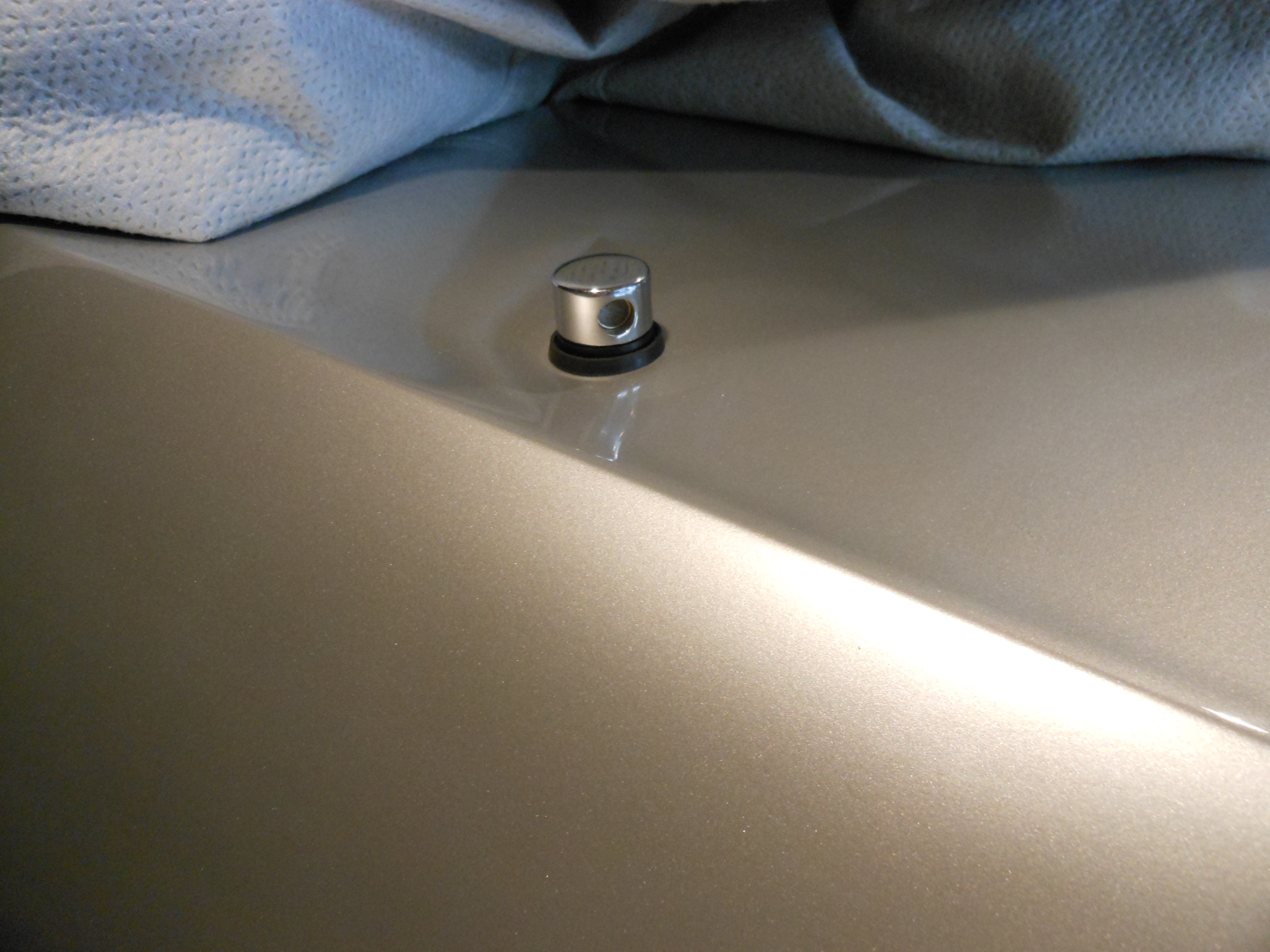
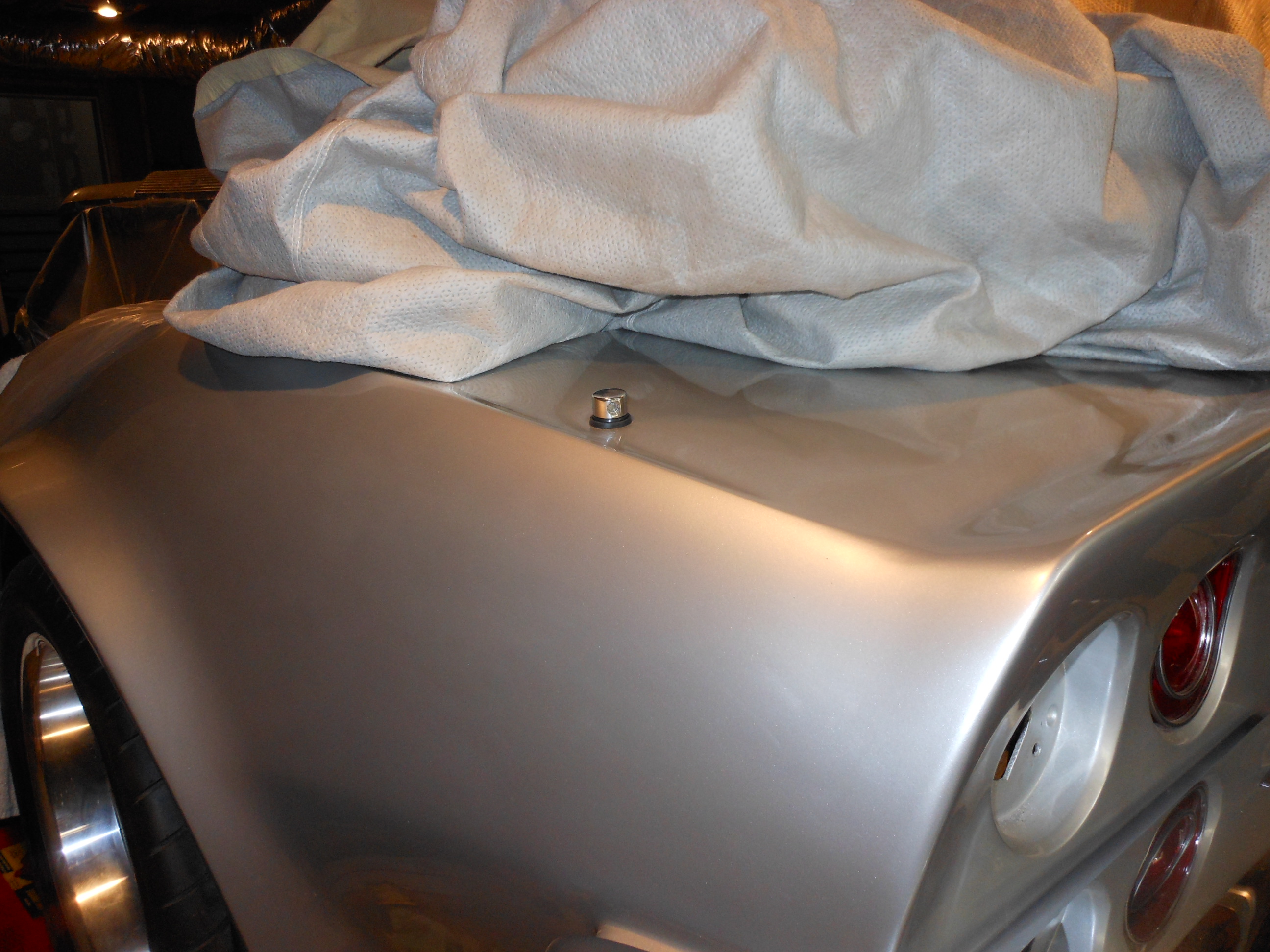
So I added a roll over valve- connected it to a charcoal canister and then a vent used in marine applications placed in the antenna hole. I also ended up going w/ Russel Synthetic rubber hoses to hopefully stop the permeation of the ethanol in the gas - and gas smells.
roll over valve
Vent for boat hulls-
Vent in the antenna hole-
Attwood who makes the thru hull vent you are using also makes several that are flush to the mounting surface.
Amarine charcoal canister to eliminate any fuel fumes emitting into the garage or around the car.
I did the same thing as Rich for the vent, I'm running a Tanks inc tank. Don't need an antenna. Made my own charcoal canister and no fumes my gas lines are also PTFE lined.
Here's what I did-
The vent on the Aeromotive Phantom Pump - manual said the vent should be 6" above the tank and use a roll over valve. In a Vette to do this the vent would have to be a couple of inches above the rear deck!!
So I added a roll over valve- connected it to a charcoal canister and then a vent used in marine applications placed in the antenna hole. I also ended up going w/ Russel Synthetic rubber hoses to hopefully stop the permeation of the ethanol in the gas - and gas smells.
roll over valve
Vent for boat hulls-
Vent in the antenna hole-
Attwood who makes the thru hull vent you are using also makes several that are flush to the mounting surface.
Amarine charcoal canister to eliminate any fuel fumes emitting into the garage or around the car.
Thank you for the pics and details. That is the route I am going to go. Works well because the antenna needs to be replaced along with antenna motor anyway.
question .. what did you do in place of an antenna? Or do modern radios not need one anymore?
Originally Posted by nyciti
I did the same thing as Rich for the vent, I'm running a Tanks inc tank. Don't need an antenna. Made my own charcoal canister and no fumes my gas lines are also PTFE lined.
What did you do for antenna?
Originally Posted by Yadkin
Your '81 gas tank was sealed, venting to a carbon canister under the hood on the driver's side. Why not use that?
All deleted from the engine bay to clean it up as much as possible for the LS7 swap so we have to figure something else out
Thank you for the pics and details. That is the route I am going to go. Works well because the antenna needs to be replaced along with antenna motor anyway.
question .. what did you do in place of an antenna? Or do modern radios not need one anymore?
What did you do for antenna?
No radio for me- I have sidepipes!!! That's music to my ears!!!
There are a lot of options as far as hidden antennas- plus the car being fiberglass you can hide it underneath the body panels-
All deleted from the engine bay to clean it up as much as possible for the LS7 swap so we have to figure something else out
No matter. Get a canister about the same size and mount it in that approximate location. There is plenty of room inside the fender behind the drivers side front wheel. Then you can re-rouet a new steel vent line as the factory had originally done, rubber hoses for your final connections. Pay attention to how Chevy did it because a big issue is keeping liquid fuel out of it.
I've done retrofits before and had to install a small (a pint or quart sized) slosh tank above and plumbed to drain by gravity to the fuel tank. Then vent the top of the slosh tank to the carbon canister. I just purged the canister to the air cleaner downstream of the air filter, no valves or devises, and it works nicely.
For what it's worth, I am running EFI on my 78 and using the OE charcoal canister with great success. It was already plumbed in, so not a huge deal for me to keep it. My system is return-style, AN -6 lines for feed and return on the passenger side frame rail, the OE lines from the engine bay back to the tank on the driver's side rail. I have the Phantom unit, like Richard454. I kept the stock sending unit for the return fitting and gauge reading, and added the phantom bulkhead towards the passenger side of the top of the fuel tank.
If I go LS in the future, I'd stick with the OE canister until I need to source a replacement and figure it out from there.
I made a canister out of an overfill tank and stuffed it with the charcoal sheets, you can get them off amazon for like 10 bucks. I didn't have room under my hood so mine is tucked by the tank above the spare tire.
I made a canister out of an overfill tank and stuffed it with the charcoal sheets, you can get them off amazon for like 10 bucks. I didn't have room under my hood so mine is tucked by the tank above the spare tire.
Any chance you can draw out your line routing diagram from tank to canister and canister to antenna vent? That would help out a ton
Here you go- mine is a full return system- regulator is on the fuel rail-
The other thing- I recommend- is a "pass through fuel cap"- less than $20- Helps big time when filling up at the gas station- as the pump doesn't shut off all the time.
Better off venting the canister to the air cleaner, between the element and the throttle body.
IF you can run the line HIGHER than the tank...
" If you are running a vent line it is important that the line is ran higher than the highest point on the tank including the fuel filler neck. Also, the vent line cannot have a dip in it where fuel or condensation can get trapped in the line. If fuel becomes trapped in the line your tank will then build pressure or vacuum until there is enough pressure to purge the vent which will cause gas and/or odor to come from the vent line. If enough pressure builds up damage could be caused to your tank."
You have to run it higher regardless of how you have it vented. And include some type of surge system to keep liquid out of the vent.
I'm saying- running it all the way to the front of the car -it'd be really tough to keep the line above the tank w/o a dip in it- where fuel or condensation can occur-
Designer Imagines A Corvette That Looks More Like a Corvette Than the Corvette
Slideshow: A Jaguar designer's personal project imagines what a modern front-engined Corvette might look like if Chevrolet revisited the golden age of the Stingray.







 LS swap fuel tank vent question