When you click on links to various merchants on this site and make a purchase, this can result in this site earning a commission. Affiliate programs and affiliations include, but are not limited to, the eBay Partner Network.
It all started with me checking wheel bearings and replacing the dust cover. 3 calipers later and here I am...
I noticed the newer (5 months, maybe 500 miles) brake caliper was leaking. A small amount but leaking none the less. Went to NAPA for a free replacement, which leaked as soon as i installed it. Back to NAPA for number 3. Seems good except. There's a leak coming from the threads where the brake line goes into the caliper, this wasn't an issue before. I replaced the copper washer which reduced the leak but still leaks. I think i'll try another washer later and cross my fingers.
Here's the question. Is there anything i can do to the threads to fix the small leak? i don't use teflon tape on brake line cause well, you're not supposed to but is that a good idea? Something else i can put on the threads or.... is this just the threads in the caliper that are gummed up and i need to go for #4 caliper? Thoughts?
Putting anything on the threads is a waste of time as the sealing surface is the inside of the flair of the tube. You can buy one of these to dress the tubes and/or get a small copper washer, anneal it (soften it) and place it between the tube and the fitting.
You can often seal a leak by loosening and retightening the nut a couple of times....also try to ensure the flare goes onto the inverted flare squarely...if you know what I mean....
If it's leaking under the copper washer, replace the washer....soft copper should seal it up nicely.
You can’t approach a brake system leak the same as you would a coolant hose or a fuel line. The factory tested brake line pressures to 1,600 psi (per the AIM), so that gives you an idea of the pressure you are dealing with. Sealing surfaces have to be in very good condition, good angles and dimensions on the flares, everything nice and clean, etc.
Front calipers from good stores come with a "crush" washer made of very soft copper. If its not in the caliper box inquire why.
I had a store give me a plain ol' copper washer. It has to a crusher washer.
Supposedly, you are to only use that washer once. But I have used them twice.
I suspect you are not getting good torque on the hose fitting. An old trick was to put the caliper in a bench vise, install the hose, and really put the muscle to it.
You won't break anything. You have to crush the washer with torque.
When I took the calipers off of my 1968 C3 I ended up disassembling the halves and cleaning both halves before rebuilding them with the newer style of seals (O-ring). I used a small hone and cleaned up the bores before reassembly. Whenever I work on an important part it makes sense to clean the threads. I then painted the parts and reassembled the calipers where Torquing the bolt to a factory Spec is required. I changed all four brake hoses with the Stainless steel jacket hoses and put the car back together without any leakage. It is getting to be time to do it again just to keep them in their prime.
One very important maintenance item is BLEEDING YOUR BRAKES at least every five years. If the fluid sits it sucks in water and it will rust your brake lines out from the inside at the lowest point in the brake system. There is little as exciting as pushing the pedal and have it go to the floor.
ctmccloskey brings up a good point about freshness of DOT3.
Some of us hate flushing the entire brake system. But here is something that is easy & cheap to do at the beginning of each driving season. It's not a good as a complete flush, but better than doing nothing at all.
Buy the smallest bottle of DOT3 you can find. Buy a turkey baster from a dollar store.
Remove the master cyl lid. Starting in one reservoir, remove old brake-fluid and dump into a water bottle for garbage. As you remove old stuff poor fresh fluid in.
Then do the other reservoir. At no time should you ever allow the MC to run dry or exposed the bottom little ports to air.
Within a few minutes both reservoirs will be crystal clear.
Snap the lid on and you are good to go until a complete flush, someday.
Last edited by HeadsU.P.; Jan 23, 2024 at 03:25 PM.





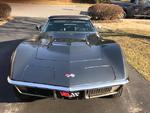


 Leaky Brake lines