



problems idling engine

Thread Starter
Advanced

Joined: Feb 2009
Posts: 92
Likes: 0
From: Little Rock AR
 problems idling engine
i've been having problems keeping my engine running without it dying out. Just recently i changed my MAF sensor and it worked. The problem is that the engine wont idle and dies out. I keep starting it and until around the 4th or 5th time the engine starts and idles around 800 rpms only after the rpms drop to 2 - 3 hundred rpms and slowly struggles and sputters up to 800 and stabalizes at that range. Any time afterwards i start the engine it idles finally but at 800 rpms which i dont think is the norm. Now if i dont mess with it and start it the next day the problem repeats itself. So my question is what can i do to actually make it idle correctly and keep the engine running the first time that i start it rather than the the 4th or 5th time?

Safety Car


Joined: Jan 2008
Posts: 3,939
Likes: 1
From: Vero Beach Florida
When you changed MAF did you replace relays? What year & miles on car? When you had MAF off did you look at TB to see if it's dirty and make sure butterfly is closing & not hanging open? Was the car throwing a MAF code? Did you set the TPS to adjust base idle?
Last edited by floridamale; Apr 24, 2009 at 01:29 PM.
Thread Starter
Advanced
Joined: Feb 2009
Posts: 92
Likes: 0
From: Little Rock AR
well i just replaced the IAC vlv which the old was was blown out. It was covered in black and it was stuck. I installed the new one and now the car idles at the 1st or 2nd try and the rpms went up by a 100 so now its at 900 rpms. and doesnt seem to shake as much as it did before, just slightly now but i would still like to get it to start on the first time. I didnt replace the relays and its not throwing any MAF sensor codes at all. also the rpms no longer drop to 2 - 3 hundred and make their way up again. it just stops at 900 rpms.
Last edited by sceptor98; Apr 25, 2009 at 12:14 AM.
Thread Starter
Advanced
Joined: Feb 2009
Posts: 92
Likes: 0
From: Little Rock AR
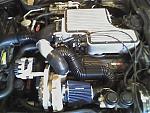
i'll replace the relays both MAF and Fuel and also another thing to know maybe u might be able to help me on this, inside the engine bay i hear something open like a solenoid it makes a mechanical whirring sound and what ever it is after that sound the engine seems to idle, any idea of what that could be?
Melting Slicks

Joined: Aug 2003
Posts: 3,399
Likes: 394
From: Lakeville MI
86 Auto trans cars should idle at 550 rpm in gear, or 600 in park/neutral with warm coolant temps.
If its idling at 900 rpm, you have too much throttle opening.
Reset the min air to achieve approx. 500-550 rpm in gear with the IAC closed.
If its idling at 900 rpm, you have too much throttle opening.
Reset the min air to achieve approx. 500-550 rpm in gear with the IAC closed.
Corvette Stories
The Best of Corvette for Corvette Enthusiasts

Top 10 Most Expensive Corvettes Ever Sold on Bring A Trailer
Brett Foote
10 Things Every Corvette Owner Needs (2026 Edition)
Michael S. Palmer
8 Most "Only Corvette Owners Understand" Quirks and Problems
Pouria Savadkouei
10 Reasons the C6 Z06 is Still A Performance Benchmark After 20 Years
Joe Kucinski
How Much Horsepower Every Corvette Engine "LOST" in 1972
Joe Kucinski
Top 10 DOs and DON'Ts for Protecting Your Convertible Top!
Michael S. Palmer
Top 10 Most Explosive Corvettes Ever Made: Power-to-Weight Ratio Ranked!
Joe Kucinski
150 hp to 1,250 hp: Every Corvette Generation Compared by the Specs That Matter
Joe Kucinski
8 Coolest Corvette Pace Cars (and Replicas) of All Time
Verdad Gallardo
Le Mans Master


Joined: Sep 2006
Posts: 6,050
Likes: 147
From: Phoenix AZ
2021 C4 of the Year - Modified Finalist
I have an 86 auto, and the only whirring thing has 350 cubic inches........ what's that rumbling noise?
Seriously, whirring........hmmmm well, maybe your injectors sound like that.
Well, letsee, there's the fuel purge solenoid, the egr valve solenoid, the diverter valves, the electric fan, the aux fan, the fuel pump relay, the heater blower motor, alternator, smog pump, water pump, belt tensioner, power steering pump, power brake check valve, distributor, nope can't think of a thing.
OH WAIT!!!!
Check your harmonic dampener. If your whirring is from up there, try shining a light on it, and if you see a round rusted hub then the balancer ring is scraping your timing cover,That's the whirring.
but seriously seriously,flat out serious, maybe the fuel pump is noisy, and you can hear it when the engine is idling.
I'm sorry, I'm still laughing
what's that rumbling noise?Seriously, whirring........hmmmm well, maybe your injectors sound like that.
Well, letsee, there's the fuel purge solenoid, the egr valve solenoid, the diverter valves, the electric fan, the aux fan, the fuel pump relay, the heater blower motor, alternator, smog pump, water pump, belt tensioner, power steering pump, power brake check valve, distributor, nope can't think of a thing.
OH WAIT!!!!
Check your harmonic dampener. If your whirring is from up there, try shining a light on it, and if you see a round rusted hub then the balancer ring is scraping your timing cover,That's the whirring.
but seriously seriously,flat out serious, maybe the fuel pump is noisy, and you can hear it when the engine is idling.
I'm sorry, I'm still laughing
Last edited by coupeguy2001; Apr 25, 2009 at 09:33 PM.
Safety Car
Joined: Jan 2008
Posts: 3,939
Likes: 1
From: Vero Beach Florida
I have a 87 & when you turn key on before starting I can hear a whirling like sound from my IAC as it sets into position but once car has started I just hear the motor. Dose the sound continue after starting car or before?

Race Director

Joined: Aug 2006
Posts: 18,346
Likes: 1
From: D / FW
On the LT [ you didn't state the year ] engines there is a procedure to reset the Idle Air Control after replacing it or unplugging it and turning on the key.
Your FSM or some kind mechanic might chime in as you are the third one today with this issue. The others were LT but I think the early LS 1 are the same.
Any one got the sequence for resetting the IAC after removing or unplugging it.
Another guy in General has the same issues and I can remember most but not all.
Un plug IAC start and idle a minute then kill motor, plug back in turn key on ten seconds then off then start and run normally.
I think thats how it goes but my FSM is 400 miles away at home.
I would try to find out for sure before doing it because I'm winging it and it's not something you have to do every day.
My LT 4 is a 383 forged beast which I have only done the procedure twice on it but it sure made the beast idle better
Your FSM or some kind mechanic might chime in as you are the third one today with this issue. The others were LT but I think the early LS 1 are the same.
Any one got the sequence for resetting the IAC after removing or unplugging it.
Another guy in General has the same issues and I can remember most but not all.
Un plug IAC start and idle a minute then kill motor, plug back in turn key on ten seconds then off then start and run normally.
I think thats how it goes but my FSM is 400 miles away at home.
I would try to find out for sure before doing it because I'm winging it and it's not something you have to do every day.
My LT 4 is a 383 forged beast which I have only done the procedure twice on it but it sure made the beast idle better
Safety Car
Joined: Jan 2008
Posts: 3,939
Likes: 1
From: Vero Beach Florida
I have this from on here a while back, about the same as in my FSM
Corvette 1989 - 350 TPI Engine
Setting Base Idle Speed (using 89 GM Helms Manual)
If this has not been done on your car before, a pressed-in plug will cover the adjusting screw. It’s located on the driver’s side of the throttle body. Remove this plug by using a small punch. Impact the plug (lightly) on the edge of its face and this will allow its removal.
1. Start the car and let the engine warm up to its operating temperature. (It is suggested that you make sure the timing of the engine is set to specification prior to doing this procedure.) During this step, the engine should be in closed loop operation and all electrical accessories INCLUDING COOLING FANS should be off. Shut off the engine after it is warmed up.
2. Turn ignition switch to ON, but do not start engine. Adjust the Throttle Position Sensor to .54 +/- .08 volts using a digital meter. There are 3 wires stacked vertically on the TPS. You will need to be able to measure the voltage between the two top wires. You can either buy a special harness connector that breaks these wires out (from Mid America costing $12), or gently pierce the insulation of the wires with the pointy prongs on your voltmeter. You can also stick a paper clip into each of the two top locations of the connector and clamp onto the paper clips to measure the voltage. The adjustment is accomplished using a Torx driver and loosening the two screws that hold the TPS to the throttle body. Then rotate the sensor either clockwise or counter clockwise (with the ignition on and engine not running) to obtain the .54 volt specification. Retighten the two TPS Torx screws to “lock in” the adjustment.
3. With the IAC connected and the ignition “OFF,” insert an Auto Zone tool (free upon request from Auto Zone) into the ALDL diagnostic connector terminals “A” to “B.” (These are the upper right two holes in the ALDL connector.) This grounds the ECM and places it into the diagnostic mode.
4. Turn the ignition to the “ON” position without starting the engine. Wait 30 seconds before doing step 5. Doing this forces the IAC pintle to the closed position (closes air passage) within the throttle body.
5. With the ignition still in the “ON” position, disconnect the IAC connector at the IAC valve. This connector has four wires and is located on the passenger side of the throttle body. This action prevents the ECM from controlling the idle speed using the IAC valve.
6. Turn ignition switch off!
7. Remove the Auto Zone tool from the diagnostic connector.
8. Disconnect the EST timing connector located just behind the driver’s side valve cover. This is necessary to prevent the ECM from attempting to adjust the timing as you adjust the idle speed. This will be a brown wire with a white stripe and easily separates using a small screwdriver to raise the locking tab. Failure to do this step will allow the ECM to control the idle and you will not be able to properly adjust the base idle.
9. Start the engine. The idle RPM will be very low, and you may have to coax the engine using the gas pedal or your hand and the throttle cable to keep it running. I find it useful to insert a small screwdriver between the end of the idle adjusting screw and the throttle body to keep the car running at this low idle point. HOWEVER, REMOVE THE SMALL SCREWDRIVER BEFORE MAKING THE FINAL IDLE ADJUSTMENT!!!
10. If your car is an automatic, set the parking brake and put the transmission in park. If your car is a manual, leave it in neutral.
11. Adjust the idle speed screw to obtain 425 +/-25 engine rpm. This will require a Torx tool to adjust the idle screw in the throttle body. As you adjust the idle screw to obtain the desire idle speed, you are changing the TPS voltage setting. The TPS will require re-adjustment in step 12. Make sure the cooling fans are not running while you make this adjustment.
12. Shut off the engine, re-connect the IAC and the EST timing connectors.
13.Turn on the ignition switch and do not start the engine. Reset the TPS to .54 +/-.08 volts as stated in step 2. Turn off engine.
14.Reset the IAC pintle position by:
a.Depress accelerator pedal slightly.
b.Start and run engine for about 5 seconds.
c.Turn off engine for 10 seconds.
d.Start engine and check for proper idle operation.
15. The idle speed of the engine should be in the 600 – 700 range per the ECM programming with all connections re-established and engine at operating temp.
You are now in adjustment on base idle speed and TPS output. Start the engine. It
may take a few minutes for the car to “catch on” or learn its new settings.
Revised by Bob Lamb 10/03 from a tech article written by Lars Grimsrud 10/01. These changes were required to align the Grimsrud article to the Helms GM manual for an 89 Corvette.
Corvette 1989 - 350 TPI Engine
Setting Base Idle Speed (using 89 GM Helms Manual)
If this has not been done on your car before, a pressed-in plug will cover the adjusting screw. It’s located on the driver’s side of the throttle body. Remove this plug by using a small punch. Impact the plug (lightly) on the edge of its face and this will allow its removal.
1. Start the car and let the engine warm up to its operating temperature. (It is suggested that you make sure the timing of the engine is set to specification prior to doing this procedure.) During this step, the engine should be in closed loop operation and all electrical accessories INCLUDING COOLING FANS should be off. Shut off the engine after it is warmed up.
2. Turn ignition switch to ON, but do not start engine. Adjust the Throttle Position Sensor to .54 +/- .08 volts using a digital meter. There are 3 wires stacked vertically on the TPS. You will need to be able to measure the voltage between the two top wires. You can either buy a special harness connector that breaks these wires out (from Mid America costing $12), or gently pierce the insulation of the wires with the pointy prongs on your voltmeter. You can also stick a paper clip into each of the two top locations of the connector and clamp onto the paper clips to measure the voltage. The adjustment is accomplished using a Torx driver and loosening the two screws that hold the TPS to the throttle body. Then rotate the sensor either clockwise or counter clockwise (with the ignition on and engine not running) to obtain the .54 volt specification. Retighten the two TPS Torx screws to “lock in” the adjustment.
3. With the IAC connected and the ignition “OFF,” insert an Auto Zone tool (free upon request from Auto Zone) into the ALDL diagnostic connector terminals “A” to “B.” (These are the upper right two holes in the ALDL connector.) This grounds the ECM and places it into the diagnostic mode.
4. Turn the ignition to the “ON” position without starting the engine. Wait 30 seconds before doing step 5. Doing this forces the IAC pintle to the closed position (closes air passage) within the throttle body.
5. With the ignition still in the “ON” position, disconnect the IAC connector at the IAC valve. This connector has four wires and is located on the passenger side of the throttle body. This action prevents the ECM from controlling the idle speed using the IAC valve.
6. Turn ignition switch off!
7. Remove the Auto Zone tool from the diagnostic connector.
8. Disconnect the EST timing connector located just behind the driver’s side valve cover. This is necessary to prevent the ECM from attempting to adjust the timing as you adjust the idle speed. This will be a brown wire with a white stripe and easily separates using a small screwdriver to raise the locking tab. Failure to do this step will allow the ECM to control the idle and you will not be able to properly adjust the base idle.
9. Start the engine. The idle RPM will be very low, and you may have to coax the engine using the gas pedal or your hand and the throttle cable to keep it running. I find it useful to insert a small screwdriver between the end of the idle adjusting screw and the throttle body to keep the car running at this low idle point. HOWEVER, REMOVE THE SMALL SCREWDRIVER BEFORE MAKING THE FINAL IDLE ADJUSTMENT!!!
10. If your car is an automatic, set the parking brake and put the transmission in park. If your car is a manual, leave it in neutral.
11. Adjust the idle speed screw to obtain 425 +/-25 engine rpm. This will require a Torx tool to adjust the idle screw in the throttle body. As you adjust the idle screw to obtain the desire idle speed, you are changing the TPS voltage setting. The TPS will require re-adjustment in step 12. Make sure the cooling fans are not running while you make this adjustment.
12. Shut off the engine, re-connect the IAC and the EST timing connectors.
13.Turn on the ignition switch and do not start the engine. Reset the TPS to .54 +/-.08 volts as stated in step 2. Turn off engine.
14.Reset the IAC pintle position by:
a.Depress accelerator pedal slightly.
b.Start and run engine for about 5 seconds.
c.Turn off engine for 10 seconds.
d.Start engine and check for proper idle operation.
15. The idle speed of the engine should be in the 600 – 700 range per the ECM programming with all connections re-established and engine at operating temp.
You are now in adjustment on base idle speed and TPS output. Start the engine. It
may take a few minutes for the car to “catch on” or learn its new settings.
Revised by Bob Lamb 10/03 from a tech article written by Lars Grimsrud 10/01. These changes were required to align the Grimsrud article to the Helms GM manual for an 89 Corvette.
Thread Starter
Advanced
Joined: Feb 2009
Posts: 92
Likes: 0
From: Little Rock AR
The sound actually starts after i start the car and its pretty loud. I've never heard it since after i installed that new IAC but i dont know if thats the IAC opening or not cuz it sounds like its scraping against metal. I know how the fuel pump sounds so i know for sure as hell that that isnt the fuel pump. When i start the car its having rough time idleing and just before it idles at 900 rpms i hear that sound for 2 secs then it stops and the engine idles.
