


a/c compressor question
Thread Starter
Drifting

Joined: Feb 2009
Posts: 1,302
Likes: 2
From: colchester CT
 a/c compressor question
I turned on my a/c for the first time this year and only got warm air. I found the electrical connector to the compressor had come off. I reconnected and the ac works fine. Problem now is that I get a real heavy vibration in the gas pedal every time I give it gas. The exhaust note/sound also seems much louder under acceleration. The car did not have this problem prior to reconnecting compressor and when I disconnected the compressor the problem went away. Any thoughts or advice would be appreciated. Its an 86. Thanks guys

Racer


Joined: Sep 2002
Posts: 407
Likes: 0
From: Alma AR
You might want to open the hood, start the car and then connect the compressor again to see if the engine is vibrating too much. It sounds like either an out of balance problem or a compressor that's hard for the motor to spin.

Safety Car


Joined: Dec 2007
Posts: 3,616
Likes: 5
From: Sandhills of North Carolina

Similar issue here. I can feel mine put a load on the motor when I'm running 60 or whenever the compressor kicks in. It also cycles on and off a lot. It cools fairly well.

Le Mans Master

Joined: May 2006
Posts: 9,226
Likes: 9
From: Irvine Ca
If it cycles a lot......the coolant is low.
It sucks what is available in the low side.....pulls it down to the level where the switch that is there to protect it senses a low coolant level....then it kicks off. Once the coolant circulates back to a certain level, the limit switch allows the compressor to kick back on......and the cycle starts all over again.
Putting a single can back in will stop the rapid cycling.
It sucks what is available in the low side.....pulls it down to the level where the switch that is there to protect it senses a low coolant level....then it kicks off. Once the coolant circulates back to a certain level, the limit switch allows the compressor to kick back on......and the cycle starts all over again.
Putting a single can back in will stop the rapid cycling.
Melting Slicks

Joined: Feb 2008
Posts: 3,286
Likes: 6
From: Palm Beach
Tell me more about this low coolant level switch. How does it work?
If it cycles a lot......the coolant is low.
It sucks what is available in the low side.....pulls it down to the level where the switch that is there to protect it senses a low coolant level....then it kicks off. Once the coolant circulates back to a certain level, the limit switch allows the compressor to kick back on......and the cycle starts all over again.
Putting a single can back in will stop the rapid cycling.
It sucks what is available in the low side.....pulls it down to the level where the switch that is there to protect it senses a low coolant level....then it kicks off. Once the coolant circulates back to a certain level, the limit switch allows the compressor to kick back on......and the cycle starts all over again.
Putting a single can back in will stop the rapid cycling.

Le Mans Master

Joined: Sep 2006
Posts: 6,050
Likes: 147
From: Phoenix AZ
2021 C4 of the Year - Modified Finalist
The freon level is expected to be in an operating pressure range. when it's not, it can damage certain components. GM installed a low pressure switch to prevent damaging the compressor when some freon has leaked out, and a high pressure switch to protect the tubes, hoses, compressor, evaporator and condenser from rupturing.
When the freon is low, the low press. switch is in line with the compressor clutch relay coil ground, and prevents it from engaging the clutch. basically the same happens with the high pressure switch.
when the compressor cycles, initially, all the system pressure on the high side and the low side is equal. this pressure should be ample to turn on the compressor because it was enough to trip the low pressure switch. when the freon goes through the condenser, and is cooled, the pressure drops, and the low pressure switch opens, dropping out the ground to the clutch relay. Then with the compressor shut off momentarily, the pressure rises back to where it was initially, with the low side and the high side pressure equal, and again it is enough for the low pressure switch to trip. It will cycle like that until someone adds freon. On a cold day,if the pressure is low enough, the low pressure switch stays open, and the compressor doesn't even turn. You have to jump the low pressure switch to get it to engage if it's really low. Jumpering the low pressure switch is just for testing purposes only, and shouldn't be left like that or compressor damage will occur.
When the freon is low, the low press. switch is in line with the compressor clutch relay coil ground, and prevents it from engaging the clutch. basically the same happens with the high pressure switch.
when the compressor cycles, initially, all the system pressure on the high side and the low side is equal. this pressure should be ample to turn on the compressor because it was enough to trip the low pressure switch. when the freon goes through the condenser, and is cooled, the pressure drops, and the low pressure switch opens, dropping out the ground to the clutch relay. Then with the compressor shut off momentarily, the pressure rises back to where it was initially, with the low side and the high side pressure equal, and again it is enough for the low pressure switch to trip. It will cycle like that until someone adds freon. On a cold day,if the pressure is low enough, the low pressure switch stays open, and the compressor doesn't even turn. You have to jump the low pressure switch to get it to engage if it's really low. Jumpering the low pressure switch is just for testing purposes only, and shouldn't be left like that or compressor damage will occur.
Le Mans Master
Joined: May 2006
Posts: 9,226
Likes: 9
From: Irvine Ca
The freon level is expected to be in an operating pressure range. when it's not, it can damage certain components. GM installed a low pressure switch to prevent damaging the compressor when some freon has leaked out, and a high pressure switch to protect the tubes, hoses, compressor, evaporator and condenser from rupturing.
When the freon is low, the low press. switch is in line with the compressor clutch relay coil ground, and prevents it from engaging the clutch. basically the same happens with the high pressure switch.
when the compressor cycles, initially, all the system pressure on the high side and the low side is equal. this pressure should be ample to turn on the compressor because it was enough to trip the low pressure switch. when the freon goes through the condenser, and is cooled, the pressure drops, and the low pressure switch opens, dropping out the ground to the clutch relay. Then with the compressor shut off momentarily, the pressure rises back to where it was initially, with the low side and the high side pressure equal, and again it is enough for the low pressure switch to trip. It will cycle like that until someone adds freon. On a cold day,if the pressure is low enough, the low pressure switch stays open, and the compressor doesn't even turn. You have to jump the low pressure switch to get it to engage if it's really low. Jumpering the low pressure switch is just for testing purposes only, and shouldn't be left like that or compressor damage will occur.
When the freon is low, the low press. switch is in line with the compressor clutch relay coil ground, and prevents it from engaging the clutch. basically the same happens with the high pressure switch.
when the compressor cycles, initially, all the system pressure on the high side and the low side is equal. this pressure should be ample to turn on the compressor because it was enough to trip the low pressure switch. when the freon goes through the condenser, and is cooled, the pressure drops, and the low pressure switch opens, dropping out the ground to the clutch relay. Then with the compressor shut off momentarily, the pressure rises back to where it was initially, with the low side and the high side pressure equal, and again it is enough for the low pressure switch to trip. It will cycle like that until someone adds freon. On a cold day,if the pressure is low enough, the low pressure switch stays open, and the compressor doesn't even turn. You have to jump the low pressure switch to get it to engage if it's really low. Jumpering the low pressure switch is just for testing purposes only, and shouldn't be left like that or compressor damage will occur.
lastly, on a hot day, and after the engine compartment gets hot, the pressure in the low side line is raised just enough......
So the cycling only occurs when the motor is cold...
Corvette Stories
The Best of Corvette for Corvette Enthusiasts

150 hp to 1,250 hp: Every Corvette Generation Compared by the Specs That Matter
Joe Kucinski
8 Coolest Corvette Pace Cars (and Replicas) of All Time
Verdad Gallardo
Top 10 Corvette Engines RANKED by Peak Torque (70+ Years of Muscle!)
Joe Kucinski
Corvette ZR1X Will Be Pacing the Indy 500, And Could Probably Race, Too!
Verdad Gallardo
Top 10 Corvettes Coming to Mecum Indy 2026!
Brett Foote
Top 10 C9 Corvette MUST-HAVES to Fix These C8 Generation Flaws!
Michael S. Palmer
10 Revolutionary 'Corvette Firsts' Most People Don't Know
Joe Kucinski
5 Reasons to Upgrade to an LS6-Powered Corvette; 5 Reasons to Stay LT2
Michael S. Palmer
2027 Corvette vs The World: Every C8 vs Its Closest Competitor
Joe Kucinski
Melting Slicks
Joined: Feb 2008
Posts: 3,286
Likes: 6
From: Palm Beach

Le Mans Master
Joined: May 2006
Posts: 9,226
Likes: 9
From: Irvine Ca
it is merely a diaphragm that when the level of pressure drops.....it loses it's grounding contact and kills the electrical circuit.
It isn't a switch that you can depress or toggle by hand.
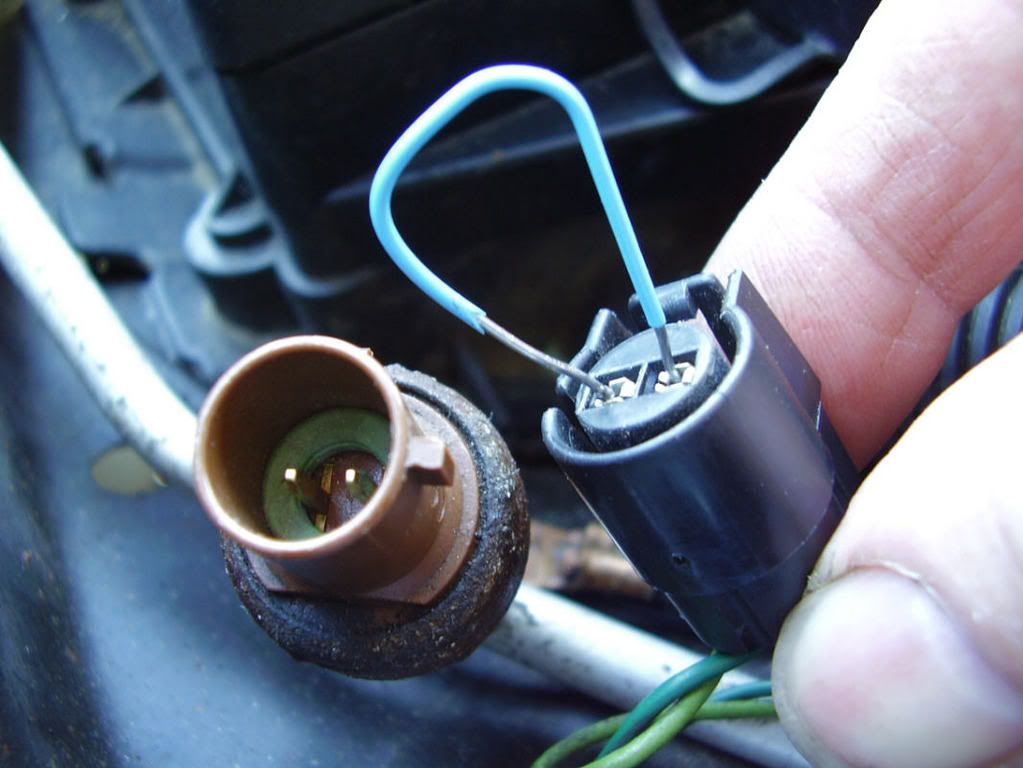
Lots of compressors will have a few wires plugged into the back of it......most likely that is the actual switch. You pull that plug and by using a wire that is where you jumper it to see if it is just low level or something else wrong.
It isn't a switch that you can depress or toggle by hand.
Lots of compressors will have a few wires plugged into the back of it......most likely that is the actual switch. You pull that plug and by using a wire that is where you jumper it to see if it is just low level or something else wrong.

Le Mans Master
Joined: May 2006
Posts: 9,226
Likes: 9
From: Irvine Ca


Melting Slicks
Joined: Nov 2005
Posts: 2,736
Likes: 0
From: WAY UPSTATE NY
Elrick.... Chevy put out a Dealer service bulletin in Sept. of 87 concerning this. #87-206 Number 1B
Moan or Vibration with A/C Running. It reccomended the installation of a power steering pump rear bracket and brace,P/N 10077573.
It was installed from rear of the compressor to the exhaust manifold.
Service Bulletin affected nearly all 85,86 &87 Corvettes.
Check to see if your compressor has a brace from the rear of the case the the exhaust manifold
Moan or Vibration with A/C Running. It reccomended the installation of a power steering pump rear bracket and brace,P/N 10077573.
It was installed from rear of the compressor to the exhaust manifold.
Service Bulletin affected nearly all 85,86 &87 Corvettes.
Check to see if your compressor has a brace from the rear of the case the the exhaust manifold
Thread Starter
Drifting
Joined: Feb 2009
Posts: 1,302
Likes: 2
From: colchester CT
Elrick.... Chevy put out a Dealer service bulletin in Sept. of 87 concerning this. #87-206 Number 1B
Moan or Vibration with A/C Running. It reccomended the installation of a power steering pump rear bracket and brace,P/N 10077573.
It was installed from rear of the compressor to the exhaust manifold.
Service Bulletin affected nearly all 85,86 &87 Corvettes.
Check to see if your compressor has a brace from the rear of the case the the exhaust manifold
Moan or Vibration with A/C Running. It reccomended the installation of a power steering pump rear bracket and brace,P/N 10077573.
It was installed from rear of the compressor to the exhaust manifold.
Service Bulletin affected nearly all 85,86 &87 Corvettes.
Check to see if your compressor has a brace from the rear of the case the the exhaust manifold

