Replacing Clutch Master Cylinder with OEM - Difficulty


Thread Starter
Racer

Joined: Jul 2016
Posts: 477
Likes: 134
 Replacing Clutch Master Cylinder with OEM - Difficulty
Greetings. I plan on replacing my clutch MC with the updated OEM unit (black unit) and was wondering how difficult it is to do.
I watched the videos of the guy replacing the MC with a Tick unit and it seemed like an absolute bear because of the limited access. Is the OEM unit generally an easier install?
Thanks!
I watched the videos of the guy replacing the MC with a Tick unit and it seemed like an absolute bear because of the limited access. Is the OEM unit generally an easier install?
Thanks!

Race Director


Joined: Dec 2013
Posts: 12,502
Likes: 3,631
Make life simple.
Go to a GM car dealer, park in there parking lot, turn the car off, hold the clutch pedal to the floor, move your foot to the side to let the pedal fire all the way back up on it own about 20 times, and you should be able to suck the end seal off the end of the rod to have the master cylinder qualify for the replacement without a penny out of pocket.
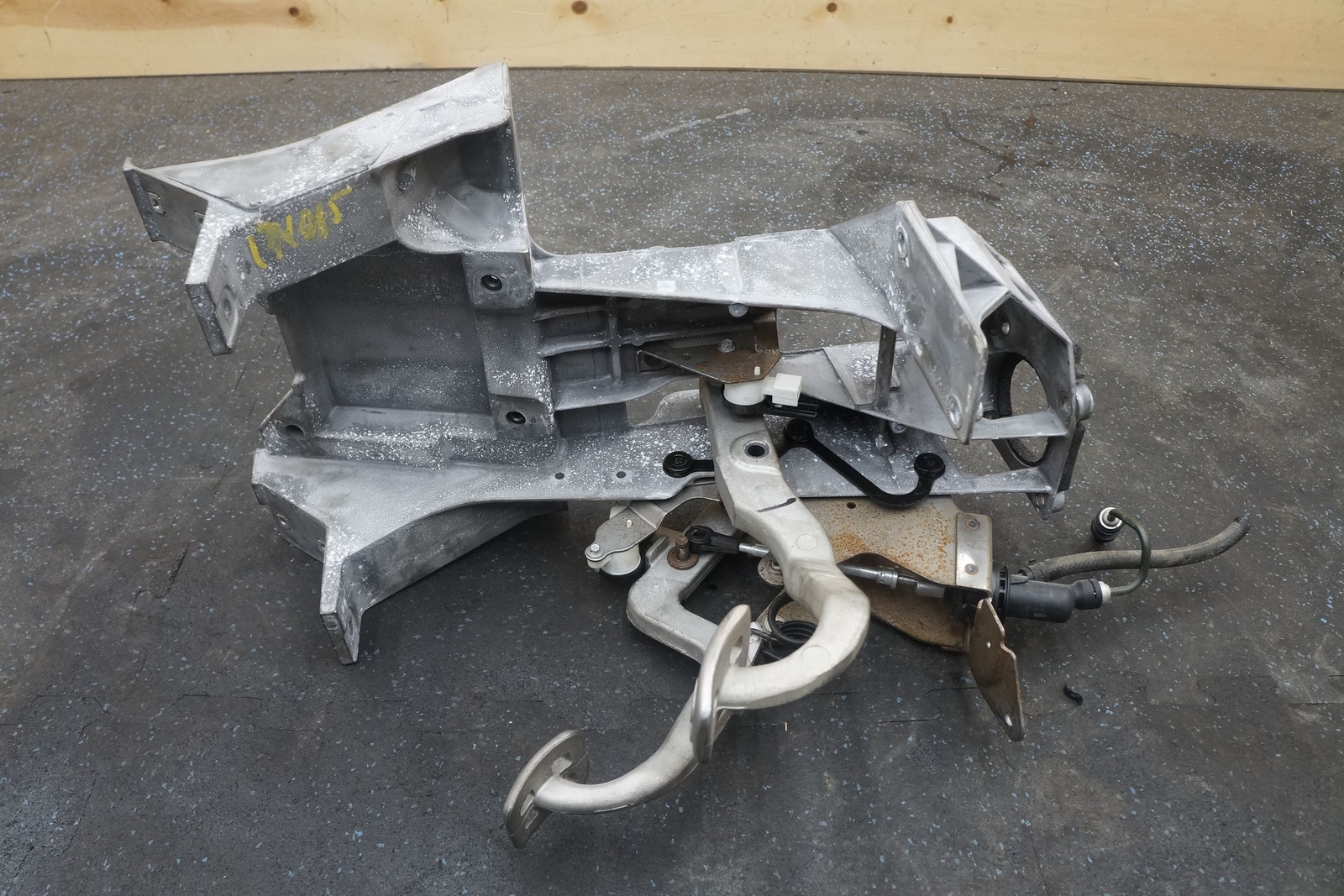
As for replacement on your own, pull the front drivers side rear fender wall with the tire removed, go in the car, remove the bottom dash valance cover from the dash, and remove the end of cylinder rod from the clutch pedal post.

Now remove the silver U connector clip from the coupling (not the clip in the above photo, but on the lower coupling,, then turn the cylinder in the fire wall to remove it from the car.
With the new master bench bleed, put it into the firewall and turn it to lock it into the fire wall, connect the center couplings back together to the slave side of the coupling, put the clip back in the connector, go in the car to reconnect the rod to clutch pedal post and install it retainer clip, pump the clutch pedal about 20 time to bleed any oil in the lines back up to the the tank, put the lower dash valance cover back on, the wheel well cover, the tire and your down.
Note, if you don't bench bleed the master before hand, then isntead of just normal pedal pumping need to remove the light air in that may be in the lines, you will need to power bleed the system instead, which the slave cylinder bleed valve is on the top of the bell housing right where the torque tube bolts to it. It a PITA to get to that bleeder valve to power bleed the system, so bench bleed the master before hand.
Truth is, if you really don't need to replace the master if you don't want to. Just pull the old master apart, get some polyethylene bonding agent, and use it to glue the end seal pop cap in place, over it just snapping in place alone instead.
This is the the prong end piece that will pop off to cause problems, and what the update cylinder is all about.
Update master cap retainer doe not not slits in it (solid without the prongs), so hold to the end of the rod cap a lot better without a chance of popping off due to fluid vacuum instead.
Attachment 48341326

https://www.corvetteforum.com/forums...-pressure.html
Go to a GM car dealer, park in there parking lot, turn the car off, hold the clutch pedal to the floor, move your foot to the side to let the pedal fire all the way back up on it own about 20 times, and you should be able to suck the end seal off the end of the rod to have the master cylinder qualify for the replacement without a penny out of pocket.
As for replacement on your own, pull the front drivers side rear fender wall with the tire removed, go in the car, remove the bottom dash valance cover from the dash, and remove the end of cylinder rod from the clutch pedal post.
Now remove the silver U connector clip from the coupling (not the clip in the above photo, but on the lower coupling,, then turn the cylinder in the fire wall to remove it from the car.
With the new master bench bleed, put it into the firewall and turn it to lock it into the fire wall, connect the center couplings back together to the slave side of the coupling, put the clip back in the connector, go in the car to reconnect the rod to clutch pedal post and install it retainer clip, pump the clutch pedal about 20 time to bleed any oil in the lines back up to the the tank, put the lower dash valance cover back on, the wheel well cover, the tire and your down.
Note, if you don't bench bleed the master before hand, then isntead of just normal pedal pumping need to remove the light air in that may be in the lines, you will need to power bleed the system instead, which the slave cylinder bleed valve is on the top of the bell housing right where the torque tube bolts to it. It a PITA to get to that bleeder valve to power bleed the system, so bench bleed the master before hand.
Truth is, if you really don't need to replace the master if you don't want to. Just pull the old master apart, get some polyethylene bonding agent, and use it to glue the end seal pop cap in place, over it just snapping in place alone instead.
This is the the prong end piece that will pop off to cause problems, and what the update cylinder is all about.
Update master cap retainer doe not not slits in it (solid without the prongs), so hold to the end of the rod cap a lot better without a chance of popping off due to fluid vacuum instead.
Attachment 48341326
https://www.corvetteforum.com/forums...-pressure.html
Last edited by Dano523; May 31, 2018 at 11:31 PM.

Thread Starter
Racer
Joined: Jul 2016
Posts: 477
Likes: 134
Make life simple.
Go to a GM car dealer, park in there parking lot, turn the car off, hold the clutch pedal to the floor, move your foot to the side to let the pedal fire all the way back up on it own about 20 times, and you should be able to suck the end seal off the end of the rod to have the master cylinder qualify for the replacement without a penny out of pocket.
As for replacement on your own, pull the front drivers side rear fender wall with the tire removed, go in the car, remove the bottom dash valance cover from the dash, and remove the end of cylinder rod from the clutch pedal post.
Now remove the silver U connector clip from the coupling (not the clip in the above photo, but on the lower coupling,, then turn the cylinder in the fire wall to remove it from the car.
With the new master bench bleed, put it into the firewall and turn it to lock it into the fire wall, connect the center couplings back together to the slave side of the coupling, put the clip back in the connector, go in the car to reconnect the rod to clutch pedal post and install it retainer clip, pump the clutch pedal about 20 time to bleed any oil in the lines back up to the the tank, put the lower dash valance cover back on, the wheel well cover, the tire and your down.
Note, if you don't bench bleed the master before hand, then isntead of just normal pedal pumping need to remove the light air in that may be in the lines, you will need to power bleed the system instead, which the slave cylinder bleed valve is on the top of the bell housing right where the torque tube bolts to it. It a PITA to get to that bleeder valve to power bleed the system, so bench bleed the master before hand.
Truth is, if you really don't need to replace the master if you don't want to. Just pull the old master apart, get some polyethylene bonding agent, and use it to glue the end seal pop cap in place, over it just snapping in place alone instead.
This is the the prong end piece that will pop off to cause problems, and what the update cylinder is all about.
Update master cap retainer doe not not slits in it (solid without the prongs), so hold to the end of the rod cap a lot better without a chance of popping off due to fluid vacuum instead.


https://www.corvetteforum.com/forums...-pressure.html
Go to a GM car dealer, park in there parking lot, turn the car off, hold the clutch pedal to the floor, move your foot to the side to let the pedal fire all the way back up on it own about 20 times, and you should be able to suck the end seal off the end of the rod to have the master cylinder qualify for the replacement without a penny out of pocket.
As for replacement on your own, pull the front drivers side rear fender wall with the tire removed, go in the car, remove the bottom dash valance cover from the dash, and remove the end of cylinder rod from the clutch pedal post.
Now remove the silver U connector clip from the coupling (not the clip in the above photo, but on the lower coupling,, then turn the cylinder in the fire wall to remove it from the car.
With the new master bench bleed, put it into the firewall and turn it to lock it into the fire wall, connect the center couplings back together to the slave side of the coupling, put the clip back in the connector, go in the car to reconnect the rod to clutch pedal post and install it retainer clip, pump the clutch pedal about 20 time to bleed any oil in the lines back up to the the tank, put the lower dash valance cover back on, the wheel well cover, the tire and your down.
Note, if you don't bench bleed the master before hand, then isntead of just normal pedal pumping need to remove the light air in that may be in the lines, you will need to power bleed the system instead, which the slave cylinder bleed valve is on the top of the bell housing right where the torque tube bolts to it. It a PITA to get to that bleeder valve to power bleed the system, so bench bleed the master before hand.
Truth is, if you really don't need to replace the master if you don't want to. Just pull the old master apart, get some polyethylene bonding agent, and use it to glue the end seal pop cap in place, over it just snapping in place alone instead.
This is the the prong end piece that will pop off to cause problems, and what the update cylinder is all about.
Update master cap retainer doe not not slits in it (solid without the prongs), so hold to the end of the rod cap a lot better without a chance of popping off due to fluid vacuum instead.
https://www.corvetteforum.com/forums...-pressure.html