When you click on links to various merchants on this site and make a purchase, this can result in this site earning a commission. Affiliate programs and affiliations include, but are not limited to, the eBay Partner Network.
I got this filter and I am very happy with it. Just follow the comments on installation and you should not get the check engine light. I didn’t dyno, but the car feels snappier 😝
I installed mine without removing MAF.
Here are some pics of the product compared to stock
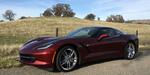
I have had my Attack Blue in now for 2000 miles. Never triggered a CEL. Response feels a bit quicker, the car sounds a bit throatier and the worries of filtration are a thing of the past, as the Nano Fiber element is doing its job, ( I took it back out after 1500 miles, just to take a look and all was well). It is reuseable and doesn't require any oil that may screw up the mass air sensor. Great investment for the money.
I thought more pleats is better for filtration. I know on my house filters the better quality ones have more pleats. OEM might not be best for highest flowing, but seems like the OEM filter has a good amount more pleats, so possibly the best one for filtration?
The stock filter is the best filter you can buy for filtration performance and is designed to flow more air than the engine can breath. At something like $45 for the stock filter that is good for 37,500 miles under normal conditions there is no possible reason for using an aftermarket filter. Oh I forgot, there are advertising claims of increased horsepower that is a farce.
The stock filter is the best filter you can buy for filtration performance and is designed to flow more air than the engine can breath. At something like $45 for the stock filter that is good for 37,500 miles under normal conditions there is no possible reason for using an aftermarket filter. Oh I forgot, there are advertising claims of increased horsepower that is a farce.
Dont get everyone's panties in a twist with all that truth about horsepower.
I thought more pleats is better for filtration. I know on my house filters the better quality ones have more pleats. OEM might not be best for highest flowing, but seems like the OEM filter has a good amount more pleats, so possibly the best one for filtration?
It’s not the number of pleats but the thickness of the material that is what stops dust and other stuff from getting through the filter.
I thought more pleats is better for filtration. I know on my house filters the better quality ones have more pleats. OEM might not be best for highest flowing, but seems like the OEM filter has a good amount more pleats, so possibly the best one for filtration?
Yes is the short answer.
More pleats means more total surface area of the filtering material. This means as it gets dirty it will be less likely to allow dirt through and it will flow better. The allowing dirt through is sort of a non issue untill it's really dirty.
I know we might be talking apples and oranges here but I changed my Z51 stock filter out for a K&N 8K miles ago and it just now started throwing lean codes on both banks. I had the same issue with my C6 GS after I installed the Halltech B-hive; lean codes after about 10K miles. It seams that the new motors are set on the super lean side for emissions and any kind of mod to the air flow (like changing to a performance air filter) is enough to throw lean codes after a number of miles.
I have had my Attack Blue in now for 2000 miles. Never triggered a CEL. Response feels a bit quicker, the car sounds a bit throatier and the worries of filtration are a thing of the past, as the Nano Fiber element is doing its job, ( I took it back out after 1500 miles, just to take a look and all was well). It is reuseable and doesn't require any oil that may screw up the mass air sensor. Great investment for the money.
John
Care to back that up with a before/after oil analysis? The dust you are letting in your intake with the "higher flowing" air filter is not immediately visible to the eye. It shows up as higher silicon (sand) numbers in the analysis.
These things are true:
1) The OEM filter in your car is capable of flowing more air than the engine needs at full rpm.
2) Aftermarket filters that flow more air invariably allow more dirt ingestion.
3) There is more chance of dirt ingestion in the engine during a filter change than at any other time.
4) Filters become more efficient as they age.
Last edited by fnbrowning; Nov 19, 2019 at 01:49 PM.
I've run an aftermarket reusable air filter on my LS3 camaro for the past 10 years. I did oil analysis on it for the first 5 years of my LS3 build. I saw no evidence of any increased buildup of particulate or anything Blackstone labs would warn me of which could be detrimental to my engine. I now have 150K miles on this build, 300K miles on car, which is a lot more mileage on an engine than most of you do in 10 years let alone a 21 year old car.
You do regular oil changes on the car, clean the filter when needed and you'll be fine.
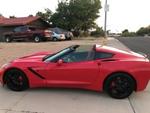
I just installed the Attack Blue on my C7 Z06.
The stock filter does not feed the LT4 enough air, as for the LT1, it could be a different story but using the LT1 intake box on the LT4 with the same filter. If the filter was adequate, back to back dyno would show no gains from something as simple as a filter change, but I showed on my LS3 that I picked up 10FT/lb and 10HP avg across the entire torque band/curve just swapping from a stock filter to aftermarket.


























 The dust you are letting in your intake with the "higher flowing" air filter is not immediately visible to the eye. It shows up as higher silicon (sand) numbers in the analysis.