Corvette: Window Tinting Modification
A window tint not only complements your Corvette, but it also protects your interior from the sun's rays.
This article applies to the Corvette C5 (1997-2004), C6 (2005-2013), and C7 (2014-2015).
Whether you want to keep the heat out, prevent prying eyes from seeing what's inside, prolong the life of your interior, or just to make your Corvette look cooler, there are certainly many advantages to tinting the windows. But just how dark should you go? There are advantages and disadvantages to each level of tint, and some legal considerations as well. Check out this guide to each level of tint below and make the right decision for your particular needs. It's important to check your state laws before tinting your windows. Some states don't allow any tint above the factory tint on the driver and the passenger window, which are the only windows in the Corvette.
How Dark Should You Go?
The main thing to take into consideration when you are deciding on tint are the local laws in your area. While most areas of the country allow for at least a mild tint, some areas don't allow for any tint at all. Even states that have milder tint laws typically have a limit on how dark you can go. If you don't drive your car on public roads, it may not matter, but for most of us, we have to abide by the law. While tinting windows isn't particularly difficult, it is tedious. Oftentimes, the little bit extra it costs to have a reputable shop perform the work is well worth it, plus you can typically get a warranty by doing so.
Types of Tint
Light Tint (50%+)
DIY Cost – $50-$100
Professional Cost – $100-$250
Skill Level – Intermediate; Requires a little skill and a lot of patience.
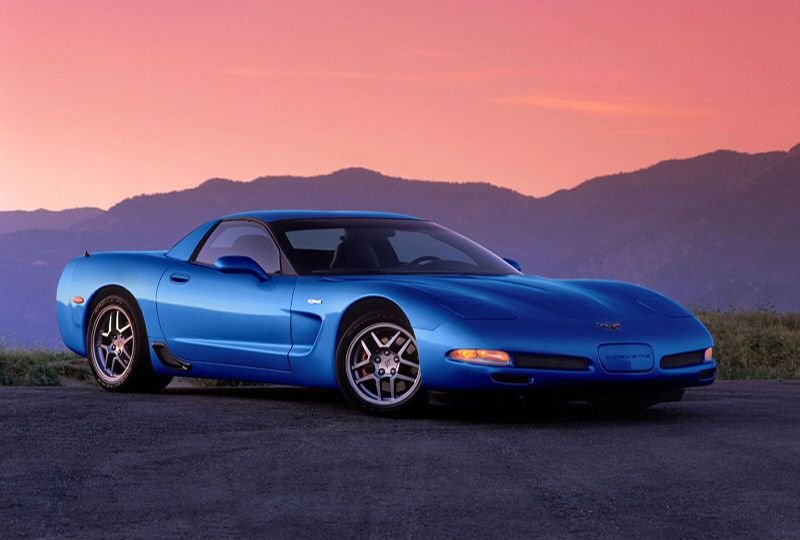
A light tint of around 50% or so will give you a nice, slightly smoked appearance. It is also legal in most states. However, in the south and in hot climates, it may not be enough to prevent cracking of the dash. You will get some of the benefits of window tinting with a light tint, such as reduced interior temperature, but you will also still be able to see inside quite easily.
Intermediate Tint (50-35%)
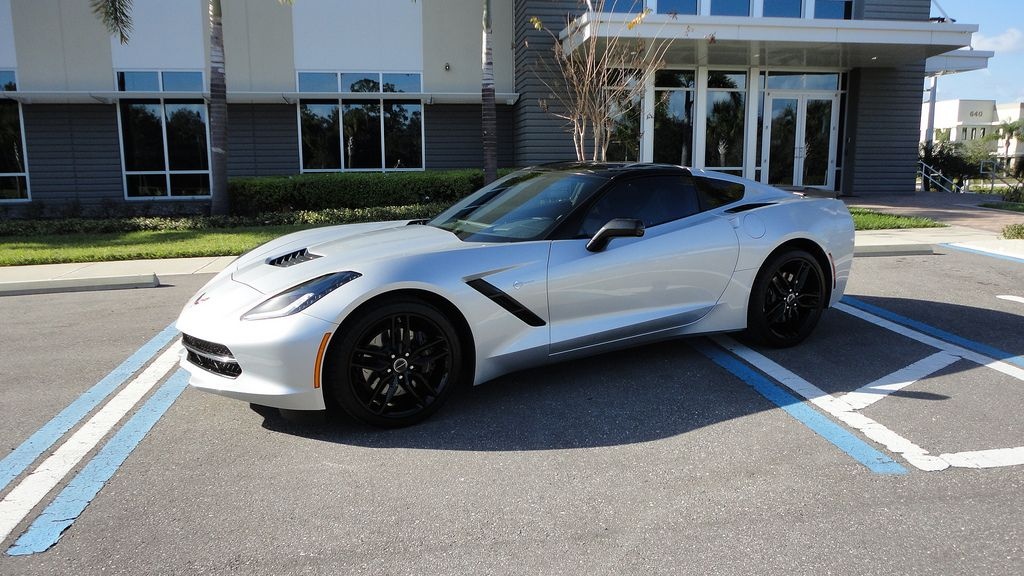
DIY Cost – $50-$100
Professional Cost – $100-$250
Skill Level – Intermediate; Requires a little skill and a lot of patience.
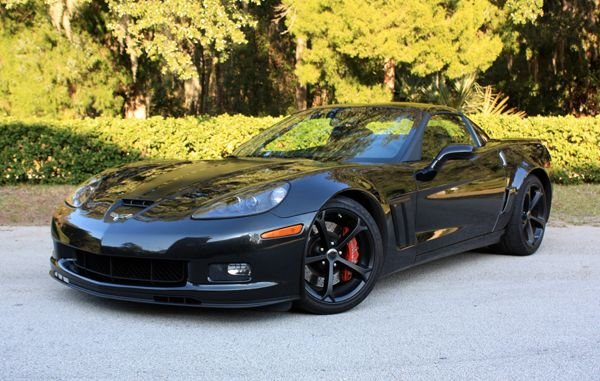
For most people in most parts of the country, an intermediate tint is the best way to go. You get all the benefits that tint provides at a level that is legal in most areas. You can still see inside the car if you get close, but an intermediate tint will keep the interior cooler and help preserve the inside plastic and leather to give it a longer life.
Dark Tint (30-20%)

DIY Cost – $50-$100
Professional Cost – $100-$250
Skill Level – Intermediate; Requires a little skill and a lot of patience.
For those who want to keep prying eyes from seeing what's inside, a dark tint of around 30-20% will do the trick. You will also notice a big difference in interior temperature, especially in the summer time when things get really hot.
Super Dark Tint (15-5%)
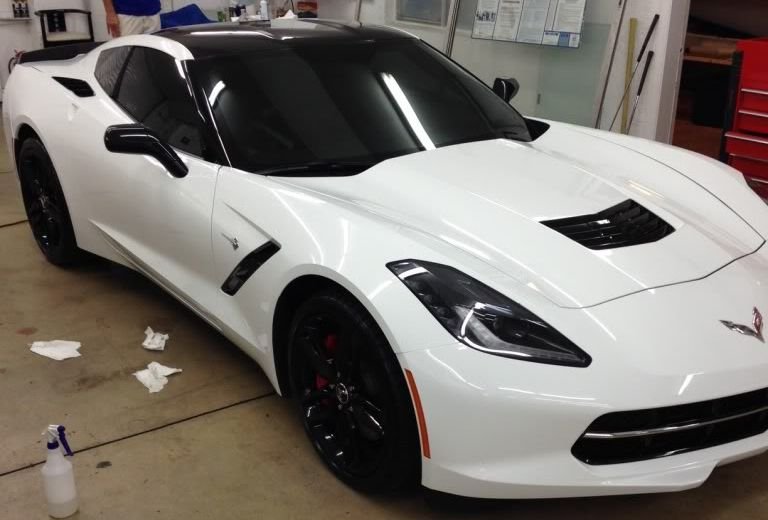
Now we're getting into the range of show cars and those that like to live dangerously. A super dark tint of 15-5% will make it impossible to see what is inside (which law enforcement isn't a fan of) and keep the interior noticeably cooler. It also provides great protection against the sun's harmful rays. This is all great, of course, if you happen to live somewhere where it's legal, or you just like to live like an outlaw.
Related Discussions
- Window Tint Options - Corvetteforum.com
- C6 Window Tint - Corvetteforum.com
- Rear Window Tint Problems on All Corvettes - Corvetteforum.com