When you click on links to various merchants on this site and make a purchase, this can result in this site earning a commission. Affiliate programs and affiliations include, but are not limited to, the eBay Partner Network.
I am wondering has anyone used the Restoration Shop Auto Color Library for a source of lacquer paint? They say they are located in San Diego and said they can not sell lacquer paint in California but I live in Oregon. I do not trust anything on the internet until I do some checking up. Thank you to anyone who replies.
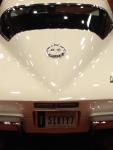
This may not matter to you, but a one step polyurethane (not base clear) when sanded with 1000 grit and buffed looks just like lacquer. It doesn't have that 21st century glass/deep look. I just finished my Sunfire Yellow and you can't tell it's not lacquer, looks factory fresh. In the picture it was partially buffed.
This may not matter to you, but a one step polyurethane (not base clear) when sanded with 1000 grit and buffed looks just like lacquer. It doesn't have that 21st century glass/deep look. I just finished my Sunfire Yellow and you can't tell it's not lacquer, looks factory fresh. In the picture it was partially buffed.
You do know that lacquer paint today is nothing like the original paint of the 60’s. EPA took care of that, it is trash.
This is true but what is also true is that lacquer paint wasn't very good. It looked good then because that is what there was just as incandescent lighting looked pretty good too compared to candles.
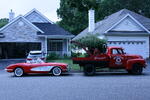
The idea that old tech was actually better than new tech does not apply to paints very much. The low sheen lacquer, acrylics and enamels of the mid century can be easily duplicated using modern single stage paints and skilled use of additives and clear. I struggled with this on a 61 Plymouth that I did not want the "wet look" you get with two stage on black. To me they look greasy. The photo below is single stage polyurethane. A skilled and informed painter can make old cars look the way they did new using new paints.
This may not matter to you, but a one step polyurethane (not base clear) when sanded with 1000 grit and buffed looks just like lacquer. It doesn't have that 21st century glass/deep look. I just finished my Sunfire Yellow and you can't tell it's not lacquer, looks factory fresh. In the picture it was partially buffed.
I have been beating this drum here for years but few seem to listen.
My car is painted in lacquer and was involved in an accident to the front end. The damage was great enough and extensive enough to require a complete paint job. I am hoping to not have to paint door jambs and removing every bit of the old lacquer paint. That is why I am inquiring about using lacquer paint again. I understand that polyurethane paint is not compatible with lacquer. Is that true?
The damage was great enough and extensive enough to require a complete paint job. I am hoping to not have to paint door jambs and removing every bit of the old lacquer paint.
A complete paint job means where I come from, complete. Repainting a car completely typically involves the jambs and everywhere paint is. Many repaint cars and attempt to save original jamb, under hood, under deck lids and so forth for the sake of posterity I suppose. If you are having the car painted, strip all the old paint.
2025 c3 ('74-'82) of the Year Finalist - Unmodified
2023 C3 of the Year Finalist - Unmodified
2022 C3 of the Year Finalist - Unmodified
2020 C3 of the Year Finalist - Unmodified
Originally Posted by dplotkin
This is true but what is also true is that lacquer paint wasn't very good. It looked good then because that is what there was just as incandescent lighting looked pretty good too compared to candles.
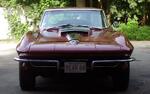
I think original lacquer can still look good today......
This may not matter to you, but a one step polyurethane (not base clear) when sanded with 1000 grit and buffed looks just like lacquer. It doesn't have that 21st century glass/deep look. I just finished my Sunfire Yellow and you can't tell it's not lacquer, looks factory fresh. In the picture it was partially buffed.
I think original lacquer can still look good today......
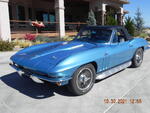
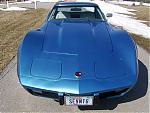
Sure! And that is a stunning blue. There is a lot of hand wringing over correct sheen on these old cars and it somehow has folks reminiscing over the nitrocellulose back in the day. I've been hearing that from every old timer in the hobby since forever. I understand that look and why it is desired. However we don't have to go back to the Flintstone era to achieve it. If you have a lacquer job in good shape take care of it. If painting a car and a period correct finish is sought find the guy who understands what you want and how to accomplish it with urethane. I did. Others above have.
Here is my 65 that has 6 month old single stage urethane enamel. It looks great and I have not even had it cut and buffed.
It looks beautiful. Perhaps you know how hard urethane gets over time, cutting and buffing now would be a lot of work and judging from your pictures is unnecessary.
I am hoping to not have to paint door jambs and removing every bit of the old lacquer paint. That is why I am inquiring about using lacquer paint again. I understand that polyurethane paint is not compatible with lacquer. Is that true?
Depends on your goal. My car is used daily so I'm not looking for perfection. The exterior was completely stripped but I left the door jams alone because the weather stripping and original lacquer were still good. It took a lot of tape because the door bottom, top, and ends have to be covered too. It looks just fine, were the polyurethane overlaps the old paint a very light sanding and polish blends it. Now removing the side glass on a coupe is a pain, maybe unnecessary on a convertible.











 Lacquer Paint source














 ...
...


