






Painting Problems HELP

Thread Starter
Pro


Joined: Jun 2012
Posts: 603
Likes: 11
From: Dayton Nevada
 Painting Problems HELP
After painting the smaller body items I started on the hood, having sanded it

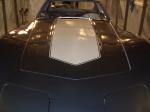
and then priming it with Evercoat G2 Feather fill. I prepped it and primed it with the recommended primmer from the paint store along with there advice I attempted to spray it. I got a wrinkle effect So I sanded it down, 120, 320,400,600 git in that order, smooth. Painted and all the wrinkles showed through. So I striped off the paint, again with the 320 2x's, 600 and sprayed, again the wrinkle.


It looks smooth, feels smooth, but paints like wrinkle paint....
I am thinking the wrinkle effect caused during prim coat is because of the wrong type of activator, or too much air pressure causing the paint to bunch up upon hitting the hood and wrinkle. Anyway the prim coat is not smoothing out and blending once on the hood. The color coat is due to me trying to sand the prim coat down and then repaint over the problem hoping the paint would fill in the wrinkles, which I now believe is not what your to do. I think I have to take down to the glass, because it is not fixable..
Yes or NO?????

and then priming it with Evercoat G2 Feather fill. I prepped it and primed it with the recommended primmer from the paint store along with there advice I attempted to spray it. I got a wrinkle effect So I sanded it down, 120, 320,400,600 git in that order, smooth. Painted and all the wrinkles showed through. So I striped off the paint, again with the 320 2x's, 600 and sprayed, again the wrinkle.


It looks smooth, feels smooth, but paints like wrinkle paint....
I am thinking the wrinkle effect caused during prim coat is because of the wrong type of activator, or too much air pressure causing the paint to bunch up upon hitting the hood and wrinkle. Anyway the prim coat is not smoothing out and blending once on the hood. The color coat is due to me trying to sand the prim coat down and then repaint over the problem hoping the paint would fill in the wrinkles, which I now believe is not what your to do. I think I have to take down to the glass, because it is not fixable..
Yes or NO?????
Last edited by Douglas Brown; May 27, 2013 at 03:55 PM.
Burning Brakes

Joined: Jul 2008
Posts: 914
Likes: 10
From: Brooklet Ga.
From what I can see it looks like orange peel, if so it could be due to the primer being to thick and not flowing out, are you reducing it enough? If the weather is to hot you might need a retarder to slow down the drying. But the pic is kind of hard to see so I could be all wrong.

Melting Slicks

Joined: Jun 2009
Posts: 2,709
Likes: 3
From: Savannah GA
Tell us all the products used and in what order please. Looks like a chemical incompatibility of some sort to me. Or perhaps the hood is oil soaked from either an engine mishap, or A/C compressor failure? Is the underside all wet or does it look shiny as if oiled?
Thread Starter
Pro
Joined: Jun 2012
Posts: 603
Likes: 11
From: Dayton Nevada
Under side of hood

Primed with EverCoat G2 Feather Fill with standard Activator

primed with Medallion Refinishes RS-776 G with RS-777 2K acrylic urethane non-sanding sealer 4 - 1 mix Due to the heat slow down to RS-778

Paint is WandaBase HS 2 - 1 Mix Valspar 171 HP High Performance Fast reducer.
Maybe a slower reducer.needed
Possible The current heat is a contributing factor..we are pushing 95 > 100 my garage is at 80-90 .....also maybe the RS-777 should be slower RS-778 and the reducer for the Wanda Base HS also.
I just looked at the gun I still have the small tip 1.3 in it...I forgot to change it out with the 2.0...wife says I need to write this stuff down so I do not forget.
Bottom line is I have to take it down again.

Primed with EverCoat G2 Feather Fill with standard Activator

primed with Medallion Refinishes RS-776 G with RS-777 2K acrylic urethane non-sanding sealer 4 - 1 mix Due to the heat slow down to RS-778

Paint is WandaBase HS 2 - 1 Mix Valspar 171 HP High Performance Fast reducer.
Maybe a slower reducer.needed
Possible The current heat is a contributing factor..we are pushing 95 > 100 my garage is at 80-90 .....also maybe the RS-777 should be slower RS-778 and the reducer for the Wanda Base HS also.
I just looked at the gun I still have the small tip 1.3 in it...I forgot to change it out with the 2.0...wife says I need to write this stuff down so I do not forget.
Bottom line is I have to take it down again.
Melting Slicks
Joined: Jun 2009
Posts: 2,709
Likes: 3
From: Savannah GA
Correct me if I'm wrong, but you sanded the G2 to 600 grit then sealed then shot base? Sealer and base in the same day? You definitely want a slower reducer for the base/clear if temps are that high.
I ask about sanding the Evercoat because if you took it to 600 it should not matter if you applied it with a roller or brush... smooth is smooth.
SO... your texture can only come from the sealer (hint hint) or from the base. My diagnosis comes from the photo clearly showing texture in the gray sealer in a partially sanded panel. The base may be drying overly fast as well since your reducer is 2 grades too quick for the weather.
I ask about sanding the Evercoat because if you took it to 600 it should not matter if you applied it with a roller or brush... smooth is smooth.
SO... your texture can only come from the sealer (hint hint) or from the base. My diagnosis comes from the photo clearly showing texture in the gray sealer in a partially sanded panel. The base may be drying overly fast as well since your reducer is 2 grades too quick for the weather.
Last edited by markids77; May 27, 2013 at 09:29 PM. Reason: clarification
Thread Starter
Pro
Joined: Jun 2012
Posts: 603
Likes: 11
From: Dayton Nevada
No..I have limited space, there are 21 separate items to paint. So I shoot what I can lay out, when all are done I move on to the next phase, sealer, do the same thing. Color coat same thing.Everything was going good, temps were lower, items smaller. I know they said I did not have to sand between coats but I am going slower than they think, because I am learning in the school of hard knocks. And you are right The base came out of the gun hitting the hood in *****, almost dry leaving a rough and sandy look.
I will get some slower reducer for the primmer and color & clear coats.
It's 5AM on the patio..80 degrees F, took the surface down last night.
Thanks for the feed back, great help.
I will get some slower reducer for the primmer and color & clear coats.
It's 5AM on the patio..80 degrees F, took the surface down last night.
Thanks for the feed back, great help.
Corvette Stories
The Best of Corvette for Corvette Enthusiasts

Corvette ZR1X Will Be Pacing the Indy 500, And Could Probably Race, Too!
Verdad Gallardo
Top 10 Corvettes Coming to Mecum Indy 2026!
Brett Foote
Top 10 C9 Corvette MUST-HAVES to Fix These C8 Generation Flaws!
Michael S. Palmer
10 Revolutionary 'Corvette Firsts' Most People Don't Know
Joe Kucinski
5 Reasons to Upgrade to an LS6-Powered Corvette; 5 Reasons to Stay LT2
Michael S. Palmer
2027 Corvette vs The World: Every C8 vs Its Closest Competitor
Joe Kucinski
10 Most Common Corvette Problems of the Last 20 Years!
Joe Kucinski
5 MOST and 5 LEAST Popular Corvette Model Years in History!
Joe Kucinski
2027 Corvette Buyer's Guide: Everything You Need to Know!
Joe Kucinski
Thread Starter
Pro
Joined: Jun 2012
Posts: 603
Likes: 11
From: Dayton Nevada
update on the paint problem...After sanding it down to, glazing the scratches and final sand of 600 grit, I sprayed with the Ever Coat Feather fill G2. I got the same effect, a dry spray. used a 2.0 tip, 25-30 lbs at gun regulator, 60 lbs out of compressor. called the co. and asked what was wrong. they said to thin with acetone 5-10%..called the rep in the field, he said no acetone it would only make it flash quicker.....With a swamp cooler, THE temp in the garage is 90 deg. pushing 100 outside......it is 80 at 5 AM..because of the heat the rep said to put the can in the refig. overnight to lower the sealer temp. before spraying wet the floor. Spray early in the AM while the temp and can are cool, this should cause the sealer to flow better and slow down the chemical reaction time with hardener.
I have re-sanded with 220....will post results.
I have re-sanded with 220....will post results.
Last edited by Douglas Brown; May 30, 2013 at 09:38 PM.

Instructor

Joined: Aug 2011
Posts: 111
Likes: 2
From: Savannah TN - Tennessee
I had a similar issue with the "*****" of dry paint as well. I painted my car last year in the heat as well.... my issue ended up being moisture from compressor. I had all the preventative measures in place that would prevent the moisture issue, or so I thought. Had to rig up a stand pipe with copper tubing condenser to remove moisture at the gun. I was experiencing the exact same problem you are describing.
Hope you figure this out, as it is very rewarding to pull this off yourself... Chris
Hope you figure this out, as it is very rewarding to pull this off yourself... Chris
Thread Starter
Pro
Joined: Jun 2012
Posts: 603
Likes: 11
From: Dayton Nevada
5/31 5Am 79 deg. wet the floor, took the feather fill out of the frig. set the compressor and gun, mixed up about 9-10 oz. added hardener. Spray went on better, no dry paint *****, finish looked better, not smooth as you would think, more like a true orange peel surface only not as deep. workable, put some 600 to it and it will look good......next week the slower reducer for the sealer will arrive and we can work with that.....
Thread Starter
Pro
Joined: Jun 2012
Posts: 603
Likes: 11
From: Dayton Nevada
Maybe your right, But I can only go by what the two paint reps, who say they have painted here in the high desert, high heat, low moisture climate tell me. I am just about out of the ever coat feather fill g2. so I will have to make this work. The can says to spray at 35-40 psi. At that the paint was drying before it hit the hood, at least it got there wet this time.
Thread Starter
Pro
Joined: Jun 2012
Posts: 603
Likes: 11
From: Dayton Nevada
5/30 4 pm After sanding with 80 & 220

Glazing putty applied, then sanded with 600 and washed it twice with mild soapy water and rinse.

5:01 Am 79 deg. 25-30 psi at gun reg. After ever coat G2 applied

6:33 am 80 deg. After letting it set for 1.5 hrs. It has smoothed out a lot....


Glazing putty applied, then sanded with 600 and washed it twice with mild soapy water and rinse.

5:01 Am 79 deg. 25-30 psi at gun reg. After ever coat G2 applied

6:33 am 80 deg. After letting it set for 1.5 hrs. It has smoothed out a lot....

Last edited by Douglas Brown; May 31, 2013 at 11:00 AM.

Melting Slicks
Joined: Jul 2009
Posts: 3,264
Likes: 3
From: Vero Beach FL

Maybe your right, But I can only go by what the two paint reps, who say they have painted here in the high desert, high heat, low moisture climate tell me. I am just about out of the ever coat feather fill g2. so I will have to make this work. The can says to spray at 35-40 psi. At that the paint was drying before it hit the hood, at least it got there wet this time.
Thread Starter
Pro
Joined: Jun 2012
Posts: 603
Likes: 11
From: Dayton Nevada
At the compressor out of the tank at the gage/regulator 6o psi,
at the gun regulator 25-30 psi as recommended by manufacturer rep.
And a auto body painter here in the western states prior to sales.
This only the 1st. coat
I still have to spray the sealer coat and color coat before the clear. these will need a slower reducer.
As long as I dose not end up like it did the first time, I'll be happy considering my environment and first car paint job.
at the gun regulator 25-30 psi as recommended by manufacturer rep.
And a auto body painter here in the western states prior to sales.
This only the 1st. coat
I still have to spray the sealer coat and color coat before the clear. these will need a slower reducer.
As long as I dose not end up like it did the first time, I'll be happy considering my environment and first car paint job.
Last edited by Douglas Brown; May 31, 2013 at 07:43 PM.

Le Mans Master

Joined: Aug 2010
Posts: 9,272
Likes: 17
you could save alot of time and paint if you sprayed test panels, those pressures are only ball park, every day ,even every hour they change slightly...btw , you need at least 90 psi at the tank and a minimum of a 25-30 gallon tank. it will make your gun more consistant. do your tuning at the gun reg.
Last edited by oldalaskaman; Jun 1, 2013 at 04:27 AM.
Melting Slicks
Joined: Jun 2009
Posts: 2,709
Likes: 3
From: Savannah GA
Douglas... dumb question but I will ask anyway. You do know that G2 is intended as a high build primer surfacer, and is designed to fill small nicks and waves in the surface... and is INTENDED by the manufacturer to be block sanded smooth? It can (and should) replace the glazing putty you used under it. 400 grit smooth should allow you to put a non-sanding sealer over the top, then color, then clear WITHIN THE TIME WINDOW RECOMMENDED BY THE PAINT MANUFACTURER. Read your labels and tech sheets again; all primers, sealers, bases and clears have a published "recoat window". If you paint sealer at 3PM on Tuesday, wait until Saturday morning to basecoat then clear Sunday after church without sanding the surface you are quite probably going to have trouble with peeling/bubbling down the road. I hope you were aware of this as you did the first batch of parts, and if so I intended no disrespect in bringing this up.
Last edited by markids77; May 31, 2013 at 09:09 PM. Reason: spacebar
Le Mans Master
Joined: Aug 2010
Posts: 9,272
Likes: 17
Douglas... dumb question but I will ask anyway. You do know that G2 is intended as a high build primer surfacer, and is designed to fill small nicks and waves in the surface... and is INTENDED by the manufacturer to be block sanded smooth? It can (and should) replace the glazing putty you used under it. 400 grit smooth should allow you to put a non-sanding sealer over the top, then color, then clear WITHIN THE TIME WINDOW RECOMMENDED BY THE PAINT MANUFACTURER. Read your labels and tech sheets again; all primers, sealers, bases and clears have a published "recoat window". If you paint sealer at 3PM on Tuesday, wait until Saturday morning to basecoat then clear Sunday after church without sanding the surface you are quite probably going to have trouble with peeling/bubbling down the road. I hope you were aware of this as you did the first batch of parts, and if so I intended no disrespect in bringing this up.

Thread Starter
Pro
Joined: Jun 2012
Posts: 603
Likes: 11
From: Dayton Nevada
It is not a dumb question...Yes, I am aware of these things. The G2 being a base filler for scratches, the glaze I used was for the nicks the G2 would not cover and I see I need to use a little bit more in places. And the Non-sanding sealer can be sprayed with color and the same with the clear during the window of time. BUT Since I have not ever had an opportunity to witness a car being painted nor will one of the paint shops let there employees help as an advisor I am not sure what it is to look like during the process, I am going slow to learn the application, result. I read the can, tech sheets and application instruction. Even though it says you can spray while it is wet, I am not comfortable doing that at this stage of my learning, so I am letting it dry evaluate what I have done and then proceed. This means I have to buff or sand between coats.
Test panels, well yes I use an area to spray on to gage the spray pattern and pressure.
Kind of like when I was learning about drywall. I was given a pan, knife, bucket of mud, hand beater, and sack of powder placed in an apartment with a saw horse an told to spot the nails. Spread it on and take it off. later someone came by to say I had be doing it wrong and to re- due it. there I could go see what and how was done. With this, Video and e-mail and phone calls are not the same as onsite visual.
I do greatly value all of you guys and your advice.
Test panels, well yes I use an area to spray on to gage the spray pattern and pressure.
Kind of like when I was learning about drywall. I was given a pan, knife, bucket of mud, hand beater, and sack of powder placed in an apartment with a saw horse an told to spot the nails. Spread it on and take it off. later someone came by to say I had be doing it wrong and to re- due it. there I could go see what and how was done. With this, Video and e-mail and phone calls are not the same as onsite visual.
I do greatly value all of you guys and your advice.