









Why Non-Matching Production Numbers

Thread Starter
Old Fart Pilot


Joined: Apr 2010
Posts: 1,929
Likes: 1,001
From: Spokane, WA
 Why Non-Matching Production Numbers
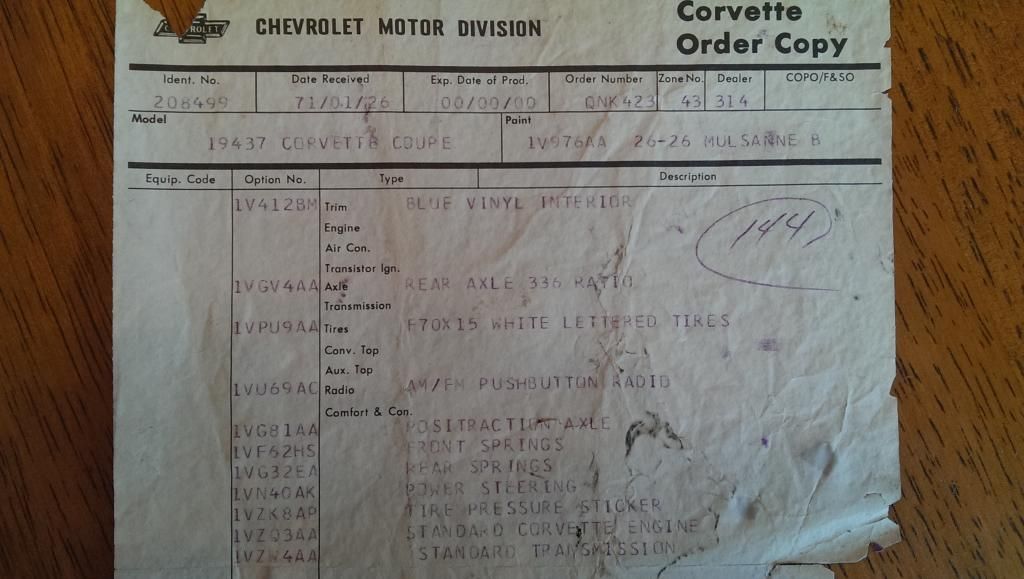
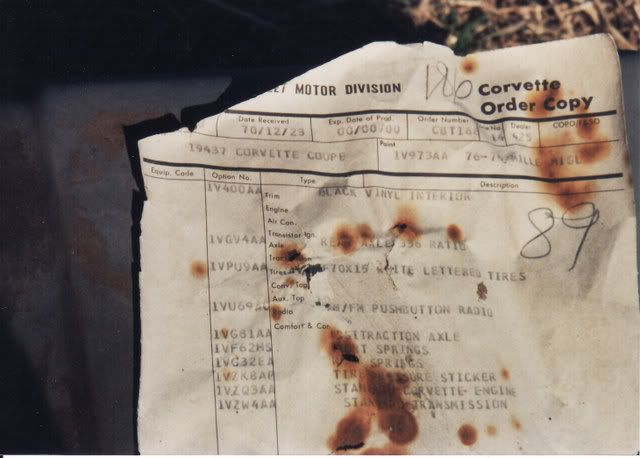
My 71's VIN ends in 644 but the Order Sheet has a circled 144 on it.
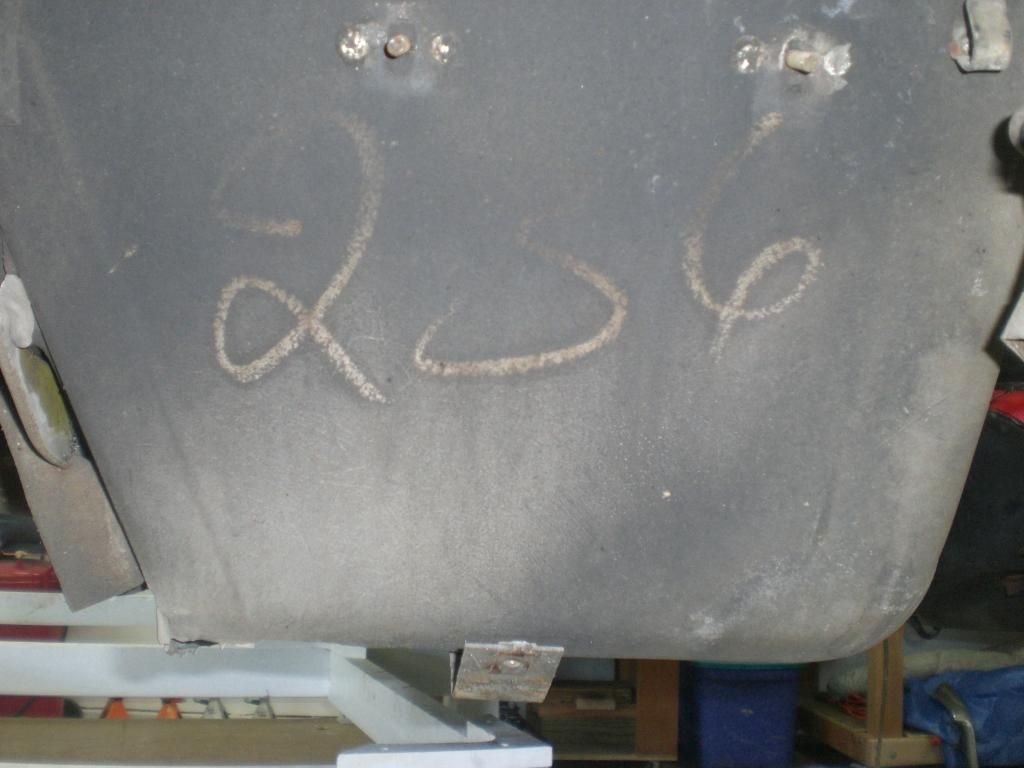
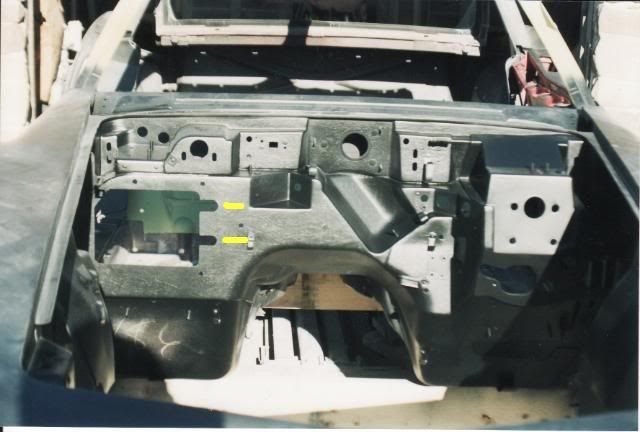
The passenger footwell wall in the engine bay has 236 on it
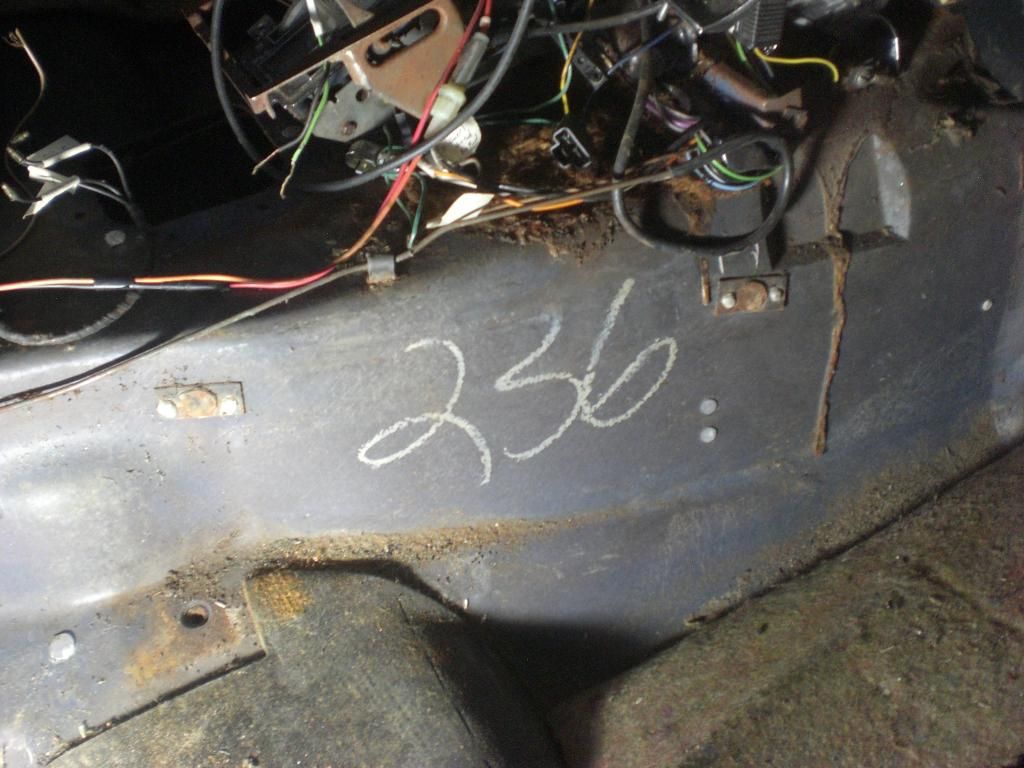
The same 236 is also on the passenger side of the interior trans tunnel
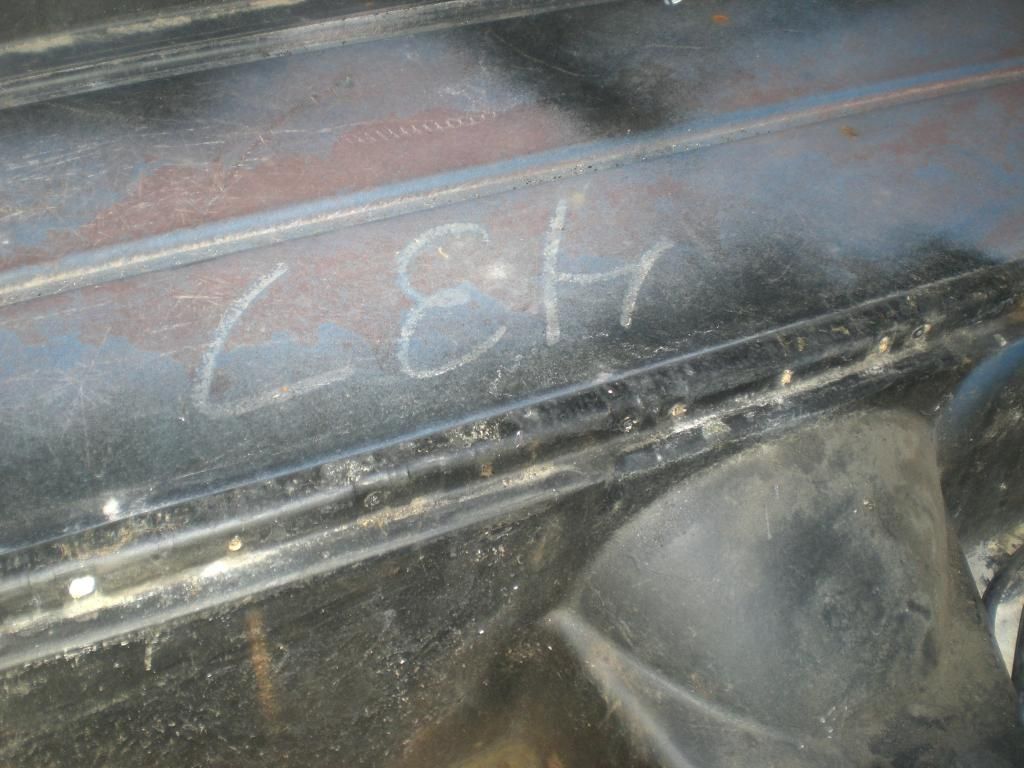
However, there is a 437 mark on the interior floor of the rear storage area
Soooo, does anyone have any explanations for the numbers differences? Was my car a Frankenstein build of extra parts in the factory or did the production team just like to play tricks?

The passenger footwell wall in the engine bay has 236 on it

The same 236 is also on the passenger side of the interior trans tunnel

However, there is a 437 mark on the interior floor of the rear storage area

Soooo, does anyone have any explanations for the numbers differences? Was my car a Frankenstein build of extra parts in the factory or did the production team just like to play tricks?

Le Mans Master


Joined: Sep 2002
Posts: 5,236
Likes: 898
From: Myrtle Beach SC
Yeah...interesting. The 236 would appear to be the Body Shop job number assigned to the various body panels as they were built for your Corvette. Once the body was assembled, this number had no significance.
On plant documents for early C3s the 144 on the Corvette Order Copy is a VIN derivative. What's interesting is the differential between 644 (your VIN) and the VIN derivative on the Order Copy is 500. When the Order Copy was printed the VIN was yet to be assigned. Once assigned, the VIN derivative was hand written on the Order Copy and circled.
On plant documents for early C3s the 144 on the Corvette Order Copy is a VIN derivative. What's interesting is the differential between 644 (your VIN) and the VIN derivative on the Order Copy is 500. When the Order Copy was printed the VIN was yet to be assigned. Once assigned, the VIN derivative was hand written on the Order Copy and circled.

Team Owner

Joined: Jun 2000
Posts: 38,923
Likes: 1,482
From: Southbound
Cruise-In II Veteran
236 is a job number which may or may not correspond to the VIN depending on model year.
144 is also a job number. For some model years, you can subtract 500 from the last digits of the VIN and get the job number (644 - 500 = 144).
Strange that you have two different job numbers.


Team Owner


Joined: Sep 2006
Posts: 31,301
Likes: 4,389
From: Westminster Maryland
Hi 8,
I believe the 144 is the job number while the 236 is the body shop number.
Both numbers appear on some sheets.
Regards,
Alan
1971
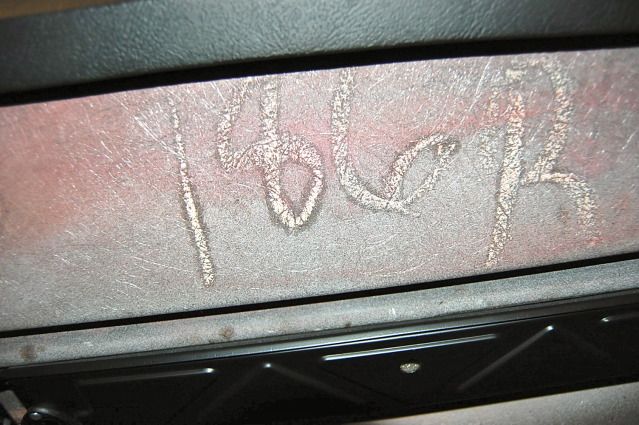
186 ….body shop number.
89…. job number, 500 less than VIN.
186
186 under rear deck. R? Radio? Cut rear deck for antenna?
I believe the 144 is the job number while the 236 is the body shop number.
Both numbers appear on some sheets.
Regards,
Alan
1971
186 ….body shop number.
89…. job number, 500 less than VIN.
186
186 under rear deck. R? Radio? Cut rear deck for antenna?
Last edited by Alan 71; Jan 23, 2015 at 09:59 AM.
Le Mans Master
Joined: Sep 2002
Posts: 5,236
Likes: 898
From: Myrtle Beach SC
But then, why would a factory worker hand write a job number on a tank sticker after the body had been assembled and to accompany its ride on the trim side and the chassis assembly side?
Like you, in the early years, I understood it was a job number...but than the factory could have changed their process along the way...as we learn they did in 1973 when it introduced the landscape GMAD manifest as the tank sticker!
Thread Starter
Old Fart Pilot
Joined: Apr 2010
Posts: 1,929
Likes: 1,001
From: Spokane, WA
Corvette Stories
The Best of Corvette for Corvette Enthusiasts

Every 2027 Corvette Engine Explained
Joe Kucinski
Designer Imagines A Corvette That Looks More Like a Corvette Than the Corvette
Verdad Gallardo
10 Ugly Corvettes That We Still Kinda Love
Joe Kucinski
Top 10 Most Expensive Corvettes Ever Sold on Bring A Trailer
Brett Foote
10 Things Every Corvette Owner Needs (2026 Edition)
Michael S. Palmer
8 Most "Only Corvette Owners Understand" Quirks and Problems
Pouria Savadkouei
10 Reasons the C6 Z06 is Still A Performance Benchmark After 20 Years
Joe Kucinski
How Much Horsepower Every Corvette Engine "LOST" in 1972
Joe Kucinski
Top 10 DOs and DON'Ts for Protecting Your Convertible Top!
Michael S. Palmer
Thread Starter
Old Fart Pilot
Joined: Apr 2010
Posts: 1,929
Likes: 1,001
From: Spokane, WA
Yep. 437/467 told the body assembly line folks the underbody had been assembled as a coupe or a convertible.
236 is a job number which may or may not correspond to the VIN depending on model year.
144 is also a job number. For some model years, you can subtract 500 from the last digits of the VIN and get the job number (644 - 500 = 144).
Strange that you have two different job numbers.
236 is a job number which may or may not correspond to the VIN depending on model year.
144 is also a job number. For some model years, you can subtract 500 from the last digits of the VIN and get the job number (644 - 500 = 144).
Strange that you have two different job numbers.
Paul
Thread Starter
Old Fart Pilot
Joined: Apr 2010
Posts: 1,929
Likes: 1,001
From: Spokane, WA
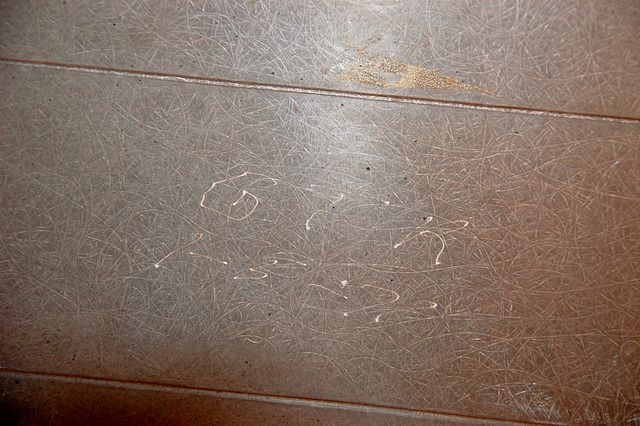
GTR Engraving On Underside of Rear Deck
I found this (GTR 1-21-71) carved into the underside of my '71 coupe's rear deck:
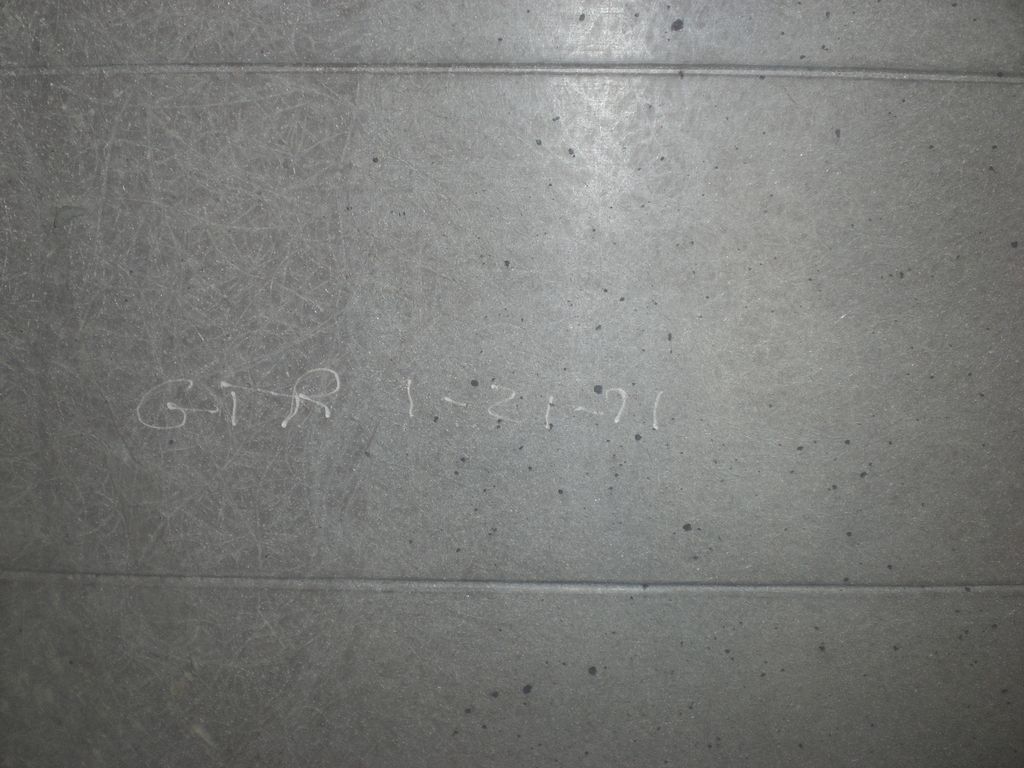
I assumed it was put there doing production and immediately thought of Gary Ramadei who goes by GTR1999 on these boards and wondered if used to work on the Corvette line earlier in his life. I thought it'd be cool if he had actually assembled my Vette...
But alas, I emailed him and he said that he has not worked on the Corvette assembly line.
Anyone else have similar inscriptions on their cars other than the all too familiar chalk body job numbers?
Paul

I assumed it was put there doing production and immediately thought of Gary Ramadei who goes by GTR1999 on these boards and wondered if used to work on the Corvette line earlier in his life. I thought it'd be cool if he had actually assembled my Vette...
But alas, I emailed him and he said that he has not worked on the Corvette assembly line.
Anyone else have similar inscriptions on their cars other than the all too familiar chalk body job numbers?
Paul
Thread Starter
Old Fart Pilot
Joined: Apr 2010
Posts: 1,929
Likes: 1,001
From: Spokane, WA
Body Panel Production Markings
I found this production marking on the underside of my '71 coupe's rear deck:
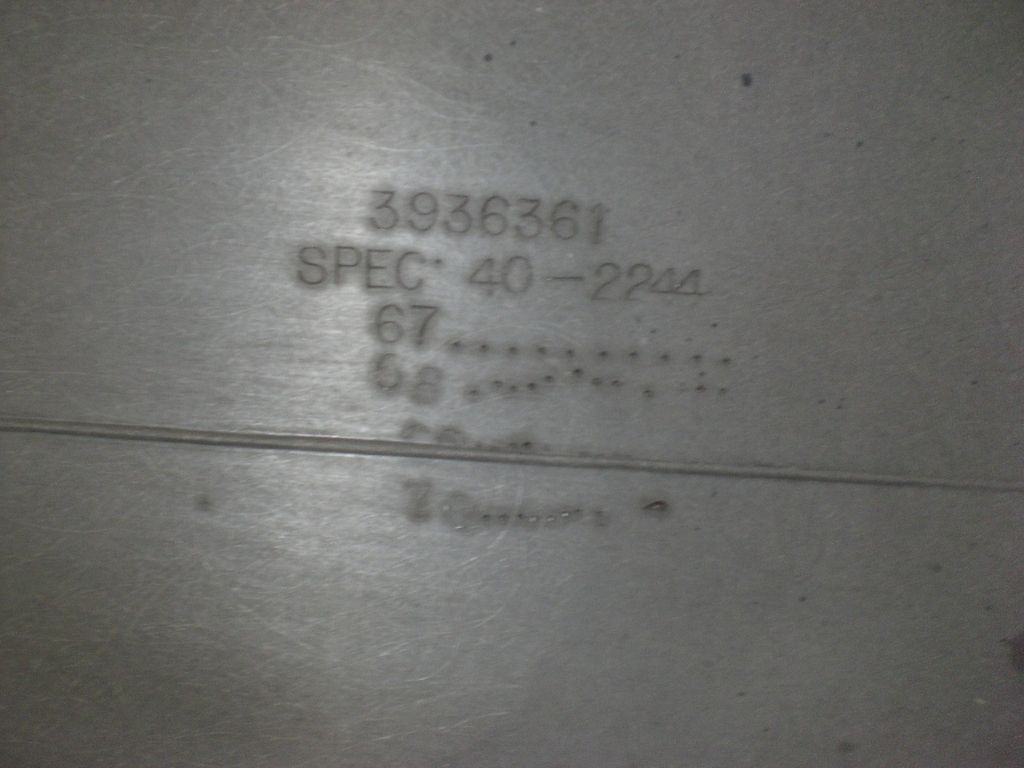
and this one on the rear panel bonding strip:
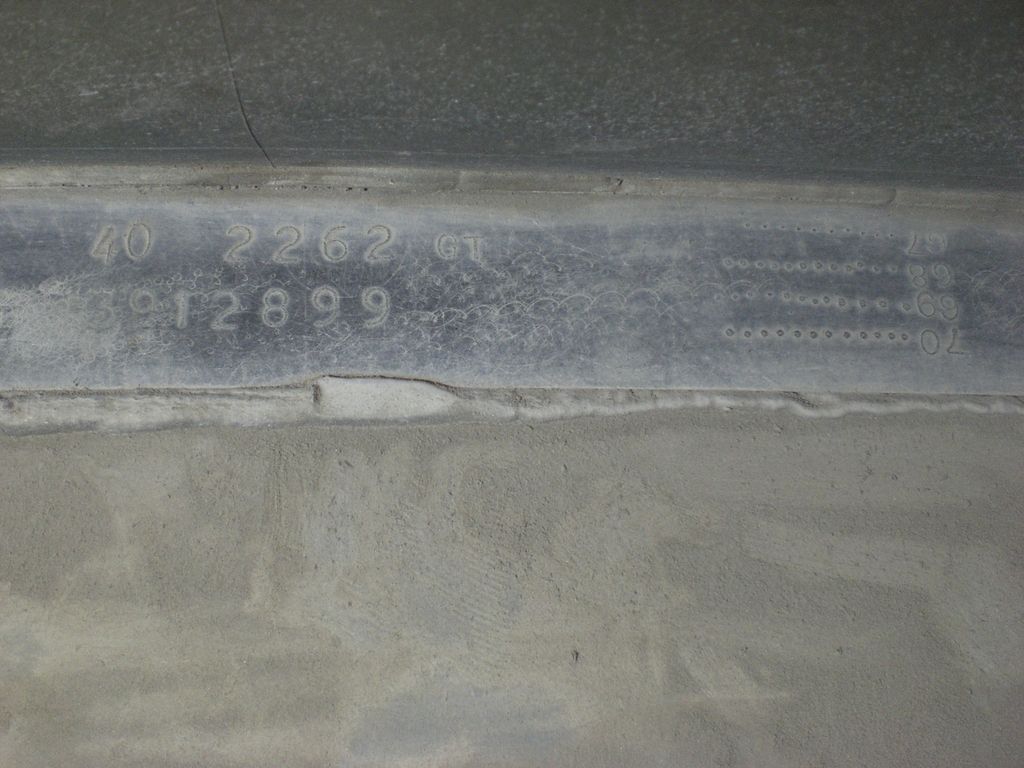
Does anyone know what the year numbers and following dots signify?
I think it might relate to when the item was made, but '71 is not listed at all and I'd think it would be on my Jan '71 car...
Paul

and this one on the rear panel bonding strip:

Does anyone know what the year numbers and following dots signify?
I think it might relate to when the item was made, but '71 is not listed at all and I'd think it would be on my Jan '71 car...
Paul
Team Owner
Joined: Sep 2006
Posts: 31,301
Likes: 4,389
From: Westminster Maryland
Hi n,
The fiberglass pieces that made up the body for January built cars were likely all produced during the calendar year 1970. The gtr date is likely when the body was assembled.
My mid-January built car has the same letters and 1-5-71.
Near the GTR there's also an A-6 in yellow crayon. The A-6 appears on the underside of the hood surround too.
The mold usage chart is on many fiberglass parts like the hood and roof panels for instance. The dots could represent when the mold was used or perhaps when maintenance was done on it.
Regards,
Alan
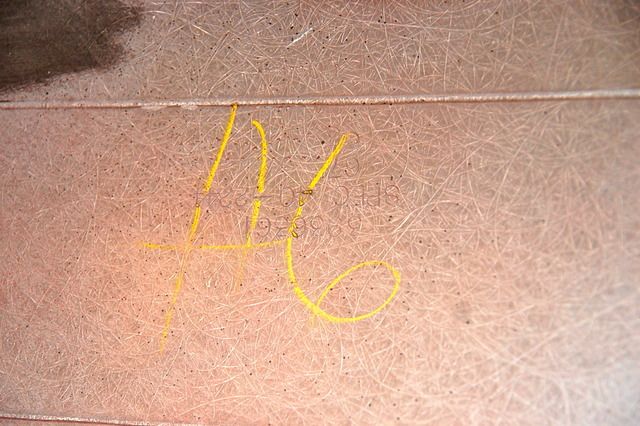
A surround mold and deck panels. Note no hole for the antenna.
The fiberglass pieces that made up the body for January built cars were likely all produced during the calendar year 1970. The gtr date is likely when the body was assembled.
My mid-January built car has the same letters and 1-5-71.
Near the GTR there's also an A-6 in yellow crayon. The A-6 appears on the underside of the hood surround too.
The mold usage chart is on many fiberglass parts like the hood and roof panels for instance. The dots could represent when the mold was used or perhaps when maintenance was done on it.
Regards,
Alan
A surround mold and deck panels. Note no hole for the antenna.
Last edited by Alan 71; Apr 1, 2015 at 08:21 AM.
Team Owner
Joined: Jun 2000
Posts: 38,923
Likes: 1,482
From: Southbound
Cruise-In II Veteran
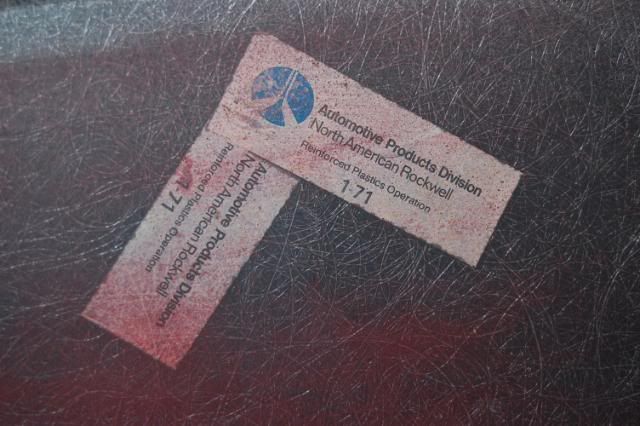
GTR has popped up in the past. Isn't that an inspector's mark and date for General Tire and Rubber? If memory serves, General was producing Corvette fiberglass before it went to Rockwell.
Team Owner
Joined: Sep 2006
Posts: 31,301
Likes: 4,389
From: Westminster Maryland
Hi,
I believe you're right Mike.
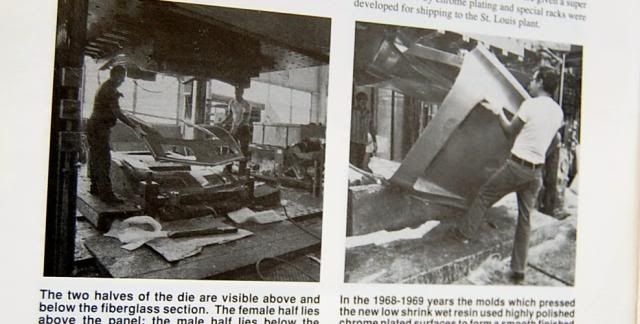
The 69 Book contains the pics I posted and attributes at least some of the body panel's manufacture to General Tire & Rubber.
The hood surround and tire tub on my 71 are from Rockwell while the rear deck is GTR.
Regards,
Alan
I believe you're right Mike.
The 69 Book contains the pics I posted and attributes at least some of the body panel's manufacture to General Tire & Rubber.
The hood surround and tire tub on my 71 are from Rockwell while the rear deck is GTR.
Regards,
Alan
Thread Starter
Old Fart Pilot
Joined: Apr 2010
Posts: 1,929
Likes: 1,001
From: Spokane, WA
Thanks guys. I was aware that Rockwell made body panels for Corvettes but had no idea that General Tire and Rubber did also! I also feel a bit silly that I thought the GTR 1-21-71 was an assembly line date marking since my Vette's order copy is dated 1/26/71. It's all clear now. The car was ordered around 1/26/71, so it makes sense that it used a pre-produced panel with molded in date marks that only went up to 1970 and an inspection engraving dated 1-21-71.
It's very interesting to find all these tid-bits of information about the car!
Paul
It's very interesting to find all these tid-bits of information about the car!
Paul
Team Owner
Joined: Jun 2000
Posts: 38,923
Likes: 1,482
From: Southbound
Cruise-In II Veteran
...I also feel a bit silly that I thought the GTR 1-21-71 was an assembly line date marking since my Vette's order copy is dated 1/26/71. It's all clear now. The car was ordered around 1/26/71, so it makes sense that it used a pre-produced panel with molded in date marks that only went up to 1970 and an inspection engraving dated 1-21-71...
Your order date of 1/26/71 confirms the first owner had already been to a Chevrolet dealership and had ordered a new Corvette, selecting options, colors, etc., and probably putting down a deposit with the dealership before 1/26. That part of the paper trail was completed. The dealer sent the paperwork to Detroit. They checked it over. If there were no questions or discrepancies, Detroit sent the order for a new Corvette to St. Louis with a confirmation sent to the dealer. On January 26th, the order for the new Corvette was received at St. Louis.