When you click on links to various merchants on this site and make a purchase, this can result in this site earning a commission. Affiliate programs and affiliations include, but are not limited to, the eBay Partner Network.
I like your mindset in trying to preserve the paint. Kudos!
Really, in order to chart a future course of action (how you'll ultimately proceed) one should determine the exact condition of the existing paint and any and all blemishes. This is so the restorative action you ultimately take doesn't set you backwards, which can happen. On some blemish conditions, buffing can make it look worse than when you started. Honestly, none of the suggestions above should be tried until you know what the true condition is and which will work best. Sometimes a car can exhibit multiple types of problems too. The point is, paint issues can vary, there's no one-size-fits-all remedy.
You gave a few good clues and ideas of the paint, that helps. But more details are needed. I would encourage you to post some detailed close-up pictures of the paint and any blemishes so we can give you more ideas/feedback. You might consider having an older guy at a bodyshop look it over and give you his assessment of it. Someone who's famaliar with paint issues on 70's/80's automotive paint. Lacquer paint back then often suffered from cracking (AKA 'Checking', 'Crazing' or 'Crow-footing'). This was a common problem. Usually on horizontal surfaces. If you have this issue (micro-cracks in the paint), buffing will take you backwards. The compound will fill in cracks and will look chalky. But if your paint is just chalky, yeah, you could really get a nice job buffing. And like the other guys said, don't even THINK about using rattle-can clearcoat. Rattle can paint of any color should never be considered as an automotive top-coat ...just painting engine parts, brackets and no more.
So, really get your eye down to the surface and post some pictures of what your up against. We'll do the best we can to help you out.
thank you very much. I will photograph all the various problem areas and repost
I like your mindset in trying to preserve the paint. Kudos!
Really, in order to chart a future course of action (how you'll ultimately proceed) one should determine the exact condition of the existing paint and any and all blemishes. This is so the restorative action you ultimately take doesn't set you backwards, which can happen. On some blemish conditions, buffing can make it look worse than when you started. Honestly, none of the suggestions above should be tried until you know what the true condition is and which will work best. Sometimes a car can exhibit multiple types of problems too. The point is, paint issues can vary, there's no one-size-fits-all remedy.
You gave a few good clues and ideas of the paint, that helps. But more details are needed. I would encourage you to post some detailed close-up pictures of the paint and any blemishes so we can give you more ideas/feedback. You might consider having an older guy at a bodyshop look it over and give you his assessment of it. Someone who's famaliar with paint issues on 70's/80's automotive paint. Lacquer paint back then often suffered from cracking (AKA 'Checking', 'Crazing' or 'Crow-footing'). This was a common problem. Usually on horizontal surfaces. If you have this issue (micro-cracks in the paint), buffing will take you backwards. The compound will fill in cracks and will look chalky. But if your paint is just chalky, yeah, you could really get a nice job buffing. And like the other guys said, don't even THINK about using rattle-can clearcoat. Rattle can paint of any color should never be considered as an automotive top-coat ...just painting engine parts, brackets and no more.
So, really get your eye down to the surface and post some pictures of what your up against. We'll do the best we can to help you out.
this is true ...however i would still as always instructed no matter what you try to clean / repair.. try some compound on a small inconspicuous spot and judge results..and expand from there...
you will need to remove some paint regardless of the process.. limit the removal and compromise on final look..
regardless of method you choose.. try some spray wax like flitz waax detail spray and that will optically brighten up the area..
of course condition matters.. and bette rpics as requested..to assess path forward
that said MY GUESS IS there is NOT MUCH paint left!!
Last edited by interpon; Oct 26, 2020 at 11:48 AM.
this is true ...however i would still as always instructed no matter what you try to clean / repair.. try some compound on a small inconspicuous spot and judge results..and expand from there...
you will need to remove some paint regardless of the process.. limit the removal and compromise on final look..
regardless of method you choose.. try some spray wax like flitz waax detail spray and that will optically brighten up the area..
of course condition matters.. and bette rpics as requested..to assess path forward
that said MY GUESS IS there is NOT MUCH paint left!!
thanks for the input. It’s raining today but as soon as it clears I will get better pics
I like your mindset in trying to preserve the paint. Kudos!
Really, in order to chart a future course of action (how you'll ultimately proceed) one should determine the exact condition of the existing paint and any and all blemishes. This is so the restorative action you ultimately take doesn't set you backwards, which can happen. On some blemish conditions, buffing can make it look worse than when you started. Honestly, none of the suggestions above should be tried until you know what the true condition is and which will work best. Sometimes a car can exhibit multiple types of problems too. The point is, paint issues can vary, there's no one-size-fits-all remedy.
You gave a few good clues and ideas of the paint, that helps. But more details are needed. I would encourage you to post some detailed close-up pictures of the paint and any blemishes so we can give you more ideas/feedback. You might consider having an older guy at a bodyshop look it over and give you his assessment of it. Someone who's famaliar with paint issues on 70's/80's automotive paint. Lacquer paint back then often suffered from cracking (AKA 'Checking', 'Crazing' or 'Crow-footing'). This was a common problem. Usually on horizontal surfaces. If you have this issue (micro-cracks in the paint), buffing will take you backwards. The compound will fill in cracks and will look chalky. But if your paint is just chalky, yeah, you could really get a nice job buffing. And like the other guys said, don't even THINK about using rattle-can clearcoat. Rattle can paint of any color should never be considered as an automotive top-coat ...just painting engine parts, brackets and no more.
So, really get your eye down to the surface and post some pictures of what your up against. We'll do the best we can to help you out.
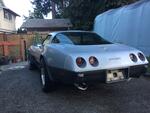
Okay here are some visuals. I know, gahhh , am I nuts, just repaint it. I just finished and sold a MK2 GTI that was pretty nasty but after a lot of OCD attention it looked awesome at 20 ft and was 90% original paint. I’d like to see what can be done with my new car. The bottom charcoal grey and even the silver are pretty good up to the top of wings. I feel comfortable with touching up chips and clean/polish.
Then there are about four really nasty damaged areas that will require sanding/ leveling/painting. They are about 5” square at largest.
And finally the horizontal panels are all cracked, faded, and it appears that the primer is showing through.
I await your wise counsel.
My initial plan will be save the sides up to arches, repair the nasty damage and repaint top side of car to the stripes.
Last edited by Williamhibberd; Oct 26, 2020 at 02:11 PM.
Hmmm.
i would order some touch up paint from sponsor vendor..touch up obvious contrasting color missing paint areas..
clay bar car...
wash and dry with this and periodically wipe with flitz...it will gve you the reflection 20 footer..until you repaint..