When you click on links to various merchants on this site and make a purchase, this can result in this site earning a commission. Affiliate programs and affiliations include, but are not limited to, the eBay Partner Network.
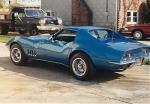
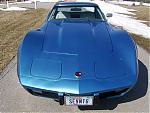
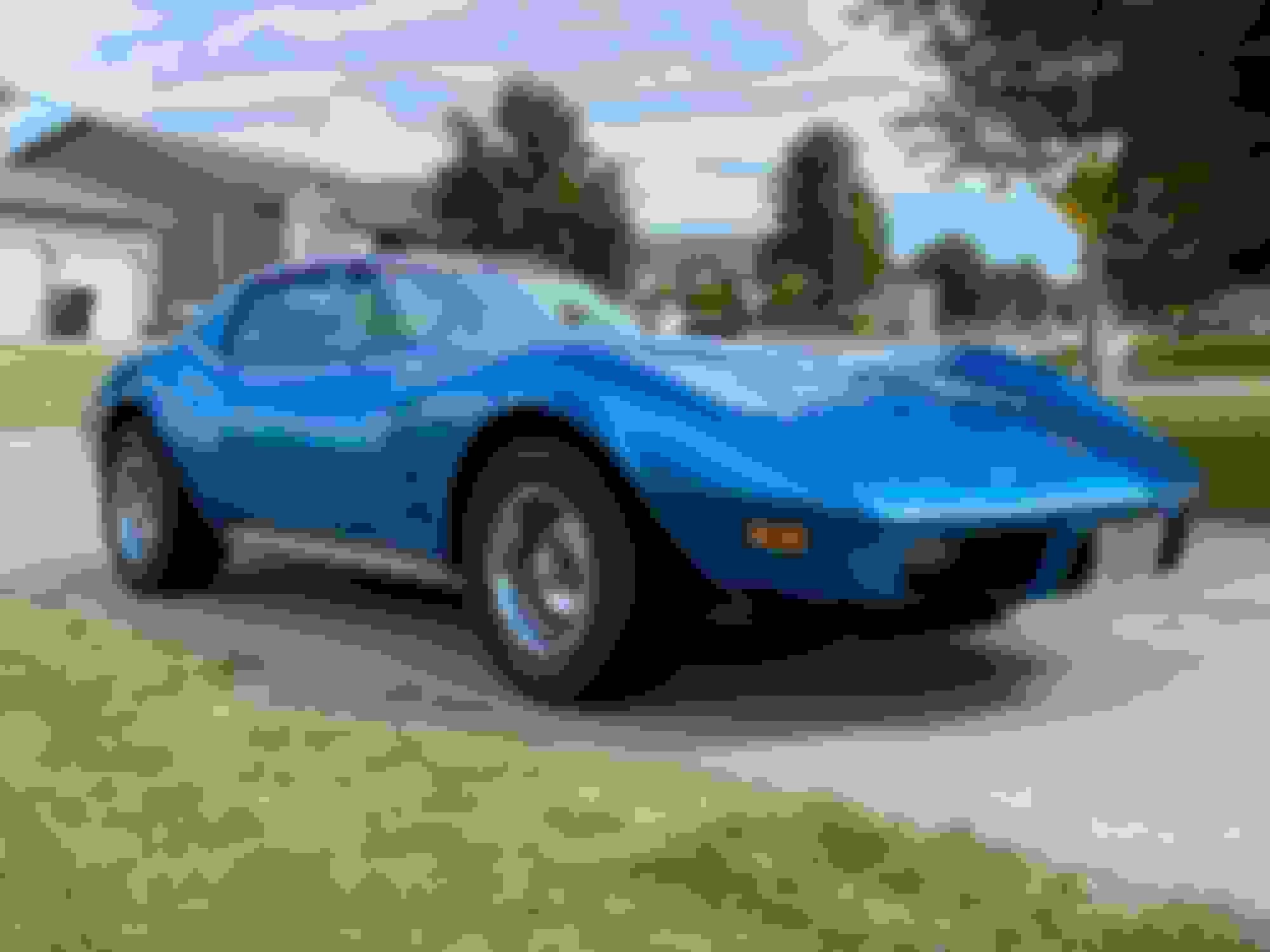
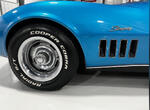
Hello everyone. I know there’s a whole “car care” section here on the Forum, but because I bought an early build (ie made in 1968) 1969 with original Le Mans blue paint, I thought posting here would be more appropriate.
The car is on the other side of the country, and is being shipped, so I have a few days to get supplies,
I take excellent care of the paint on my new DD cars, but I have no idea how to care for original 50+ year old paint (except I’m certain I won’t be taking it to any car wash). I have no intention of ever painting the car, so I want to preserve and protect what’s there. In looking at the general car care forum, it seems that many prefer to wash their cars without water. What products do you recommend?
As far as waxing, how often do I do that? Any product recommendations? Are ceramic coatings a no-no?
I use only microfiber cloths on my DD. Are those good here, or should I consider another product?
I’m going to store it inside my garage when I’m not using it. Is an indoor car cover recommended? Those seem to be made of a softer material than the indoor/outdoor. Any recommendations?
The car will be living in a semi-rural suburb of Boise, Idaho, so of course it has to be put away for the winter. I know there are different threads about winterizing a car; my winter storage question here deals with paint protection. Do you colder climate C3 owners cover the car too? Other than cleaning the car before putting it away for the winter, is there anything else to do? Wax it too?
Finally, any recommendations for taking care of the original dash and door panels, etc.? I don’t want to buy the wrong type of cleaning product.
Thanks, everyone! I know these are basic questions, but I don’t want to make any missteps.
I want to take good care of this. Original paint. I don’t want to screw it up.
Last edited by Coronette; Oct 2, 2022 at 12:00 AM.
Read this thread by Mike Phillips one of the best detail guys in the country. Pay attention to the use of Meguiar's #7. It is essential to the care of single stage lacquer.
First verify original lacquer paint.
if you are happy with the current gloss and appearance after you see it in person…do not use anything that says cleans, polish or renews etc..they all will are abrasive.
if original, you will not see the color come off on your rags as there is no clearcoat if the process is NOT removing paint.
I Would water wash only as needed controlling the areas where water can get entrapped or leak.water soap and gentle washing is the best for cleaning and restoring distinctness of image with the least risk of scratching.
Water and (have insert your fav car wash detergent here) but avoid dish soap like dawn etc as it will remove some waxes and grease.
i suggest the sparingly use of a spray wax while drying like flitz waxx on drying towel.
abrasives, and scratching from various sources not to mention the sun are your greatest contributor to paint damage.
Very nice and congrats.
It looks like it has later model seats from a higher back non headrest car. In the pic of the back window you can see the seat latch in the center behind the headrest area and in the shot through the windshield you can see the trim that goes through the seat on later model Corvettes.
Washing. I have always used Dreft as a detergent. Initially rinse, then wash with Dreft, rinse again (of course). Dry with soft, clean towels (dedicated to washing the car). The keys here are to avoid exposure to harsh cleaners and mitigate chances to introduce a scratch. Hint: Before you do your first wash, have someone inside the car looking for leaks. Don’t worry about a few drips around the roof panels - these cars are notorious for that - just know where they are so you can mop up right afterward. Pay particular attention to the areas at the top of the footwells as the goop the factory applied to the top of the cowl (under the wipers) has long dried out and water can leak in.
Waxing. Most everyone has there preferences and processes. Use quality product lines like Meguiars, Mothers, 3M, etc. What you ultimately select will be dependent on what your plans are regarding washing frequency and what your expectations are. Your perception of what the car looks like with one product after the next wash cycle and the plan is for the car (e.g. a car show or putting the cover on for the next few months) is what counts. I personally normally use Insulator Wax (Collinite 845) as a final wax coat as it is very durable (used for high voltage transmission lines) but if I am getting ready for a car show, I don’t use wax at all as I want a “wet” look for that occasion.
Cleaning/polishing. You obviously know you have 54 year old acrylic lacquer so you need to think preservation (vs restoration) in order to avoid removal of any of the precious veneer. That said, you should be able to modestly “polish” what you have with a very fine polishing compound if you avoid the sharp edges and achieve an acceptable finish (I.e. no swirls). As scary as it sounds, a machine polisher with a 3M foam pad is safer than hand polishing if you know what you are doing and proceed carefully.
Cover. A good quality indoor cover is all you need.
Vinyl protection. I use Meguiars Natural Shine.
Storage. Biggest single concern here is fuel system. Be sure to treat your gas with Sta-bil. Do not use any gas with ethanol. Are you planning to run the engine occasionally while in storage? Another oft-forgotten issue is critter infestation. Make sure you have critter-proofed your garage.
Very nice car. This is my 69 back in 1973. No longer that color but I still have it.
I have had my original paint '69 for 18 yrs. After correctly restoring the underside and engine bay, the car is never driven in the rain, or on wet roads. I cannot remember how many years ago it was last washed. Water causes rust and corrosion and electrical problems. It is your car's worst enemy. I use Meguiars wax and usually keep the car uncovered in the garage. I consider it to be eye candy and if it is hidden under a cover, what is the point of even having it?
2025 c3 ('74-'82) of the Year Finalist - Unmodified
2023 C3 of the Year Finalist - Unmodified
2022 C3 of the Year Finalist - Unmodified
2020 C3 of the Year Finalist - Unmodified
I have a '76 version of Faster Rat. It hasn't been on a wet road in over 37 years & I can't remember the last time I washed it.
I use bug remover after driving and then I get the dust off with Griot's speed shine, the only wax I've used for at least the last 20 years.
Paint is original St. Louis lacquer....
Very nice and congrats.
It looks like it has later model seats from a higher back non headrest car. In the pic of the back window you can see the seat latch in the center behind the headrest area and in the shot through the windshield you can see the trim that goes through the seat on later model Corvettes.
Thanks, everyone, for the excellent suggestions, and how-tos. Those are some absolutely stunning original paint cars! It’s really wonderful to see how well they have been maintained, and current generations can see the very vibrant vintage colors. All of my DD for over 30 years have been white or silver/grey. Part of the fun, I think, of a car this age are the vintage colors that we don’t see every day, the blues, yellows, golds, greens, and the bronzes. Even the vintage reds are different from today’s reds.
On my new DD, with its modern paint finishes, I hand wash it with microfiber cloths and, I think, Meguiar’s wash, and then dry it with a chamois. Between washes I use the California car duster, and I get it professionally waxed and detailed every year.
With this old Chevy paint, however, I don’t want to do anything that would strip or thin the paint. I’m happy to get products specifically for this car, to preserve the original paint. It sounds as if skipping the water wash is the way to go.
Good spot on the seats. I will post a detailed thread when I get the car (don’t have a delivery date yet from the car carrier). The cam broke when the car had very low miles, and the car apparently sat in a garage for ages, not driven. The seller bought it in a non-working condition, and completely fixed or replaced every system. He didn’t restore the interior, so it’s as-found (but cleaner, and everything works). I found the car on the C3 registry with those seats and black carpet, so the seller bought it that way. My guess is that those items didn’t do well in the long term storage, and were replaced with whatever early C3 seats they could get. The seller said the seats are comfortable and the belts work.
I forgot to ask, but is there a particular product for the chrome bumpers?
Last edited by Coronette; Oct 2, 2022 at 01:36 PM.
When I bought my 69 from the second owner it came with all the receipts from the day it was bought and even had the original owners manual and bill of sale and never been re painted except for when flared in 1978 and paint was blended .
Washing. I have always used Dreft as a detergent. Initially rinse, then wash with Dreft, rinse again (of course). Dry with soft, clean towels (dedicated to washing the car). The keys here are to avoid exposure to harsh cleaners and mitigate chances to introduce a scratch. Hint: Before you do your first wash, have someone inside the car looking for leaks. Don’t worry about a few drips around the roof panels - these cars are notorious for that - just know where they are so you can mop up right afterward. Pay particular attention to the areas at the top of the footwells as the goop the factory applied to the top of the cowl (under the wipers) has long dried out and water can leak in.
Waxing. Most everyone has there preferences and processes. Use quality product lines like Meguiars, Mothers, 3M, etc. What you ultimately select will be dependent on what your plans are regarding washing frequency and what your expectations are. Your perception of what the car looks like with one product after the next wash cycle and the plan is for the car (e.g. a car show or putting the cover on for the next few months) is what counts. I personally normally use Insulator Wax (Collinite 845) as a final wax coat as it is very durable (used for high voltage transmission lines) but if I am getting ready for a car show, I don’t use wax at all as I want a “wet” look for that occasion.
Cleaning/polishing. You obviously know you have 54 year old acrylic lacquer so you need to think preservation (vs restoration) in order to avoid removal of any of the precious veneer. That said, you should be able to modestly “polish” what you have with a very fine polishing compound if you avoid the sharp edges and achieve an acceptable finish (I.e. no swirls). As scary as it sounds, a machine polisher with a 3M foam pad is safer than hand polishing if you know what you are doing and proceed carefully.
Cover. A good quality indoor cover is all you need.
Vinyl protection. I use Meguiars Natural Shine.
Storage. Biggest single concern here is fuel system. Be sure to treat your gas with Sta-bil. Do not use any gas with ethanol. Are you planning to run the engine occasionally while in storage? Another oft-forgotten issue is critter infestation. Make sure you have critter-proofed your garage.
Very nice car. This is my 69 back in 1973. No longer that color but I still have it.
Gorgeous car and great advice! You are spot on about paint preservation. My plan now, after reading these posts, is to carefully keep it clean myself with these products and methods, and seek out any local professionals here who work with vintage cars and paint for waxing. I definitely don’t want to rub off or damage the paint myself.
I’ve always enjoyed regularly washing my cars, and keeping them looking good. My cars are immaculate inside. I even keep a microfiber cloth in the glove box for when my DD’s dash gets dusty. So, keeping my car clean is not a chore to me, but something I enjoy. But, I’ve never waxed a car myself (I know my limits), and leave that to professionals.
As for storage, I’m still figuring this out, and will likely create a separate thread. While it does snow here (about 11 inches a year), it’s not a lot, or even every day. They do, however, salt the roads. So, if there’s a week long stretch in December or January where it’s clear skies above, I’d definitely want to take the car out. I’d heard that the car should be running and driven for at least 45 minutes to get the fluids circulating. All of our “regular” cars here get driven daily, so there isn’t a “cold storage” issue. We also have traps for vermin.
Read this thread by Mike Phillips one of the best detail guys in the country. Pay attention to the use of Meguiar's #7. It is essential to the care of single stage lacquer.
When I bought my 69 from the second owner it came with all the receipts from the day it was bought and even had the original owners manual and bill of sale and never been re painted except for when flared in 1978 and paint was blended .
Read this thread by Mike Phillips one of the best detail guys in the country. Pay attention to the use of Meguiar's #7. It is essential to the care of single stage lacquer.
AMC guy…fun fact..my father worked at Kelvinator appliances when he came home from WW2 which was part of Nash, then AMC.. he actually put porcelain on some AMC exterior car components . I forgot which model but didn’t last long. I would ask him but i lost him a month ago. I remember him saying it was difficult to repair when impacted as it would crack..but boy it would have lasted..
the article is ok but I would disagree with many of the authors reasons and facts regarding coatings and assumptions/ facts but there are a few truisms.
meguiars #7 is your best friend with original lacquer. i top mine with #26 tech wax. if you hit a really bad spot ive gone to 205 finishing polish (rare).
I have had my original paint '69 for 25 years. Clay bar followed by Mcguires NXT Tech wax is about it once a year. After most drives I go over the low surfaces behind the wheels with Mcguires quick detailer and a cloth. Those tires kick up a lot of mung. Quick detailer on the rest of it when needed. The lacquer is soft compared to todays paints so it dents more often than it scratches. Try not to go overboard trying to remove dents because all your'e doing is cutting off good paint. I don't remember the last time I washed because it just hasn't needed it.
The previous owner said he used to take it to the beach and girls would sit on the hood. I don't let girls sit on the hood.
Here is the process
1. Wash the car to remove all contaminates
2. Apply a whole bottle of meguires no 7 to the car
3. Let it sit on the paint for a week as the oils in the original formula meguires no 7 soaks into the lacquer paint and restores the luster
4.Wipe off with a microfiber.
5. Reapply another coat and let it sit for a week.
6. Wipe off and hand rub out with a microfiber.
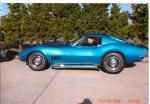
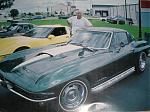
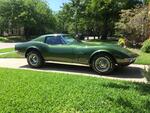
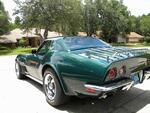
Here are a few original paint cars that I took through the process:














 Care for original paint on ‘69