Capt'n Lee's stripper experts needed....
Thread Starter
Instructor


Joined: Sep 2006
Posts: 192
Likes: 0
From: Fort Lauderdale FL
 Capt'n Lee's stripper experts needed....
Hello all;
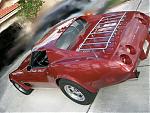
In researching various paint stripping methods and my case of 3 coats of paint I decided to use Capt'n Lee's stripper on my 75, took me about 15 hours to get the whole car done, reapplying the stripper 3-4 times to get all of the old paint and primer coats off.
I washed each pannel with water and then wiped with lacquer thinner. I found two small repairs that had been fixed with short strand glass filler and some type of putty filler, like bondo.
Question regarding the filler as well as body seams, all of my seams are in great shape and show no cracks, has the Capt'n Lee's been absorbed into the seams and filler? Do I have to grind these out and replace or will I be fine? I'm affraid of the Capt'n Lee's comming back to haunt me later.
If you used Capt'n Lee's for your car, please let me know how you addressed these concerns and what your results have been.
Thanks
Bill
In researching various paint stripping methods and my case of 3 coats of paint I decided to use Capt'n Lee's stripper on my 75, took me about 15 hours to get the whole car done, reapplying the stripper 3-4 times to get all of the old paint and primer coats off.
I washed each pannel with water and then wiped with lacquer thinner. I found two small repairs that had been fixed with short strand glass filler and some type of putty filler, like bondo.
Question regarding the filler as well as body seams, all of my seams are in great shape and show no cracks, has the Capt'n Lee's been absorbed into the seams and filler? Do I have to grind these out and replace or will I be fine? I'm affraid of the Capt'n Lee's comming back to haunt me later.
If you used Capt'n Lee's for your car, please let me know how you addressed these concerns and what your results have been.
Thanks
Bill
Racer

Joined: Apr 2001
Posts: 413
Likes: 0
From: Bluffdale Utah
Bill,
I used the same stripper. I've heard that if you've exposed any bondo type filler that is not fiberglass that you should grind it out and replace it. As of the seams, I replaced both my bumpers with the tru flex type and therefore don't have that situation. I'm not sure what else to tell you.
Good luck,
Brad
I used the same stripper. I've heard that if you've exposed any bondo type filler that is not fiberglass that you should grind it out and replace it. As of the seams, I replaced both my bumpers with the tru flex type and therefore don't have that situation. I'm not sure what else to tell you.
Good luck,
Brad

Race Director


Joined: Sep 2001
Posts: 10,560
Likes: 439
From: Wellington, FL
St. Jude Donor '11 thru '25
I used this stripper on a '75 and never had a problem. However, I did redo the seams. I would suggest doing the seams as that way you'll be safe and the job we'll be done right. You could also call the Capt and see what they say.
Thread Starter
Instructor
Joined: Sep 2006
Posts: 192
Likes: 0
From: Fort Lauderdale FL
Thanks Brad and Jud.
Luckily the bondo areas are small, so not much grinding, it's the body seams that run the length of the car that I'm worried about, mine look great and are not soft to the touch after the stripper like the bondo stuff was.
Jud, what did you use to replace the body seams?
Also on filler is there a preference polyester based?
Lastly did you guys let your car sit for a while and evap all of the old stripper before sealing or did you jump right in to the sealing, primer etc after stripping? I'm in south Florida, so I plan to let the body sit in the sun a couple of days before I put the sealer on.
TIA
Luckily the bondo areas are small, so not much grinding, it's the body seams that run the length of the car that I'm worried about, mine look great and are not soft to the touch after the stripper like the bondo stuff was.
Jud, what did you use to replace the body seams?
Also on filler is there a preference polyester based?
Lastly did you guys let your car sit for a while and evap all of the old stripper before sealing or did you jump right in to the sealing, primer etc after stripping? I'm in south Florida, so I plan to let the body sit in the sun a couple of days before I put the sealer on.
TIA
Race Director
Joined: Sep 2001
Posts: 10,560
Likes: 439
From: Wellington, FL
St. Jude Donor '11 thru '25
Originally Posted by 75coupered
Thanks Brad and Jud.
Luckily the bondo areas are small, so not much grinding, it's the body seams that run the length of the car that I'm worried about, mine look great and are not soft to the touch after the stripper like the bondo stuff was.
Jud, what did you use to replace the body seams?
Also on filler is there a preference polyester based?
Lastly did you guys let your car sit for a while and evap all of the old stripper before sealing or did you jump right in to the sealing, primer etc after stripping? I'm in south Florida, so I plan to let the body sit in the sun a couple of days before I put the sealer on.
TIA
Luckily the bondo areas are small, so not much grinding, it's the body seams that run the length of the car that I'm worried about, mine look great and are not soft to the touch after the stripper like the bondo stuff was.
Jud, what did you use to replace the body seams?
Also on filler is there a preference polyester based?
Lastly did you guys let your car sit for a while and evap all of the old stripper before sealing or did you jump right in to the sealing, primer etc after stripping? I'm in south Florida, so I plan to let the body sit in the sun a couple of days before I put the sealer on.
TIA
Regarding letting the car sit, I was working full time so, yes the car sat for quite a while. Of course after the car was stripped, we spent quite of bit of time block sanding the entire vehicle which, as you know, really makes the difference. I remember using tons of water after the stripping as this is supposed to neutralize the stripper. Good luck!
Last edited by Jud Chapin; Oct 26, 2006 at 08:52 AM.
Le Mans Master


Joined: Jul 1999
Posts: 9,206
Likes: 17
From: Sewell NJ
I'll tell you what happened to me.
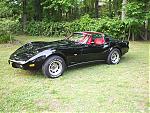
I used Capt'n Lee's and stripped my car to the fiberglass. For a final rinse I used water with dishwashing liquid and went over the whole car with 400 grit sandpaper and scotchbrite pads, flushing all the time with water. I've never had any problem with residual stripper using this method.
My problem occurred with addressing the deams on the fenders. When I looked at them they appeared to have superficial cracking which I thought to be cosmetic. I smoothed them out with a bodyfiller and them primed and painted the car. It looked great for about a year but then the cracks started coming back. I had to go through the entire stripping process again. This time I ground out the seam filler and fiberglassed all the seams which effectively makes the fenders all one piece. This did the trick. Its been probably 12 to 15 years since I did this and no cracks have returned.
The problem with seams is you can't see what's happening behind the filler on the bonding strip. If that area is weak the panels will expand and contract and eventually crack. It might take a little time now but the savings in the long run (not having to do it all over again) are worth the effort to bond the seams together now.
Good luck in whatever you decide.
I used Capt'n Lee's and stripped my car to the fiberglass. For a final rinse I used water with dishwashing liquid and went over the whole car with 400 grit sandpaper and scotchbrite pads, flushing all the time with water. I've never had any problem with residual stripper using this method.
My problem occurred with addressing the deams on the fenders. When I looked at them they appeared to have superficial cracking which I thought to be cosmetic. I smoothed them out with a bodyfiller and them primed and painted the car. It looked great for about a year but then the cracks started coming back. I had to go through the entire stripping process again. This time I ground out the seam filler and fiberglassed all the seams which effectively makes the fenders all one piece. This did the trick. Its been probably 12 to 15 years since I did this and no cracks have returned.
The problem with seams is you can't see what's happening behind the filler on the bonding strip. If that area is weak the panels will expand and contract and eventually crack. It might take a little time now but the savings in the long run (not having to do it all over again) are worth the effort to bond the seams together now.
Good luck in whatever you decide.
Le Mans Master

Joined: Oct 2005
Posts: 6,247
Likes: 471
From: Glen Allen, VA
I used Captn Lees on mine last winter and have had no problems. The bonding seams were reworked by the painter, mine were all sunken in. The car sat a month before going to the painter, but as mentioned above, each panel was washed with water thouroughly and then wiped down with laquer thinner. This was done before the car sat for a month. 6 months later, I've had no issues whatsoever.
Thread Starter
Instructor
Joined: Sep 2006
Posts: 192
Likes: 0
From: Fort Lauderdale FL
Originally Posted by vettfixr
I'll tell you what happened to me.
I used Capt'n Lee's and stripped my car to the fiberglass. For a final rinse I used water with dishwashing liquid and went over the whole car with 400 grit sandpaper and scotchbrite pads, flushing all the time with water. I've never had any problem with residual stripper using this method.
My problem occurred with addressing the deams on the fenders. When I looked at them they appeared to have superficial cracking which I thought to be cosmetic. I smoothed them out with a bodyfiller and them primed and painted the car. It looked great for about a year but then the cracks started coming back. I had to go through the entire stripping process again. This time I ground out the seam filler and fiberglassed all the seams which effectively makes the fenders all one piece. This did the trick. Its been probably 12 to 15 years since I did this and no cracks have returned.
The problem with seams is you can't see what's happening behind the filler on the bonding strip. If that area is weak the panels will expand and contract and eventually crack. It might take a little time now but the savings in the long run (not having to do it all over again) are worth the effort to bond the seams together now.
Good luck in whatever you decide.
I used Capt'n Lee's and stripped my car to the fiberglass. For a final rinse I used water with dishwashing liquid and went over the whole car with 400 grit sandpaper and scotchbrite pads, flushing all the time with water. I've never had any problem with residual stripper using this method.
My problem occurred with addressing the deams on the fenders. When I looked at them they appeared to have superficial cracking which I thought to be cosmetic. I smoothed them out with a bodyfiller and them primed and painted the car. It looked great for about a year but then the cracks started coming back. I had to go through the entire stripping process again. This time I ground out the seam filler and fiberglassed all the seams which effectively makes the fenders all one piece. This did the trick. Its been probably 12 to 15 years since I did this and no cracks have returned.
The problem with seams is you can't see what's happening behind the filler on the bonding strip. If that area is weak the panels will expand and contract and eventually crack. It might take a little time now but the savings in the long run (not having to do it all over again) are worth the effort to bond the seams together now.
Good luck in whatever you decide.
Thanks Vettfixr, Regarding your seam did they show any cracking in the paint prior to the first stripping, or was that after you took the paint off?
In terms of glassing them, did you go resin and fiber or just use the short hair filler?
As to the washing process how much time do you have to do this, should it be done after every panel or once the car is done? I started my stripping 3 days ago and finished yesterday, I washed down each panel done with water and a scotchbrite pad, dried and then wiped down again with lacquer thinner afterwards.
Should I wash down the whole car now or can I wait until after initial sanding?
Thanks for all the input this helps out.
Last edited by 75coupered; Oct 26, 2006 at 03:52 PM.
Corvette Stories
The Best of Corvette for Corvette Enthusiasts

Top 10 Most Expensive Corvettes Ever Sold on Bring A Trailer
Brett Foote
10 Things Every Corvette Owner Needs (2026 Edition)
Michael S. Palmer
8 Most "Only Corvette Owners Understand" Quirks and Problems
Pouria Savadkouei
10 Reasons the C6 Z06 is Still A Performance Benchmark After 20 Years
Joe Kucinski
How Much Horsepower Every Corvette Engine "LOST" in 1972
Joe Kucinski
Top 10 DOs and DON'Ts for Protecting Your Convertible Top!
Michael S. Palmer
Top 10 Most Explosive Corvettes Ever Made: Power-to-Weight Ratio Ranked!
Joe Kucinski
150 hp to 1,250 hp: Every Corvette Generation Compared by the Specs That Matter
Joe Kucinski
8 Coolest Corvette Pace Cars (and Replicas) of All Time
Verdad Gallardo [/IMG]
 [/IMG]
 [/IMG]
Pro

Joined: Nov 1999
Posts: 520
Likes: 5
From: Front Range
That's looking real good there... it doesn't appear that you have a whole ton of body filler on there, but in case this helps... in my situation there was much more filler, even filler of various colors. there was some pink stuff, some flesh colored stuff (the good kind), some blue stuff and some green stuff. (Tijuana body shops are not known for their choice of premium materials) I found that if the stripper was left for too long, it would definitely absorb into the filler, to the point where after washing, you could pretty much dig it out with your fingernail.
Now I don't know how much of that was attributed to poor mixing of filler and hardener (obviously the last person who worked on mine wasn't very consistent), but depending on how long you left stripper on the surface, you may want to at least go over the surface of exposed filler with some 400 grit to give it a clean finish.
You certainly want to surface to be as smooth as possible in terms of contour... but when you go over it with primer sealer and primer surfacer, you'll be able to fine tune the contours to whatever level of perfection you decide to invest your time into with the block...
Just consider yourself lucky you didn't find what I did when I stripped the paint off... all my fenders were trashed, cracks all along the ridges front and back at the main sidepanel / top seams, spiderwebbing on the deck, fenders installed with rivets (which weren't removed, then bondo-ed over!), "shaved" door locks and side marker recesses, etc. etc. Took like 1200 hours of work to get it ready for paint... I kid you not.
Now I don't know how much of that was attributed to poor mixing of filler and hardener (obviously the last person who worked on mine wasn't very consistent), but depending on how long you left stripper on the surface, you may want to at least go over the surface of exposed filler with some 400 grit to give it a clean finish.
You certainly want to surface to be as smooth as possible in terms of contour... but when you go over it with primer sealer and primer surfacer, you'll be able to fine tune the contours to whatever level of perfection you decide to invest your time into with the block...
Just consider yourself lucky you didn't find what I did when I stripped the paint off... all my fenders were trashed, cracks all along the ridges front and back at the main sidepanel / top seams, spiderwebbing on the deck, fenders installed with rivets (which weren't removed, then bondo-ed over!), "shaved" door locks and side marker recesses, etc. etc. Took like 1200 hours of work to get it ready for paint... I kid you not.
Thread Starter
Instructor
Joined: Sep 2006
Posts: 192
Likes: 0
From: Fort Lauderdale FL
wow
1200 hours 
I'm real happy, this one is in nearly no-hit condition, the front drivers bumper was tapped twice, once before the last cheap re-paint and once after, the good thing is that it was fairly light, the original bumper is intact as is the egg crate impact plastic and you can see where the impact was, but no straightening of the bumper is needed and a new urethane bumper cover are all that's getting replaced, even the bumper cover mounting clips were not deformed. Just a little glass in the front drivers fender and both front wheel arch tops about 2-3 in each, the rest of the body is free of repair.
This one's originally from southern CA and the frame shows it, no rust other than surface dust, the windshield pillars and the birdcage are the same, a smidggen of rust dust on the leading edges of the metal but all else was OE paint and nice, the worst were the no. 2 body mount bushings behind the door kick panels, there was some scale here, but very little some loosening and de-rusting and that's it, I treated all the frame and mentioned areas with zinc posphate, topcoated only where needed and have moved on to the body which seems to be in very good condition as well.
back to sanding
I'm real happy, this one is in nearly no-hit condition, the front drivers bumper was tapped twice, once before the last cheap re-paint and once after, the good thing is that it was fairly light, the original bumper is intact as is the egg crate impact plastic and you can see where the impact was, but no straightening of the bumper is needed and a new urethane bumper cover are all that's getting replaced, even the bumper cover mounting clips were not deformed. Just a little glass in the front drivers fender and both front wheel arch tops about 2-3 in each, the rest of the body is free of repair.
This one's originally from southern CA and the frame shows it, no rust other than surface dust, the windshield pillars and the birdcage are the same, a smidggen of rust dust on the leading edges of the metal but all else was OE paint and nice, the worst were the no. 2 body mount bushings behind the door kick panels, there was some scale here, but very little some loosening and de-rusting and that's it, I treated all the frame and mentioned areas with zinc posphate, topcoated only where needed and have moved on to the body which seems to be in very good condition as well.
back to sanding
Le Mans Master
Joined: Jul 1999
Posts: 9,206
Likes: 17
From: Sewell NJ
Originally Posted by 75coupered
Thanks Vettfixr, Regarding your seam did they show any cracking in the paint prior to the first stripping, or was that after you took the paint off?
In terms of glassing them, did you go resin and fiber or just use the short hair filler?
As to the washing process how much time do you have to do this, should it be done after every panel or once the car is done? I started my stripping 3 days ago and finished yesterday, I washed down each panel done with water and a scotchbrite pad, dried and then wiped down again with lacquer thinner afterwards.
Should I wash down the whole car now or can I wait until after initial sanding?
Thanks for all the input this helps out.
In terms of glassing them, did you go resin and fiber or just use the short hair filler?
As to the washing process how much time do you have to do this, should it be done after every panel or once the car is done? I started my stripping 3 days ago and finished yesterday, I washed down each panel done with water and a scotchbrite pad, dried and then wiped down again with lacquer thinner afterwards.
Should I wash down the whole car now or can I wait until after initial sanding?
Thanks for all the input this helps out.

Thread Starter
Instructor
Joined: Sep 2006
Posts: 192
Likes: 0
From: Fort Lauderdale FL
Thanks vettfixr, that finish looks amazing!
I take it you stayed with lacquer paint? When you mentioned topcoat, did you clear lacquer over your paint a few times?
For now I'm leaning towards staying with lacquer if I shoot the car and for originality purposes, this is really just a garaged weekender car so I'm not as concerned with durability as with finish quality.
Thanks to all I'll keep you posted as this progresses
I take it you stayed with lacquer paint? When you mentioned topcoat, did you clear lacquer over your paint a few times?
For now I'm leaning towards staying with lacquer if I shoot the car and for originality purposes, this is really just a garaged weekender car so I'm not as concerned with durability as with finish quality.
Thanks to all I'll keep you posted as this progresses
Le Mans Master
Joined: Jul 1999
Posts: 9,206
Likes: 17
From: Sewell NJ
Originally Posted by 75coupered
Thanks vettfixr, that finish looks amazing!
I take it you stayed with lacquer paint? When you mentioned topcoat, did you clear lacquer over your paint a few times?
For now I'm leaning towards staying with lacquer if I shoot the car and for originality purposes, this is really just a garaged weekender car so I'm not as concerned with durability as with finish quality.
Thanks to all I'll keep you posted as this progresses
I take it you stayed with lacquer paint? When you mentioned topcoat, did you clear lacquer over your paint a few times?
For now I'm leaning towards staying with lacquer if I shoot the car and for originality purposes, this is really just a garaged weekender car so I'm not as concerned with durability as with finish quality.
Thanks to all I'll keep you posted as this progresses
Before you make the decision on staying with lacquer here are a few things to think of.
Lacquer is being phased out even as we read this and in the future you may not be able to get it for touch ups or panel repaints. I know PPG says they're going to continue to make it but if they don't make a good return on their investment they'll drop it like a bad habit.
Lacquer is brittle and dries continuously. Even a garage queen will be more susceptible to cracking, and defects in the paint due to natural and man made issues. Bird droppings can etch the paint in minutes and we don't even want to talk about some of the chemicals we use in the garage and what they can do to it.
It's a high maintenance finish. Every year you will be compounding and using swirl and haze remover to keep the shine up. I remember my dad, back in the early 50s compounding and Simonizing his cars every year by hand. This is the technology were talking about.
Even if your original lacquer has held up beautifully over the years consider that the paint you will spray will not be like the paint used at the factory. Factory paint was formulated different than what you buy on the aftermarket because it was baked in ovens and also needed to be dry and ready to ship in a much shorter time than a repaint would.
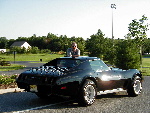
I can tell you honestly that owning a black lacquer car is challenging and I've put 100 times the work into maintaining it as you see in the picture as I have in my daily drivers. Is it worth it? For me, yes. I like the idea of being able to easily spot repair any chips or scratches and for me there is nothing like the depth and reflectivity of a lacquer finish. It's also a very safe paint to spray. I really didn't want to get into the whole spacesuit thing required when using the newer paints.
You'll have to make your own choices on what you want to do. Good luck whatever choices you make.

Le Mans Master
Joined: May 2002
Posts: 5,086
Likes: 786
From: Lebanon Township New Jersey
One suggestion about primer. After stripping my car with Captain Lee's, we used a primer/sealer, then sanded, then used primer surfacer and more sanding. Then base coat/clear coat, all DuPont products. We thought the sealer effect might be helpful in preventing any future problems. So far, so good.
Race Director
Joined: Sep 2001
Posts: 10,560
Likes: 439
From: Wellington, FL
St. Jude Donor '11 thru '25
I would not use lacquer. In fact, you may not even be able to get in your state as many have outlawed it. Actually, even if you can get it, it is not the quality it was when our C3's were originally painted. PPG has a tech line and they would be happy to talk to you about it. The paints of today are far superior to any lacquer.
Race Director
Joined: Sep 2001
Posts: 10,560
Likes: 439
From: Wellington, FL
St. Jude Donor '11 thru '25
Originally Posted by Jud Chapin
I would not use lacquer. In fact, you may not even be able to get in your state as many have outlawed it. Actually, even if you can get it, it is not the quality it was when our C3's were originally painted. PPG has a tech line and they would be happy to talk to you about it. The paints of today are far superior to any lacquer.
http://www.ppg.com/car_autocoat/default.htm
Perhaps you can find a no. there or use their email "contact us".
Thread Starter
Instructor
Joined: Sep 2006
Posts: 192
Likes: 0
From: Fort Lauderdale FL
Originally Posted by BKbroiler
One suggestion about primer. After stripping my car with Captain Lee's, we used a primer/sealer, then sanded, then used primer surfacer and more sanding. Then base coat/clear coat, all DuPont products. We thought the sealer effect might be helpful in preventing any future problems. So far, so good.
BK, agreed, I'm sanding as much roughness and residual paint on the body now but plan on using a good primer/sealer and then highbuild filler primer sand etc., so far the body is in really nice shape and there are only some very fine scratches to fill in which the primer should take care of.
Vettefixr, thanks for the info, like you I don't have the interest to invest in a space suit, nor will I ruin my scuba gear shooting BC/CC, so unless I can find someone that has the equipment and interest to shoot the car for me at a good price I will consider the enamel. An Black is beautiful but a paint to maintain in any color especially lacquer
I've shot lacquer before, and I can find it quite easily, PPG, Dupont, House of Colors and several other retailers still offer it... not sure for how long though.
Jud, Vettfixr and all:
Does anyone know how good are the single stage enamels? My color dark red, more like a small flake metallic ruby red and it comes in both single stage lacquer and enamel, has anyone used the enamel for metalics before? What were the results?
Thanks again