



High RPM SBC ?

Race Director


Joined: Apr 2000
Posts: 17,676
Likes: 201
From: Who says "Nothing is impossible" ? I've been doing nothing for years.

stock 400 block here bored .040 cast crank, stock short rods, studded the 2 bolt mains and arp rod bolts, hyperutectic pistons, not even balanced. in a 3900 # car for 6 years. spin it to 7200 while blowing nitrous thru it. its an $800. swapmeet shortblock. years ago my $8000. + sm block with all the good stuff made 1 pass and kicked a rod out. go figure. used to run the stock 283 to 8000 rpm with a 4-speed and 5:38 gears. never had the pan off, bone stock shortblock from 1961
Buy yourself a lottery ticket tonight

That same OEM 400 block could have blown in the first 60ft. it luck at this point more than anything else, good machining and put together well helps too

I had my cast crank, hyper piston 406ci up to 6500RPM many times too however I would never build one again, you just never know. Luck of the draw in many cases

Last edited by MotorHead; Dec 9, 2009 at 03:29 PM.
Safety Car


Joined: Sep 2009
Posts: 4,964
Likes: 28
From: Pittsburgh PA
Buy yourself a lottery ticket tonight
That same OEM 400 block could have blown in the first 60ft. it luck at this point more than anything else, good machining and put together well helps too
I had my cast crank, hyper piston 406ci up to 6500RPM many times too however I would never build one again, you just never know. Luck of the draw in many cases
That same OEM 400 block could have blown in the first 60ft. it luck at this point more than anything else, good machining and put together well helps too
I had my cast crank, hyper piston 406ci up to 6500RPM many times too however I would never build one again, you just never know. Luck of the draw in many cases
Thread Starter
Racer

Joined: Oct 2009
Posts: 441
Likes: 2
From: San Antonio TX
Manuel > on the 327 it's .120 on mains .90 on rods ,yea its a steel crank its also bee decked so many times the pistons actually run out of their holes
Ran it many times in my '67 RS Camaro ( and blew it up alot too )
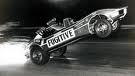
Shortblock was built by Randy Curtis in CC,Tx , he ran a Vette' Wheelstander back in the day called " The Fugitive "
He special ordered the bearings and I have no idea where he got them ?
Its been sitting about 10yrs. , but I can build it up , just rather not put it back into something I'm going to trash on !
Ran it many times in my '67 RS Camaro ( and blew it up alot too )
Shortblock was built by Randy Curtis in CC,Tx , he ran a Vette' Wheelstander back in the day called " The Fugitive "
He special ordered the bearings and I have no idea where he got them ?
Its been sitting about 10yrs. , but I can build it up , just rather not put it back into something I'm going to trash on !
Race Director
Joined: Apr 2000
Posts: 17,676
Likes: 201
From: Who says "Nothing is impossible" ? I've been doing nothing for years.
Manuel > on the 327 it's .120 on mains .90 on rods ,yea its a steel crank its also bee decked so many times the pistons actually run out of their holes
Ran it many times in my '67 RS Camaro ( and blew it up alot too )
Shortblock was built by Randy Curtis in CC,Tx , he ran a Vette' Wheelstander back in the day called " The Fugitive "
He special ordered the bearings and I have no idea where he got them ?
Its been sitting about 10yrs. , but I can build it up , just rather not put it back into something I'm going to trash on !
Ran it many times in my '67 RS Camaro ( and blew it up alot too )
Shortblock was built by Randy Curtis in CC,Tx , he ran a Vette' Wheelstander back in the day called " The Fugitive "
He special ordered the bearings and I have no idea where he got them ?
Its been sitting about 10yrs. , but I can build it up , just rather not put it back into something I'm going to trash on !

Melting Slicks

Joined: Jul 2005
Posts: 2,545
Likes: 3
From: 406ci SB, AFR 180 Heads - 490 HP @5,600 RPM 529 lb-ft @ 4,100 RPM
Enjoy my 406 sb, 490 hp @ 5600 rpm, 529 ft.lb torque @ 4100 rpm using 87 octane fuel, find it a nice street engine. Built this engine so hp & torque are all in at around 5600, pushing it to a higher rpm gain's me nothing but noise.
Good luck with your choice.
Good luck with your choice.
Le Mans Master


Joined: Jan 2006
Posts: 6,506
Likes: 139
From: Butler Pa
Manuel > on the 327 it's .120 on mains .90 on rods ,yea its a steel crank its also bee decked so many times the pistons actually run out of their holes
Ran it many times in my '67 RS Camaro ( and blew it up alot too )
Shortblock was built by Randy Curtis in CC,Tx , he ran a Vette' Wheelstander back in the day called " The Fugitive "
He special ordered the bearings and I have no idea where he got them ?
Its been sitting about 10yrs. , but I can build it up , just rather not put it back into something I'm going to trash on !
Ran it many times in my '67 RS Camaro ( and blew it up alot too )
Shortblock was built by Randy Curtis in CC,Tx , he ran a Vette' Wheelstander back in the day called " The Fugitive "
He special ordered the bearings and I have no idea where he got them ?
Its been sitting about 10yrs. , but I can build it up , just rather not put it back into something I'm going to trash on !
Le Mans Master
Joined: Apr 2000
Posts: 7,562
Likes: 9
From: B'Ville NY
Cruise-In III Veteran
St. Jude Donor '05
I can't believe no one commented on the 3.36 gears, those are not typically high revving gears. That being said, there's just something about being able to keep it in gear and just revving the engine with no worries vs thinking "I better shift before I blow this thing!"
Last edited by SmokedTires; Dec 11, 2009 at 08:39 AM.
Corvette Stories
The Best of Corvette for Corvette Enthusiasts

Every 2027 Corvette Engine Explained
Joe Kucinski
Designer Imagines A Corvette That Looks More Like a Corvette Than the Corvette
Verdad Gallardo
10 Ugly Corvettes That We Still Kinda Love
Joe Kucinski
Top 10 Most Expensive Corvettes Ever Sold on Bring A Trailer
Brett Foote
10 Things Every Corvette Owner Needs (2026 Edition)
Michael S. Palmer
8 Most "Only Corvette Owners Understand" Quirks and Problems
Pouria Savadkouei
10 Reasons the C6 Z06 is Still A Performance Benchmark After 20 Years
Joe Kucinski
How Much Horsepower Every Corvette Engine "LOST" in 1972
Joe Kucinski
Top 10 DOs and DON'Ts for Protecting Your Convertible Top!
Michael S. Palmer
Thread Starter
Racer
Joined: Oct 2009
Posts: 441
Likes: 2
From: San Antonio TX
Randy Curtis & Fugitive
Guy who does my engine work
Haven't talked to him for quite awhile untill this tread and I picked his mind on another 327 build ?
Anyways You fellow Vetter's might be glad to know he is still up to No Good 
http://fugitivedragracing.com/

Haven't talked to him for quite awhile untill this tread and I picked his mind on another 327 build ?
Anyways You fellow Vetter's might be glad to know he is still up to No Good
http://fugitivedragracing.com/
Last edited by Rmorgan&11; Dec 10, 2009 at 08:04 PM.

Le Mans Master

Joined: Dec 2003
Posts: 5,727
Likes: 39
From: Fremont CA
289 based engines had to turn some revs to make the power they claimed in the GT40s. very small cube
limit at 5.0 liter limit.
The 289 did not have a strong cross bolted block like the 7 liter ( 67
Mark 4 winner )
One thing good about the 289 it only had 2.25 size mains, slow bearing speeds, very short deck, light short rods, light pistons. Its lot easier to turn short strokes, very light parts around a circle for long periods of time,
much easier on parts, blocks.
but having said all this the old 426 and 427 nascar engines were turning
7600 rpm down the straits for several hours at a time.
limit at 5.0 liter limit.
The 289 did not have a strong cross bolted block like the 7 liter ( 67
Mark 4 winner )
One thing good about the 289 it only had 2.25 size mains, slow bearing speeds, very short deck, light short rods, light pistons. Its lot easier to turn short strokes, very light parts around a circle for long periods of time,
much easier on parts, blocks.
but having said all this the old 426 and 427 nascar engines were turning
7600 rpm down the straits for several hours at a time.
It was only with the legislation of small blocks that NASCAR motors started to see the higher side of 7000RPM in the Mid 1970's and they had LOTS of valvetrain problems getting to over 8000RPM in the early 80's.
Modern NASCAR motors use lots of high tech analysis/engineering to run their 9200RPM speeds. Look at a current NASCAR motor and you will see NOTHING that resembles a production V8 motor, they use really high cam placement in the block, BIG diameter cam cores, really SHORT push-rods, and expensive shaft rocker systems to keep the valve train stable at high RPMs.
I own a little Audi RS4 V8 that redlines 8250RPMs and it's motor surpasses the piston speed of a 19000RPM Renualt V10 F-1 motor (82FPS a little bit less than a mile per minute or some really EFFING outrageous piston velocity!) I only use VERY EXPENSIVE synthetic oil for that car and change it every 4000 miles.
Back on the subject, I would go with a short stroke large bore block like a DART SHP 4.125 bore X 3.50 stroke (377 cu/in) if I wanted to run over 7200RPM for an extended period of time.
You should also be aware that there is a "magical harmonic" at about 7850RPM that wrecks havic on most valve spring assemblies and most engine builders strive to never run a V8 motor anywhere near this RPM.They either shoot for over or well under (less than 7500RPM.)
All this being said, I have built quite a few 355 motors (4.030 bore X 3.48stroke) that run well at 7000+ RPM and for the $$$ they can't be matched (use the money you save on suspension/brakes/drivers seat.)
Anyone who wants a real high RPM motor, I have a 302 Z/28 motor (shortblock/292 Turbo heads) with Carrillo rods that I would sell for $5500. That is a safe 8000RPM motor but no torque to get you going

Le Mans Master
Joined: Apr 2006
Posts: 5,403
Likes: 95
UH! I don't think so! NASCAR big blocks were 6500RPM motors at best and the 1966-7 Ford GT's with Holman&Moody 427 motors were run at 6000RPM for the LeMans races.
It was only with the legislation of small blocks that NASCAR motors started to see the higher side of 7000RPM in the Mid 1970's and they had LOTS of valvetrain problems getting to over 8000RPM in the early 80's.
Modern NASCAR motors use lots of high tech analysis/engineering to run their 9200RPM speeds. Look at a current NASCAR motor and you will see NOTHING that resembles a production V8 motor, they use really high cam placement in the block, BIG diameter cam cores, really SHORT push-rods, and expensive shaft rocker systems to keep the valve train stable at high RPMs.
I own a little Audi RS4 V8 that redlines 8250RPMs and it's motor surpasses the piston speed of a 19000RPM Renualt V10 F-1 motor (82FPS a little bit less than a mile per minute or some really EFFING outrageous piston velocity!) I only use VERY EXPENSIVE synthetic oil for that car and change it every 4000 miles.
Back on the subject, I would go with a short stroke large bore block like a DART SHP 4.125 bore X 3.50 stroke (377 cu/in) if I wanted to run over 7200RPM for an extended period of time.
You should also be aware that there is a "magical harmonic" at about 7850RPM that wrecks havic on most valve spring assemblies and most engine builders strive to never run a V8 motor anywhere near this RPM.They either shoot for over or well under (less than 7500RPM.)
All this being said, I have built quite a few 355 motors (4.030 bore X 3.48stroke) that run well at 7000+ RPM and for the $$$ they can't be matched (use the money you save on suspension/brakes/drivers seat.)
Anyone who wants a real high RPM motor, I have a 302 Z/28 motor (shortblock/292 Turbo heads) with Carrillo rods that I would sell for $5500. That is a safe 8000RPM motor but no torque to get you going
It was only with the legislation of small blocks that NASCAR motors started to see the higher side of 7000RPM in the Mid 1970's and they had LOTS of valvetrain problems getting to over 8000RPM in the early 80's.
Modern NASCAR motors use lots of high tech analysis/engineering to run their 9200RPM speeds. Look at a current NASCAR motor and you will see NOTHING that resembles a production V8 motor, they use really high cam placement in the block, BIG diameter cam cores, really SHORT push-rods, and expensive shaft rocker systems to keep the valve train stable at high RPMs.
I own a little Audi RS4 V8 that redlines 8250RPMs and it's motor surpasses the piston speed of a 19000RPM Renualt V10 F-1 motor (82FPS a little bit less than a mile per minute or some really EFFING outrageous piston velocity!) I only use VERY EXPENSIVE synthetic oil for that car and change it every 4000 miles.
Back on the subject, I would go with a short stroke large bore block like a DART SHP 4.125 bore X 3.50 stroke (377 cu/in) if I wanted to run over 7200RPM for an extended period of time.
You should also be aware that there is a "magical harmonic" at about 7850RPM that wrecks havic on most valve spring assemblies and most engine builders strive to never run a V8 motor anywhere near this RPM.They either shoot for over or well under (less than 7500RPM.)
All this being said, I have built quite a few 355 motors (4.030 bore X 3.48stroke) that run well at 7000+ RPM and for the $$$ they can't be matched (use the money you save on suspension/brakes/drivers seat.)
Anyone who wants a real high RPM motor, I have a 302 Z/28 motor (shortblock/292 Turbo heads) with Carrillo rods that I would sell for $5500. That is a safe 8000RPM motor but no torque to get you going
big blocks made it into the 70s for a short time and were gone.
current SB are doing 8,900 down the straits higher then that in qualifying.
Last edited by Little Mouse; Dec 11, 2009 at 01:50 AM.

Melting Slicks
Joined: Mar 2002
Posts: 2,164
Likes: 7
From: Beringen
UH! I don't think so! NASCAR big blocks were 6500RPM motors at best and the 1966-7 Ford GT's with Holman&Moody 427 motors were run at 6000RPM for the LeMans races.
It was only with the legislation of small blocks that NASCAR motors started to see the higher side of 7000RPM in the Mid 1970's and they had LOTS of valvetrain problems getting to over 8000RPM in the early 80's.
Modern NASCAR motors use lots of high tech analysis/engineering to run their 9200RPM speeds. Look at a current NASCAR motor and you will see NOTHING that resembles a production V8 motor, they use really high cam placement in the block, BIG diameter cam cores, really SHORT push-rods, and expensive shaft rocker systems to keep the valve train stable at high RPMs.
I own a little Audi RS4 V8 that redlines 8250RPMs and it's motor surpasses the piston speed of a 19000RPM Renualt V10 F-1 motor (82FPS a little bit less than a mile per minute or some really EFFING outrageous piston velocity!) I only use VERY EXPENSIVE synthetic oil for that car and change it every 4000 miles.
Back on the subject, I would go with a short stroke large bore block like a DART SHP 4.125 bore X 3.50 stroke (377 cu/in) if I wanted to run over 7200RPM for an extended period of time.
You should also be aware that there is a "magical harmonic" at about 7850RPM that wrecks havic on most valve spring assemblies and most engine builders strive to never run a V8 motor anywhere near this RPM.They either shoot for over or well under (less than 7500RPM.)
All this being said, I have built quite a few 355 motors (4.030 bore X 3.48stroke) that run well at 7000+ RPM and for the $$$ they can't be matched (use the money you save on suspension/brakes/drivers seat.)
Anyone who wants a real high RPM motor, I have a 302 Z/28 motor (shortblock/292 Turbo heads) with Carrillo rods that I would sell for $5500. That is a safe 8000RPM motor but no torque to get you going
It was only with the legislation of small blocks that NASCAR motors started to see the higher side of 7000RPM in the Mid 1970's and they had LOTS of valvetrain problems getting to over 8000RPM in the early 80's.
Modern NASCAR motors use lots of high tech analysis/engineering to run their 9200RPM speeds. Look at a current NASCAR motor and you will see NOTHING that resembles a production V8 motor, they use really high cam placement in the block, BIG diameter cam cores, really SHORT push-rods, and expensive shaft rocker systems to keep the valve train stable at high RPMs.
I own a little Audi RS4 V8 that redlines 8250RPMs and it's motor surpasses the piston speed of a 19000RPM Renualt V10 F-1 motor (82FPS a little bit less than a mile per minute or some really EFFING outrageous piston velocity!) I only use VERY EXPENSIVE synthetic oil for that car and change it every 4000 miles.
Back on the subject, I would go with a short stroke large bore block like a DART SHP 4.125 bore X 3.50 stroke (377 cu/in) if I wanted to run over 7200RPM for an extended period of time.
You should also be aware that there is a "magical harmonic" at about 7850RPM that wrecks havic on most valve spring assemblies and most engine builders strive to never run a V8 motor anywhere near this RPM.They either shoot for over or well under (less than 7500RPM.)
All this being said, I have built quite a few 355 motors (4.030 bore X 3.48stroke) that run well at 7000+ RPM and for the $$$ they can't be matched (use the money you save on suspension/brakes/drivers seat.)
Anyone who wants a real high RPM motor, I have a 302 Z/28 motor (shortblock/292 Turbo heads) with Carrillo rods that I would sell for $5500. That is a safe 8000RPM motor but no torque to get you going
The problem with high rpm is usually the breathing capacity of the heads. If you have a big ci engine, you better have some really good and expensive heads to really get up in the high rpm range. I don't say it is not possible.
What could be a problem with big ci engines is that the overlap between the crank and rod journals is a whole lot less on big stroke cranks. That's were the smaller stroke engines are a lot stronger.
As for valve trains : it's mostly the vibration that finally kills them. So for high rpm, you need some suitable valve springs and with the spring pressure involved you would need a roller cam. These themselves have some problems with the follower not following the cams on some intances. So when you are talking high rpm, you are talking big strong springs, a shaft mounted rocker setup and a revkit at least.
And...do not use oil restrictors.

Le Mans Master

Joined: Apr 2007
Posts: 7,353
Likes: 72
From: Graceland in a Not Correctly Restored Stingray
Not to rehash everything which has already been touched on, the higher you rev the shorter will be engine life, and this relationship is NOT ordinarily a linear one. And, it should go without saying that a reliable, truly high-RPM engine can cost exponentially more to build due to the higher-end parts commonly necessitated. But, if you simply must wind it up, in addition to any HQ-$$$ kit which you see fit to include, IMCO you would be well advised to consider using longer rods. FWIW, following my own advice, I've got long rods for my 427 BB (3.76" stroke) makeover. Yes, custom pistons are required, but I was doing that anyway...
TSW
TSW
Last edited by TheSkunkWorks; Dec 11, 2009 at 03:54 PM.
