


Shipping car, Fuel stabilizer?

Le Mans Master


Joined: Mar 2008
Posts: 5,948
Likes: 72
From: Oxford MA-----You just lost the game!!!!

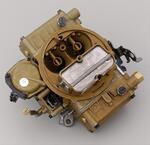
I know it's too late now, but it's not that difficult to drain the fuel from a standard Holley carb for storage, if it's something you're concerned about. Just remove one of the bottom bolts that hold the bowl on, and the gas pours out. Catch it in something, like the cover for a spray paint can. My brother is a motorcycle mechanic, and he's busy every spring doing carb cleans on motorcycles that have been stored with fuel left in the bowls. Personally, I change the oil, top off the gas tank, remove the battery and store it at room temperature for the winter, drain the fuel from the fuel bowls, and that is the extent of my storage prep. In the spring, I hook the battery back up, start it up, (takes a few cranks to re-fill the bowls) check for leaks and such, make sure the brakes work, etc. and drive it around.
Scott
Scott
Last edited by scottyp99; Nov 3, 2013 at 01:26 AM.



Tech Contributor


Joined: Aug 1999
Posts: 14,380
Likes: 6,391
From: At my Bar drinking and wrenching in Lafayette Colorado
When I bought the car, the old carb (which was only 6 years old) was destroyed (massive flaking in the fuel bowls and metering blocks to the point where the carb shop said to just toss it) and a friend suggested it was probably because of ethanol and to use additives if it's sitting for any length of time.
My cars sit for 6 months at a time with no fuel additives. Never any issues. New cars are shipped from the factory with no fuel additives, and they often sit on dealer lots for a year. That was true also when the cars had carbs: I remember receiving new '77 Vettes off the transporter at the Chevy dealer. They'd be parked on the lot with 3 gallons of gas in the tank, and they sat there unsold for over a year. Never a problem starting one to move it around.
Lars

Team Owner

Joined: Aug 1999
Posts: 30,995
Likes: 99
From: Ontario
I am sure your car will arrive in Australia in very fine condition. But I guess that I am the naysayer here: I do not hesitate to drop in a $6.00 bottle of fuel stabilizer (I use Lucas) for 5-6 months of winter storage. Won't hurt anything and the price is right.

Thread Starter
Instructor

Joined: Nov 2012
Posts: 118
Likes: 0
From: Pennsylvania
That was not due to the fuel. It was due to a quality control problem at Holley, and it happened to a bunch of carbs, regardless of the fuel used. Holley had a warranty exchange program for all those carbs that flaked: All you had to do was send the carb back and they sent you a new one without the flaking problem.
Le Mans Master
Joined: Mar 2008
Posts: 5,948
Likes: 72
From: Oxford MA-----You just lost the game!!!!
I was thinking that might be the problem, though I never heard of someone having that problem with the double pumpers, only ever the avengers. I ended up just buying a new carb because the flaking one was 6 years old when I bought the car a couple of months ago, and also wanted to go to a 750 rather than the 850. Might contact Holley about it and see what they say, I wouldn't turn down another carb if it doesn't cost me anything, lol.
Scott








