




Alignment Question

Thread Starter
Melting Slicks


Joined: Dec 2001
Posts: 2,049
Likes: 0
From: Texas
 Alignment Question
I had my car aligned by a shop in Dallas recently. The car drives straight and feels great, but in appearance, it looks a bit extreme so I was hoping to get some input. For reference, most of the suspension components are new (including new offset trailing arms).
I took to the shop the VBP spec sheet and asked for them to mimic the advanced street specs. Visually, the front wheels appear to be standing almost completely vertical while the back wheels have an obvious lean to the center at the top of each wheel. How obvious should this be to the naked eye? If I had to guess a measurement with no tools I would think it's a couple of degrees negative camber versus the 0.50* on the sheet, but perhaps I'm missing something? As I mentioned, the car drives much better currently.
My friend over the other day asked me immediately about the angle, so it's apparent enough to others.
I may be able to go by a Firestone and have them give me the actual measurements, but they've refused to do the alignment in the past (along with 90% of other shops in the area).
I took to the shop the VBP spec sheet and asked for them to mimic the advanced street specs. Visually, the front wheels appear to be standing almost completely vertical while the back wheels have an obvious lean to the center at the top of each wheel. How obvious should this be to the naked eye? If I had to guess a measurement with no tools I would think it's a couple of degrees negative camber versus the 0.50* on the sheet, but perhaps I'm missing something? As I mentioned, the car drives much better currently.
My friend over the other day asked me immediately about the angle, so it's apparent enough to others.
I may be able to go by a Firestone and have them give me the actual measurements, but they've refused to do the alignment in the past (along with 90% of other shops in the area).

2026 Loser of the Year


Joined: Sep 2013
Posts: 36,497
Likes: 6,969
From: New Or-leens Loo-z-anna
To get an approximate idea.....hold a carpenters level vertically against the bottom of the tire (try to avoid the bulge)....
Move the top of the level slow until the bubble centers itself....
Measure the distance from the upper tire wall to the edge of the level...
What is the distance?
Move the top of the level slow until the bubble centers itself....
Measure the distance from the upper tire wall to the edge of the level...
What is the distance?
Thread Starter
Melting Slicks
Joined: Dec 2001
Posts: 2,049
Likes: 0
From: Texas
To get an approximate idea.....hold a carpenters level vertically against the bottom of the tire (try to avoid the bulge)....
Move the top of the level slow until the bubble centers itself....
Measure the distance from the upper tire wall to the edge of the level...
What is the distance?
Move the top of the level slow until the bubble centers itself....
Measure the distance from the upper tire wall to the edge of the level...
What is the distance?
Should the car feel as drivable as it does if that's really how off it is? I think I'll climb under there and make sure everything's still attached!
Thread Starter
Melting Slicks
Joined: Dec 2001
Posts: 2,049
Likes: 0
From: Texas
May should have looked sooner. The camber rods aren't tightened down. I can turn the tightening bolts with my bare hands.
If I play with the angle doing the little mathematic trick, should I be able to tighten them down myself and still have the car in pretty good alignment? Will the other alignment specs have to be reconsidered once that's adjusted?
If I play with the angle doing the little mathematic trick, should I be able to tighten them down myself and still have the car in pretty good alignment? Will the other alignment specs have to be reconsidered once that's adjusted?

Melting Slicks


Joined: Jun 2011
Posts: 3,114
Likes: 592
I had my car aligned by a shop in Dallas recently. The car drives straight and feels great, but in appearance, it looks a bit extreme so I was hoping to get some input. For reference, most of the suspension components are new (including new offset trailing arms).
I took to the shop the VBP spec sheet and asked for them to mimic the advanced street specs. Visually, the front wheels appear to be standing almost completely vertical while the back wheels have an obvious lean to the center at the top of each wheel. How obvious should this be to the naked eye? If I had to guess a measurement with no tools I would think it's a couple of degrees negative camber versus the 0.50* on the sheet, but perhaps I'm missing something? As I mentioned, the car drives much better currently.
My friend over the other day asked me immediately about the angle, so it's apparent enough to others.
I may be able to go by a Firestone and have them give me the actual measurements, but they've refused to do the alignment in the past (along with 90% of other shops in the area).
I took to the shop the VBP spec sheet and asked for them to mimic the advanced street specs. Visually, the front wheels appear to be standing almost completely vertical while the back wheels have an obvious lean to the center at the top of each wheel. How obvious should this be to the naked eye? If I had to guess a measurement with no tools I would think it's a couple of degrees negative camber versus the 0.50* on the sheet, but perhaps I'm missing something? As I mentioned, the car drives much better currently.
My friend over the other day asked me immediately about the angle, so it's apparent enough to others.
I may be able to go by a Firestone and have them give me the actual measurements, but they've refused to do the alignment in the past (along with 90% of other shops in the area).
Melting Slicks
Joined: Jun 2011
Posts: 3,114
Likes: 592
May should have looked sooner. The camber rods aren't tightened down. I can turn the tightening bolts with my bare hands.
If I play with the angle doing the little mathematic trick, should I be able to tighten them down myself and still have the car in pretty good alignment? Will the other alignment specs have to be reconsidered once that's adjusted?
If I play with the angle doing the little mathematic trick, should I be able to tighten them down myself and still have the car in pretty good alignment? Will the other alignment specs have to be reconsidered once that's adjusted?
2026 Loser of the Year
Joined: Sep 2013
Posts: 36,497
Likes: 6,969
From: New Or-leens Loo-z-anna
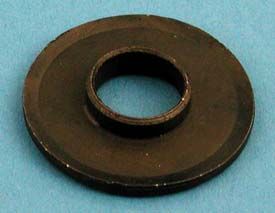
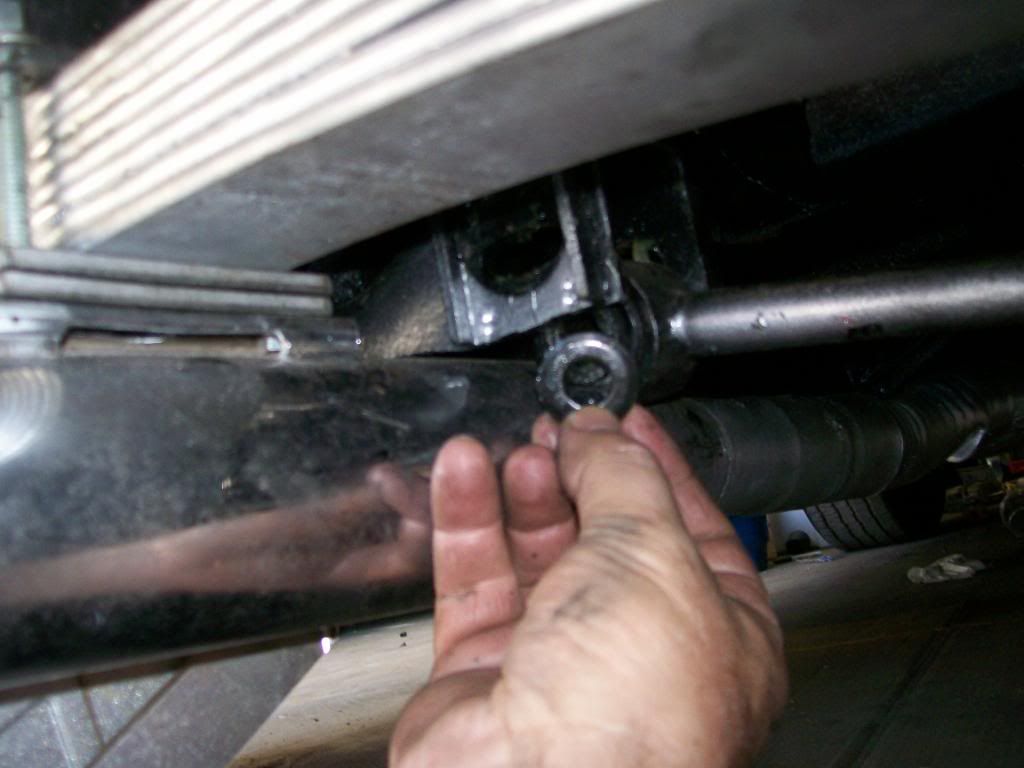
Do you have OEM strut-rods......if so, you need the special cupped-washers/spacers----1 pair per inboard bushing-to keep the strut-rod from slipping out of adjustment....it takes some effort to get them INSIDE the bracket. (ignore the chrome Harley mufflers)
I have the rear wheels set at 0* camber for now ---I'll watch the wear pattern on the tread closely because the previous owner installed 295-15 rear tires!
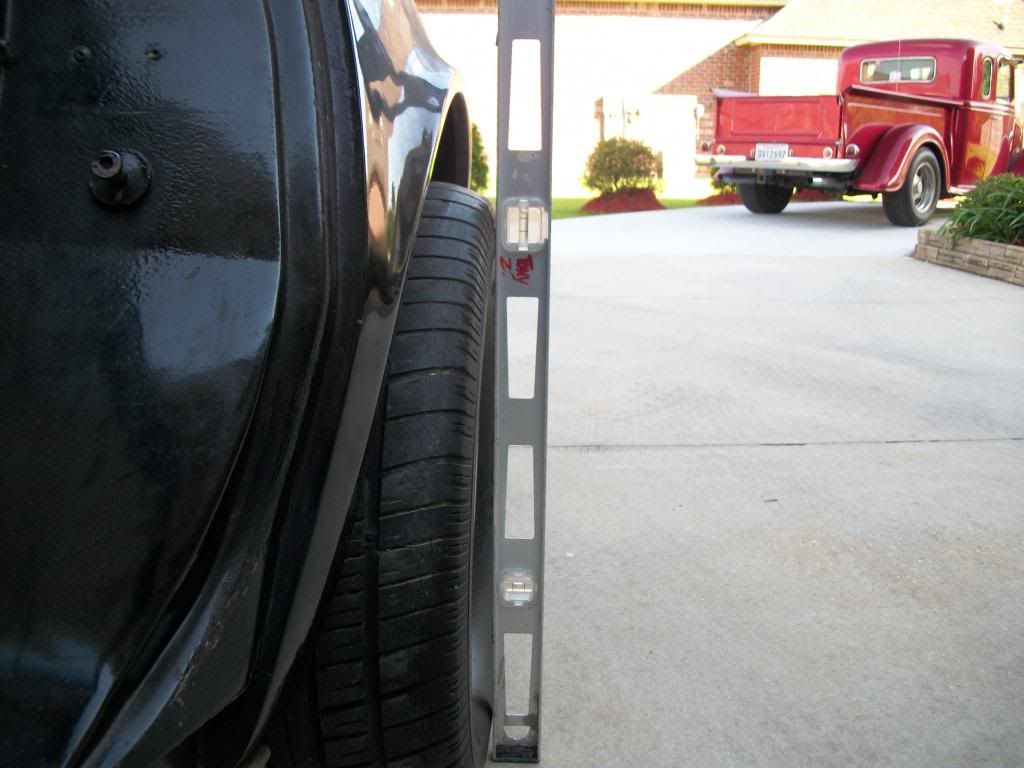
Let us know what you discover. DO NOT BACK THE CAR BEFORE PUTTING IT IN PARK---ALWAYS DRIVE FORWARD/THEN PUT IN PARK OR BLOCK THE FRONT WHEELS FROM ROLLING when adjusting the camber or Toe.
Last edited by doorgunner; May 14, 2014 at 11:48 AM.
Corvette Stories
The Best of Corvette for Corvette Enthusiasts

2027 Corvette vs The World: Every Model vs Closest Competitor
Joe Kucinski
10 Most Common Corvette Problems of the Last 20 Years!
Joe Kucinski
5 MOST and 5 LEAST Popular Corvette Model Years in History!
Joe Kucinski
2027 Corvette Buyer's Guide: Everything You Need to Know!
Joe Kucinski
10 Things C8 Corvette Owners Hate (But Won't Tell You)
Joe Kucinski
10 Best Corvettes Coming to Barrett-Jackson Palm Beach 2026!
Brett Foote
Every Corvette Grand Sport Explained! (C2, C4, C6, C7, & C8)
Joe Kucinski
Grand Sport & Grand Sport X Launch Alongside All-New 535hp LS6 V8!
Michael S. Palmer
5 Reasons Bad Drivers Crash & 5 Ways to Avoid a Costly Mistake!
Joe Kucinski
Safety Car


Joined: Mar 2007
Posts: 3,652
Likes: 49
From: Bridgewater nj
Too late, I can't ignore the Harley muffler! You must now post a video of your car running 
Back to the alignment .... If your adjustable rods were loose, you have to go back and get them to align it again! That's on them! If those rods turn a half of turn, your alignment is off now and you have no way of knowing. As far as the wheels being tipped in maybe due to ride height or when they drove it up on the rack, the rear wasn't settled into ride height. My rear is tipped in a little but you have to step back and really look to notice. You can really notice when you launch or do a burnout that the wheels tip in as the suspension squats but that's their design.
Back to the alignment .... If your adjustable rods were loose, you have to go back and get them to align it again! That's on them! If those rods turn a half of turn, your alignment is off now and you have no way of knowing. As far as the wheels being tipped in maybe due to ride height or when they drove it up on the rack, the rear wasn't settled into ride height. My rear is tipped in a little but you have to step back and really look to notice. You can really notice when you launch or do a burnout that the wheels tip in as the suspension squats but that's their design.

Race Director


Joined: Sep 1999
Posts: 11,358
Likes: 379
From: Plano TX
I highly recommend the camber rods with heim joints. There is no ride penalty by going heim joint instead of rubber/poly and they will not loosen.
If you want to measure camber, I have a nice digital camber gauge we could use. I'm in Plano.
If you want to measure camber, I have a nice digital camber gauge we could use. I'm in Plano.

Racer

Joined: Jul 2013
Posts: 294
Likes: 10
From: Palmer Alaska
I'm going through alignment now since I redid my entire front end. While thinking about camber I remembered I had a little angle gauge for my tablesaw. It's digital and quite accurate. Going to give it a try.
http://www.wixey.com/anglegauge/
http://www.wixey.com/anglegauge/
2026 Loser of the Year
Joined: Sep 2013
Posts: 36,497
Likes: 6,969
From: New Or-leens Loo-z-anna
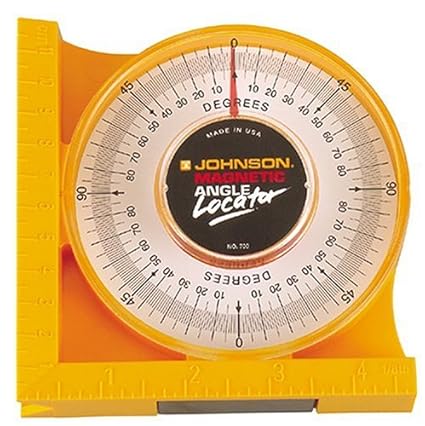
I have 30,000 miles on the little red truck tires in the background photo.....using the "string method" and the carpenter's level on the rims/angle-finder gauge on the front-end caster.......appears as though they're good for another 30,000 miles (times to rotate them----maybe?!?!)
Thread Starter
Melting Slicks
Joined: Dec 2001
Posts: 2,049
Likes: 0
From: Texas
I didn't have them come loose on the first ~400 miles or so. I've got their tie-rods as well and haven't noticed anything too loose, but I need to revisit every bolt looks like. I'm thinking the alignment shop didn't tighten them down after they were done, or not well enough anyway. I spoke with the shop I actually paid for the alignment and they seemed more than willing to adjust it for me so now I've just got to get my back in order so I can get under there and tighten them down for the drive over.
Thread Starter
Melting Slicks
Joined: Dec 2001
Posts: 2,049
Likes: 0
From: Texas


Racer
Joined: May 2011
Posts: 373
Likes: 6
From: Dover Delaware
Message for JimT.............
Would it be possible for you to email a photo of your "cut" level???
I'd like to try and duplicate for use on my 78.......
And if you could share the actual adjustment procedure that would be an added benefit for me...
Thanks so much and I hope to hear from you...
mk's78 Mike My email addy is mkane25@verizon.net

Race Director

Joined: Jan 2000
Posts: 12,399
Likes: 247
From: San Jose CA


Racer
Joined: Jul 2013
Posts: 294
Likes: 10
From: Palmer Alaska
So i used my digital angle tool and it worked awesome. Benefit on this is you zero it out on the surface your on then take the measurement. accuracy on the cheap.
As you can see I need to add shims.
As you can see I need to add shims.

Burning Brakes

Joined: Nov 2006
Posts: 893
Likes: 7
From: Orange Park Florida
I cut the level (length) so it just comes in contact with the wheel rim - therefore it is a true reading of the wheel angle. Using a level that touches the top and lower edges of the tire could give an erroneous reading - the lower portion of the tire is usually bulged out.
