When you click on links to various merchants on this site and make a purchase, this can result in this site earning a commission. Affiliate programs and affiliations include, but are not limited to, the eBay Partner Network.
Backstory: Took delivery from Coys a couple months ago. They totally missed the backspace specs I put in my C5 order. I ordered (2) 8x18 with 4" backspace, and (2) 9.5x18 with 5" backspace. They have one of the few websites that offer these sizes. Came in with 4.5" and 5.5" bs.
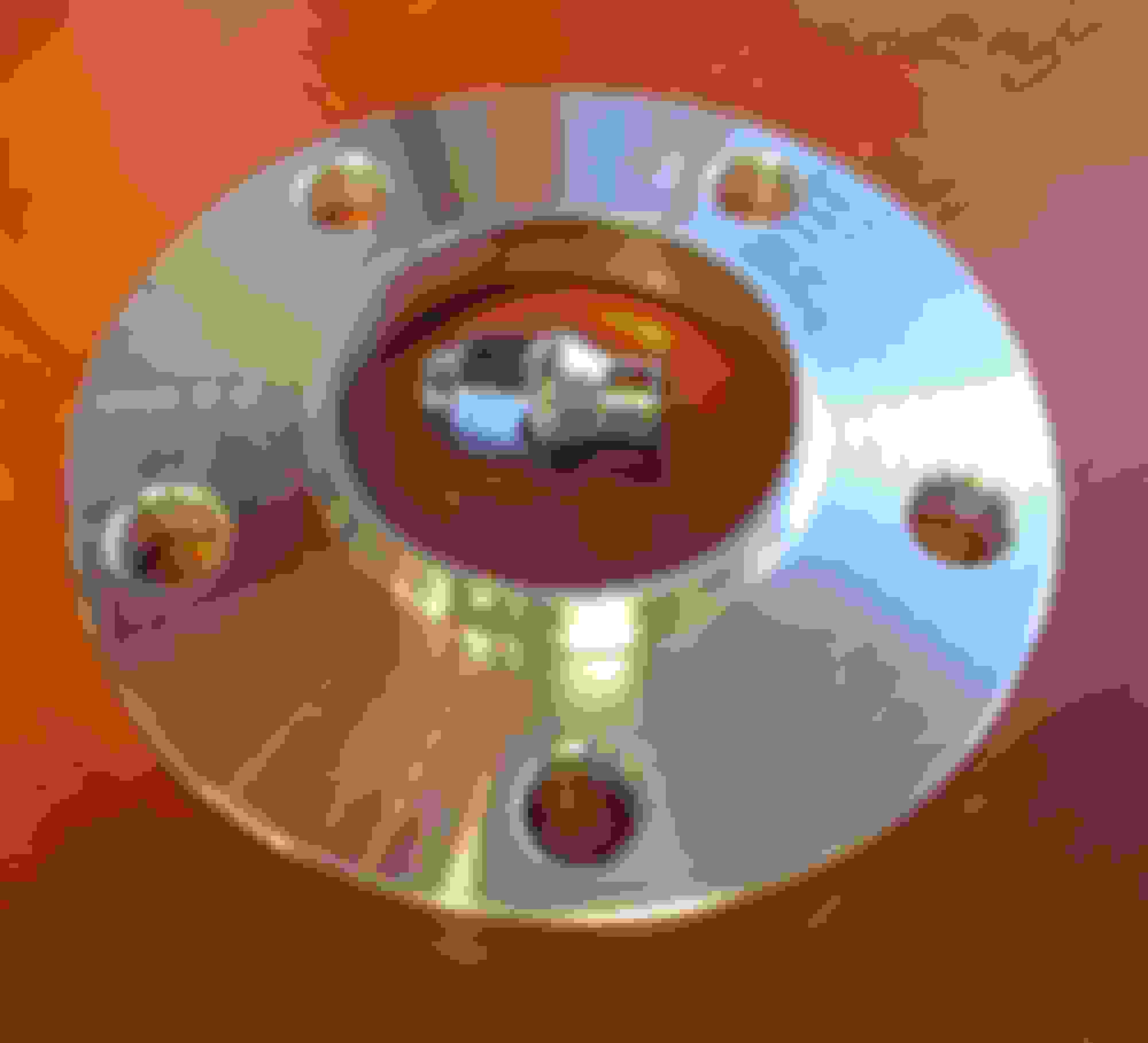
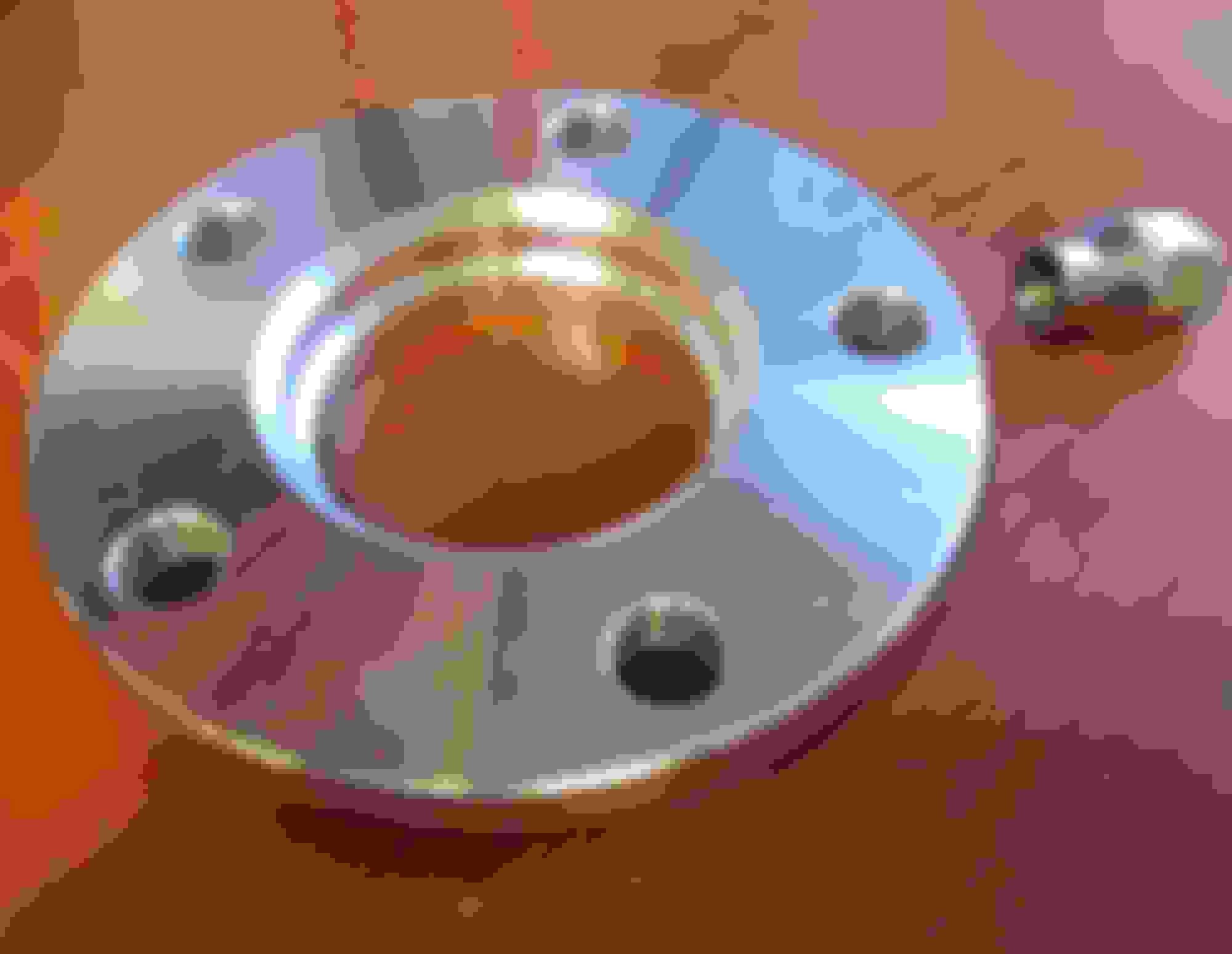
I am trying to avoid shipping wheels back to them, and they don't even offer 5.5" bs for the 9.5" wheels anymore. (Please update your website!) I would be willing to try spacers if they're done right. So Coys said they'd send me 1/2" hub centric spacers. Finally arrived, they look nice but they are neither hub centric nor lug centric. In other words they just float a little aside from being clamped in place. They also sent a set of long reach lug nuts, I get a total of 6 full turns with them.
The Question! These wheels are lug centric in the first place. Is it necessary or even helpful to get hub centric spacers, or should I just use these??? Footnote, when you see the specs below, note that the spacers for the front hubs will have to be bored slightly to fit. The rears will fit fine due to the shallow hub protrusion. I'm also considering milling them down to .4" to get a little more lug nut thread contact over the studs. Opinions please.....
Specs: Diameter 5.87", width .475", inside bore diameters 2.855" at the inner hub side tapered down to 2.62" on the outer wheel side. My front hub is about 2.76" so the two front spacers will need to be bored .14".
Spacers are fine if you use the right kind and the right kind being those that bolt on with the existing lugs and then have their own studs for the wheel lugs. I doubt though you can find this type of spacer that is only 1/2" thick.
I would not run a 1/2" spacer either. If the wheels are not what you ordered and you have documentation to verify it Coy's needs to make things right. Even if it means taking them back and giving you a refund.
The loading for the rear wheels is trasferred through the hub...not the studs. The retaining force for the wheels is provided by the lugs, via stud tension. There should be no side-loading on the studs; they are not meant to absorb that kind of load and will fail in short order, unless the spacer hub meshes well with the wheel AND with the drive flange, thus preventing stud side-loading.
There are lots of cars out there where the wheels don't fit tight around the hub. If you like the wheels and want to run them, then switch to a longer, high quality wheel stud like an ARP to get proper thread engagement and run them.
They may not fit tightly; but the amount of flex is acceptable for the capability of the studs. Requiring the studs to take all of the load is risky. What happens when you hit a chuckhole at cruising speed?
[QUOTE=7T1vette;1590468081]They may not fit tightly; but the amount of flex is acceptable for the capability of the studs. Requiring the studs to take all of the load is risky. What happens when you hit a chuckhole at cruising speed?[/QUOTE
I'm not sure I'd agree, since almost all these aftermarket wheels are lug centric and do not transfer any force to the hub at all, my understanding from an engineer's paper I read is that the clamp load of the lug nuts bind the wheel sufficiently that the amount of support from the hub is negligible. The hub does keep everything centered and balanced (for wheels that were designed to be hub centered. Therefore, you just need to engage enough thread from the studs to endure 100/lb torque x 5.
I'd rather just get the wheels I ordered, but they say my sizes are not in stock. Typical. Even if I returned everything for a refund, who makes this style in a 9.5 rim with 5" backspace? Not American Racing, Ridler, Boss, or any other that I've seen.
Last edited by Silvertone; Sep 11, 2015 at 02:51 PM.
Reason: update
The loading for the rear wheels is trasferred through the hub...not the studs. The retaining force for the wheels is provided by the lugs, via stud tension. There should be no side-loading on the studs; they are not meant to absorb that kind of load and will fail in short order, unless the spacer hub meshes well with the wheel AND with the drive flange, thus preventing stud side-loading.
Most aftermarket wheels are not hubcentric. Show us an example of a catastrophic failure under normal driving conditions.
I waited for 8 months for Coys to ship me 18x8 wheels with the correct offset. Every call was on the boat, followed by no they were not.
Paid a little more but ordered custom 2 piece wheels from wheelsforless.
Go to there American Racing section and select Custom Vintage 2pc.
Then pick your style, size, backspace and bolt pattern.
Spacers are fine if you use the right kind and the right kind being those that bolt on with the existing lugs and then have their own studs for the wheel lugs. I doubt though you can find this type of spacer that is only 1/2" thick.
actually this kind of spacer scares the crap outta me. the outside part will break off and still be bolted to wheel as it is running down the road without your car, but WITH a big hunk of your fender. while the inside part is still bolted to your hub...
This article seems to say spacers will not put pressure on the studs. Also seems to imply that the friction load carries the weight of the car not the hub. Otherwise, everyone with lug centric aftermarket wheels would be in grave danger.
i feel the last line is wrong. increasing stud length has no effect? the stud is as long as it has to be to hold a given wheel thickness to a given hub. if it needed to be longer, it would be. if it didn't need to be as long, it wouldn't be. the cost of the extra 1/2 to 1 inch of stud times 20 for the car times a bajillion cars? you know damn well Mr Goodwrench is not gonna buy wheel studs that are long enough to add spacers...
Designer Imagines A Corvette That Looks More Like a Corvette Than the Corvette
Slideshow: A Jaguar designer's personal project imagines what a modern front-engined Corvette might look like if Chevrolet revisited the golden age of the Stingray.













 Would you run these wheel spacers?