When you click on links to various merchants on this site and make a purchase, this can result in this site earning a commission. Affiliate programs and affiliations include, but are not limited to, the eBay Partner Network.
I removed and reinstalled my diff for repairs.
Took a drive around the block no problem. Drove a few miles no problem. Few miles more I intentionally hit a speed hump at a decent cruise to make sure everything was seated and the nut holding the spring up shot off. It sheared the cotter pin and made me grind to a halt at the end of a deep groove cut in the pavement.
Last edited by Greengear; Jan 20, 2019 at 08:47 PM.
I called my friend and asked him to bring a jack, nuts and bolt collection and a c clamp.
He brought a 5 gallon bucket of american car bolts and I found a taller castle nut. The old one had worn threads causing the failure. Drove back home 10 minutes later. Glad it broke on my test drive and not on the freeway or when I was rotating the nut to put in the cotter pin during assembly.
I will order new spring bolts and replace both sides.
Last edited by Greengear; Jan 18, 2019 at 11:03 PM.
Those should probably be replaced on every old Vette. But remove and reinstall helped kill tired old threads. Bolt spit the nut off as opposed to actually breaking, didn't it? Come to think of it, this is a kind of crappy design. Just about everywhere the nut holds the bolt on and the bolt holds whatever it is up. In this case the nut is holding all of the weight of the car on the threads.
Last edited by derekderek; Jan 19, 2019 at 10:44 AM.
The bolt head and the nut are holding the same load on every bolt/nut combination ever constructed. The cotter pin is there only to prevent the nut from rotating; it is not intended to be load-bearing.
The same thing happened to me a couple of years ago. My bolts were aftermarket - I got them from Vette Brakes many years ago as part of their Grand Touring suspension kit. Threads pulled out of the nuts. This was just before Vette Brakes went out of business. (Damn shame by the way.) I contacted them, and they sent me a set of replacement bolts, and also supplied a couple of lock nuts which they manufactured specially for me by cutting a regular nut horizontally. That gives me 50% more threads on each side to support the car. I would suggest you do the same. Replace both bolts, order a couple of extra nuts, and trim them down to fit
The nuts and bolts have slightly galled threads in various places on the rear suspension.
I think my mistake was tightening the nut and bolt a few turns with full spring load on it. If I had snugged the nut and bolt together with my jack holding spring load the threads would have been good enough.
The little elbo that holds the shock absorber to the knuckle also had boogered threads. I used a thread chase set to clean things up. The hardware seems very soft , unhardened.
I still love my 77 despite issues.
Sounds like it's time to purchase some new bolts and nuts.
Purchase grade 8 parts. Hardware stores can have them or one of the Corvette vendors.
I use nylon lock nuts on mine.
I have used an impact without issues.
Craig
Last edited by Street Rat; Jan 20, 2019 at 09:26 AM.
Basically Greengear, you were trying to lift the car with just that one nut. Like you said, some of weight should have been removed via a floorjack. But even then I think the castle nut was on it last leg, pun intended.
I like Nylon locknuts elsewhere, but I would be concerned about using them in critical situations where so much is dependent on the threads not moving and staying locked. Especially where they are exposed to the elements of extreme temperatures and are fairly close to the exhaust system. If at any point the plastic inside that nut degrades, loosens you are in for a wild ride.
A better type is the castle-nut. Unaffected by temps, once the cotter pin is in place that nut should not budge. If the cotter pin hole is not in favorable height position, then a new hole can be drilled above the original using a drillpress. I do not recommend a new hole lower as it could weaken the whole bolt.
I like Nylon locknuts elsewhere, but I would be concerned about using them in critical situations where so much is dependent on the threads not moving and staying locked. Especially where they are exposed to the elements of extreme temperatures and are fairly close to the exhaust system. If at any point the plastic inside that nut degrades, loosens you are in for a wild ride..
The nylock nuts I use have an oblong hole in the plastic and distorted metal threads similar to stock rocker arm nuts.
They aren't going anywhere.
Last edited by Street Rat; Jan 20, 2019 at 10:18 AM.
Another factor may have been my newly installed spring bushings. I searched for rubber bushings but eventually settled for poly bushings.
These do not soften the shock load on the bolt nearly like rubber would.
This pic is how my car is just after limping home. No cotter pin installed yet. The new castle nut from my friends nuts and bolts hoard seems like good quality. It is a bit taller than the original nut.
I guess the original nut got stripped from being turned under spring load to line up the cotter pin hole.
To do it right , new hardware and new rubber bushings. To do it quick and dirty unload the spring, clock the nut and install a cotter pin. I will probably go for the latter as long as the bolt has good threads on inspection.
Last edited by Greengear; Jan 20, 2019 at 11:58 AM.
I've been running an aftermarket bolt and nut (longer 8" bolt and 'nylon' lock nut) along with poly bushings for 20 years with no issues. My question would be, what is the pedigree of the failed nut?
I've been running an aftermarket bolt and nut (longer 8" bolt and 'nylon' lock nut) along with poly bushings for 20 years with no issues. My question would be, what is the pedigree of the failed nut?
the nut and bolt came with the car.
Last edited by Greengear; Jan 20, 2019 at 05:23 PM.
I like the looks of the meatier castle nut but it will affect ride height ever so slightly. If it were mine I would keep the Polys. But when you disassemble it, it wouldn't hurt to smear some chassis grease on both sides of the bushing. That way the spring rubs that, instead of dry poly.
Your lucky you had a steel spring when that occurred.
I had a fiberglass spring when it happened to me, but the spring didn't hit the ground. I don't remember now what bottomed out on what, but the spring was fine, and there was no body damage. Fortunately I was travelling at about 10 mph when it happened. Still, I feel pretty lucky.
I was thinking how difficult it would be to get towed with that steel switch blade sticking down into the pavement. Flat bed or regular tow truck would be challenged with that situation.
I had a fiberglass spring when it happened to me, but the spring didn't hit the ground. I don't remember now what bottomed out on what, but the spring was fine, and there was no body damage. Fortunately I was travelling at about 10 mph when it happened. Still, I feel pretty lucky.
The result of a spring failure.
The exhaust system and fiberglass spring took the brunt of the scraping during loading and unloading process on the wrecker.




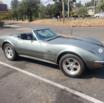

 Rear spring bolt broke