


Cat question


Race Director


Joined: Jan 2005
Posts: 11,053
Likes: 166
From: Milford Michigan

This, all in a nutshell..............
Last edited by Chambered; Mar 13, 2020 at 01:14 AM.

Le Mans Master


Joined: Oct 2007
Posts: 7,455
Likes: 977
From: RI, Now Franklin/Nashville TN
Good Info...Thanks^^^^^
I have a magnaflow X pipe on my 94 Mustang GT Convertible with 2 pre cats and 2 high flow magnaflow cats and yes it was a pricey part with the cats BUT much better design and flow than the ford OEM H pipe with the 4 OEM cats.....I will never drive big miles with these cats so not concerned about longevity but read on....
As for longevity, my 2001 Grand prix has 225,000 miles on the OEM cat and it still is functioning correctly and I also have a 08 Chrysler 300 with both cats still functioning correctly at 165,000 miles on them.....I know people with over 300,000 miles on Ford, Chrysler, and GM cats still functioning correctly......
I have a magnaflow X pipe on my 94 Mustang GT Convertible with 2 pre cats and 2 high flow magnaflow cats and yes it was a pricey part with the cats BUT much better design and flow than the ford OEM H pipe with the 4 OEM cats.....I will never drive big miles with these cats so not concerned about longevity but read on....
As for longevity, my 2001 Grand prix has 225,000 miles on the OEM cat and it still is functioning correctly and I also have a 08 Chrysler 300 with both cats still functioning correctly at 165,000 miles on them.....I know people with over 300,000 miles on Ford, Chrysler, and GM cats still functioning correctly......
Drifting


Joined: Dec 2017
Posts: 1,306
Likes: 226
From: PA
Good Info...Thanks^^^^^
I have a magnaflow X pipe on my 94 Mustang GT Convertible with 2 pre cats and 2 high flow magnaflow cats and yes it was a pricey part with the cats BUT much better design and flow than the ford OEM H pipe with the 4 OEM cats.....I will never drive big miles with these cats so not concerned about longevity but read on....
As for longevity, my 2001 Grand prix has 225,000 miles on the OEM cat and it still is functioning correctly and I also have a 08 Chrysler 300 with both cats still functioning correctly at 165,000 miles on them.....I know people with over 300,000 miles on Ford, Chrysler, and GM cats still functioning correctly......
I have a magnaflow X pipe on my 94 Mustang GT Convertible with 2 pre cats and 2 high flow magnaflow cats and yes it was a pricey part with the cats BUT much better design and flow than the ford OEM H pipe with the 4 OEM cats.....I will never drive big miles with these cats so not concerned about longevity but read on....
As for longevity, my 2001 Grand prix has 225,000 miles on the OEM cat and it still is functioning correctly and I also have a 08 Chrysler 300 with both cats still functioning correctly at 165,000 miles on them.....I know people with over 300,000 miles on Ford, Chrysler, and GM cats still functioning correctly......
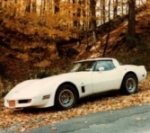
As for having one on my '80 vette, the original one is in the basement ready to go on if ever needed. So, far no inspector has griped. Since most mechanics are younger than the car they aren't certain what was on it. When I go to dual exhaust sometime in the next 2 years, I'll put a couple cheap ones on.
Race Director
Joined: Jan 2005
Posts: 11,053
Likes: 166
From: Milford Michigan
GM had issues in the 90's with the cats. My son had a late 90's Regal that started having issues shifting. Turned out to be the cat had disintegrated. Fortunately, it was 58,000 miles - the warranty then was 60,000. It was a $600 fix but was covered. My guess is GM paid for a lot of these and decided it was cheaper to just make them right in the first place.
As for having one on my '80 vette, the original one is in the basement ready to go on if ever needed. So, far no inspector has griped. Since most mechanics are younger than the car they aren't certain what was on it. When I go to dual exhaust sometime in the next 2 years, I'll put a couple cheap ones on.
As for having one on my '80 vette, the original one is in the basement ready to go on if ever needed. So, far no inspector has griped. Since most mechanics are younger than the car they aren't certain what was on it. When I go to dual exhaust sometime in the next 2 years, I'll put a couple cheap ones on.








