






1969 fuel lines

Thread Starter
5th Gear

Joined: Feb 2025
Posts: 5
Likes: 0
 1969 fuel lines
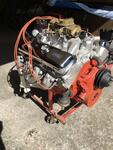
i just purchase a 1969 427 project car
i went to install the fuel tank
i have both a 3/8 and a 5/16 fuel going back to the tank
i can not find were the 5/16 line connects at the tank
any advise?
i went to install the fuel tank
i have both a 3/8 and a 5/16 fuel going back to the tank
i can not find were the 5/16 line connects at the tank
any advise?

Race Director


Joined: May 2006
Posts: 18,692
Likes: 2,572
Sounds like you have the wrong tank if this is a restoration.
Thread Starter
5th Gear
Joined: Feb 2025
Posts: 5
Likes: 0
Engines equipped with a Quadrajet, 427/390, used a return line and the tank had a tube that a rubber hose was connected to and the other end to the 5/16 line. Holley equipped 427 did not use a return line and the tank did not have a tube for the connection.
Sounds like you have the wrong tank if this is a restoration.
Sounds like you have the wrong tank if this is a restoration.
can i plug it?
Race Director
Joined: May 2006
Posts: 18,692
Likes: 2,572
NO plate, it's part of the tank and it's there because GM engineers determined it was necessary to cool the gasoline going to the Quadrajet. Get the correct tank.

Safety Car


Joined: May 2001
Posts: 4,749
Likes: 1,642
From: Fairfax Virginia
Welcome to the Corvette Forum pauliev! We are glad you have joined us here at the Forum where you can get (mostly) straight answers for your C3 Corvette!
If that line was is fact the fuel "return" line and you don't use it, that is "perfectly fine". My fuel tank is the "wrong one" as it does have the return nipple attached to one end on the top of the tank. Using a Holley carburetor or even a Holley EFI system there is no use for a return line so I have it capped off and secured with a clamp.
Why would a quadrajet need to be cooled? I heard that using a return line is almost a guaranteed way of making the fuel in the tank even warmer on the C3's. My C3 came with just the one fuel line with no return line and it works just fine. As long as you use a vented gas cap the system will be fine. If you need a better vent, you could use the fuel return nipple and make a new vent line up a bit higher. Otherwise just cap it off if you have one.
Cooler fuel is a GOOD thing if you want to make more power! I ran a new fuel line up through the frame and over the bell housing allowing the fuel to never be exposed to the heat coming from the radiator. The fuel pump and regulator are in-tank using the Holley OEM Tank module. I covered the fuel lines with DEI Tubing insulation and then installed a Fire-proof silicone jacket over the fuel line. The idea was to get the fuel to the engine as cool as it can be where it can work with the cool air charge to keep the engine from detonating under load. This is especially important when you use higher compression like the L88 cars did back in the days of good pump gasoline. Cooler fuel and cooler air help my high compression engine just purr versus pinging under loads. These systems allow my engine to be used more on the highways without risking damaging the engine with detonation.
On my 1968 C3 the fuel line itself attaches to the removable plate on the bottom of the fuel tank that mounts the fuel level sensor. Like I mentioned before the return line was on the right side near the top of the fuel tank and was easy to see when the tank was removed. I put a rubber cap over the inlet for the return line and clamped it in place.
Best regards,
Chris
At your leisure I would take a moment and fill out the "profile" page and give us as much of a description of your Corvette and any modifications done to it. The more information we have, the better we can help you. The profile page is where we look to learn about your Corvette otherwise people will keep asking the same question over and over again. The profile makes it easier for all of us. You joined us yesterday, February 10th and already 7 people have accessed your profile to learn about your Corvette and see who you are as well!
If that line was is fact the fuel "return" line and you don't use it, that is "perfectly fine". My fuel tank is the "wrong one" as it does have the return nipple attached to one end on the top of the tank. Using a Holley carburetor or even a Holley EFI system there is no use for a return line so I have it capped off and secured with a clamp.
Why would a quadrajet need to be cooled? I heard that using a return line is almost a guaranteed way of making the fuel in the tank even warmer on the C3's. My C3 came with just the one fuel line with no return line and it works just fine. As long as you use a vented gas cap the system will be fine. If you need a better vent, you could use the fuel return nipple and make a new vent line up a bit higher. Otherwise just cap it off if you have one.
Cooler fuel is a GOOD thing if you want to make more power! I ran a new fuel line up through the frame and over the bell housing allowing the fuel to never be exposed to the heat coming from the radiator. The fuel pump and regulator are in-tank using the Holley OEM Tank module. I covered the fuel lines with DEI Tubing insulation and then installed a Fire-proof silicone jacket over the fuel line. The idea was to get the fuel to the engine as cool as it can be where it can work with the cool air charge to keep the engine from detonating under load. This is especially important when you use higher compression like the L88 cars did back in the days of good pump gasoline. Cooler fuel and cooler air help my high compression engine just purr versus pinging under loads. These systems allow my engine to be used more on the highways without risking damaging the engine with detonation.
On my 1968 C3 the fuel line itself attaches to the removable plate on the bottom of the fuel tank that mounts the fuel level sensor. Like I mentioned before the return line was on the right side near the top of the fuel tank and was easy to see when the tank was removed. I put a rubber cap over the inlet for the return line and clamped it in place.
Best regards,
Chris
At your leisure I would take a moment and fill out the "profile" page and give us as much of a description of your Corvette and any modifications done to it. The more information we have, the better we can help you. The profile page is where we look to learn about your Corvette otherwise people will keep asking the same question over and over again. The profile makes it easier for all of us. You joined us yesterday, February 10th and already 7 people have accessed your profile to learn about your Corvette and see who you are as well!
Race Director
Joined: May 2006
Posts: 18,692
Likes: 2,572
Welcome to the Corvette Forum pauliev! We are glad you have joined us here at the Forum where you can get (mostly) straight answers for your C3 Corvette!
If that line was is fact the fuel "return" line and you don't use it, that is "perfectly fine". My fuel tank is the "wrong one" as it does have the return nipple attached to one end on the top of the tank. Using a Holley carburetor or even a Holley EFI system there is no use for a return line so I have it capped off and secured with a clamp.
Why would a quadrajet need to be cooled? I heard that using a return line is almost a guaranteed way of making the fuel in the tank even warmer on the C3's. My C3 came with just the one fuel line with no return line and it works just fine. As long as you use a vented gas cap the system will be fine. If you need a better vent, you could use the fuel return nipple and make a new vent line up a bit higher. Otherwise just cap it off if you have one.
Cooler fuel is a GOOD thing if you want to make more power! I ran a new fuel line up through the frame and over the bell housing allowing the fuel to never be exposed to the heat coming from the radiator. The fuel pump and regulator are in-tank using the Holley OEM Tank module. I covered the fuel lines with DEI Tubing insulation and then installed a Fire-proof silicone jacket over the fuel line. The idea was to get the fuel to the engine as cool as it can be where it can work with the cool air charge to keep the engine from detonating under load. This is especially important when you use higher compression like the L88 cars did back in the days of good pump gasoline. Cooler fuel and cooler air help my high compression engine just purr versus pinging under loads. These systems allow my engine to be used more on the highways without risking damaging the engine with detonation.
On my 1968 C3 the fuel line itself attaches to the removable plate on the bottom of the fuel tank that mounts the fuel level sensor. Like I mentioned before the return line was on the right side near the top of the fuel tank and was easy to see when the tank was removed. I put a rubber cap over the inlet for the return line and clamped it in place.
Best regards,
Chris
At your leisure I would take a moment and fill out the "profile" page and give us as much of a description of your Corvette and any modifications done to it. The more information we have, the better we can help you. The profile page is where we look to learn about your Corvette otherwise people will keep asking the same question over and over again. The profile makes it easier for all of us. You joined us yesterday, February 10th and already 7 people have accessed your profile to learn about your Corvette and see who you are as well!
If that line was is fact the fuel "return" line and you don't use it, that is "perfectly fine". My fuel tank is the "wrong one" as it does have the return nipple attached to one end on the top of the tank. Using a Holley carburetor or even a Holley EFI system there is no use for a return line so I have it capped off and secured with a clamp.
Why would a quadrajet need to be cooled? I heard that using a return line is almost a guaranteed way of making the fuel in the tank even warmer on the C3's. My C3 came with just the one fuel line with no return line and it works just fine. As long as you use a vented gas cap the system will be fine. If you need a better vent, you could use the fuel return nipple and make a new vent line up a bit higher. Otherwise just cap it off if you have one.
Cooler fuel is a GOOD thing if you want to make more power! I ran a new fuel line up through the frame and over the bell housing allowing the fuel to never be exposed to the heat coming from the radiator. The fuel pump and regulator are in-tank using the Holley OEM Tank module. I covered the fuel lines with DEI Tubing insulation and then installed a Fire-proof silicone jacket over the fuel line. The idea was to get the fuel to the engine as cool as it can be where it can work with the cool air charge to keep the engine from detonating under load. This is especially important when you use higher compression like the L88 cars did back in the days of good pump gasoline. Cooler fuel and cooler air help my high compression engine just purr versus pinging under loads. These systems allow my engine to be used more on the highways without risking damaging the engine with detonation.
On my 1968 C3 the fuel line itself attaches to the removable plate on the bottom of the fuel tank that mounts the fuel level sensor. Like I mentioned before the return line was on the right side near the top of the fuel tank and was easy to see when the tank was removed. I put a rubber cap over the inlet for the return line and clamped it in place.
Best regards,
Chris
At your leisure I would take a moment and fill out the "profile" page and give us as much of a description of your Corvette and any modifications done to it. The more information we have, the better we can help you. The profile page is where we look to learn about your Corvette otherwise people will keep asking the same question over and over again. The profile makes it easier for all of us. You joined us yesterday, February 10th and already 7 people have accessed your profile to learn about your Corvette and see who you are as well!
Corvette Stories
The Best of Corvette for Corvette Enthusiasts

Top 10 Most Explosive Corvettes Ever Made: Power-to-Weight Ratio Ranked!
Joe Kucinski
150 hp to 1,250 hp: Every Corvette Generation Compared by the Specs That Matter
Joe Kucinski
8 Coolest Corvette Pace Cars (and Replicas) of All Time
Verdad Gallardo
Top 10 Corvette Engines RANKED by Peak Torque (70+ Years of Muscle!)
Joe Kucinski
Corvette ZR1X Will Be Pacing the Indy 500, And Could Probably Race, Too!
Verdad Gallardo
Top 10 Corvettes Coming to Mecum Indy 2026!
Brett Foote
Top 10 C9 Corvette MUST-HAVES to Fix These C8 Generation Flaws!
Michael S. Palmer
10 Revolutionary 'Corvette Firsts' Most People Don't Know
Joe Kucinski