


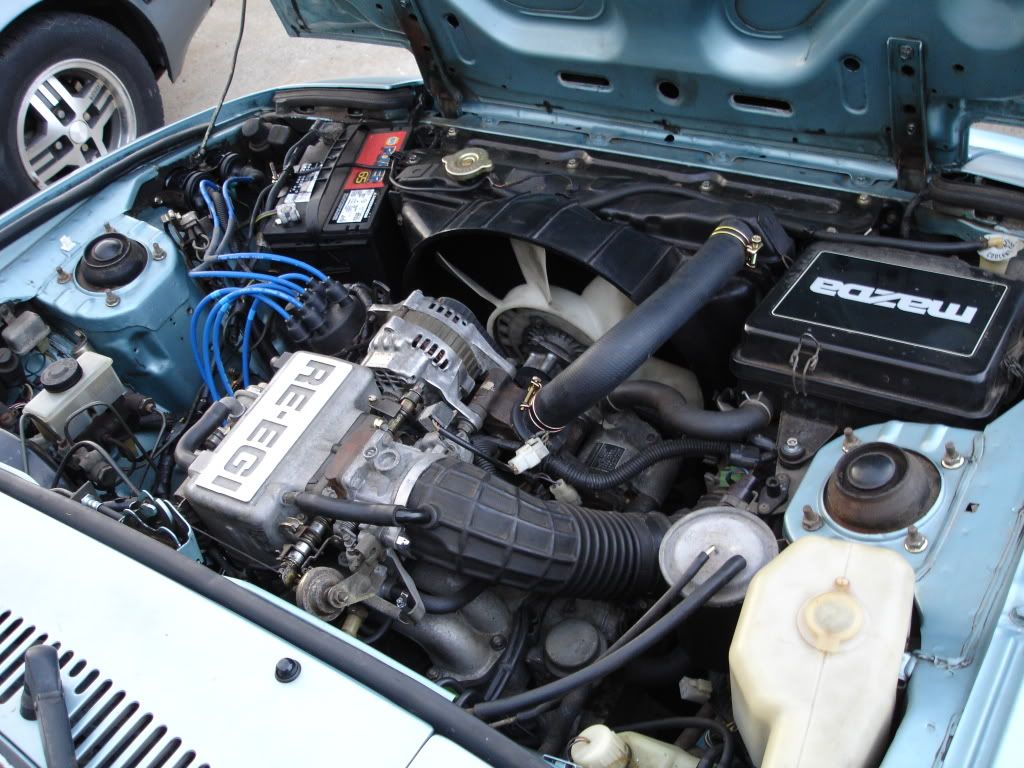
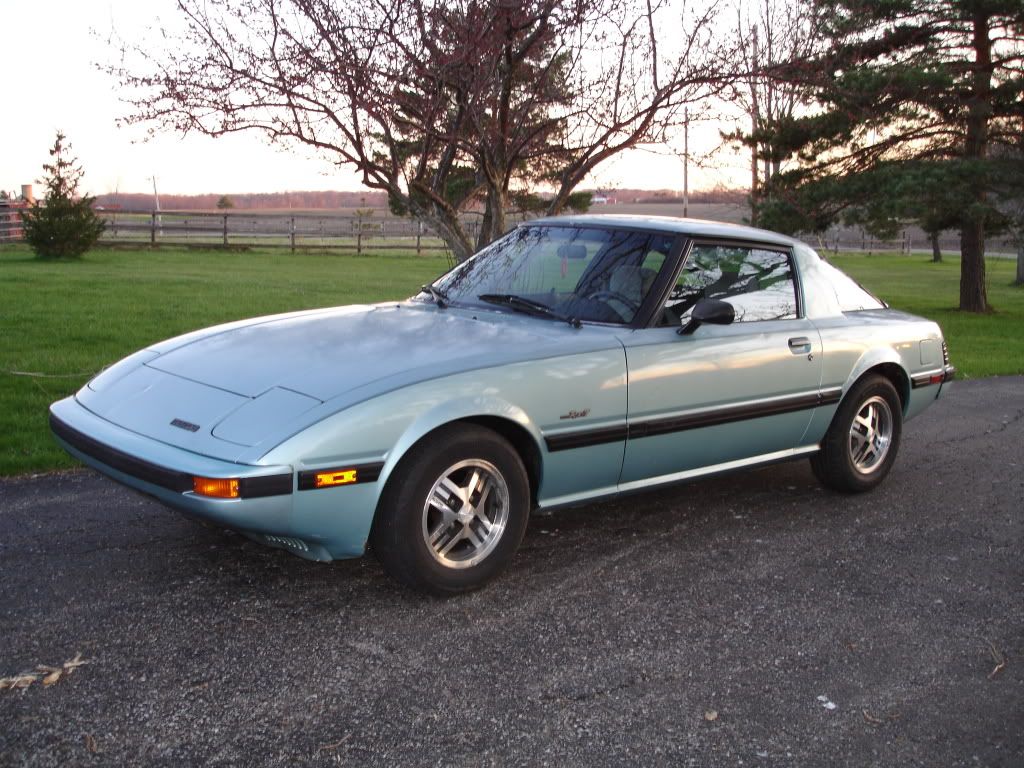
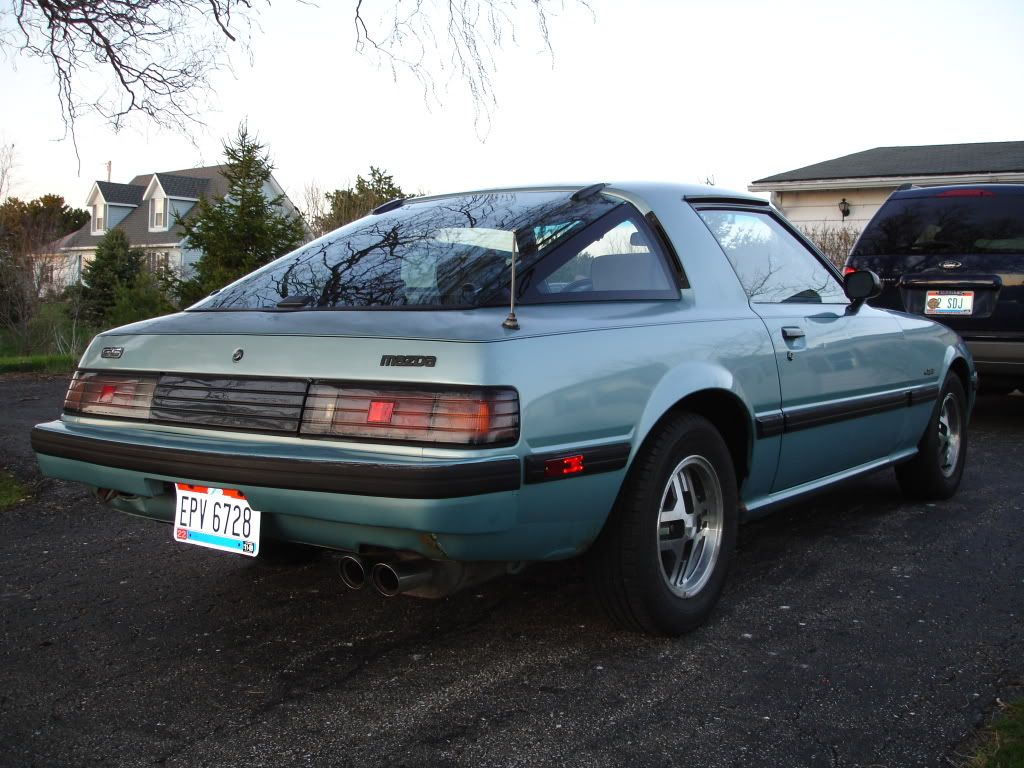

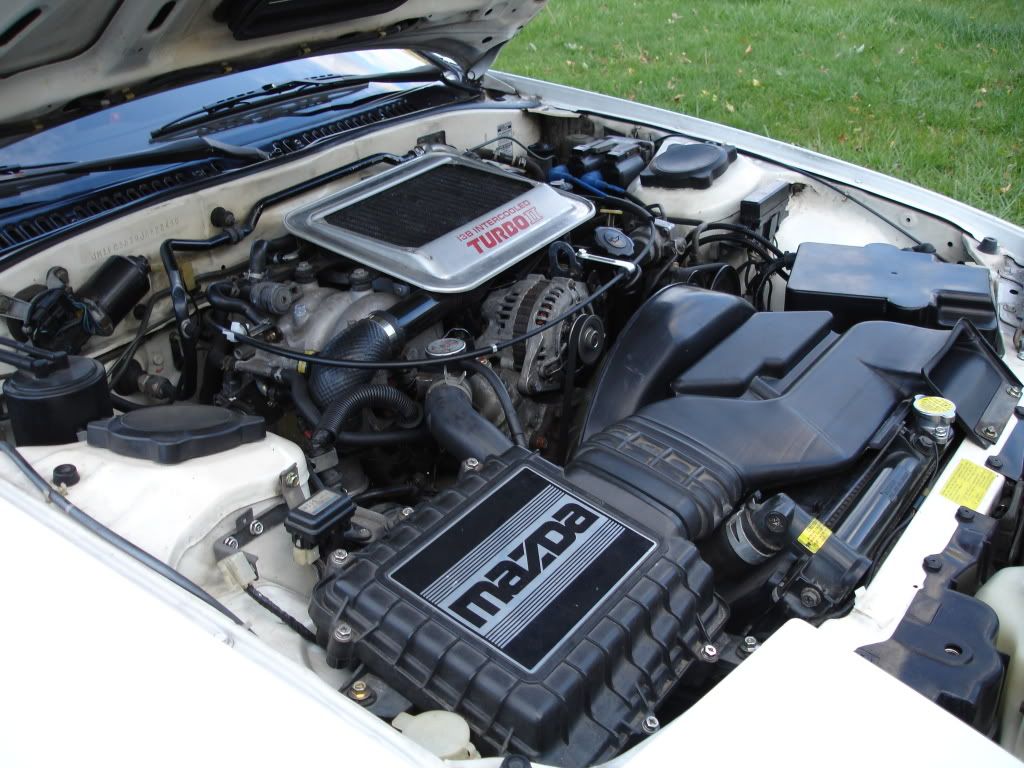
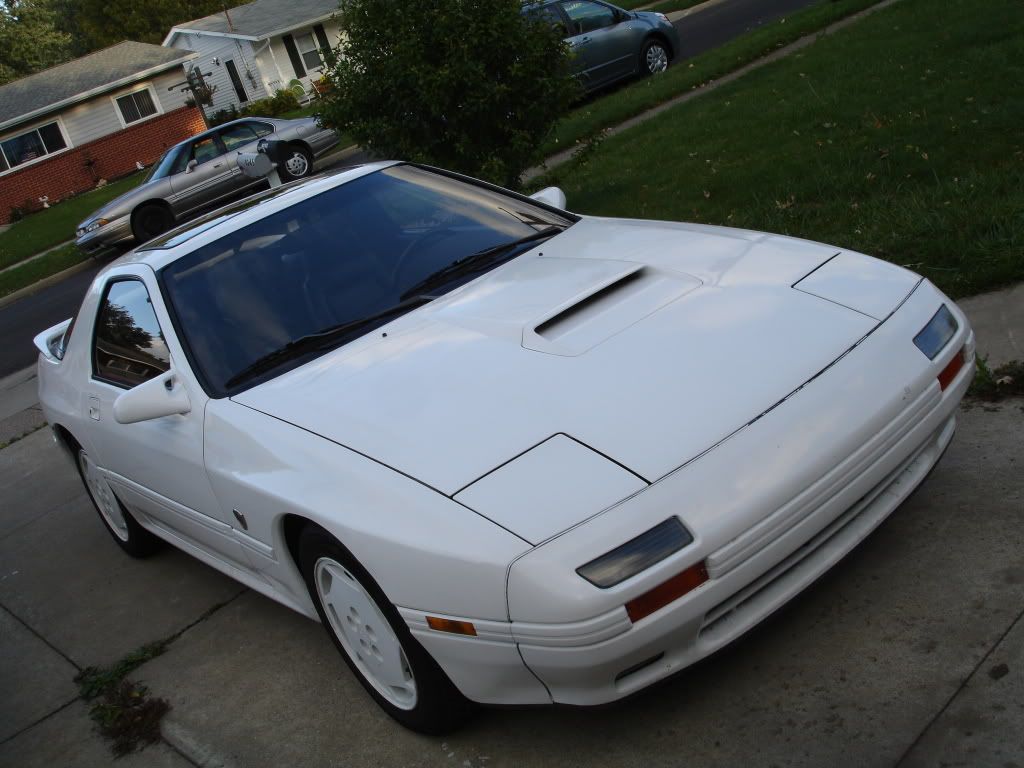
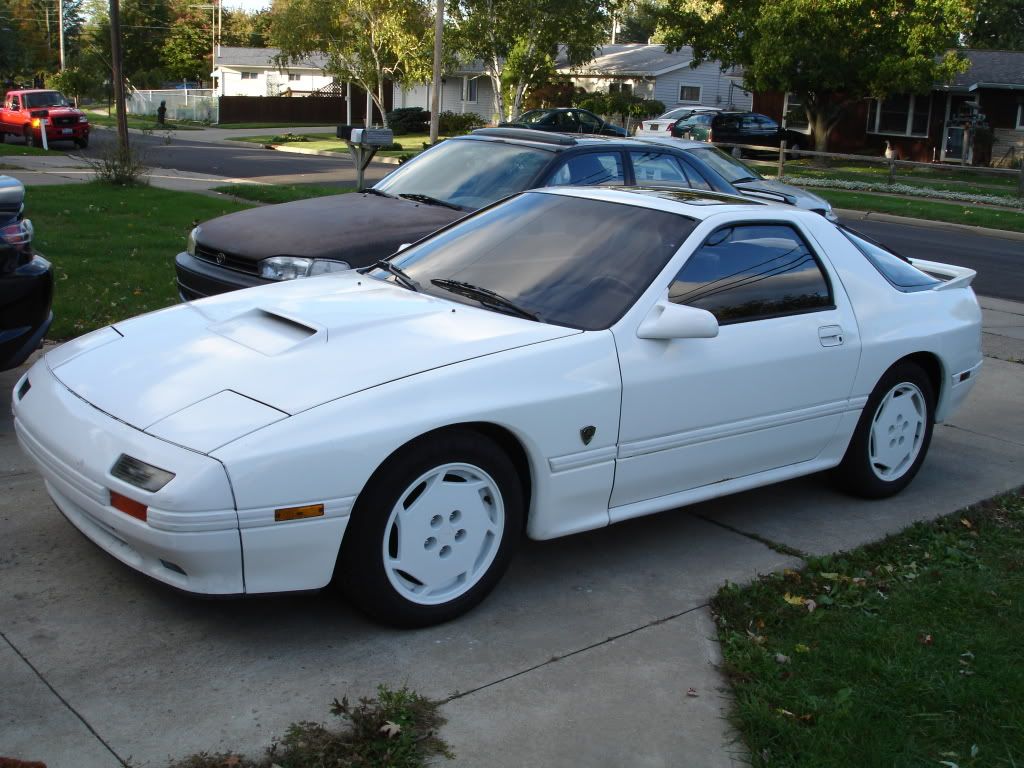
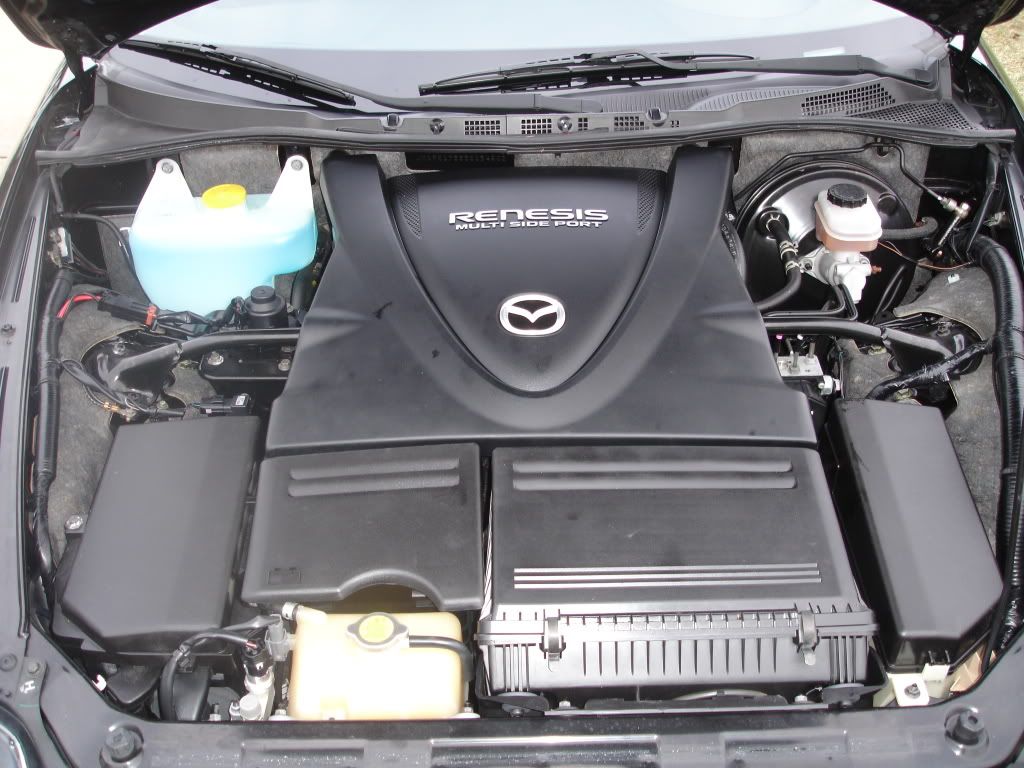
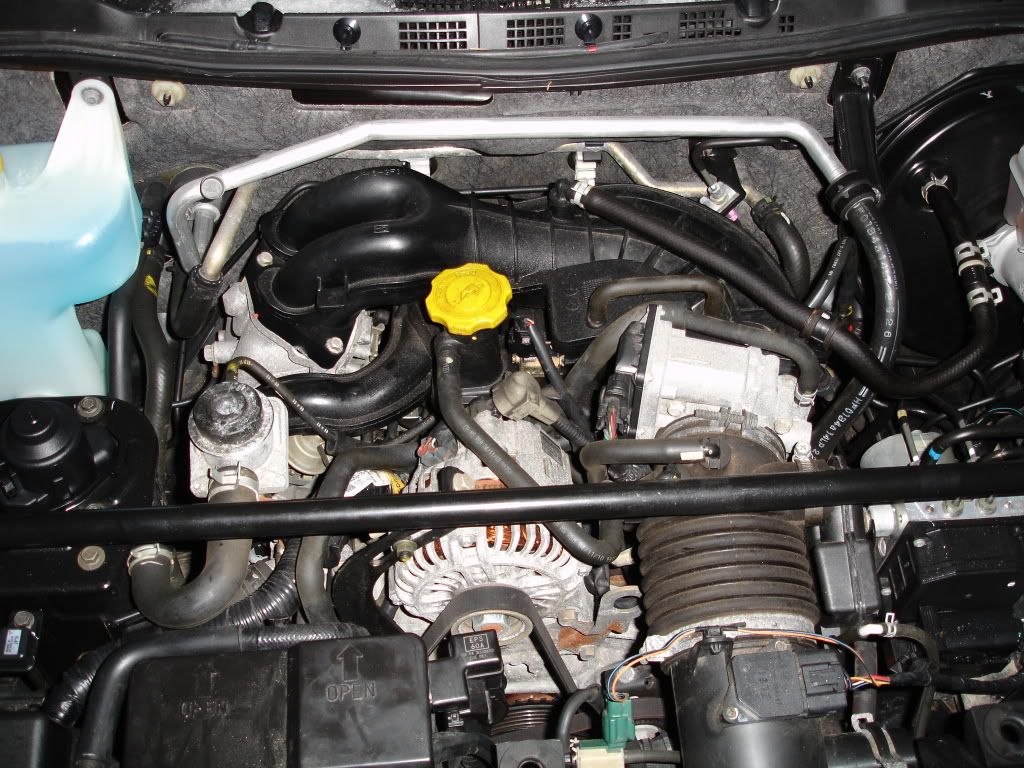
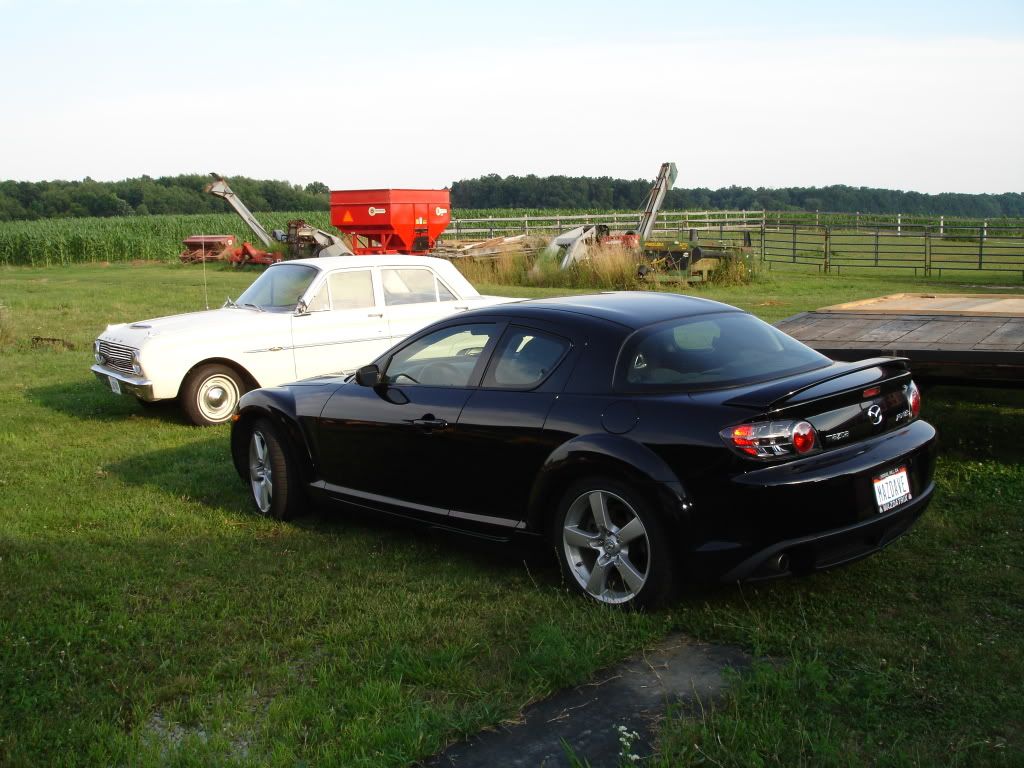


tore down another 12A

Melting Slicks


Joined: Mar 2008
Posts: 3,022
Likes: 3
From: Chandler Arizona

in your opinion how long are these engines good for (after a rebuild, in terms of miles)?
Is there replacement rotors for these engines (like you would purchase pistons for a traditional engine) or are all of them re-used during rebuilds.
what type of tolerance is there in the housings for machining, or you don't actually machine the housings either? you just replace apex seals?
in your opinion, is it "simple" to rebuild a rotary compared to a piston engine? Or do tolerances and clearances have to be much more accurate?
Is there replacement rotors for these engines (like you would purchase pistons for a traditional engine) or are all of them re-used during rebuilds.
what type of tolerance is there in the housings for machining, or you don't actually machine the housings either? you just replace apex seals?
in your opinion, is it "simple" to rebuild a rotary compared to a piston engine? Or do tolerances and clearances have to be much more accurate?

Thread Starter
Le Mans Master


Joined: Sep 2009
Posts: 6,341
Likes: 1,148
From: Vermilion OH
i'm not sure of the work load..it has the three combution surfaces because of the rotation intervals. it needs the combustion surface on each rotor face so that it can always have that chamber readily available for the next rotation
Thread Starter
Le Mans Master
Joined: Sep 2009
Posts: 6,341
Likes: 1,148
From: Vermilion OH
in your opinion how long are these engines good for (after a rebuild, in terms of miles)?
Is there replacement rotors for these engines (like you would purchase pistons for a traditional engine) or are all of them re-used during rebuilds.
what type of tolerance is there in the housings for machining, or you don't actually machine the housings either? you just replace apex seals?
in your opinion, is it "simple" to rebuild a rotary compared to a piston engine? Or do tolerances and clearances have to be much more accurate?
Is there replacement rotors for these engines (like you would purchase pistons for a traditional engine) or are all of them re-used during rebuilds.
what type of tolerance is there in the housings for machining, or you don't actually machine the housings either? you just replace apex seals?
in your opinion, is it "simple" to rebuild a rotary compared to a piston engine? Or do tolerances and clearances have to be much more accurate?
Q: in your opinion how long are these engines good for (after a rebuild, in terms of miles)?
A: well, with proper maitenance and care, the 12A will last 160K or better. some guys in the RX-7 clube have gone over 200K on the original engine. when maitenance is lacking and the engine is abused, the 12A can last about 75-100K.
Q: Is there replacement rotors for these engines (like you would purchase pistons for a traditional engine) or are all of them re-used during rebuilds.
A: there are replacement rotors. the lighter rotors are more desireable because they allower for a more sustained higher rpm useage and prodce better power witha ported engine. a ported engine need high rpm's to achieve maximum performance and power, thus the lighter rotors. a matching flywheel must be used to balance the assembly. there are conversion charts for frankensteined engines to determine the correct weight for the flywheel to ensure a blaanced assembly.
Q: what type of tolerance is there in the housings for machining, or you don't actually machine the housings either? you just replace apex seals?
A: the rotor housing limit for wear is checked at four different points on the housing. there should be no more than 0.0024 in between each point. the warpage limit on the irons face is 0.0016 in. the irons can be lapped to remove wear. when the housings are worn or there is excessive chrome flaking or gouging, the housing must be replaced. the apex seals are always replaced when doing a rebuild.
Q: in your opinion, is it "simple" to rebuild a rotary compared to a piston engine? Or do tolerances and clearances have to be much more accurate?
A: the rotary is simple to rebuild. the lack of muptiple engine bearings and valves makes for a simplier rebuild and imo, less work. the tolerances must be to exacting standards for a proper rebuild and one that will be reliable and last for many many miles. the crummy part is replacing the seals and ensuring they are all correctly placed and stay that way until each rotor is installed
Melting Slicks
Joined: Mar 2008
Posts: 3,022
Likes: 3
From: Chandler Arizona
i'll try to answer your questions as best as i can.:
Q: in your opinion how long are these engines good for (after a rebuild, in terms of miles)?
A: well, with proper maitenance and care, the 12A will last 160K or better. some guys in the RX-7 clube have gone over 200K on the original engine. when maitenance is lacking and the engine is abused, the 12A can last about 75-100K.
Q: Is there replacement rotors for these engines (like you would purchase pistons for a traditional engine) or are all of them re-used during rebuilds.
A: there are replacement rotors. the lighter rotors are more desireable because they allower for a more sustained higher rpm useage and prodce better power witha ported engine. a ported engine need high rpm's to achieve maximum performance and power, thus the lighter rotors. a matching flywheel must be used to balance the assembly. there are conversion charts for frankensteined engines to determine the correct weight for the flywheel to ensure a blaanced assembly.
Q: what type of tolerance is there in the housings for machining, or you don't actually machine the housings either? you just replace apex seals?
A: the rotor housing limit for wear is checked at four different points on the housing. there should be no more than 0.0024 in between each point. the warpage limit on the irons face is 0.0016 in. the irons can be lapped to remove wear. when the housings are worn or there is excessive chrome flaking or gouging, the housing must be replaced. the apex seals are always replaced when doing a rebuild.
Q: in your opinion, is it "simple" to rebuild a rotary compared to a piston engine? Or do tolerances and clearances have to be much more accurate?
A: the rotary is simple to rebuild. the lack of muptiple engine bearings and valves makes for a simplier rebuild and imo, less work. the tolerances must be to exacting standards for a proper rebuild and one that will be reliable and last for many many miles. the crummy part is replacing the seals and ensuring they are all correctly placed and stay that way until each rotor is installed
Q: in your opinion how long are these engines good for (after a rebuild, in terms of miles)?
A: well, with proper maitenance and care, the 12A will last 160K or better. some guys in the RX-7 clube have gone over 200K on the original engine. when maitenance is lacking and the engine is abused, the 12A can last about 75-100K.
Q: Is there replacement rotors for these engines (like you would purchase pistons for a traditional engine) or are all of them re-used during rebuilds.
A: there are replacement rotors. the lighter rotors are more desireable because they allower for a more sustained higher rpm useage and prodce better power witha ported engine. a ported engine need high rpm's to achieve maximum performance and power, thus the lighter rotors. a matching flywheel must be used to balance the assembly. there are conversion charts for frankensteined engines to determine the correct weight for the flywheel to ensure a blaanced assembly.
Q: what type of tolerance is there in the housings for machining, or you don't actually machine the housings either? you just replace apex seals?
A: the rotor housing limit for wear is checked at four different points on the housing. there should be no more than 0.0024 in between each point. the warpage limit on the irons face is 0.0016 in. the irons can be lapped to remove wear. when the housings are worn or there is excessive chrome flaking or gouging, the housing must be replaced. the apex seals are always replaced when doing a rebuild.
Q: in your opinion, is it "simple" to rebuild a rotary compared to a piston engine? Or do tolerances and clearances have to be much more accurate?
A: the rotary is simple to rebuild. the lack of muptiple engine bearings and valves makes for a simplier rebuild and imo, less work. the tolerances must be to exacting standards for a proper rebuild and one that will be reliable and last for many many miles. the crummy part is replacing the seals and ensuring they are all correctly placed and stay that way until each rotor is installed
Does this "reliability" standard also hold true for the 13B family of engines?
I know that the later 80's GTU's had the lighter rotors and slightly higher compression (although not ideal for boost).
Also Bridge-port, J-port, Street-port seems to compromise the longevity of the engine,
What is normal oil consumption on these rotary engines? At what point do you determine that it's ready for a rebuild?
What kind of MPG's to you see with these engines, and the HP?

Drifting


Joined: Jan 2003
Posts: 1,894
Likes: 3
From: Reading PA.
Not to change the subject but remember back in the 70s the drag cars called the samuri warrior and the rotary rattler dam fast little cars in there day. What makes em so dam fast and were any speed parts available for em? Eventually they outlawed em cause how would ya check cubic inches? JUST A THOUGHT I've seen em both run and boy they had a high pitch exhaust tone (ear splitting) Pipe

Safety Car

Joined: Oct 2008
Posts: 4,689
Likes: 4
From: Yucaipa CA
It sounds like I hear a lot of local Rx7 owners replacing engines, rebuilding at about 60K miles... typically when I see an older one, with higher miles, I tend to shy away from them (if the engine hasn't been replaced/rebuild).
Does this "reliability" standard also hold true for the 13B family of engines?
I know that the later 80's GTU's had the lighter rotors and slightly higher compression (although not ideal for boost).
Also Bridge-port, J-port, Street-port seems to compromise the longevity of the engine,
What is normal oil consumption on these rotary engines? At what point do you determine that it's ready for a rebuild?
What kind of MPG's to you see with these engines, and the HP?
Does this "reliability" standard also hold true for the 13B family of engines?
I know that the later 80's GTU's had the lighter rotors and slightly higher compression (although not ideal for boost).
Also Bridge-port, J-port, Street-port seems to compromise the longevity of the engine,
What is normal oil consumption on these rotary engines? At what point do you determine that it's ready for a rebuild?
What kind of MPG's to you see with these engines, and the HP?
Thread Starter
Le Mans Master
Joined: Sep 2009
Posts: 6,341
Likes: 1,148
From: Vermilion OH
It sounds like I hear a lot of local Rx7 owners replacing engines, rebuilding at about 60K miles... typically when I see an older one, with higher miles, I tend to shy away from them (if the engine hasn't been replaced/rebuild).
Does this "reliability" standard also hold true for the 13B family of engines?
I know that the later 80's GTU's had the lighter rotors and slightly higher compression (although not ideal for boost).
Also Bridge-port, J-port, Street-port seems to compromise the longevity of the engine,
What is normal oil consumption on these rotary engines? At what point do you determine that it's ready for a rebuild?
What kind of MPG's to you see with these engines, and the HP?
Does this "reliability" standard also hold true for the 13B family of engines?
I know that the later 80's GTU's had the lighter rotors and slightly higher compression (although not ideal for boost).
Also Bridge-port, J-port, Street-port seems to compromise the longevity of the engine,
What is normal oil consumption on these rotary engines? At what point do you determine that it's ready for a rebuild?
What kind of MPG's to you see with these engines, and the HP?
It sounds like I hear a lot of local Rx7 owners replacing engines, rebuilding at about 60K miles... typically when I see an older one, with higher miles, I tend to shy away from them (if the engine hasn't been replaced/rebuild).
Q: Does this "reliability" standard also hold true for the 13B family of engines?
A: the early (84-85) 13B's were the best ever built as far as reliability is concerned. the housings were plated well and the oil cooling system was phenominal. many club members have seen well over 200K on the original engine. the later 13B's (86-91) were more sophisticated and smoother. they made more power and the reliability was good but not as good as the earlier engines. coolant seal failure is common around 130K-150K. the latest version(93-95), while the most powerful were the least reliable. meltdown occured at 75K. if an owner got 100K out of that engine, miracles were happening. the problem was inefficient engine cooling due to a poor radiator and oil coolers that were too small.
Q: I know that the later 80's GTU's had the lighter rotors and slightly higher compression (although not ideal for boost).
A: all 89-91 13b's received the higher compression and lighter rotors and a hp rating of 160hp.
Q: Also Bridge-port, J-port, Street-port seems to compromise the longevity of the engine,
A: street port, bridge port and peripheral port are the three most common types of engine porting
Q: What is normal oil consumption on these rotary engines? At what point do you determine that it's ready for a rebuild?
A: the engine does not techinically consume oil. the oil is injected onto the rotors to aid in cooling and lubrication. the amount of oil injected is based on how hard you drive. i have seen an engine needing a quart of oil in as little as 500 miles but most commonly with normal driving, 1200 to 1500 miles is common for the engine to consume a quart. a rebuild imo, is determined primarily on engine compression. if the engine is low on all three faces on one or more rotors or the compresison is uneven on one or more rotors, the engine could use an overhaul. engines can be driven on lower compression but the rsult is poor fuel economy, lack of power, and hart starting. if a coolant seal or seals fail, its time for a rebuild. if the oil control rings on the rotor or rotors fail, its time for a rebuild.
Q: What kind of MPG's to you see with these engines, and the HP
A: in my RX-8 i see around 19mpg. in the 85 GS, i see about 17mpg. in my 88 10th anniversary turbo, about 12-15mpg, and in my 1980 Leather Sport i see roughly 17-18.
Hp ratings are as follows:
79-85(12A) 101hp
84-85 (13B) 135hp
86-88 (13B N/A) 146hp
86-88 (13B Turbo II) 182hp
89-91 (13B N/A) 160hp
89-91 (13B Turbo II) 200hp
93-95 (13B twin turbo) 255hp
04-08 RX-8 (13B Renesis 6spd) 238 hp
Corvette Stories
The Best of Corvette for Corvette Enthusiasts

Top 10 Most Expensive Corvettes Ever Sold on Bring A Trailer
Brett Foote
10 Things Every Corvette Owner Needs (2026 Edition)
Michael S. Palmer
8 Most "Only Corvette Owners Understand" Quirks and Problems
Pouria Savadkouei
10 Reasons the C6 Z06 is Still A Performance Benchmark After 20 Years
Joe Kucinski
How Much Horsepower Every Corvette Engine "LOST" in 1972
Joe Kucinski
Top 10 DOs and DON'Ts for Protecting Your Convertible Top!
Michael S. Palmer
Top 10 Most Explosive Corvettes Ever Made: Power-to-Weight Ratio Ranked!
Joe Kucinski
150 hp to 1,250 hp: Every Corvette Generation Compared by the Specs That Matter
Joe Kucinski
8 Coolest Corvette Pace Cars (and Replicas) of All Time
Verdad Gallardo
Team Owner


Joined: Aug 2008
Posts: 33,046
Likes: 6,555
From: Rochester NY
St. Jude Donor '09 thru '26
Anybody know how to fix computers? This old contraption is messed up - I log onto a Corvette forum and wind up with a long discourse on Mazda rotaries. Take it away!!! 
Team Owner
Joined: Aug 2008
Posts: 33,046
Likes: 6,555
From: Rochester NY
St. Jude Donor '09 thru '26
I know. We've certainly had far worse threads on here. And I do admit those rotaries are a whole separate technology. I'm just waiting for someone to post about how they put one in their Vette! 


Le Mans Master


Joined: Apr 2000
Posts: 5,713
Likes: 105
From: Manassas VA
Le Mans Master
Joined: Apr 2000
Posts: 5,713
Likes: 105
From: Manassas VA
I once owned one of the earlier ones, (82 model). Do you have any idea how much they weighed?
Also, do you remember the rotory trucks, sedans, and wagons made in the 70's?
I drove one of the trucks one time. Man, you could light the tires up on that from a take off.
Also, do you remember the rotory trucks, sedans, and wagons made in the 70's?
I drove one of the trucks one time. Man, you could light the tires up on that from a take off.
Melting Slicks
Joined: Mar 2008
Posts: 3,022
Likes: 3
From: Chandler Arizona
Any information on the 3-rotor's from over-seas? Back when I had my 86 SE, the 3-rotor swap idea was seemingly getting popular for being much more robust, and offering much more power. I've even heard of the 3-rotor being used in self-built (hobby-kit type) helicopters, etc.
thanks for the education by the way. I figured it'd be much easier asking an expert rather than trying to do hours of research to bush up on stuff I haven't been around for about 10 years.
thanks for the education by the way. I figured it'd be much easier asking an expert rather than trying to do hours of research to bush up on stuff I haven't been around for about 10 years.

Race Director

Joined: Jun 2009
Posts: 10,428
Likes: 9
From: Southside of Western Norte Americano State of Confusion, ColoFornia
St. Jude '13
I worked on these in the late 70's and there is a fun little bet you can make.. Take the Dist Cap and rotor off and hand it to someone.. and have them bet you that you can make it run without them..
Connect one coil to the top rear spark plug and the other coil to the front lower.. It wont run Great but it will run.. and you can drive it like that.
the rotary is great little motor for its displacement and the first time the buzzer goes off to remind you to shift cause your spinning it 7 grand is kinda cool. I always wondered what would happen if you made a BIG one.. Like diesel truck sized.
Connect one coil to the top rear spark plug and the other coil to the front lower.. It wont run Great but it will run.. and you can drive it like that.
the rotary is great little motor for its displacement and the first time the buzzer goes off to remind you to shift cause your spinning it 7 grand is kinda cool. I always wondered what would happen if you made a BIG one.. Like diesel truck sized.


 been a long time since I've seen one of those taken apart. Thanks for sharing.....those puppies can spin up some serious RPMs.
Thread Starter
Le Mans Master
Joined: Sep 2009
Posts: 6,341
Likes: 1,148
From: Vermilion OH
the early 5spd's weighed in around 2350lbs with a/c. the rotary pickup is an elusive creature but a sharp one at that! i've always wanted a lime green one, lol