



C4 Fuel Line Replacement
Thread Starter
Intermediate

Joined: Mar 2011
Posts: 39
Likes: 0
From: North Carolina
 C4 Fuel Line Replacement
Hey Gang,
After reading several posts about 20 yr. old rubber fuel lines, leakage, and fires, I'd like to have my Fuel Line replaced with stainless steel. I need to know where to buy/order it and the correct size. Do I have just the rubber portion replaced? I bought the car 5 days ago, so I'm not familiar with the car, parts, or what I need to do to make it safe as far as fuel lines are concerned. I'm a total newbie, so, any and all information would be helpful. Remember to keep it simple because I'm a novice.
Thanks in advance,
Breezie
After reading several posts about 20 yr. old rubber fuel lines, leakage, and fires, I'd like to have my Fuel Line replaced with stainless steel. I need to know where to buy/order it and the correct size. Do I have just the rubber portion replaced? I bought the car 5 days ago, so I'm not familiar with the car, parts, or what I need to do to make it safe as far as fuel lines are concerned. I'm a total newbie, so, any and all information would be helpful. Remember to keep it simple because I'm a novice.
Thanks in advance,
Breezie
Le Mans Master


Joined: May 2004
Posts: 5,866
Likes: 60
From: Hellinois
Finalist 2020 C4 of the Year - Modified
I did mine with AN fittings and stainless braided hose but I started hearing claims that the inside of that hose deteriorates and will leak from the inside. I then took the braided off and put solid aluminum lines on, still using the AN fittings. I don't recall the deterioration story ever being proven though but I could be wrong.
Thread Starter
Intermediate
Joined: Mar 2011
Posts: 39
Likes: 0
From: North Carolina
Earlier today I called Mid-America to see if they had a C4 line, but they did not (neither did Zip, Ecklers,or Jeggs). The Vette Tech at Mid-America said those rubber hoses were very well made and would last for years, and they dealt with thousands of Corvettes each year, and that most people leave them on unless they are cracked or deteriorating. He then said they recommend replacing them back with rubber.
I want the car to be safe, and since I'm a newbie at all of this, don't know what to do.
Breezie

Intermediate
Joined: Jan 2013
Posts: 47
Likes: 0
I ran the steel braid lines from the fuel fail fittings to the fuel filter .I used two hose clamps there at each connection clocked at 180 degrees to make sure I had a good seal at the filter end.The two lines under the car at the filter are slightly different sizes but seal to the same size Russell flexable stainless line just fine. Hope this helps. I can send you a couple of pics if that will help.
Thread Starter
Intermediate
Joined: Mar 2011
Posts: 39
Likes: 0
From: North Carolina
I ran the steel braid lines from the fuel fail fittings to the fuel filter .I used two hose clamps there at each connection clocked at 180 degrees to make sure I had a good seal at the filter end.The two lines under the car at the filter are slightly different sizes but seal to the same size Russell flexable stainless line just fine. Hope this helps. I can send you a couple of pics if that will help.

Le Mans Master


Joined: May 2004
Posts: 5,386
Likes: 534
Try Classic Tube, they will already have your year Vette fuel lines pre bent and ready to ship. My old lines were trashed.....got a set of used ones and I didn't like the looks of them either. I went through Corvette Central who then outsourced it to Classic Tube. Got the lines and they matched up great, very minimal corrections to fit snug like factory lines.
They offer steel and stainless steel options with the stainless being a little more pricy. I believe $150 each for feed and return line when I did it. Seeing as you have to tear everything out to get to the lines in the first place, I didn't like the idea of going through that trouble for used lines that were just as old the originals.
They offer steel and stainless steel options with the stainless being a little more pricy. I believe $150 each for feed and return line when I did it. Seeing as you have to tear everything out to get to the lines in the first place, I didn't like the idea of going through that trouble for used lines that were just as old the originals.
Corvette Stories
The Best of Corvette for Corvette Enthusiasts

Top 10 Most Expensive Corvettes Ever Sold on Bring A Trailer
Brett Foote
10 Things Every Corvette Owner Needs (2026 Edition)
Michael S. Palmer
8 Most "Only Corvette Owners Understand" Quirks and Problems
Pouria Savadkouei
10 Reasons the C6 Z06 is Still A Performance Benchmark After 20 Years
Joe Kucinski
How Much Horsepower Every Corvette Engine "LOST" in 1972
Joe Kucinski
Top 10 DOs and DON'Ts for Protecting Your Convertible Top!
Michael S. Palmer
Top 10 Most Explosive Corvettes Ever Made: Power-to-Weight Ratio Ranked!
Joe Kucinski
150 hp to 1,250 hp: Every Corvette Generation Compared by the Specs That Matter
Joe Kucinski
8 Coolest Corvette Pace Cars (and Replicas) of All Time
Verdad Gallardo
Thread Starter
Intermediate
Joined: Mar 2011
Posts: 39
Likes: 0
From: North Carolina
Try Classic Tube, they will already have your year Vette fuel lines pre bent and ready to ship. My old lines were trashed.....got a set of used ones and I didn't like the looks of them either. I went through Corvette Central who then outsourced it to Classic Tube. Got the lines and they matched up great, very minimal corrections to fit snug like factory lines.
They offer steel and stainless steel options with the stainless being a little more pricy. I believe $150 each for feed and return line when I did it. Seeing as you have to tear everything out to get to the lines in the first place, I didn't like the idea of going through that trouble for used lines that were just as old the originals.
They offer steel and stainless steel options with the stainless being a little more pricy. I believe $150 each for feed and return line when I did it. Seeing as you have to tear everything out to get to the lines in the first place, I didn't like the idea of going through that trouble for used lines that were just as old the originals.
Thanks Roy for the pics; I'll look forward to them for tonight.

Race Director


Joined: Apr 2003
Posts: 17,700
Likes: 1,667
From: moraga ca
I did mine with AN fittings and stainless braided hose but I started hearing claims that the inside of that hose deteriorates and will leak from the inside. I then took the braided off and put solid aluminum lines on, still using the AN fittings. I don't recall the deterioration story ever being proven though but I could be wrong.
Le Mans Master
Joined: May 2004
Posts: 5,386
Likes: 534
If my steel lines are okay, can I just replace the area where the rubber line was? Does the car still have to have everything taken out to replace the rubber line? Where is the rubber line? And what does it connect?
Thanks Roy for the pics; I'll look forward to them for tonight.
Thanks Roy for the pics; I'll look forward to them for tonight.
Thread Starter
Intermediate
Joined: Mar 2011
Posts: 39
Likes: 0
From: North Carolina
Your right, braided hose looks bulletproof but it can and will erode from the inside. Ethanol in fuel will eat the rubber and time will deteriorate it. A lot of racers will replace the lines after 5 years. A year ago, I was waved off the starting line before a burnout because of a leaking braided steel fuel line near the filter. I tightened the fittings thinking that would take care of the problem. The hose was actually leaking right through the braided steel. Good thing it was caught because that area is pretty close to the headers. Also, beware of buying braided steel lines off ebay. Even though they say they are new and unused, they might be years old and the rubber can deteriorate. That is why they are on the market. Aviation rules require replacement of braided lines every few years with new (not sitting around) lines.
Thread Starter
Intermediate
Joined: Mar 2011
Posts: 39
Likes: 0
From: North Carolina
If you are referring to the rubber section which is secured to the line with that metal sleeve, you can, just cut through part of the steel tube further down the line and replace with the appropriate fuel injection approved hose with a hose clamp. Downside to this is possibe metal bits falling into the line and finding their way in the fuel filter. Debur the cut afterwards to prevent any unwanted jagged edges from chewing into the new rubber hose. Once you cut into the tube and look inside, though, you might change your mind on total replacement.
Honestly, I don't know what I'm referring to because I'm totally lost when it comes to anything mechanical. I have to hire out all of my mechanical work. I do know I've read on this forum about Corvette fires from bad fuel lines, so I want to make sure my lines are okay. If they are not okay, I want them replaced so the car will be safe enough for me and my family. I don't want to put my grandchildren in a car that I feel like has the potential of fire. With that being said, can a mechanic check these lines to see if they are safe and how is that done? Can he do that by just looking at the fuel lines?
I apologize for being the stupidest Vette owner on the forum when it comes to mechanical stuff, but I just don't know.
Le Mans Master
Joined: May 2004
Posts: 5,386
Likes: 534
Honestly, I don't know what I'm referring to because I'm totally lost when it comes to anything mechanical. I have to hire out all of my mechanical work. I do know I've read on this forum about Corvette fires from bad fuel lines, so I want to make sure my lines are okay. If they are not okay, I want them replaced so the car will be safe enough for me and my family. I don't want to put my grandchildren in a car that I feel like has the potential of fire. With that being said, can a mechanic check these lines to see if they are safe and how is that done? Can he do that by just looking at the fuel lines?
I apologize for being the stupidest Vette owner on the forum when it comes to mechanical stuff, but I just don't know.
I apologize for being the stupidest Vette owner on the forum when it comes to mechanical stuff, but I just don't know.
The only other rubber would be at the tank. A leak there wouldn't get a chance to get to much and start a fire but it would soak the whole area and you would smell it for sure. You can inspect the rubber sections yourself by applying pressure along the entire section with your fingers to check for soft spots. Bend it a little to check the quality/flexibility of the hose.
If you are not feeling mechanically spry, then it's a tall order to replace the lines as every single bit has to come off before they can be taken off or replaced. Properly inspecting the lines or replacing with new rubber would be a good temporary fix. Won't hurt to give the steel line section a good once over either, particularly the section which runs along the length of the passenger side rail.
Last edited by 1985 Corvette; Jun 4, 2013 at 03:31 PM.

Le Mans Master

Joined: Sep 2004
Posts: 6,019
Likes: 568
From: Conroe Texas
i am in the process of doing this, will be installing the lines tonight. i went to the local speed shop who caters to the circle track guys and got some -6 an fittings and some 300 psi fuel line they sell. the owners also circle track cars and this setup was what they recommended. biggest pain was taking my lines to a shop to get a 37 degree flare put on them. i took some pictures of the setup so maybe i'll be able to post them up after i get the lines in.
Race Director
Joined: Apr 2003
Posts: 17,700
Likes: 1,667
From: moraga ca


Race Director


Joined: Feb 2003
Posts: 16,475
Likes: 270
From: Kingman AZ
Cruise-In VII Veteran
Cruise-In VIII
St. Jude Donor '06-'07-'08-'09-'10-'11-'12-'13-'14-'15-'16
What year is your car?
By the way, I was just looking at the fuel line section of the current Summit catalog. One of the manufacturers of fuel line stated that their line is made to withstand E85.
Go to www.summitracing.com to see their on-line catalog. They have free shipping right now for anything over $99.95 I think.
By the way, I was just looking at the fuel line section of the current Summit catalog. One of the manufacturers of fuel line stated that their line is made to withstand E85.
Go to www.summitracing.com to see their on-line catalog. They have free shipping right now for anything over $99.95 I think.

Race Director
Joined: Apr 2000
Posts: 15,344
Likes: 4,009
From: Texas
I'm going a bit from memory, but as I recall the '92 & up C4s only have a couple short lengths of rubber line...
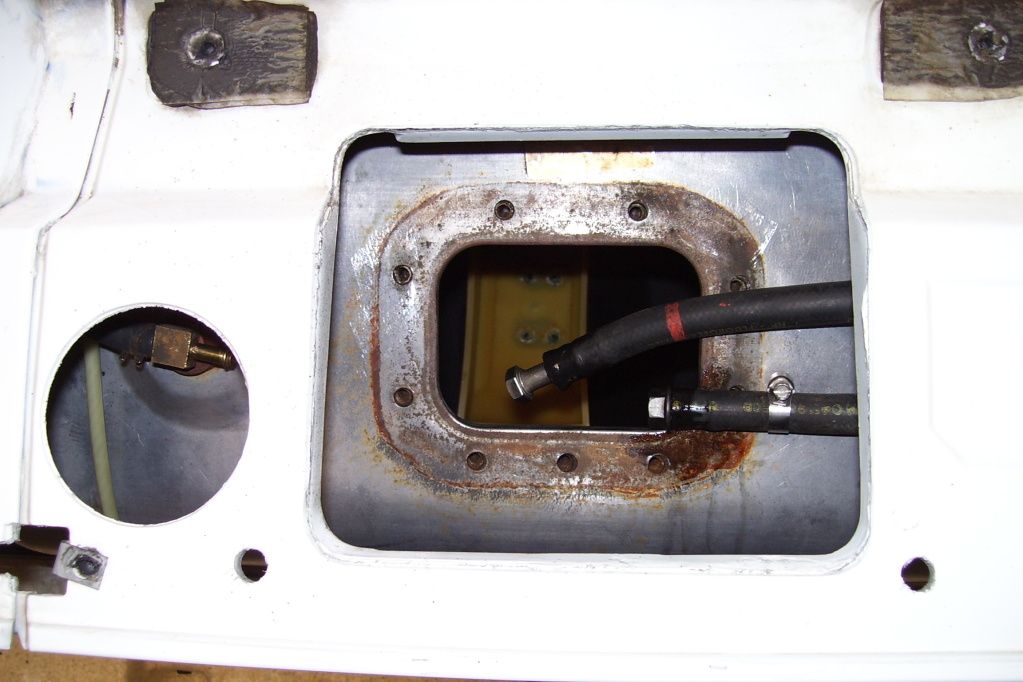
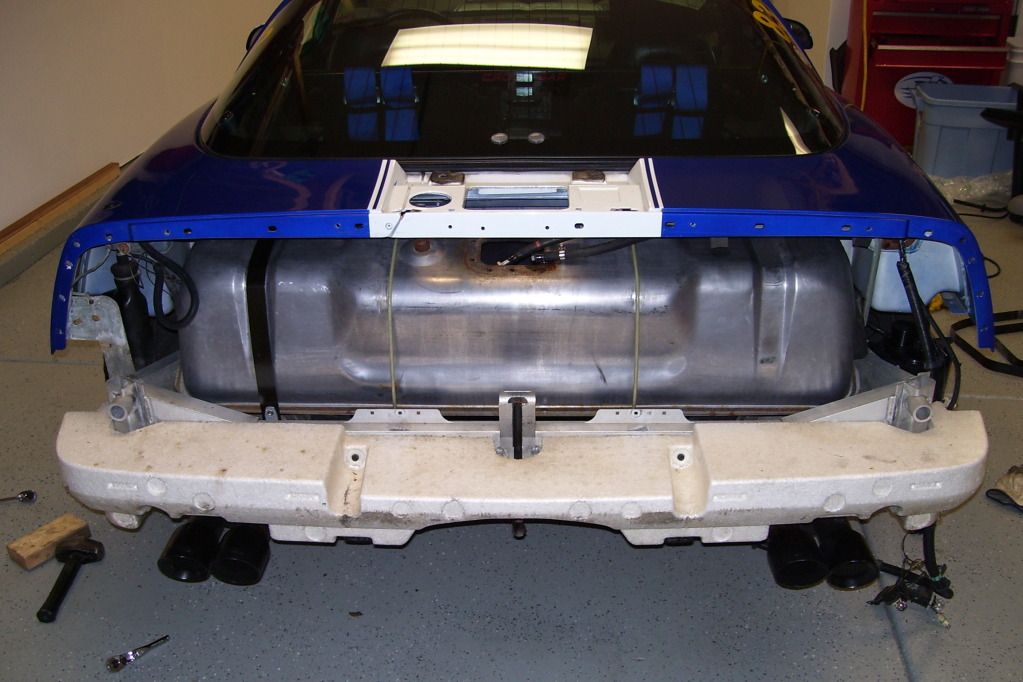
The most difficult to change will be the rubber lines that run from the hard lines to the fuel tank. You will need to remove the rear bumper cover and the fuel tank itself to truly access the lines. In this pic, you can see the capped off lines hanging just below the rear deck and in the center where the white stripe is painted (the other lines are for the EVAP system) ...
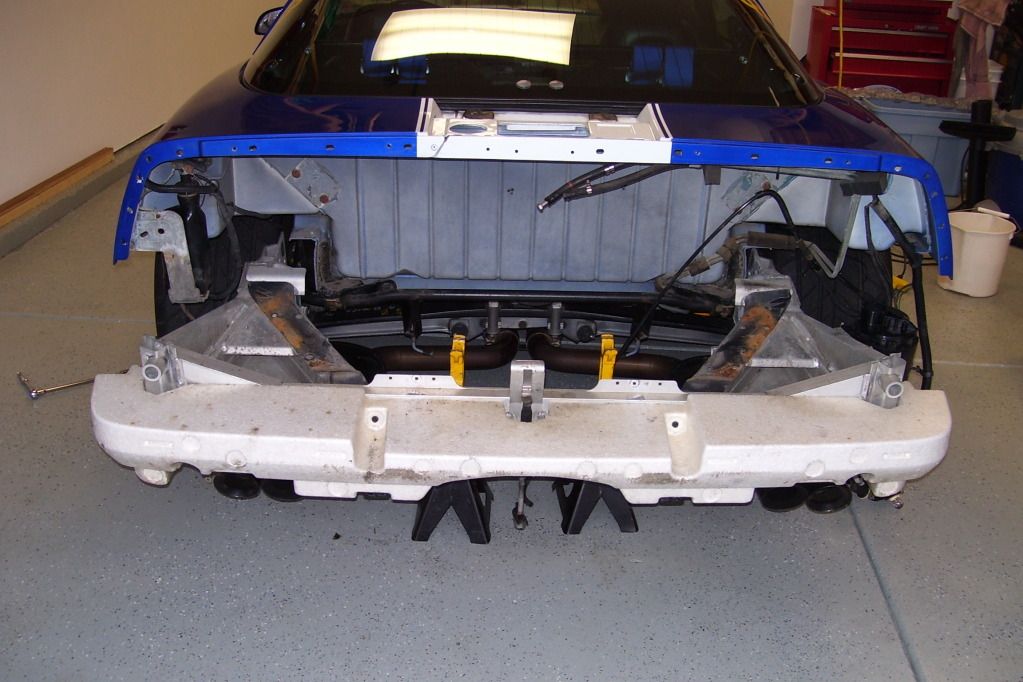
You will see in this pic, that getting to the steel lines would be a pain if the gas tank, etc is installed..
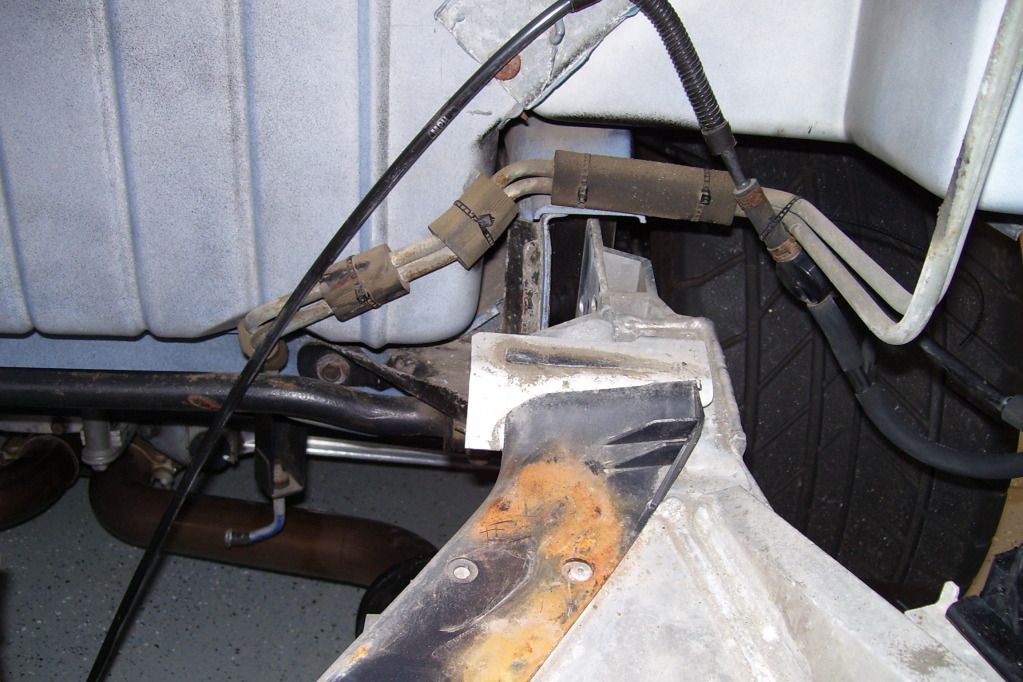
Some other pics...
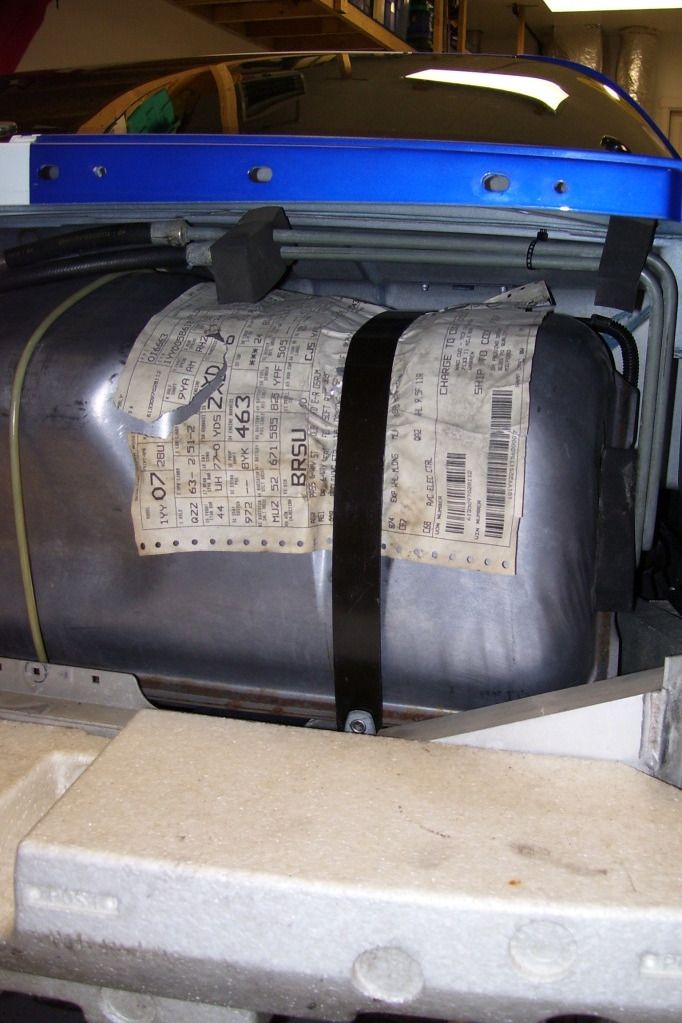
In this pic, above the fuel tank, you can see the rubber lines are crimped in place. The stock fuel pressure is ~45psi at WOT, so you can't just use simple hose clamps or any ol' fuel line...
The only other area there are rubber lines on the LT1 or LT4 cars are the SS braided lines at the fuel rail on the passenger side of the car.
Frankly, unless you have a reason to suspect a leak....which would be pretty evident at 45psi...I'd leave well enough alone. This is not a 1 hour job of cutting a little hose.
The most difficult to change will be the rubber lines that run from the hard lines to the fuel tank. You will need to remove the rear bumper cover and the fuel tank itself to truly access the lines. In this pic, you can see the capped off lines hanging just below the rear deck and in the center where the white stripe is painted (the other lines are for the EVAP system) ...

You will see in this pic, that getting to the steel lines would be a pain if the gas tank, etc is installed..

Some other pics...


In this pic, above the fuel tank, you can see the rubber lines are crimped in place. The stock fuel pressure is ~45psi at WOT, so you can't just use simple hose clamps or any ol' fuel line...

The only other area there are rubber lines on the LT1 or LT4 cars are the SS braided lines at the fuel rail on the passenger side of the car.
Frankly, unless you have a reason to suspect a leak....which would be pretty evident at 45psi...I'd leave well enough alone. This is not a 1 hour job of cutting a little hose.
Le Mans Master
Joined: Sep 2004
Posts: 6,019
Likes: 568
From: Conroe Texas
I had my 89 fuel line next to the 94 fuel line and they are identical except for a couple of bends around the area where it snakes around the rear end. they both have about 12" of rubber fuel line, called fluoroelastomer. that is what I just replaced with -6 an fittings and 300 psi fuel line. I notice also that your fuel lines are routed different around the rear end area from the 89 and the 94.