





Help with Meth Debate

Thread Starter
Racer

Joined: Oct 2004
Posts: 293
Likes: 0
From: Massachusetts
 Help with Meth Debate
My friend is a Ducati/Mustang owner/closet motorhead...we have been discussing my adding a meth kit to my P1 Supercharged 01Z ...his comment was:
"Absolutely is a patch. It just allows you to change timing and boost without mechanically (which is properly) changing your compression to compensate and is not worth it."
Need help with a response.
"Absolutely is a patch. It just allows you to change timing and boost without mechanically (which is properly) changing your compression to compensate and is not worth it."
Need help with a response.

Le Mans Master


Joined: Sep 2001
Posts: 8,840
Likes: 43
From: State of Confusion.
My friend is a Ducati/Mustang owner/closet motorhead...we have been discussing my adding a meth kit to my P1 Supercharged 01Z ...his comment was:
"Absolutely is a patch. It just allows you to change timing and boost without mechanically (which is properly) changing your compression to compensate and is not worth it."
Need help with a response.
"Absolutely is a patch. It just allows you to change timing and boost without mechanically (which is properly) changing your compression to compensate and is not worth it."
Need help with a response.
A meth kit allows your IAT's to stay in check (which compression won't do) and safely run more boost or timing. To say changing compression is better than meth is just a closed minded statement from a person who more than likely hasn't ever had a meth kit on his car. Is it worth it? If you can pick up 20+ rwhp (the keyword to that statement is the + sign) and help make your tune safer, it'd be worth it to me (and I have an ECS/Alky Control kit on my car), but the decision is yours. If you plan on forging your motor, then of course changing compression would be one thing to do (and then use the meth too).
In my opinion, the most important aspect of any motor, is the tune, and if the tune is off, the car won't run right. It won't matter if the compression is stock or altered. With proper tuning, an Alky kit will protect your motor by keeping it cooler and richer (adding meth is like adding fuel, making it richer and run cooler). I vote for adding the meth kit, but like I said, the choice is yours!
Good Luck!

ECS has a Group Purchase now for their meth kit and it's ALOT cheaper than tearing your motor down and changing compression and it's a proven system. Please do a search and see how many of the ECS/Alky Control kits are being used and look at some of the power outputs of the cars and judge from there.
ECS meth kit GP..............

Drifting


Joined: Mar 2006
Posts: 1,872
Likes: 7
From: Richmond VA
 but I'm not sure how quickly it will pull the timing.
So, I do a test purge before making a pass. If it sprays then, chances are that it is going to spray 30 seconds later. You can also mount the LED indicator in a spot where you can easily see if it is spraying when you hit boost.
I have a 03Z with a P1. My fuel system was fine with a boost a pump up till 540hp. Beyond that, fuel pressure started to drop. So, I could either spend $2k on a new fuel system or spray more meth. If I was moving to a forged block and going well over 600, I would certainly opt for the fuel system. However, I see nothing wrong with relying on the meth (taking the precautions above) to get and extra 40-50hp.
I'm just shy of 600/500 with my P1 and 7# boost.

With your 01Z, you can upgrade the fuel system much cheaper than mine....
Safety Car

Joined: Jun 2004
Posts: 4,353
Likes: 22
From: Bella Vista Ca
All I can say is I gained 40 RWHP by adding meth. and that feels great
 As stated above, your tune can be setup to pull timing. Not the best fix but it can work.
Tell your friend that if his fuel pump starts to go out, causing a pressure drop, his car would go lean and the engine would be history. How many people have lost an engine due to meth kit issues?
 There are so many variables that can go wrong.
 If you don't want to take a risk leave the car stock

Team Owner


Joined: May 2006
Posts: 21,473
Likes: 356
From: Palmdale, Ca----- 2009 Cyber Gray 4LT A6 F55 452 RWHP 422 RWTQ- RIP 1998 C5 734 RWHP & 585 RWTQ-----
Negative!
Methanol drops intake temperatures and alows you to run more B@@ST if needed and keeps it from detonating!
I cools the cylinder temeratures up to 250* on some applications!
So let him do his little "you don't need it" while you go ahead and use Meth and keep your motor togehter!
If at all it is a safety device and yes you get a few extea HP and TRq from it!
Let him detonate his motor or not use it to the potential it actually can
Obviously he does not know enough about the use of Methanol and needs to do a little more research!
Cool IAT's and Cylinder Temps are what will save a motor not ruin it!
Thanks,Matt
Methanol drops intake temperatures and alows you to run more B@@ST if needed and keeps it from detonating!
I cools the cylinder temeratures up to 250* on some applications!
So let him do his little "you don't need it" while you go ahead and use Meth and keep your motor togehter!
If at all it is a safety device and yes you get a few extea HP and TRq from it!
Let him detonate his motor or not use it to the potential it actually can
Obviously he does not know enough about the use of Methanol and needs to do a little more research!
Cool IAT's and Cylinder Temps are what will save a motor not ruin it!
Thanks,Matt
Last edited by madmatt9471; Jan 4, 2008 at 09:05 PM.
Corvette Stories
The Best of Corvette for Corvette Enthusiasts

How Much Horsepower Every Corvette Engine "LOST" in 1972
Joe Kucinski
Top 10 DOs and DON'Ts for Protecting Your Convertible Top!
Michael S. Palmer
Top 10 Most Explosive Corvettes Ever Made: Power-to-Weight Ratio Ranked!
Joe Kucinski
150 hp to 1,250 hp: Every Corvette Generation Compared by the Specs That Matter
Joe Kucinski
8 Coolest Corvette Pace Cars (and Replicas) of All Time
Verdad Gallardo
Top 10 Corvette Engines RANKED by Peak Torque (70+ Years of Muscle!)
Joe Kucinski
Corvette ZR1X Will Be Pacing the Indy 500, And Could Probably Race, Too!
Verdad Gallardo
Top 10 Corvettes Coming to Mecum Indy 2026!
Brett Foote
Top 10 C9 Corvette MUST-HAVES to Fix These C8 Generation Flaws!
Michael S. Palmer
Safety Car

Joined: Apr 2000
Posts: 4,326
Likes: 140
From: Weatherford, TX
Adding meth on my setup resulted in +100rwhp, when combined with a muffler swap and a retune. There was no timing added, but a few extra psi boost was produced by the muffler swap. I could have detuned it when I swapped mufflers, but 650rwhp is a lot more fun than 550.
It's a nice option for my stock motor to run around on 92 octane pump gas, and the meth supports the occasional max power. Kinda like race gas on demand.
It's a nice option for my stock motor to run around on 92 octane pump gas, and the meth supports the occasional max power. Kinda like race gas on demand.


Team Owner


Joined: Mar 2003
Posts: 96,496
Likes: 82
St. Jude Donor '03 through '17
Supporting Vendor
Joined: Jul 2003
Posts: 6,486
Likes: 2
From: http://www.mphparts.com 800-364-1975
There will always be different schools of thought. As stated earlier if he believes methanol is a band-aid/patch, then you might as well say the same thing about race fuel.
Or maybe even say that forced induction is a band-aid/patch for large cubes and volumetric efficiency. Patch or not, I like my forced induction, and I like my methanol.
Maybe ask him what he thinks about twin pump fuel systems. All of the really streetable high HP cars I've seen run multiple pumps, either all the time, or activate the second one under boost. When you really think about it, methanol injection really is like a twin pump fuel system.. or a triple pump fuel system if you already have twin pumps.
Oh, and I don't follow his comment that the proper route here is to alter compression to run more timing and boost. You cannot achieve the same effect that methanol gives you by simply dropping compression.
Or maybe even say that forced induction is a band-aid/patch for large cubes and volumetric efficiency.
Patch or not, I like my forced induction, and I like my methanol. Maybe ask him what he thinks about twin pump fuel systems. All of the really streetable high HP cars I've seen run multiple pumps, either all the time, or activate the second one under boost. When you really think about it, methanol injection really is like a twin pump fuel system.. or a triple pump fuel system if you already have twin pumps.
Oh, and I don't follow his comment that the proper route here is to alter compression to run more timing and boost. You cannot achieve the same effect that methanol gives you by simply dropping compression.
Last edited by Tony @ MPH; Jan 5, 2008 at 12:35 AM.
Safety Car
Joined: Apr 2000
Posts: 4,326
Likes: 140
From: Weatherford, TX
 Spark knock city! On the other hand, when I have 100% meth it's very happy.

Le Mans Master
Joined: Sep 2003
Posts: 6,276
Likes: 227
From: Farmington CT
Cruise-In VII Veteran
I've never met your friend; I would listen to people like Doug, Chris(ECS), Julio(Alkycontrol) and Don Kinder; these people have ACTUAL experience and not opinions on what/how meth works
just my .02
just my .02
Le Mans Master
Joined: Sep 2001
Posts: 8,840
Likes: 43
From: State of Confusion.

Former Vendor
Joined: Aug 2007
Posts: 376
Likes: 0
From: www.alcoholinjectionsystems.com info@alcoholinjectionsystems.com Phone: 1. 801. 447. 2559
This is a common response we still hear occasionally. Generally, they've never worked with it. It's understandable since all to many times they don't quite fully understand how water methanol injection works, how to use it properly and the benefits it offers. Once they do they generally change their opinion 180 degree's and become advocates of it.
Through our experience working with many various different type of forced induction applications we have not found one engine that didn’t benefit from water methanol injection. Certainly there are applications which will benefit more then others. The fact is water methanol injection can increase the performance of a supercharged or turbocharged engine Such benefits include:
Benefits of Water Alcohol/Methanol Injection:
Lower air temperatures by 50-250+ degrees
Reduces cylinder temperatures by 250+ degrees
Increase your 87-93 pump gas by 8-20+ points
Increase horsepower safely by 8-15%
Allows you to safely run more boost and timing
Longer more stable combustion expansion and progression
Cool and protects the tops of your engines pistons
Removes carbon build up from combustion chambers, pistons and valves
Reduces & helps eliminate damaging engine detonation & pre-ignition
No need for expensive racing fuel or additives
Our horsepower expectations and standards continue to rise every year. Making 500-600+ rwhp horsepower is all to common and easy in today’s time. Yet with our continual advancement in building more and more horsepower, our pump gas standards remain the same at the pump. Now more then ever before it’s becoming more apparent of the limitations of 91-93 octane premium pump gas.
It’s important to understand water methanol injection is more then a performance enhancer. Water methanol injection can also protect and save your motor from unnecessary and preventable engine failure due to detonation or piston failure.
When you inject water/alcohol into the intake of a forced induction engine the alcohol portion provides instant cooling effect on the air charge as it begins to evaporate immediately leaving behind the water. The alcohol portion (generally methanol or ethanol) is added fuel and burns as part of the combustion process as a high octane fuel. The water portion reacts a little slower as it needs a substantial amount more of heat to begin evaporating. It’s when the water reaches the combustion chamber and the temperatures within that it begins to turn to steam. This steam slows down and stabilizes the combustion process (acting as an anti-detonate/effective octane booster also) while also lowering combustion chamber temperatures. It is also the water which cools and protects the tops of the pistons (these engines don’t have oil squirters under the pistons to cool them as do OEM engines designed for turbo's etc.). The water portion also cools and lowers EGT's.
Through our experience working with many various different type of forced induction applications we have not found one engine that didn’t benefit from water methanol injection. Certainly there are applications which will benefit more then others. The fact is water methanol injection can increase the performance of a supercharged or turbocharged engine Such benefits include:
Benefits of Water Alcohol/Methanol Injection:
Lower air temperatures by 50-250+ degrees
Reduces cylinder temperatures by 250+ degrees
Increase your 87-93 pump gas by 8-20+ points
Increase horsepower safely by 8-15%
Allows you to safely run more boost and timing
Longer more stable combustion expansion and progression
Cool and protects the tops of your engines pistons
Removes carbon build up from combustion chambers, pistons and valves
Reduces & helps eliminate damaging engine detonation & pre-ignition
No need for expensive racing fuel or additives
Our horsepower expectations and standards continue to rise every year. Making 500-600+ rwhp horsepower is all to common and easy in today’s time. Yet with our continual advancement in building more and more horsepower, our pump gas standards remain the same at the pump. Now more then ever before it’s becoming more apparent of the limitations of 91-93 octane premium pump gas.
It’s important to understand water methanol injection is more then a performance enhancer. Water methanol injection can also protect and save your motor from unnecessary and preventable engine failure due to detonation or piston failure.
When you inject water/alcohol into the intake of a forced induction engine the alcohol portion provides instant cooling effect on the air charge as it begins to evaporate immediately leaving behind the water. The alcohol portion (generally methanol or ethanol) is added fuel and burns as part of the combustion process as a high octane fuel. The water portion reacts a little slower as it needs a substantial amount more of heat to begin evaporating. It’s when the water reaches the combustion chamber and the temperatures within that it begins to turn to steam. This steam slows down and stabilizes the combustion process (acting as an anti-detonate/effective octane booster also) while also lowering combustion chamber temperatures. It is also the water which cools and protects the tops of the pistons (these engines don’t have oil squirters under the pistons to cool them as do OEM engines designed for turbo's etc.). The water portion also cools and lowers EGT's.
Last edited by AIS; Jan 9, 2008 at 10:38 AM.
Le Mans Master
Joined: Sep 2001
Posts: 8,840
Likes: 43
From: State of Confusion.
This is a common response we still hear occasionally. Generally, they've never even worked with it. It's understandable since all to many times they don't quite fully understand how water methanol injection works, how to use it properly and the benefits it offers. Once they do they generally change their opinion 180 degree's and become advocates of it.
Through our experience working with many various different type of forced induction applications we have not found one engine that didn’t benefit from water methanol injection. Certainly there are applications which will benefit more then others. The fact is water methanol injection can increase the performance of a supercharged or turbocharged engine Such benefits include:
Benefits of Water Alcohol/Methanol Injection:
Lower air temperatures by 50-250+ degrees
Reduces cylinder temperatures by 250+ degrees
Increase your 87-93 pump gas by 8-20+ points
Increase horsepower safely by 8-15%
Allows you to safely run more boost and timing
Longer more stable combustion expansion and progression
Cool and protects the tops of your engines pistons
Removes carbon build up from combustion chambers, pistons and valves
Reduces & helps eliminate damaging engine detonation & pre-ignition
No need for expensive racing fuel or additives
Our horsepower expectations and standards continue to rise every year. Making 500-600+ rwhp horsepower is all to common and easy in today’s time. Yet with our continual advancement in building more and more horsepower, our pump gas standards remain the same at the pump. Now more then ever before it’s becoming more apparent of the limitations of 91-93 octane premium pump gas.
It’s important to understand water methanol injection is more then a performance enhancer. Water methanol injection can also protect and save your motor from unnecessary and preventable engine failure due to detonation or piston failure.
When you inject water/alcohol into the intake of a forced induction engine the alcohol portion provides instant cooling effect on the air charge as it begins to evaporate immediately leaving behind the water. The alcohol portion (generally methanol or ethanol) is added fuel and burns as part of the combustion process as a high octane fuel. The water portion reacts a little slower as it needs a substantial amount more of heat to begin evaporating. It’s when the water reaches the combustion chamber and the temperatures within that it begins to turn to steam. This steam slows down and stabilizes the combustion process (acting as an anti-detonate/effective octane booster) while also lowering combustion chamber temperatures. It is also the water which cools and protects the tops of the pistons (these engines don’t have oil squirters under the pistons to cool them as do OEM engines designed for turbo's etc.). The water portion also cools and lowers EGT's.
Through our experience working with many various different type of forced induction applications we have not found one engine that didn’t benefit from water methanol injection. Certainly there are applications which will benefit more then others. The fact is water methanol injection can increase the performance of a supercharged or turbocharged engine Such benefits include:
Benefits of Water Alcohol/Methanol Injection:
Lower air temperatures by 50-250+ degrees
Reduces cylinder temperatures by 250+ degrees
Increase your 87-93 pump gas by 8-20+ points
Increase horsepower safely by 8-15%
Allows you to safely run more boost and timing
Longer more stable combustion expansion and progression
Cool and protects the tops of your engines pistons
Removes carbon build up from combustion chambers, pistons and valves
Reduces & helps eliminate damaging engine detonation & pre-ignition
No need for expensive racing fuel or additives
Our horsepower expectations and standards continue to rise every year. Making 500-600+ rwhp horsepower is all to common and easy in today’s time. Yet with our continual advancement in building more and more horsepower, our pump gas standards remain the same at the pump. Now more then ever before it’s becoming more apparent of the limitations of 91-93 octane premium pump gas.
It’s important to understand water methanol injection is more then a performance enhancer. Water methanol injection can also protect and save your motor from unnecessary and preventable engine failure due to detonation or piston failure.
When you inject water/alcohol into the intake of a forced induction engine the alcohol portion provides instant cooling effect on the air charge as it begins to evaporate immediately leaving behind the water. The alcohol portion (generally methanol or ethanol) is added fuel and burns as part of the combustion process as a high octane fuel. The water portion reacts a little slower as it needs a substantial amount more of heat to begin evaporating. It’s when the water reaches the combustion chamber and the temperatures within that it begins to turn to steam. This steam slows down and stabilizes the combustion process (acting as an anti-detonate/effective octane booster) while also lowering combustion chamber temperatures. It is also the water which cools and protects the tops of the pistons (these engines don’t have oil squirters under the pistons to cool them as do OEM engines designed for turbo's etc.). The water portion also cools and lowers EGT's.
What would be the recommended ratio for the mix in the tank?
Former Vendor
Joined: Aug 2007
Posts: 376
Likes: 0
From: www.alcoholinjectionsystems.com info@alcoholinjectionsystems.com Phone: 1. 801. 447. 2559

Team Owner
Joined: Jul 2003
Posts: 20,474
Likes: 2
From: Detroit
I woudln't bother with meth on a P1 car unless you are beating on it in the summer heat or live in an area where you can't get good pump fuel.
Meth is good for lowering IAT's which is helpful on hot summer days, but other than that I don't think much of it. It's just one more system that needs to be maintained (serviced) and another potential tuning headache.
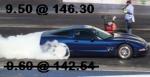
FWIW, I ran my car last year at Norwalk with meth and without and both passes had *exactly* the same ET and MPH.
Meth is good for lowering IAT's which is helpful on hot summer days, but other than that I don't think much of it. It's just one more system that needs to be maintained (serviced) and another potential tuning headache.
FWIW, I ran my car last year at Norwalk with meth and without and both passes had *exactly* the same ET and MPH.