








How Many?
Thread Starter
Race Director


Joined: Feb 2004
Posts: 11,002
Likes: 2,564
From: Del Boca Vista FL
 How Many?
We constantly hear the comments about pre 2001 C5's being subject to possible loss of ABS due to failure of the ebcm. Because of this possibility people are told that the early cars are not a good choice for purchase if a newer car is affordable.
Two part question. Not related to auto cross or track driving. How many people driving C5's have ever actually engaged the brakes and activated the ABS? And, if you did engage the ABS, did it keep your car from colliding with another?
Two part question. Not related to auto cross or track driving. How many people driving C5's have ever actually engaged the brakes and activated the ABS? And, if you did engage the ABS, did it keep your car from colliding with another?
Corvette Stories
The Best of Corvette for Corvette Enthusiasts

2027 Corvette vs The World: Every Model vs Closest Competitor
Joe Kucinski
10 Most Common Corvette Problems of the Last 20 Years!
Joe Kucinski
5 MOST and 5 LEAST Popular Corvette Model Years in History!
Joe Kucinski
2027 Corvette Buyer's Guide: Everything You Need to Know!
Joe Kucinski
10 Things C8 Corvette Owners Hate (But Won't Tell You)
Joe Kucinski
10 Best Corvettes Coming to Barrett-Jackson Palm Beach 2026!
Brett Foote
Every Corvette Grand Sport Explained! (C2, C4, C6, C7, & C8)
Joe Kucinski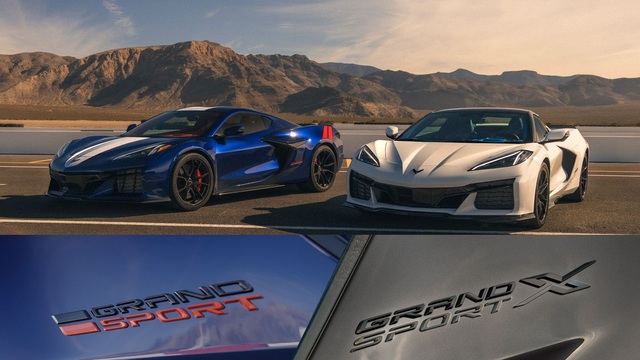
Grand Sport & Grand Sport X Launch Alongside All-New 535hp LS6 V8!
Michael S. Palmer
5 Reasons Bad Drivers Crash & 5 Ways to Avoid a Costly Mistake!
Joe Kucinski
Race Director
Joined: Jul 2007
Posts: 18,681
Likes: 47
From: Reno is so close to Hell you can see Sparks , State Of Confusion
St. Jude Donor '12-'13-'14


Melting Slicks

Joined: Apr 2009
Posts: 2,479
Likes: 36
Don't mean to hijack the thread but I wonder if there is a way to permanently delete all TC/AH/ABS systems from C5's. I'm not talking about disabling and living with error codes on the dash. I mean completely; no codes or other issues. I don't have problems with mine but these cars are not getting any younger. Someone must have thought of this.
Le Mans Master

Joined: Sep 2013
Posts: 8,900
Likes: 1,073
From: Wisconsin
We constantly hear the comments about pre 2001 C5's being subject to possible loss of ABS due to failure of the ebcm. Because of this possibility people are told that the early cars are not a good choice for purchase if a newer car is affordable.
Two part question. Not related to auto cross or track driving. How many people driving C5's have ever actually engaged the brakes and activated the ABS? And, if you did engage the ABS, did it keep your car from colliding with another?
Two part question. Not related to auto cross or track driving. How many people driving C5's have ever actually engaged the brakes and activated the ABS? And, if you did engage the ABS, did it keep your car from colliding with another?
When your wheels lock up on wet and slippery roads or during a panic stop, you may lose traction and control, causing your vehicle to spin. Antilock brakes keep your wheels from locking up, so your car maintains directional control around hazards if you can�t make a complete stop in time.
Do cars with ABS stop more quickly than cars without?
Perhaps, but that�s not the main purpose of ABS. It is a system designed to help you maintain control of the vehicle during emergency braking situations, not necessarily make the car stop more quickly. ABS may shorten stopping distances on wet or slippery roads and most systems may shorten stopping distances on dry roads. On very soft surfaces, such as gravel or unpacked snow, ABS may actually lengthen stopping distances. In wet or icy conditions, you should still make sure you drive carefully, always keep a safe distance behind the vehicle in front of you, and maintain a speed consistent with the road conditions.
Perhaps, but that�s not the main purpose of ABS. It is a system designed to help you maintain control of the vehicle during emergency braking situations, not necessarily make the car stop more quickly. ABS may shorten stopping distances on wet or slippery roads and most systems may shorten stopping distances on dry roads. On very soft surfaces, such as gravel or unpacked snow, ABS may actually lengthen stopping distances. In wet or icy conditions, you should still make sure you drive carefully, always keep a safe distance behind the vehicle in front of you, and maintain a speed consistent with the road conditions.

Le Mans Master

Joined: Jan 2004
Posts: 9,488
Likes: 1,743
From: Knoxville Tn


Administrator


Joined: Mar 2001
Posts: 367,290
Likes: 24,573
From: In a parallel universe. Currently own 2014 Stingray Coupe.
C7 of the Year - Modified Finalist 2021
MO Events Coordinator
St. Jude Co-Organizer
St. Jude Donor '03 thru '25
NCM Sinkhole Donor
CI 5, 8 & 11 Veteran
Yes to both questions.



Thread Starter
Race Director
Joined: Feb 2004
Posts: 11,002
Likes: 2,564
From: Del Boca Vista FL
I originally asked this question due to the number of posts advising against purchase of pre 2001 cars due to possible ebcm failure.
With 342 views and 14 responses it seems like the possible loss of ABS braking isn't all that much of a big deal to C5 drivers.
Thanks to all who participated.
With 342 views and 14 responses it seems like the possible loss of ABS braking isn't all that much of a big deal to C5 drivers.
Thanks to all who participated.
Racer

Joined: Mar 2014
Posts: 399
Likes: 11
From: Southern NH
That number of posts are from a select few with issues and BY NO MEANS typical of a pre 2001 experiance as the thousands on the road make their concern less than worth a footnote.
I also don't think you will find anyone claiming to have feet that can modulate better then ABS. With that said, I don't believe it makes that much of a real world difference anyway. To back up my ststement, below is a list of fatalities % relative to the population since we started packing cars with these "safety" toy's. Hint: It hasn't changed much.
1990 44,599 2,144.36 2.08 249,464,396 17.878 positive decrease-3.19%
1991 41,508 2,172.05 1.91 252,153,092 16.461 positive decrease-7.92%
1992 39,250 2,247.15 1.75 255,029,699 15.390 positive decrease-6.51%
1993 40,150 2,296.38 1.75 257,782,608 15.575 negative increase1.20%
1994 40,716 2,358 1.73 260,327,021 15.6403 negative increase0.42%
1995 41,817 2,423 1.73 262,803,276 15.9119 negative increase1.74%
1996 42,065 2,486 1.69 265,228,572 15.8599 positive decrease-0.33%
1997 42,013 2,562 1.64 267,783,607 15.6892 positive decrease-1.08%
1998 41,501 2,632 1.58 270,248,003 15.3566 positive decrease-2.12%
1999 41,717 2,691 1.55 272,690,813 15.2983 positive decrease-0.38%
2000 41,945 2,747 1.53 282,216,952 14.8627 positive decrease-2.85%
2001[2] 42,196 2,797 1.51 285,226,284 14.81 positive decrease-0.46%
2002 43,005 2,856 1.51 288,125,973 14.95 negative increase0.89%
2003 42,884 2,890 1.48 290,796,023 14.78 positive decrease-1.75%
2004 42,836 2,965 1.44 293,638,158 14.63 positive decrease-0.52%
2005 43,510 2,989 1.46 296,507,061 14.72 negative increase0.44%
2006 42,708 3,014 1.42 299,398,484 14.31 positive decrease-2.79%
2007 41,259 3,031 1.36 301,139,947 13.70 positive decrease-3.85%
2008 37,423 2,977 1.26 303,824,640 12.31 positive decrease-11.0%
2009 33,883 2,957 1.15 306,700,000 11.05 positive decrease-9.7%
2010 [2] 32,999 2,967 1.11 309,326,000 10.668 positive decrease-3.5%
2011[4] 32,479 2,950 1.10 311,588,000 10.424 positive decrease-2.3%
2012[1] 33,561 2,969 1.13 313,914,000 10.691 negative increase2.6%
I also don't think you will find anyone claiming to have feet that can modulate better then ABS. With that said, I don't believe it makes that much of a real world difference anyway. To back up my ststement, below is a list of fatalities % relative to the population since we started packing cars with these "safety" toy's. Hint: It hasn't changed much.
1990 44,599 2,144.36 2.08 249,464,396 17.878 positive decrease-3.19%
1991 41,508 2,172.05 1.91 252,153,092 16.461 positive decrease-7.92%
1992 39,250 2,247.15 1.75 255,029,699 15.390 positive decrease-6.51%
1993 40,150 2,296.38 1.75 257,782,608 15.575 negative increase1.20%
1994 40,716 2,358 1.73 260,327,021 15.6403 negative increase0.42%
1995 41,817 2,423 1.73 262,803,276 15.9119 negative increase1.74%
1996 42,065 2,486 1.69 265,228,572 15.8599 positive decrease-0.33%
1997 42,013 2,562 1.64 267,783,607 15.6892 positive decrease-1.08%
1998 41,501 2,632 1.58 270,248,003 15.3566 positive decrease-2.12%
1999 41,717 2,691 1.55 272,690,813 15.2983 positive decrease-0.38%
2000 41,945 2,747 1.53 282,216,952 14.8627 positive decrease-2.85%
2001[2] 42,196 2,797 1.51 285,226,284 14.81 positive decrease-0.46%
2002 43,005 2,856 1.51 288,125,973 14.95 negative increase0.89%
2003 42,884 2,890 1.48 290,796,023 14.78 positive decrease-1.75%
2004 42,836 2,965 1.44 293,638,158 14.63 positive decrease-0.52%
2005 43,510 2,989 1.46 296,507,061 14.72 negative increase0.44%
2006 42,708 3,014 1.42 299,398,484 14.31 positive decrease-2.79%
2007 41,259 3,031 1.36 301,139,947 13.70 positive decrease-3.85%
2008 37,423 2,977 1.26 303,824,640 12.31 positive decrease-11.0%
2009 33,883 2,957 1.15 306,700,000 11.05 positive decrease-9.7%
2010 [2] 32,999 2,967 1.11 309,326,000 10.668 positive decrease-3.5%
2011[4] 32,479 2,950 1.10 311,588,000 10.424 positive decrease-2.3%
2012[1] 33,561 2,969 1.13 313,914,000 10.691 negative increase2.6%
Last edited by tcrote5516; Sep 6, 2014 at 08:40 PM.

Le Mans Master


Joined: Jun 2007
Posts: 7,395
Likes: 4,772
From: BEST Corn-Nation
2015 C5 of the Year Winner
I would have to say No and No to the OP's question. I have a '98 and am not concerned about the EBCM failing. If it does I will just keep clearing the codes until there is a fix for it. But I will keep enjoying the car until then.
Thread Starter
Race Director
Joined: Feb 2004
Posts: 11,002
Likes: 2,564
From: Del Boca Vista FL
Melting Slicks
Joined: Mar 2008
Posts: 2,962
Likes: 254
From: Richmond, Ky
I have noticed the almost immediate response of some who will advise against buying a pre-2001 car when prospective buyer ask for input. While it is important to educate yourself about all the pro's and con's, We can do a disservice by being too biased. I recall one poster who bought a Z06 and was lamenting all the problems he encountered with in the first few months of ownership. He might have been happier with an early model purchase. I suggest people buy the car they like and suits there pocket book.