When you click on links to various merchants on this site and make a purchase, this can result in this site earning a commission. Affiliate programs and affiliations include, but are not limited to, the eBay Partner Network.
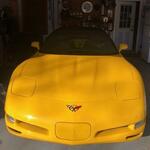
The A/C has never worked in my 2000 M6 since I’ve had the car. The compressor I believe is kicking on because both fans run but only warm air comes out. Will one of the recharging kits from auto zone work or is it a waste of money and best to take it to a shop, if so what would you recommend. Usually only drive with top down but would be nice to have. Thanks
In order for a system to take some charge without evacuating it, there needs to be:
1. Some charge still in the system. That means there has to be some pressure in it.
2. The compressor needs to run so it can suck in charge from the can.
To verify that the compressor is running, look at the a/c request light. It should stay on. If it flashes a few times and then stays off, your compressor is not running. You can also raise the hood with the engine running and a/c on and look at the compressor clutch, it should be spinning with the pulley.
If the compressor is running but the outlet air is not very cold and the suction line is not cold, you might be low on charge or it could be something else. Without knowing the history of your a/c performance, it is a guess.
Its 60 degrees here in southwest Ohio so not a very good day to assess the outlet air and cold suction line test.
Thank you, I’m in NW Ohio. I will check that A/C light, don’t remember if it stays on or not I know the line does not get cold. The other problem I’ve had is that damm gas guage issue and nothing has helped that unfortunately. Enjoy the warm weather while it’s here
The C5 A/C system can be a huge rabbit hole! I also have a 2000 model. Looking at this logically, if the system is all original, everything is almost 25 years old. I replaced everything in my car-EXCEPT the evaporator under the dash. Guess where the leak is? Evaporator for the loss!!! All told, I'll have almost $3,000 in my car! The evap is not an easy part to change by yourself......
The C5 A/C system can be a huge rabbit hole! I also have a 2000 model. Looking at this logically, if the system is all original, everything is almost 25 years old. I replaced everything in my car-EXCEPT the evaporator under the dash. Guess where the leak is? Evaporator for the loss!!! All told, I'll have almost $3,000 in my car! The evap is not an easy part to change by yourself......
WOW! Had the car 3 years and don’t know much history on it except what a dealership could pull up for me via vin number. I guess I probably just use the top down for my air. Thanks
WOW! Had the car 3 years and don’t know much history on it except what a dealership could pull up for me via vin number. I guess I probably just use the top down for my air. Thanks
That'll work, except in AZ, Florida, etc.! Thats why I'm fixing mine. You can jump 2 pins on relay #34 to force the compressor to run. I'd try a 12oz. can with maybe an ounce of PAG oil in it, because when the system leaks, it leaks oil and 134a. NOTE!! If the system has no vacuum in it, I'd take it to a pro. If youve never done this before, get a buddy that has, to help you. Or take it to a pro. I'll highlight in white the 2 pins to jump on relay #34 under the
hood. Second pic will show the relay installed. I just used a test lead with alligator clips on each end, and inserted a couple of large common pins into the fuse box. Good luck....
There are 1001 possible electrical, mechanical and hydraulic reasons why the A/C may not work correctly.
Electrical tests are probably the easiest and cheapest place to start, assuming that you don't have A/C pressure gauges and you aren't afraid of electrical diagnosis. But, work methodically and use the wiring diagram. The fans are controlled by the BCM, not the HVAC module. So, the fact that the fans come on with an A/C request is a good clue, but that's no indication that the compressor will run, as other gremlins could prevent this.
I also bought a refrigerant sniffer. Reasonably priced at Harbor F. When you get it charged, roll up the windows and close the hood. Hold the sniffer in front of the interior dash vents. If it starts beeping, even slowly, you have a probable evap leak......
I also bought a refrigerant sniffer. Reasonably priced at Harbor F. When you get it charged, roll up the windows and close the hood. Hold the sniffer in front of the interior dash vents. If it starts beeping, even slowly, you have a probable evap leak......
I also have a 2000 M6 and my AC quit working but the compressor was turning on. If you believe the freon is escaping checking the compressor is a good place to start. The AC compressor housings on these cars are sealed by two large orings and it’s common for them to leak. This is what happened to my car and I rebuilt the compressor with a gasket and oring kit from Auto Zone. A less time consuming option is to buy a new compressor.
I also have a 2000 M6 and my AC quit working but the compressor was turning on. If you believe the freon is escaping checking the compressor is a good place to start. The AC compressor housings on these cars are sealed by two large orings and it’s common for them to leak. This is what happened to my car and I rebuilt the compressor with a gasket and oring kit from Auto Zone. A less time consuming option is to buy a new compressor.
thank you for all the information looks like I have some checking to do
The C5 A/C system can be a huge rabbit hole! I also have a 2000 model. Looking at this logically, if the system is all original, everything is almost 25 years old. I replaced everything in my car-EXCEPT the evaporator under the dash. Guess where the leak is? Evaporator for the loss!!! All told, I'll have almost $3,000 in my car! The evap is not an easy part to change by yourself......
It's not so much "under the dash" as "inside the dash!" What a nightmare to change the evaporator.
STOP! If your system doesn't work. IMHO, You need to connect a set of gauges to the system (at least the low side) to see if you have pressure inside the system. Quick rule of thumb is approx. 10 lbs pressure per degree of outside temp on a cold non running system.. If you have no or very low pressure, you possibly have a leak and air/moisture and non condensable gasses in the system. If that's the case it needs a full system vacuum to remove those contaminates. Normally, on systems that have been opened, leak to very low/zero pressure OR one that you do not know its system integrity history, the receiver dryer and orifice restrictor tube is replaced and the system is vacuumed (leaked checked) and recharged to the correct weight of refrigerant as per manufacture. moisture inside the system caused ACIDS to develop and destroy the system from the inside out. Non Condensable gasses cause system inefficiency.
If you have good pressure, and you turn the AC to ON, the 'CENTER" of the clutch pully should electromagnetically pull in and connect (clutch) to the outer driven pully. IF, the inner and outer pully are NOT spinning together, you should electrically troubleshoot the system to see why the clutch isn't engaging. Yes, low pressure and or excessively high pressure can cause the system to disable the clutch to engage.
You can charge a zero pressure system using just cans of R-134. If you put the R-134 can into a container of hot water while its charging the system, it will cause the liquid refrigerant in the can to flash and push all the R-134 out of the can and into the system. Once one can is empty, change to a full can and the can pressure will fill the system until it reaches the low pressure limit and the system will cycle and run so you can fill it to its desired weight or desired system operating pressures. NOTE! #1 The System electrical must function properly to allow the compressor clutch to engage and turn the compressor. ALWAYS charge the system from the LOW (SUCTION SIDE) with the can pointing UP. If you turn the can up-side down, it will inject LIQUID Refrigerant into the GAS SIDE of the system and the compressor may be damaged.
I'm not an AC licensed tech but, I have all the required tools, do all my own AC work and repairs and have become very good at troubleshooting/repairing and servicing all the systems that I have worked on. .
NOTE #2 To properly charge the system, you have to follow the Service manual setup and charge procedures. (just like any other vehicle) The engine RPM, outside temps, humidity and system load needs to be taken into consideration for proper charge. The HVAC air outlet temp will NOT BE fridged cold! It is normally 20-25 degrees colder than the ambient outside temps. It can get colder but if the evaporator gets too cold, it will freeze up the condensation on the coil and stop flowing air.
Our system is not a cycling clutch system. Once you turn the AC on, the clutch should engage and remain on/connected/engaged while the system is ON. If it cycles on & off, especially when the RPM is increased, the charge is probably LOW or too high.
Pulling a proper vacuum on the system and verifying that it holds vacuum is the first step in verifying the system is air tight. The second step is properly charging it and using a leak detector to sniff all the joints and seals to check for pressure leaks
Something else that I normally do is to add dye to any system that I service and Its ALWAYS recommended to change out the High and Low side Schreder valve cores when the system is down (zero Pressure) because they frequently leak and fail to seal. Adding Dye will allow you to use a black light to see where the dye is leaking from.
NOTE #3 When replacing system hard parts, you should add the required PAG Oil to the system for the new parts that were added. I usually add an ounce or two of oil when I charge a system as the oil will leak out with the gas over time. Any excess oil in the system will accumulate in the receiver dry.
There are so many more technical knowledge requirements and general system things to note, it impossible to cover it ALL in a post.
BC
Last edited by Bill Curlee; Feb 18, 2024 at 06:47 PM.
Thank you for all the great advice, I will do some checking and keep this information so I at least have a idea on what I’m doing and looking at to bad your in Texas and I’m in Ohio.
thank you
When you ARM yourself with knowledge, its easier to fix things your self and if you have to have someone else fix it, it keeps them from blowing smoke up your A$$.









 A/C recharge