


Black Brake Fluid, What the...


Thread Starter
Drifting


Joined: Jun 2014
Posts: 1,431
Likes: 233
From: Chicago Illinois

I agree that brake fluid will not change how the car brakes. However, if anyone wants to see some amazing improvements in braking power, swap-out the stock brake lines for stainless steel brake lines on all 4 calipers. The stopping power will improve by orders of magnitude.

Safety Car


Joined: Mar 2007
Posts: 4,363
Likes: 543
From: Sarasota FL
St. Jude Donor '25-'26
I have found that using a vacuum pump to bleed brakes is a real problem. When you pull a vacuum on the pump at the caliper and open the bleeder screw air is drawn around the threads on the screw, pulling air in and failing to draw the fluid out of the lines. The best way I have found to bleed a system is to use the proven two-man method.
I haven't tried the Mityvac with the speed bleeders, I will have to give that a try.

Safety Car


Joined: Apr 2007
Posts: 4,464
Likes: 326
From: Houston TX
I agree that brake fluid will not change how the car brakes. However, if anyone wants to see some amazing improvements in braking power, swap-out the stock brake lines for stainless steel brake lines on all 4 calipers. The stopping power will improve by orders of magnitude.
Thread Starter
Drifting
Joined: Jun 2014
Posts: 1,431
Likes: 233
From: Chicago Illinois
When I owned my 99 C5, I autocrossed the car several times a month. So, I was intimately aware of that car's braking performance. After installing the SS lines and taking the car out for several autocross weekends, the effectiveness of the cars brake performance was dramatically improved to the extent I had to re-acquaint myself with the cars braking characteristics. SS lines are by no means placebo or a fluke. It simple physics, and it works. I have every intention of installing SS lines on my C6 base coupe.


Race Director


Joined: Dec 2013
Posts: 12,505
Likes: 3,631
Depends, and if your old brake rubber lines are pressure ballooning every time you go to use the brakes, even new rubber lines will make a difference.
As for braided line, all depends on the braid line hose being used, since have seen cheap ones pressure balloon worse then oem rubber hoses.
Hence very good lines that will not pressure balloon,
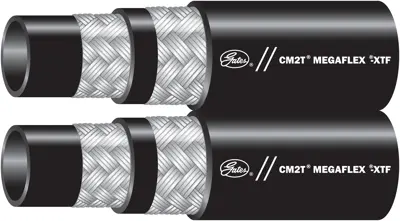
While braided lines that will pressure balloon, since the braid outer is just decorative isntead.
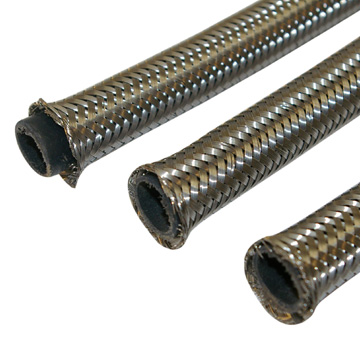

Pro

Joined: Oct 2017
Posts: 555
Likes: 74
From: Apex NC
The clutch is the worst IMO, the seal near the flywheel is terrible and pulls the clutch dust is pulled into the fluid from the dust that collects on the rod. I have to change mine almost very track day. Brakes will discolor with high temps and moisture, brake fluid is hydro-scopic. It may too be the rubber in the flexible lines as well. All I know is that if you want to avoid trouble regular maintenance includes flushing this fluids. The Camaro was really bad, they shared a reservoir with clutch and brake, then the clutch dust worked their way into all the brakes lines/calipers.







