


C7 Weight

Thread Starter
Burning Brakes


Joined: Feb 2000
Posts: 1,195
Likes: 1
From: East Bay CA
 C7 Weight
I keep reading that C7 will be particularly light. How is that going to happen? Here are my speculations:
1) Aluminum frame, uncompromised by having to share key dimensions with a steel frame. In C6, the aluminum frame dropped 140 pounds.
2) Magnesium - engine cradle, sheet metal stampings and more:
http://www.google.com/patents/US7661282
http://media.gm.com/media/us/en/gm/n...Magnesium.html
3) Polycarbonate
http://www.sabic-ip.com/gep/en/NewsR...cannounce.html
http://www.just-auto.com/webinar-pdf...ve-Glazing.pdf
Here are the weights for the 2013 C6:
3208 (coupe), 3221 (convertible)
3311 (GS coupe), 3289 (GS convertible)
I'd be very surprised if they didn't take 250 pounds out of the base coupe (2950). Magnesium is going to be the eye opener. My only caveat on that is if the high-temperature magnetorheological shocks become standard equipment.
Carbon fiber - ??
1) Aluminum frame, uncompromised by having to share key dimensions with a steel frame. In C6, the aluminum frame dropped 140 pounds.
2) Magnesium - engine cradle, sheet metal stampings and more:
http://www.google.com/patents/US7661282
http://media.gm.com/media/us/en/gm/n...Magnesium.html
3) Polycarbonate
http://www.sabic-ip.com/gep/en/NewsR...cannounce.html
http://www.just-auto.com/webinar-pdf...ve-Glazing.pdf
Here are the weights for the 2013 C6:
3208 (coupe), 3221 (convertible)
3311 (GS coupe), 3289 (GS convertible)
I'd be very surprised if they didn't take 250 pounds out of the base coupe (2950). Magnesium is going to be the eye opener. My only caveat on that is if the high-temperature magnetorheological shocks become standard equipment.
Carbon fiber - ??

Drifting


Joined: Sep 2011
Posts: 1,418
Likes: 229
From: Licking MO
I keep reading that C7 will be particularly light. How is that going to happen? Here are my speculations:
1) Aluminum frame, uncompromised by having to share key dimensions with a steel frame. In C6, the aluminum frame dropped 140 pounds.
2) Magnesium - engine cradle, sheet metal stampings and more:
http://www.google.com/patents/US7661282
http://media.gm.com/media/us/en/gm/n...Magnesium.html
3) Polycarbonate
http://www.sabic-ip.com/gep/en/NewsR...cannounce.html
http://www.just-auto.com/webinar-pdf...ve-Glazing.pdf
Here are the weights for the 2013 C6:
3208 (coupe), 3221 (convertible)
3311 (GS coupe), 3289 (GS convertible)
I'd be very surprised if they didn't take 250 pounds out of the base coupe (2950). Magnesium is going to be the eye opener. My only caveat on that is if the high-temperature magnetorheological shocks become standard equipment.
Carbon fiber - ??
1) Aluminum frame, uncompromised by having to share key dimensions with a steel frame. In C6, the aluminum frame dropped 140 pounds.
2) Magnesium - engine cradle, sheet metal stampings and more:
http://www.google.com/patents/US7661282
http://media.gm.com/media/us/en/gm/n...Magnesium.html
3) Polycarbonate
http://www.sabic-ip.com/gep/en/NewsR...cannounce.html
http://www.just-auto.com/webinar-pdf...ve-Glazing.pdf
Here are the weights for the 2013 C6:
3208 (coupe), 3221 (convertible)
3311 (GS coupe), 3289 (GS convertible)
I'd be very surprised if they didn't take 250 pounds out of the base coupe (2950). Magnesium is going to be the eye opener. My only caveat on that is if the high-temperature magnetorheological shocks become standard equipment.
Carbon fiber - ??

Successful Plumber


Joined: Feb 2001
Posts: 43,830
Likes: 14
From: Top of the hill, 3rd mailbox on the right. Texas
CF NCM Ambassador
CI 6-7-9-10 Veteran
St. Jude Donor '06-'07-'08-'09-'10
NCM Member '09
250 pounds is a bunch. if they can lose a majority of that that in glass, they'll not only save the weight but they'll lower the center of gravity for better handling.
I was amazed at the weight differential between the glass roof on my C5 and the polycarbonite panel on the C6. I bet it's 10 pounds lighter.
One thing the new greenhouse allows them to do is use polycarb on the side quarter windows and maybe the back window, instead of glass. The C6's big round fastback hatch window weighs a ton.
I was amazed at the weight differential between the glass roof on my C5 and the polycarbonite panel on the C6. I bet it's 10 pounds lighter.
One thing the new greenhouse allows them to do is use polycarb on the side quarter windows and maybe the back window, instead of glass. The C6's big round fastback hatch window weighs a ton.
Thread Starter
Burning Brakes
Joined: Feb 2000
Posts: 1,195
Likes: 1
From: East Bay CA
Look at page 12 of this .pdf (page 6 of the document),
http://www.uscar.org/commands/files_...hp?files_id=99
I'd say seat frames and body structure look the most promising. Maybe wheels but that's flopped too many times in the past. Some of the parts listed in this table may already have been changed to aluminum in C6.
http://www.uscar.org/commands/files_...hp?files_id=99
I'd say seat frames and body structure look the most promising. Maybe wheels but that's flopped too many times in the past. Some of the parts listed in this table may already have been changed to aluminum in C6.
Last edited by Runge_Kutta; Oct 28, 2012 at 03:45 PM.
Successful Plumber
Joined: Feb 2001
Posts: 43,830
Likes: 14
From: Top of the hill, 3rd mailbox on the right. Texas
CF NCM Ambassador
CI 6-7-9-10 Veteran
St. Jude Donor '06-'07-'08-'09-'10
NCM Member '09
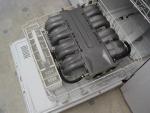
I didn't realize Magnesium was 2/3rds the weight of a comparable Aluminum part.
Maybe Mag wheels will make a comeback.
Maybe Mag wheels will make a comeback.
Corvette Stories
The Best of Corvette for Corvette Enthusiasts

Top 10 Corvette Engines RANKED by Peak Torque (70+ Years of Muscle!)
Joe Kucinski
Corvette ZR1X Will Be Pacing the Indy 500, And Could Probably Race, Too!
Verdad Gallardo
Top 10 Corvettes Coming to Mecum Indy 2026!
Brett Foote
Top 10 C9 Corvette MUST-HAVES to Fix These C8 Generation Flaws!
Michael S. Palmer
10 Revolutionary 'Corvette Firsts' Most People Don't Know
Joe Kucinski
5 Reasons to Upgrade to an LS6-Powered Corvette; 5 Reasons to Stay LT2
Michael S. Palmer
2027 Corvette vs The World: Every C8 vs Its Closest Competitor
Joe Kucinski
10 Most Common Corvette Problems of the Last 20 Years!
Joe Kucinski
5 MOST and 5 LEAST Popular Corvette Model Years in History!
Joe Kucinski
Melting Slicks

Joined: Jun 2005
Posts: 2,216
Likes: 1
St. Jude Donor '12-'13-'14, '16
I keep reading that C7 will be particularly light. How is that going to happen? Here are my speculations:
1) Aluminum frame, uncompromised by having to share key dimensions with a steel frame. In C6, the aluminum frame dropped 140 pounds.
2) Magnesium - engine cradle, sheet metal stampings and more:
http://www.google.com/patents/US7661282
http://media.gm.com/media/us/en/gm/n...Magnesium.html
3) Polycarbonate
http://www.sabic-ip.com/gep/en/NewsR...cannounce.html
http://www.just-auto.com/webinar-pdf...ve-Glazing.pdf
Here are the weights for the 2013 C6:
3208 (coupe), 3221 (convertible)
3311 (GS coupe), 3289 (GS convertible)
I'd be very surprised if they didn't take 250 pounds out of the base coupe (2950). Magnesium is going to be the eye opener. My only caveat on that is if the high-temperature magnetorheological shocks become standard equipment.
Carbon fiber - ??
1) Aluminum frame, uncompromised by having to share key dimensions with a steel frame. In C6, the aluminum frame dropped 140 pounds.
2) Magnesium - engine cradle, sheet metal stampings and more:
http://www.google.com/patents/US7661282
http://media.gm.com/media/us/en/gm/n...Magnesium.html
3) Polycarbonate
http://www.sabic-ip.com/gep/en/NewsR...cannounce.html
http://www.just-auto.com/webinar-pdf...ve-Glazing.pdf
Here are the weights for the 2013 C6:
3208 (coupe), 3221 (convertible)
3311 (GS coupe), 3289 (GS convertible)
I'd be very surprised if they didn't take 250 pounds out of the base coupe (2950). Magnesium is going to be the eye opener. My only caveat on that is if the high-temperature magnetorheological shocks become standard equipment.
Carbon fiber - ??



Thread Starter
Burning Brakes
Joined: Feb 2000
Posts: 1,195
Likes: 1
From: East Bay CA
http://www.google.com/patents/US7386938
http://www.google.com/patents/US6732434
http://www.google.com/patents/US7774925
One interesting patent application never became official
http://www.google.com/patents/US20050279049
Then, maybe 30-40% from magnesium and aluminum sheet metal.
http://www.google.com/patents/US7260972
http://www.google.com/patents/US7661282
http://www.google.com/patents/US7766414
That leaves 10% for polycarbonate ... ???



Team Owner


Joined: Feb 2001
Posts: 27,229
Likes: 113
From: Short Hills, NJ
But up to 100-125 pounds lighter overall is not out of the question.

Team Owner
Joined: Feb 2001
Posts: 27,229
Likes: 113
From: Short Hills, NJ


Burning Brakes
Joined: Oct 2005
Posts: 767
Likes: 0

Burning Brakes
Joined: Mar 2010
Posts: 839
Likes: 0
From: Manassas VA
Taking weight out is pricey, even for mass production. My guess is there are three main areas of weight reduction:
1. Transition to aluminum frame (pricey) for at least the coupe
2. Smaller overall dimensions including wheel/tire sizes
3. Smaller hatch due to inclusion of side windows.
I would think 150 lb reduction more reasonable to expect since the engine is a bit heavier and they have new EPA/Safety stuff that probably needed to be added as a consequence of upcoming regulations..
As you may know, some on the Forum have been on a weight reduction contest with their Z06's, knocking off well over 200 lbs (2900 lb range), but quite costly - absolute noticeable performance changes especially with unsprung weight reductions. I will be down to about 3050 on my street legal '10 Z, with about 48lbs of that being reduced off of unsprung weight. I will be keeping all the amenities from the factory.
It is a great way to improve C7 performance since the LT1 will not be a quantum increase in power over the LS3.
1. Transition to aluminum frame (pricey) for at least the coupe
2. Smaller overall dimensions including wheel/tire sizes
3. Smaller hatch due to inclusion of side windows.
I would think 150 lb reduction more reasonable to expect since the engine is a bit heavier and they have new EPA/Safety stuff that probably needed to be added as a consequence of upcoming regulations..
As you may know, some on the Forum have been on a weight reduction contest with their Z06's, knocking off well over 200 lbs (2900 lb range), but quite costly - absolute noticeable performance changes especially with unsprung weight reductions. I will be down to about 3050 on my street legal '10 Z, with about 48lbs of that being reduced off of unsprung weight. I will be keeping all the amenities from the factory.
It is a great way to improve C7 performance since the LT1 will not be a quantum increase in power over the LS3.
Thread Starter
Burning Brakes
Joined: Feb 2000
Posts: 1,195
Likes: 1
From: East Bay CA
Taking weight out is pricey, even for mass production. My guess is there are three main areas of weight reduction:
1. Transition to aluminum frame (pricey) for at least the coupe
2. Smaller overall dimensions including wheel/tire sizes
3. Smaller hatch due to inclusion of side windows.
I would think 150 lb reduction more reasonable to expect since the engine is a bit heavier and they have new EPA/Safety stuff that probably needed to be added as a consequence of upcoming regulations..
As you may know, some on the Forum have been on a weight reduction contest with their Z06's, knocking off well over 200 lbs (2900 lb range), but quite costly - absolute noticeable performance changes especially with unsprung weight reductions. I will be down to about 3050 on my street legal '10 Z, with about 48lbs of that being reduced off of unsprung weight. I will be keeping all the amenities from the factory.
It is a great way to improve C7 performance since the LT1 will not be a quantum increase in power over the LS3.
1. Transition to aluminum frame (pricey) for at least the coupe
2. Smaller overall dimensions including wheel/tire sizes
3. Smaller hatch due to inclusion of side windows.
I would think 150 lb reduction more reasonable to expect since the engine is a bit heavier and they have new EPA/Safety stuff that probably needed to be added as a consequence of upcoming regulations..
As you may know, some on the Forum have been on a weight reduction contest with their Z06's, knocking off well over 200 lbs (2900 lb range), but quite costly - absolute noticeable performance changes especially with unsprung weight reductions. I will be down to about 3050 on my street legal '10 Z, with about 48lbs of that being reduced off of unsprung weight. I will be keeping all the amenities from the factory.
It is a great way to improve C7 performance since the LT1 will not be a quantum increase in power over the LS3.
http://www.insideline.com/car-news/h...afe-rules.html
That means weight must come down substantially and drivetrain efficiency must go up significantly. I think it was inevitable that this kind of rule would arrive and I think that automakers knew it. If a 10% mass reduction gives a 6-7% mileage increase, how much weight do cars need to to lose to double their mileage. Lots!! That's why Ford and GM are working together on nine- and ten-speed transmissions.
http://www.reuters.com/article/2012/...88R1JZ20120929
That's why magnesium is coming back. That's why GM is getting serious about carbon fiber:
http://www.insideline.com/chevrolet/...-vehicles.html
The pressure is on for auto makers to increase mileage without changing the cost much. And the answer to that is technology through research and development.
Burning Brakes
Joined: Mar 2010
Posts: 839
Likes: 0
From: Manassas VA
It is different today. Mileage must go way up very soon.
http://www.insideline.com/car-news/h...afe-rules.html
That means weight must come down substantially and drivetrain efficiency must go up significantly. I think it was inevitable that this kind of rule would arrive and I think that automakers knew it. If a 10% mass reduction gives a 6-7% mileage increase, how much weight do cars need to to lose to double their mileage. Lots!! That's why Ford and GM are working together on nine- and ten-speed transmissions.
http://www.reuters.com/article/2012/...88R1JZ20120929
That's why magnesium is coming back. That's why GM is getting serious about carbon fiber:
http://www.insideline.com/chevrolet/...-vehicles.html
The pressure is on for auto makers to increase mileage without changing the cost much. And the answer to that is technology through research and development.
http://www.insideline.com/car-news/h...afe-rules.html
That means weight must come down substantially and drivetrain efficiency must go up significantly. I think it was inevitable that this kind of rule would arrive and I think that automakers knew it. If a 10% mass reduction gives a 6-7% mileage increase, how much weight do cars need to to lose to double their mileage. Lots!! That's why Ford and GM are working together on nine- and ten-speed transmissions.
http://www.reuters.com/article/2012/...88R1JZ20120929
That's why magnesium is coming back. That's why GM is getting serious about carbon fiber:
http://www.insideline.com/chevrolet/...-vehicles.html
The pressure is on for auto makers to increase mileage without changing the cost much. And the answer to that is technology through research and development.