When you click on links to various merchants on this site and make a purchase, this can result in this site earning a commission. Affiliate programs and affiliations include, but are not limited to, the eBay Partner Network.
Basically, pop the top off, put some fluid in there, start and stop the engine, watch the bubbles come out.
My issue is that, even with air in the tank, tilting the car/not tilting the car etc. I don't really see any bubbles coming out. I ran the car hard yesterday to maybe "splash it around" in there, and did see SOME air at the top that I could fill in but nothing extreme.
Is this a slow, multi-day process one bubble at a time or am I missing something?
Manual bleeding like that isn't super effective. Nothing works better than a Cooler Bleeder. I would tell you to buy one, but they are backordered and I dont have an ETA for new units yet. Where are you from, maybe someone in your area has one and can get you squared away?
Manual bleeding like that isn't super effective. Nothing works better than a Cooler Bleeder. I would tell you to buy one, but they are backordered and I dont have an ETA for new units yet. Where are you from, maybe someone in your area has one and can get you squared away?
-Jared
Ah Shoot.
Well, I have a track day on Monday at BIR (MN) so we'll see how it goes. It's going to be 100*F
I live in MN, if anyone has a coolerbleeder and wants to help for later, that would be great.
If you can't get access to a cooler bleeder then you can find use a cooling system vacuum bleeder. You will need access to a compressor that can provide sufficient cfm to power the bleeder but they will do a reasonable jot but more than likely won't get all of the air out of the supercharger bricks or the reservoir but it will do better than what you have been doing.
When I switched SCs on my car two years ago I purchased this unit from Amazon:
I used a gallon plastic jug to hold my new coolant and another gallon plastic jug to catch the dispelled coolant that gets pulled into the tool when a vacuum is applied. I purchased a reinforced clear vinyl hose at Lowes. I used hose clamps to hold one end of a several inch long piece of that hose to the tool and another hose clamp to hold it to the intercooler fill port.
Here are some pictures showing the tool and how it was hooked up to the car.
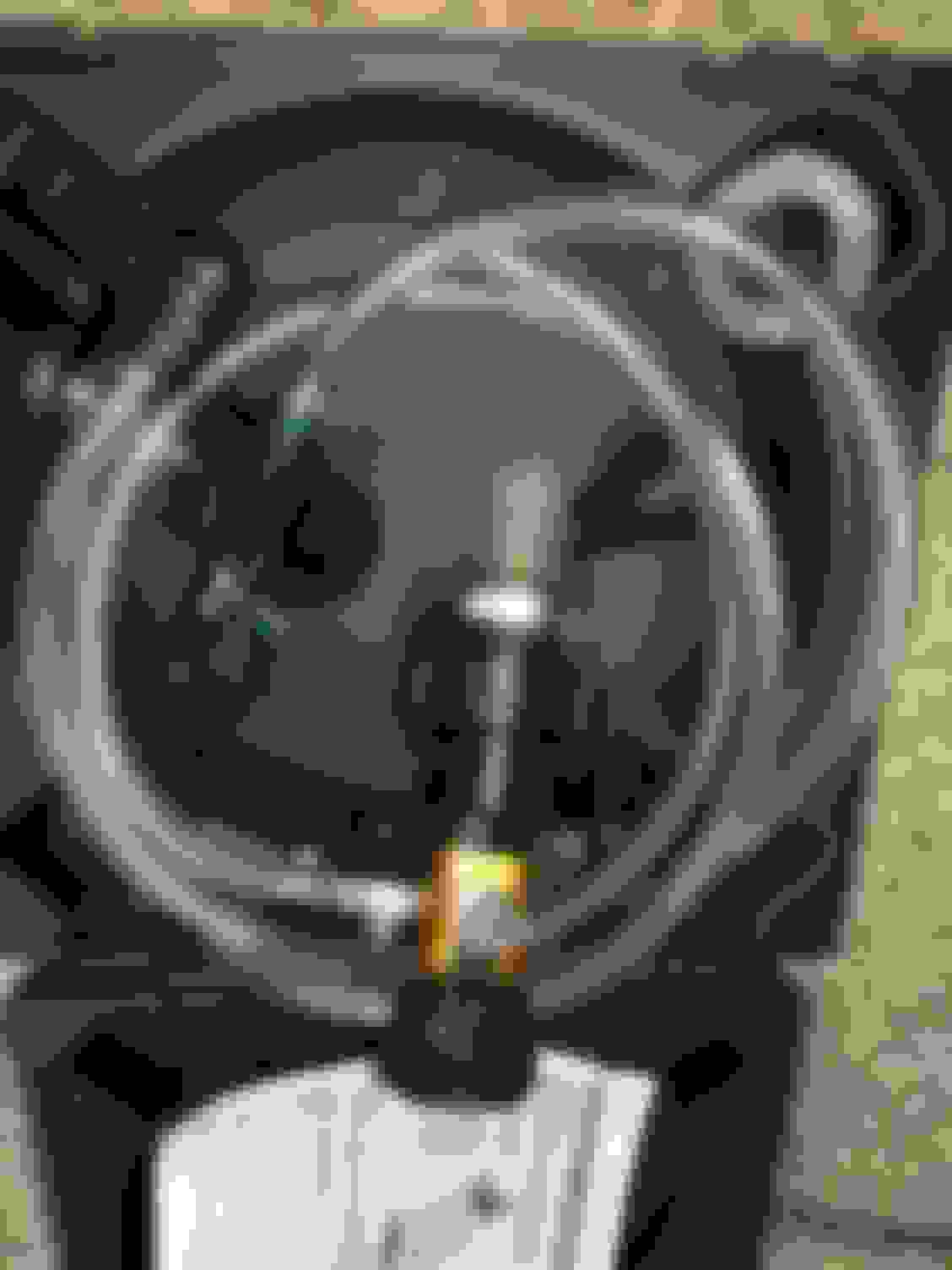
This picture shows the tool connected to the Intercooler Fill Port. The nice thing about using a clear hose is you can monitor the progress of how much air is being removed from the system. I also have a DIY hand switch that lets me exercise the IC pump.
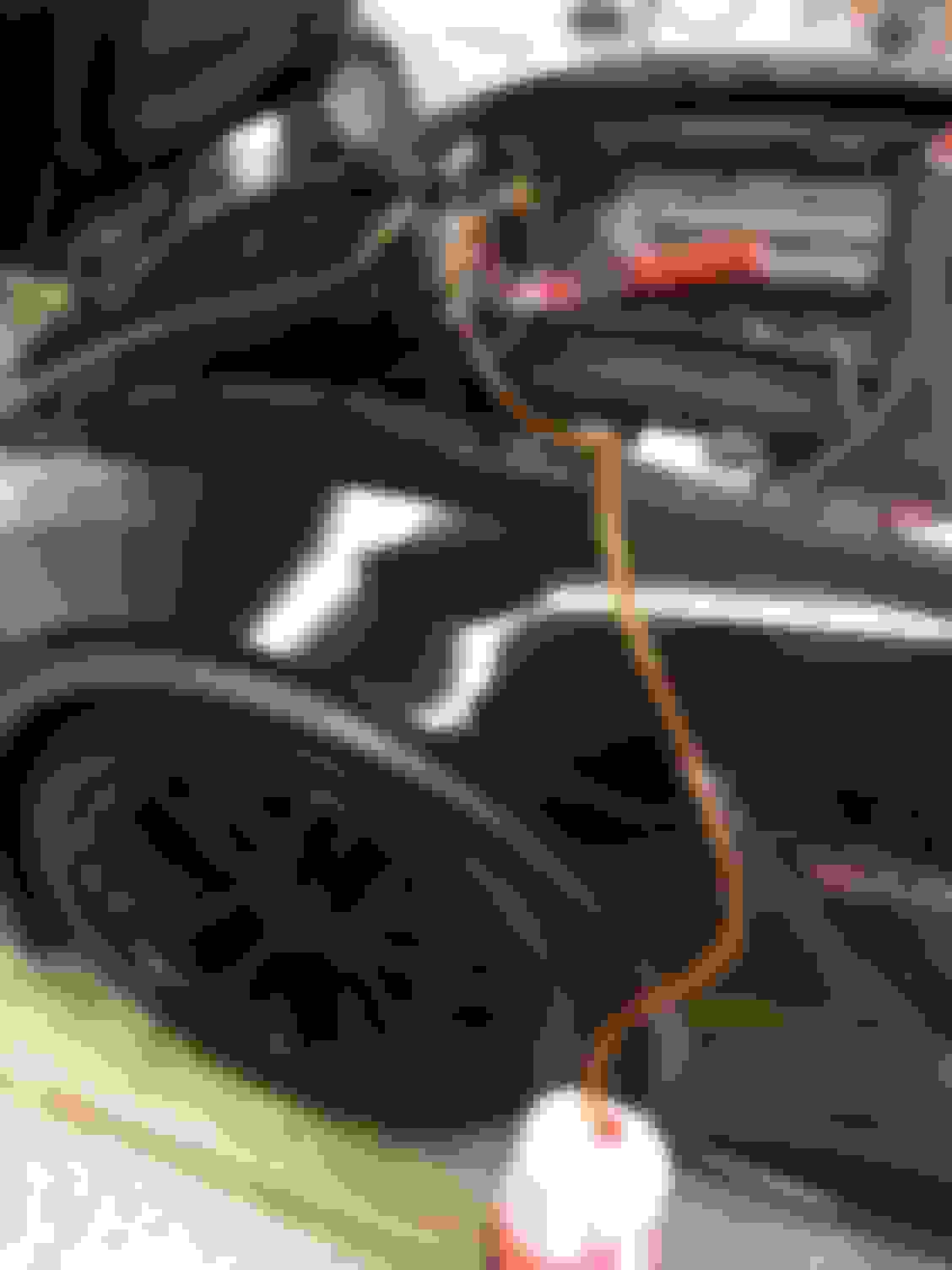
This picture shows how the tool is set up. The blue hose is the connection to the compressor, The gallon jug I used for the outlet discharge is shown behind the hood vent seal. The cloudy look around it is due to air coming out of the bottle with some moisture mixed in with it. It can get a little messy as it bubbles a lot. The hose going down and to the right is connected to the gallon jug that is used for the intake coolant. Just make sure the coolant in that jug is sufficient to prevent air from being drawn into the system when you trigger the vacuum fill.
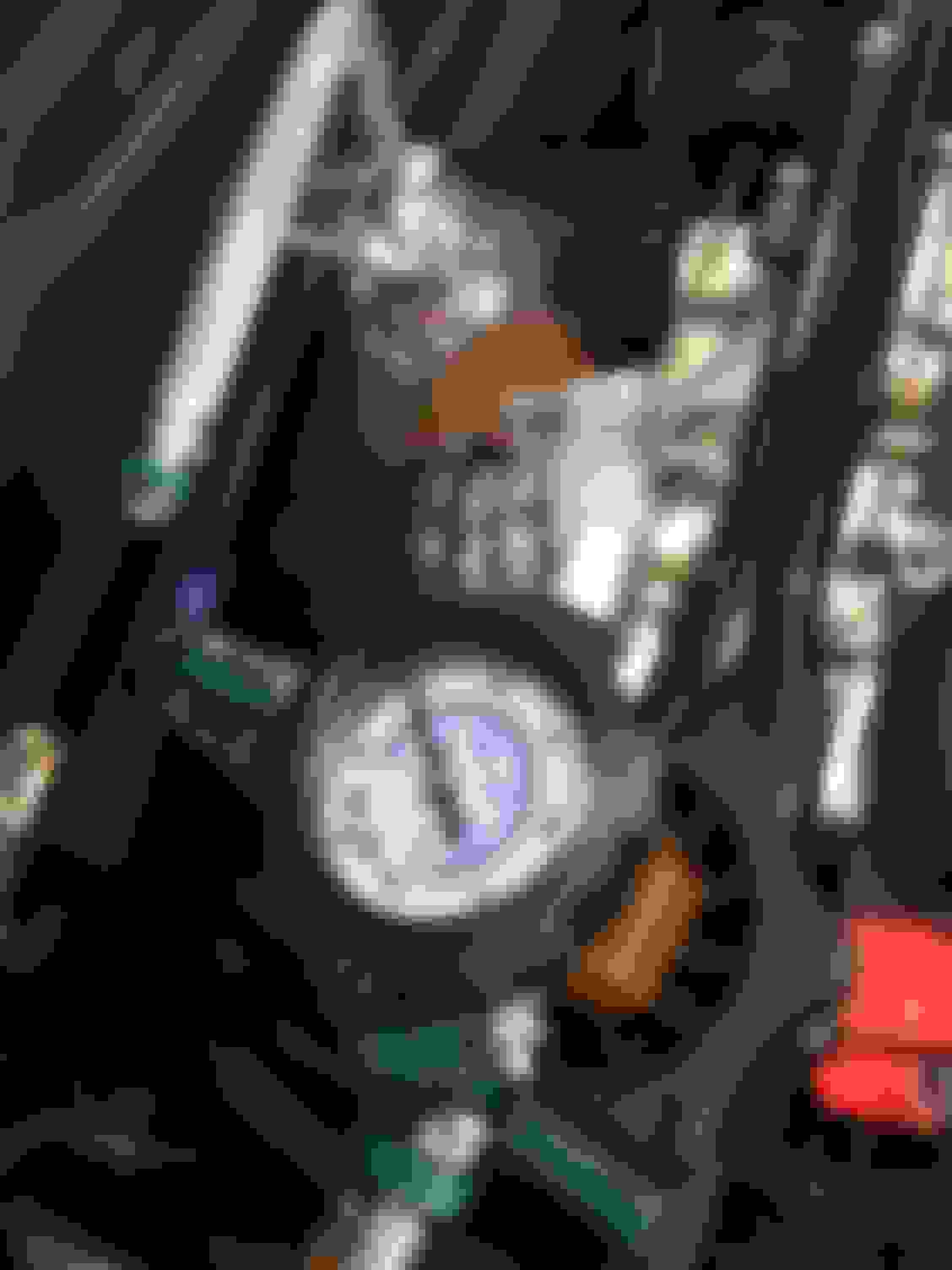
It takes several hours of drawing a vacuum, and alternately turning the IC pump on and then off. Every time you turn it on there is a burst of fine bubbles that completely obstructs visibility through the coolant so you need to let the vacuum pull those bubbles out of the coolant before adding new coolant. I found that squeezing the IC hoses with my hands helped pull big bubbles of air out of the IC. The second picture down with the flashlight shining on the clear hose shows how occluded the coolant will look when the pump is turned on. I suspect that burst of small bubbles happens due to the low pressure (-25) causing the pump to cavitate the coolant.
pull bumper
pull right side brake duct
unbolt reservoir and tilt so air bubble goes to the ports of the tank. Using a cheap hand crank vacuum tool, pull the fuse for the pump and stick a wire between that fuse hole and the 12v stud. and that should be work. I got all the air out of mine without tilting the car. But I was also installing other stuff that required me moving all that stuff around.
Manual bleeding like that isn't super effective. Nothing works better than a Cooler Bleeder. I would tell you to buy one, but they are backordered and I dont have an ETA for new units yet. Where are you from, maybe someone in your area has one and can get you squared away?
-Jared
Looking forward to these coming back in stock or for rent!
You could do it in a few hours the manual way with a mity vac hand pump, some flex tube like bill has frome lowes, a coolant fill adapter, some wire to run the ic pump and some jacks and jackstands to tilt the car back. Prior to the existence of a cooler bleeder, many of use took an afternoon. Even without disconnecting the ic bottle to get the last bubbles out, the jacking method, vacuum method would get you close to that few quarters bubble size in reservoir. I wouldn't call the method hard, just a time commitment.
If you want to tilt the IC bottle you can pull the inner wheel well liner on the passenger side and access the bottle that way. I got a little more air out doing that but the hoses on my system were so short I couldn't get the bottle twisted far enough to move all of the air toward the exit point.
I made the below video almost 6 years ago and back then we were trying to figure out a way to stuff coolant in. It didn't really work well, but it does work better on the Camaro ZL1 so I left the video up. You really need to put the system under a very strong vacuum. It is much harder to pull bubbles out once the system is filled, when using an air powered vacuum device. If you are using an A/C style vacuum pump, it is strong enough to really pull the bubbles through the coolant.
I also created this video review of the cooler bleeder,
This the how the system has to be under vacuum. You definitely have to get a good bleed and the only way to do it without the cooler bleeder is follow Bill's recommendation and put it under vacuum, tilt the car and cycle it for hours. You could do the hard method that Bruno mentioned and pull the front bumper and tilt the lower reservoir. Or, hopefully someone in Minnesota will have a cooler bleeder and could do it for you. BTW, I followed up my Cooler Bleed about 6 months later and left the vacuum high, and manually opened the valves (normally this is done automatically) and I was able to pull a big bubble out. I have a new Gspeed system, so I no longer have the factory tank and you can still get air pockets).
The effort is well worth it though. Not having a well bled system will kill horsepower on the road course. On the street, it isn't as much of a problem.
Originally Posted by Nuclearranger
All,
I have maybe 1-2 inches of air in my inter-cooler res and I have been following this video...
Basically, pop the top off, put some fluid in there, start and stop the engine, watch the bubbles come out.
My issue is that, even with air in the tank, tilting the car/not tilting the car etc. I don't really see any bubbles coming out. I ran the car hard yesterday to maybe "splash it around" in there, and did see SOME air at the top that I could fill in but nothing extreme.
Is this a slow, multi-day process one bubble at a time or am I missing something?
As usual, thanks for the great write up. I see how you have two buckets. One to catch the expelled coolant bucket (right side of car) from the tool (drawn through the venturi) and the fill bucket(left side of car). I did this method many times and it is messy and frustrating. While it is much better than just filling a hose and hoping it bleeds (like in my original video), it doesn't really solve the problem. It may be better to put a PVC pipe in the clear tube (so it doesn't fully collapse), but in my experience it needs to be 12"-18" long because the vacuum pulls the coolant up the tube. This is why you have the catch bucket on the right.
The Cooler Bleeder works better, because the vacuum chamber is so much greater in volume(than a hose) and it pulls 30" of Hg because of the A/C vacuum pump. I just want to make sure the original poster and other's realize why this is so difficult even with the generic coolant bleeder.
Originally Posted by Bill Dearborn
If you can't get access to a cooler bleeder then you can find use a cooling system vacuum bleeder. You will need access to a compressor that can provide sufficient cfm to power the bleeder but they will do a reasonable jot but more than likely won't get all of the air out of the supercharger bricks or the reservoir but it will do better than what you have been doing.
When I switched SCs on my car two years ago I purchased this unit from Amazon:
I used a gallon plastic jug to hold my new coolant and another gallon plastic jug to catch the dispelled coolant that gets pulled into the tool when a vacuum is applied. I purchased a reinforced clear vinyl hose at Lowes. I used hose clamps to hold one end of a several inch long piece of that hose to the tool and another hose clamp to hold it to the intercooler fill port.
Here are some pictures showing the tool and how it was hooked up to the car.
This picture shows the tool connected to the Intercooler Fill Port. The nice thing about using a clear hose is you can monitor the progress of how much air is being removed from the system. I also have a DIY hand switch that lets me exercise the IC pump.
This picture shows how the tool is set up. The blue hose is the connection to the compressor, The gallon jug I used for the outlet discharge is shown behind the hood vent seal. The cloudy look around it is due to air coming out of the bottle with some moisture mixed in with it. It can get a little messy as it bubbles a lot. The hose going down and to the right is connected to the gallon jug that is used for the intake coolant. Just make sure the coolant in that jug is sufficient to prevent air from being drawn into the system when you trigger the vacuum fill.
It takes several hours of drawing a vacuum, and alternately turning the IC pump on and then off. Every time you turn it on there is a burst of fine bubbles that completely obstructs visibility through the coolant so you need to let the vacuum pull those bubbles out of the coolant before adding new coolant. I found that squeezing the IC hoses with my hands helped pull big bubbles of air out of the IC. The second picture down with the flashlight shining on the clear hose shows how occluded the coolant will look when the pump is turned on. I suspect that burst of small bubbles happens due to the low pressure (-25) causing the pump to cavitate the coolant.
Bill
Last edited by LagunaSecaZ06; Jun 21, 2022 at 05:49 PM.
It's doable by hand if you are creative. My modification to your earlier work was that I put a long 2 ft hose over the fill, then used a brake bleeder kit (not in picture) and mityvac which added an extra vacuum reserve. I prefilled the tube with coolant so as I pulled air out, the prefilled tube would fill in the space of the displaced air. Once the tube was back near the level of the fill port, I would prefill the tube again to ensure any displaced air would be replaced by fluid. car was tilted back while I was pulling vacuum and cycling the ic pump. Doing quick but controlled releases of vacuum allowed air to be pushed around. This is the same process that a cooler bleeder does, but manually.
I have a cooler bleeder. I tried it manually operating the valves with a g speed pump switch and got all the air out. So I thought. Asked Jared why not make a manual version for private use thats affordable enough for everyone to buy. His response was the way the coolant pump and vacuum were switch was key to getting out all the air. I didn't believe it until I tried it in automatic mode...
After the manual bleed I had two small bubbles in the tank Yada Yada Yada...
In automatic mode a shitload more air came out. That being said if the tank didn't have any air in it where did it come from lol. The bricks maybe.
That also means using the tanks air bubbles as a gage to the ammount of air in your system is complete not quite right.
My car runs stronger from 125mph to 140ish than it ever has!
If you can get your system bled with a cooler bleeder you'll see the difference for yourself.
Running the ic pump alone will not displace air trapped in the bricks. To clear air from the bricks, you need to run the ic pump, tilt the car and cycle vacuum in the system. I just did it by hand. The cooler bleeder simplifies the process by having a huge reservoir where you can pull -30in hg and cycle it enough times to displace all the air. My car is track proven since I did this years ago, 30 min sessions x 3 in 100 degree heat multiple times with no power drop off even in the last laps of the whole session.






 Help Bleeding Intercooler Coolant Lines??