When you click on links to various merchants on this site and make a purchase, this can result in this site earning a commission. Affiliate programs and affiliations include, but are not limited to, the eBay Partner Network.
Got through waxing "Tippy" this afternoon and it finally sunk in that the paint is shot. It's been burned into, polished, etc. one too many times. A simple waxing looked like I'd been painting.
What was the paint process on 1980 models? It kind of looks like there is a clear coat but it's been polished and cut and touched up so much over the years I can't tell what it is but I do believe it's mostly the original paint.
Thanks for any info on late St. Louis paint!!!
Thanks Mike. I wonder what kind of mess I'd make if I sanded and resprayed with lacquer? I know the lacquer thinner is going to soften and melt that 35 year old paint. Will that cause a big mess or will it all evaporate fine?
Thanks Mike. I wonder what kind of mess I'd make if I sanded and resprayed with lacquer? I know the lacquer thinner is going to soften and melt that 35 year old paint. Will that cause a big mess or will it all evaporate fine?
I'm no expert, but wouldn't it be better to completely remove the lacquer, then repaint with enamel since it's more durable?
Good point PDX. Actually, a bc/cc urethane would be the most durable and modern but I'm lazy and only have experience doing home jobs with lacquer. Mess up, spray again...mess up, spray again.
Ok...I will jump into this and hopefully do not get 'blasted' for 'voicing' my opinion. Obviously...use what you want. I AM NOT trying to force you into changing anything that you are comfortable with.
Paint...regardless on what type it is is only as GOOD as the surface it is applied to. This also applies to a sealer also.
Lacquer and current basecoats are basically the same. They are both 'thermo-palstic'. Some manufacturer's are a bit different and their basecoat MIGHT NOT like to be sanded on to remove trash and repair other issues. So...if you can shoot lacquer....shooting a basecoat is not that much different. Then...once you get the color coat the way you want it...then you clear it.
You are correct...the 'durability' is in the clear coat. An this 'durability' mainly deals with the UV's of the sun and environmental contaminants that may get on the paint.
The prep is going to be critical....and especially the urethane bumper covers....those are where you can run into problems in the future if you shoot lacquer. Mainly because the use of a flex-additive ...depending on the manufacturer...may dry out over time and the paint can 'spider crack' if it is hit.
Thanks for the info Dub! I'm starting to think, since I plan on keeping this one for a while, my best bet is going to be to strip the lacquer off and start from scratch using modern primer and a urethane base/clear. That way I probably won't have to paint it again...during my years of ownership anyway. Thanks for all the input guys.
The most sensitive are of your car are the front and rear bumpers. They do not like solvents getting on them if the urethane is raw and exposed.
And if you take the bumpers all the way down...and thy re RAW UN-PRIMED....be aware that when they are RAW...the process to clean them is specific. Because RAW urethane is absorbing contaminants just sitting there. So if they are correctly cleaned and prepped...When I do them like that. I take them in my paint booth right away and get the primer on them so they are sealed up and I will be less likely to have paint problems due to letting a bumper cover sit around RAW.
I know 'others' may do it another way. But I have had to repaint urethane bumpers so many times that were not done correctly.





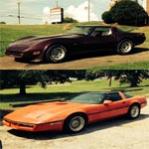

 Paint Nearly Gone