When you click on links to various merchants on this site and make a purchase, this can result in this site earning a commission. Affiliate programs and affiliations include, but are not limited to, the eBay Partner Network.
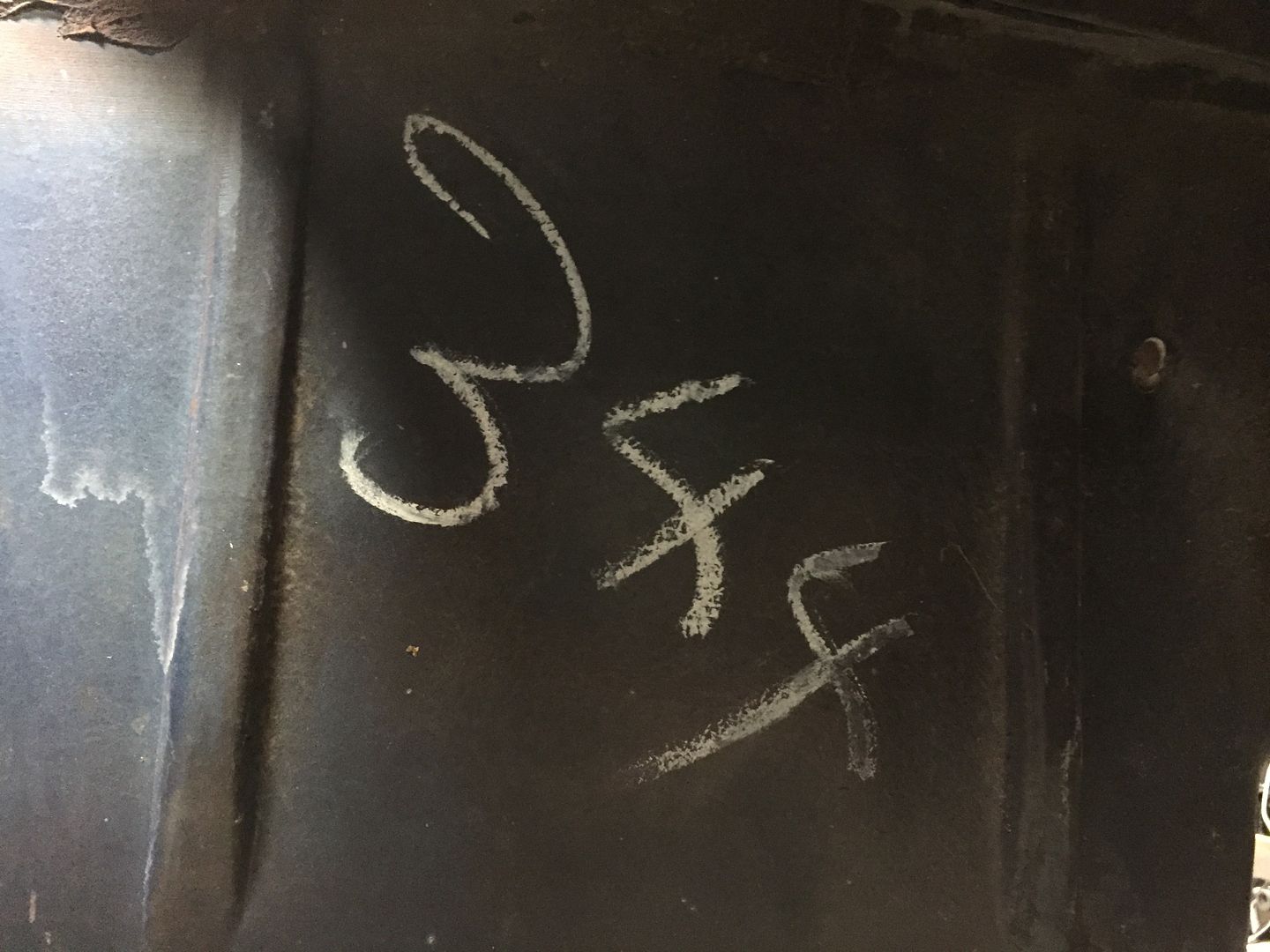
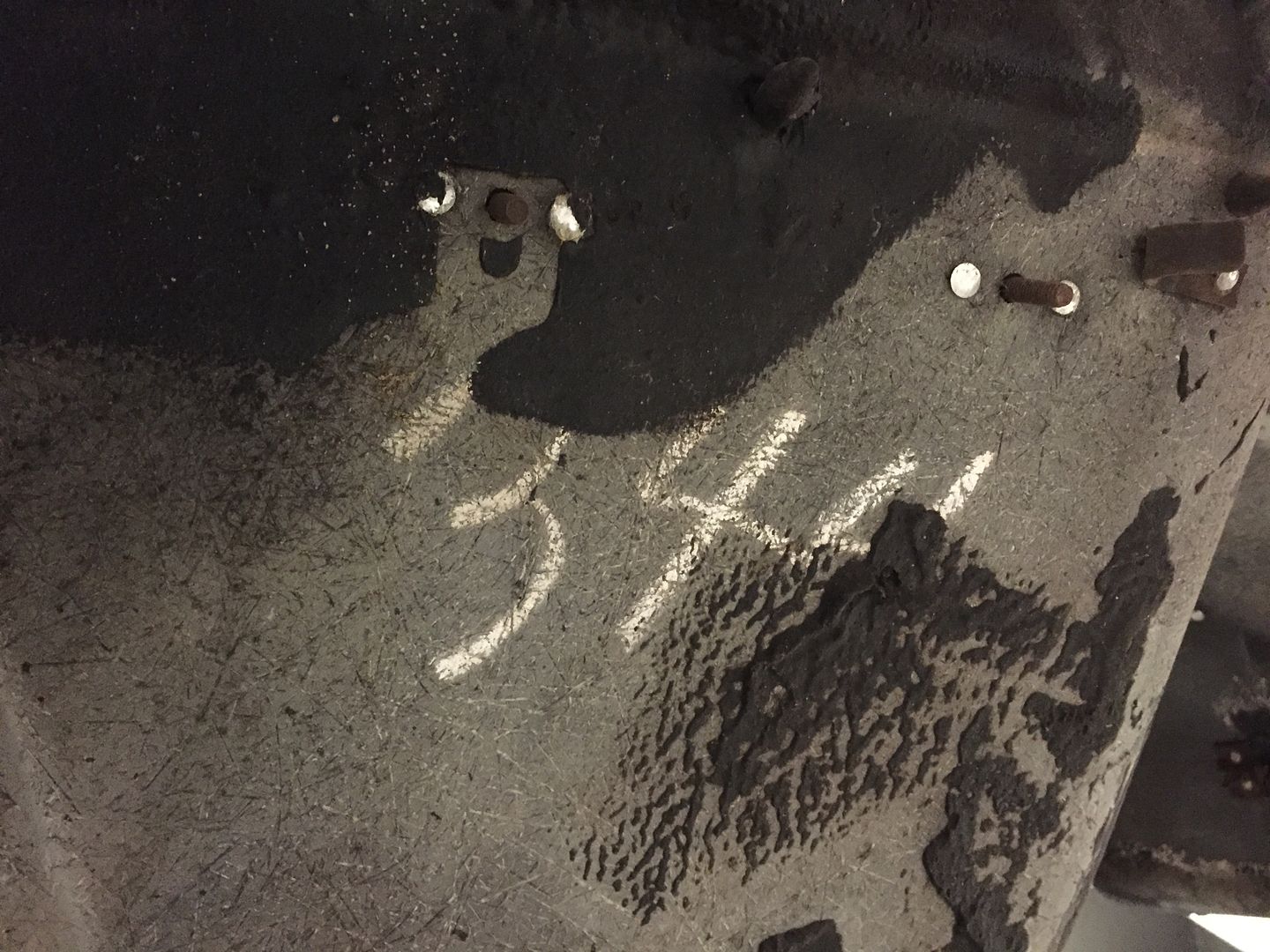
Job number 412 with the firewall cut for factory air. See if you have 412 or 12 on the passenger's toe kick under the hood. You may also find the 412 on the rear compartment wall in front of the fuel tank. It may pop up again on the passenger's side of the tranny hump inside the car.
412 does not necessarily have anything to do with the VIN.
Last edited by Easy Mike; Feb 8, 2016 at 07:41 AM.
[
[/QUOTE] Alan- I've seen a couple of people on those TV car shows applying daubs of "correct" color paint used during final assembly of other car makes as they were restoring the car. How frequently do Corvette restorers add factory assembly marks to simulate the real thing? Does having those marks add to the score while the car is being judged?
Last edited by ronarndt; Feb 9, 2016 at 09:42 AM.
Reason: quote deleted
Alan- I've seen a couple of people on those TV car shows applying daubs of "correct" color paint used during final assembly of other car makes as they were restoring the car. How frequently do Corvette restorers add factory assembly marks to simulate the real thing?
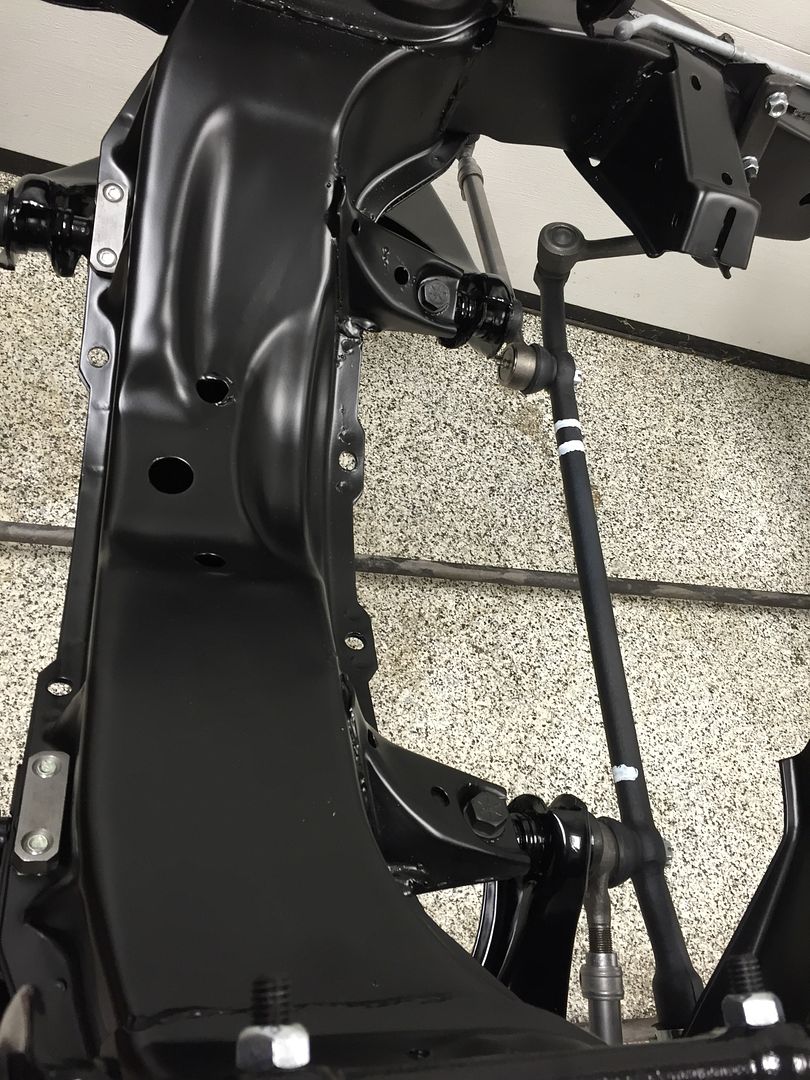
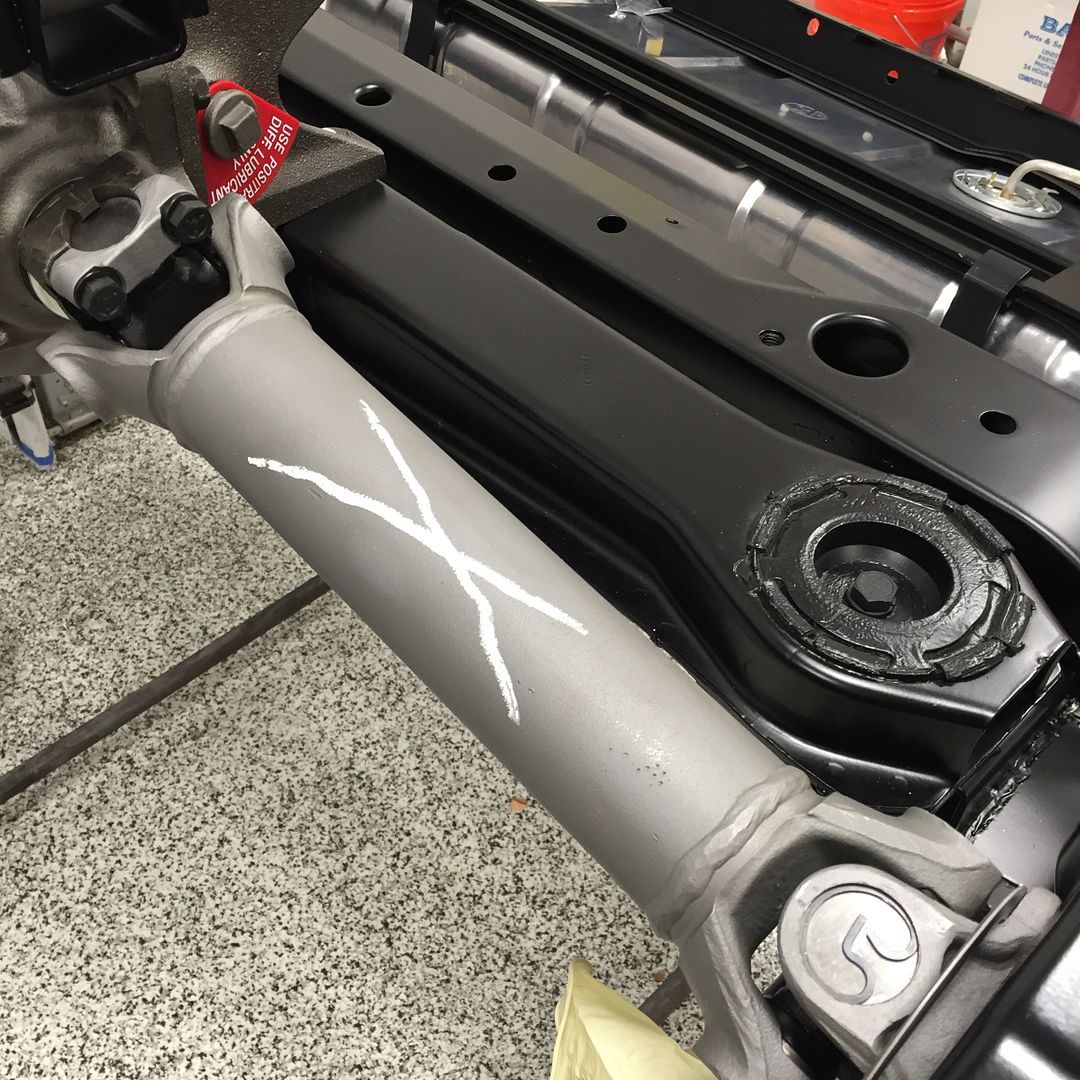
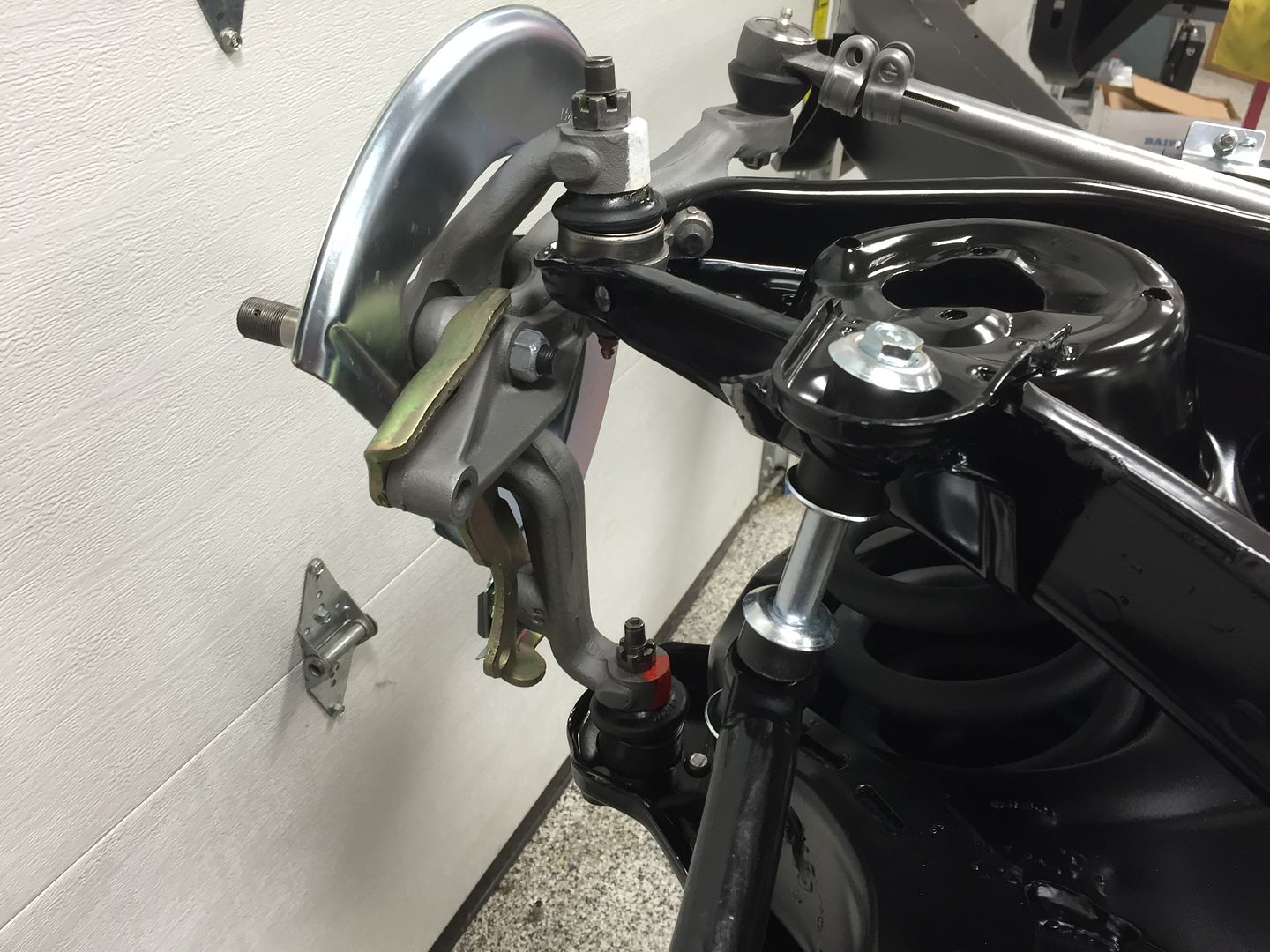
I can't speak for others, but if there is evidence of inspection or identification markings on a particular car, they are replaced during the restoration. Some markings seem to be universal (such as shim marks and frame stenciled part numbers/dates) while others are car specific.
Does having those marks add to the score while the car is being judged?
In cases where we know that production procedure required them (such as the frame markings mentioned earlier), yes, the judges do look for them. In most cases though, we don't know the purpose for the markings so they are not judged.
The job numbers were used to help keep track of each car while it was on the production line. The numbers ran consecutively from 1 to 500 and then started over.
The job numbers appear to be linked to the cars VIN; sometimes being the same, close, or 100 off.
Alan,
I'm usually in agreement with just about everything you post, but this is one of those rare times...
The job number that we see written in various locations on the car was applied during body assembly as a way to keep track of cars (at the plant) before the VIN was assigned (by corporate). The plant workers had no idea what the VIN would be so there was no direct correlation to the number assigned. If the numbers were close (or matched), it was simply a matter of coincidence rather than any purposeful act by GM.
Having said that, there is often a correlation between numbers written on the build order copy and the VIN, but that is a different story as the paperwork is generated once the VIN is assigned by corporate. Occasionally, you'll even find both the internal and corporate numbers written on the build order.
Just out of curiosity, for both of you, does the number under your roof panel match the one on the footwell or rear bulkhead? I'm guessing it doesn't. Have done more than a few of these cars and I've never seen a job number even close to the VIN
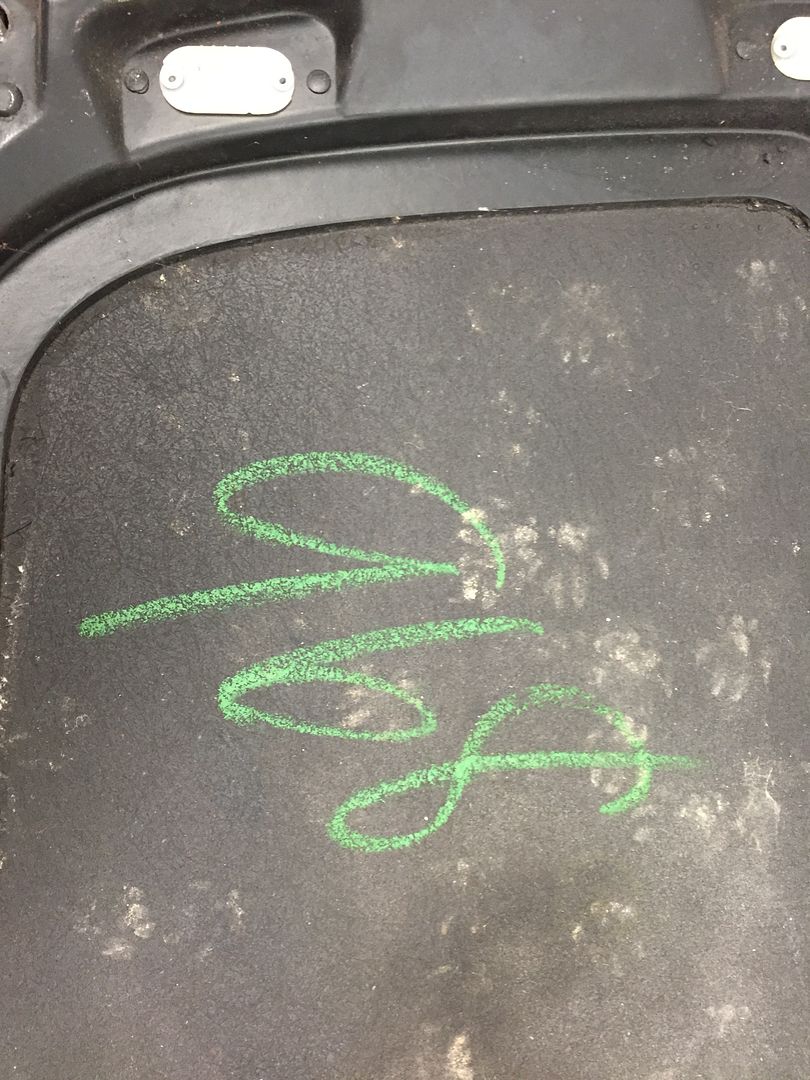
Couple of things stick out to me biggest is Alan's number is over 500 which isn't typical. Wondering if this was applied right around when the car was painted to keep the panels from being separated from the car they were painted with? The VIN was assigned at that point.
I first looked for the internal job number on this 1970 coupe (#16965). The rear bulkhead and footwell show "344" which has no correlation to the VIN which is what I would expect.
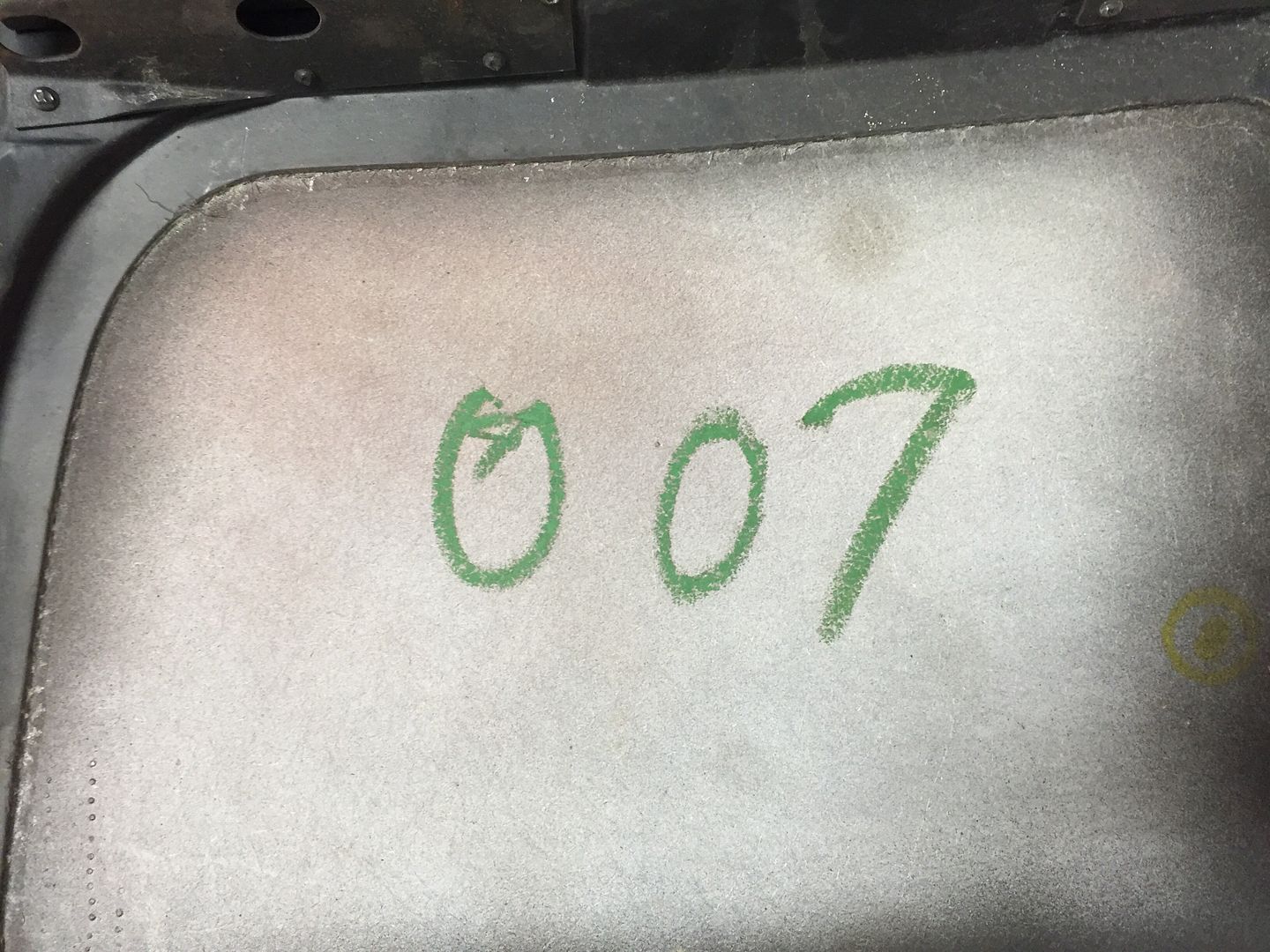
Turning to the roof panels, it was not surprising (having seen Alan's photo) that the numbers bore no relation to the job number (344).
One was "968" which is close enough to the last three digits of the VIN (965) to lead me to believe it might be tied to that somehow. The "007" is a real head scratcher though.
I still believe it has something to do with the fact that the roof panels and rear valance panel were not physically attached to the car when it was painted and the line workers needed some way to keep track of them.
Just thinking out loud here. When I was welding for a living I was issued a steel stamp to identify all the welds I did in whole or in part. This was a government requirement because I was working on railroad cars. This weld stamp was linked to all of my certifications so in the case of a problem it could be proven that I was qualified to work on the car. Could the markings on the various panels be an identifier of the workman that installed the part? I have found many tags in my blue jean pockets, "inspected by #14". Just a thought.
Jerry
Heres a few of mine.
Vin 417018 build date of July 29 1970
Rear bulkhead
Pretty interesting Rodney.
My current 1970 was built a little before yours, although the trim tag date is the same (G29)... #16965 to #17018. The job numbers are close sequentially, but not exactly so (344 to 396... One unit off). Some additional proof that the internal job numbers weren't tied to the VIN.
Regards,
Stan
Last edited by Rowdy Rat; Feb 21, 2016 at 03:58 PM.
My current 1970 was built a little before yours, although the trim tag date is the same (G29)... #16965 to #17018. The job numbers are close sequentially, but not exactly so (344 to 396... One unit off). Some additional proof that the internal job numbers weren't tied to the VIN.
Regards,
Stan
Now that is pretty cool info stan. Thanks for sharing yours up too.