








Fried electrical system '79....

Thread Starter
Advanced

Joined: Apr 2011
Posts: 60
Likes: 3
From: Hartland Wisc
 Fried electrical system '79....
very stupid mistake having the battery connected while taking the alternator off, the 2 lug connector grounded itself on the alternator body and smoked something in the area around the distributor, smoke puffed out but I dont think it was from the dist. itself. Now there is no power to the dome lights when the battery is connected and obviously nothing to the ignition. Fusable links???? fuses under the dash??? Melted wires somewhere that I cant see but I can smell. Any help would be appeciated, my electrical skills are minimal but there isnt alot of hi tech stuff on this car. Thanks...
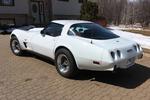
Melting Slicks


Joined: Dec 2009
Posts: 3,233
Likes: 657
From: Thunder Bay
Corvette Stories
The Best of Corvette for Corvette Enthusiasts

Every 2027 Corvette Engine Explained
Joe Kucinski
Designer Imagines A Corvette That Looks More Like a Corvette Than the Corvette
Verdad Gallardo
10 Ugly Corvettes That We Still Kinda Love
Joe Kucinski
Top 10 Most Expensive Corvettes Ever Sold on Bring A Trailer
Brett Foote
10 Things Every Corvette Owner Needs (2026 Edition)
Michael S. Palmer
8 Most "Only Corvette Owners Understand" Quirks and Problems
Pouria Savadkouei
10 Reasons the C6 Z06 is Still A Performance Benchmark After 20 Years
Joe Kucinski
How Much Horsepower Every Corvette Engine "LOST" in 1972
Joe Kucinski
Top 10 DOs and DON'Ts for Protecting Your Convertible Top!
Michael S. Palmer
Team Owner


Joined: Jan 2006
Posts: 37,637
Likes: 3,118
From: Crossville TN
Those things are "fusible links" and must be replaced with other (properly sized) fusible links...if you want the electrical system to continue to protect itself from "human error". Or, you can just put regular wire in there and fry the whole car doing the same thing next time...  (Hint: buy the right fusible link to fix the problem)
(Hint: buy the right fusible link to fix the problem)

Race Director

Joined: May 2006
Posts: 16,528
Likes: 53
From: Dayton, Ohio

Thread Starter
Advanced
Joined: Apr 2011
Posts: 60
Likes: 3
From: Hartland Wisc
"rodger" that Rodger!!!
thanks for the picture too. The 16 ga wire that fried was in fact the "link" from the plastic insulator to the pos battery connection on the starter. I got some 16 ga. fusible link wire this am and will solder it in tonite. I thought that I also had to replace the plastic insulator but since the link burned ahead of it, it should be safe.
Team Owner
Joined: Jan 2006
Posts: 37,637
Likes: 3,118
From: Crossville TN
I guess it is possible, but I've never heard of 'fusible link wire' being sold (off the reel) at any auto supply stores. The links come with the insulator ends and their insulation will char but NOT catch fire. The insulators are to keep the heat away from the 'regular' wire so that adjacent wire insulation will not catch fire, either.
I'm not comfortable that the person you bought this wire from knows what he/she's talking about. This is NOT something you want to be unsure of. Replacement fusible links come with the insulators and 'regular' wire stubs which are then spliced into the existing 'regular' wire.
I'm not comfortable that the person you bought this wire from knows what he/she's talking about. This is NOT something you want to be unsure of.
Replacement fusible links come with the insulators and 'regular' wire stubs which are then spliced into the existing 'regular' wire.
Last edited by 7T1vette; May 16, 2011 at 12:02 PM.


Race Director
Joined: Mar 2006
Posts: 14,112
Likes: 28
From: Florida
Cut the original insulator off, then use a copper or brass uninsulated butt connector, solder and use a good heatshrink over the splice. Can even use a couple layers.
The good 3M heatshrink is flame retardant, same as the insulation on the link wire.
Leave the connection exposed, don't tape it up into a harness.
I use the bulk link wire all the time.
The good 3M heatshrink is flame retardant, same as the insulation on the link wire.
Leave the connection exposed, don't tape it up into a harness.
I use the bulk link wire all the time.
Team Owner
Joined: Jan 2006
Posts: 37,637
Likes: 3,118
From: Crossville TN
The wire is nothing special, so stock reel wire [of the correct AWG] will do the job. Fusible link wire is usually two AWG sizes smaller than the wire to which it is installed. The important aspects of the fusible link are: flame proof/resistant insulation and inert insulators terminating the 'fuse' wire. If you can build your own with those parameters, it should work just fine.
Thread Starter
Advanced
Joined: Apr 2011
Posts: 60
Likes: 3
From: Hartland Wisc
Fire in the hole!!!!
Just in the cylinders.....I soldered a new section of 16 ga fusible link in and sealed it with heat shrink tube and electric tape. Electrical functions are all fine and it started right up. It all started when I forgot to disconnect the battery when removing the alternator and the leads shorted themselves on the alternator body, so I know there arent any other issues to deal with. Thanks for the input.
