When you click on links to various merchants on this site and make a purchase, this can result in this site earning a commission. Affiliate programs and affiliations include, but are not limited to, the eBay Partner Network.
Hi everyone, I’m looking for help diagnosing an oil burn problem. The symptoms are that it will burn oil at higher RPMs. My tach is broken so I don’t know the exact number but when the car is at about 75 mph or when I mash the pedal on acceleration oil will start to burn. It’s a pretty good smoke screen too when it happens. Once RPMs drop it stops burning oil immediately. I do not notice burning oil at any other time including at start. It’s only happening on the passenger-side cylinder banks; I have side pipes so it’s easy to tell.
Last summer I replaced the valve stem seals and didn’t notice a difference (the old ones were still in good shape too). I did a compression test and all cylinders on that side are 145 +/- 2 PSI which is well within the acceptable range. I’m thinking there are only two remaining culprits: worn valve guides or a bad oil wiper ring. Is there anything else it could be? How do I figure out if it’s one or the other or do the symptoms point to one or the other? If it’s a bad wiper ring, is there anything I can do short of tearing down the engine? I’ve heard that wiper rings can get fouled by carbon and a dose of Seafoam could help fix that? Any help would be appreciated.
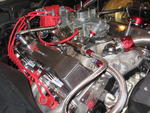
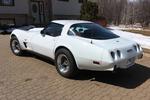
For reference, I have a 1969 with a 454 block and 427 cylinder heads and intake. As far as I know the rest is stock (the engine was built by a previous owner).
Get you a can of that fancy engine restorer! It makes old engines like new again...with minimal work on your part! It truly works but is just a bandaid. I poured some in an old 440 I had. Upped compression, stopped oil consumption and the smokey exhaust cleared up...for about 3000miles.
Not to question your witness testimony, but are you sure its oil?
Often times Glycol burns as a white "smoke" out the tailpipe too. Having said that, which fluid level is dropping down after a drive? Are there excessive air bubbles in the radiator?
Pull a sparkplug. When the plug burns coolant, its usually clean. But burning oil as you know, is nothing but black residue on the electrode.
Both piston rings a stem seals normally burn oil at any RPM. Bad stem seals tend to be worse at start up. Which is not your issue. Clue number 2 is only one bank is suspect of burning something. What's the odds that only the passenger side has bad rings / seals?
I suspect a Intake Gasket, more specifically just the one on the right side. I would wager 75% of Intake Manifold gasket installers get this wrong. It's somewhat common for that gasket to fail. Not because of poor quality, but lack of sealant and / or prep work.
If the bottom edge of that gasket leaks, those four cylinders will suck in all the oily mist in the lifter valley. These types of leaks are almost impossible to detect.
A smoke machine or a propane bottle torch only checks the top of the gasket. Not the bottom.
I would hook up a vacuum gauge to manifold vac port. With any luck, a leaky Intake gasket will bounce the gauge needle all over the place.
When you did valve seals did the valves wiggle side-side? But valves suck oil at high vacuum. Idle and part throttle. High revs is rings or intake gasket. The only real to check intake gasket is to do an autopsy on it. Tear down carefully looking for misalignment or oily gasket from passing oil. Then reinstall sealing gasket to head and let harden before dropping the manifold so you know gasket is gonna stay where it needs to.
Thanks for the thoughts everyone. To answer one question, yes, I'm confident it's oil. The smell is unmistakable and the smoke is that blue hue.
This did start out of nowhere. It wasn't smoking in the summer of 2021, it sat for a winter, then it was smoking in the spring. I did no engine work in the winter (I was redoing the interior) but it did sit for a solid 5 months without a start.
When I did the compression test I looked at the plugs and none were clean. The looked normal or maybe I'm running a little rich; black carbon, not shiny.
I did replace the intake manifold gasket this summer. That said, it was the first time I'd ever done it so it's very possible I didn't do it quite right. To be clear, however, it was smoking before I changed it so I didn't make it worse, for what it's worth. I like the idea of exercising the rings a little. If that doesn't work I'll try the gasket.
When you say to put i the gasket on the block and let it harden, you mean apply the rtv to the block, let that cure, and then place the manifold back on? The area to concentrate on is along the valley?
When you say to put i the gasket on the block and let it harden, you mean apply the rtv to the block, let that cure, and then place the manifold back on? The area to concentrate on is along the valley?
When installing intake gaskets I apply Edelbrock's Gastiniche on the engine side of the intake gasket and hold it in place with a couple bolts and let it dry or set up. I than apply Gastiniche to the intake side of the gasket and install the intake. I use gaskets / RTV on the china walls.
When installing intake gaskets I apply Edelbrock's Gastiniche on the engine side of the intake gasket and hold it in place with a couple bolts and let it dry or set up. I than apply Gastiniche to the intake side of the gasket and install the intake. I use gaskets / RTV on the china walls.
You don't want to be in a hurry installing the gaskets or you will be doing it all over again due to a vacuum leak.
Gasgacinch is the best out there. It never oozzzes out like RTV.
Prep both heads by scrapping and a Acetone scrub.
Apply the above goop to bottom side of gaskets. Most are labeled "This Side Up". Install two-three bolts let it set several hrs.
Then apply goop to top side. Let it dry some.
Note: Some people, me included like to run a bead of clear Permatex RTV around the waterports of the head. (Good policy)
China walls get The Right Stuff from Permatex. No gaskets. They will blow out every time.
If you click on my avatar look for my photo album Eddy Air Gap for a trick to hold the gaskets in place.
.
Bolts receive Thread Sealant. Again, let it sit, over-nite, before adding coolant.
Hi everyone, I’m looking for help diagnosing an oil burn problem. The symptoms are that it will burn oil at higher RPMs. My tach is broken so I don’t know the exact number but when the car is at about 75 mph or when I mash the pedal on acceleration oil will start to burn. It’s a pretty good smoke screen too when it happens. Once RPMs drop it stops burning oil immediately. I do not notice burning oil at any other time including at start. It’s only happening on the passenger-side cylinder banks; I have side pipes so it’s easy to tell.
Last summer I replaced the valve stem seals and didn’t notice a difference (the old ones were still in good shape too). I did a compression test and all cylinders on that side are 145 +/- 2 PSI which is well within the acceptable range. I’m thinking there are only two remaining culprits: worn valve guides or a bad oil wiper ring. Is there anything else it could be? How do I figure out if it’s one or the other or do the symptoms point to one or the other? If it’s a bad wiper ring, is there anything I can do short of tearing down the engine? I’ve heard that wiper rings can get fouled by carbon and a dose of Seafoam could help fix that? Any help would be appreciated.
For reference, I have a 1969 with a 454 block and 427 cylinder heads and intake. As far as I know the rest is stock (the engine was built by a previous owner).
Couple of possibilities come to mind here
1. No valve cover deflector in valve cover and it’s being sucked into the motor through the PCV valve
2. Blown intake manifold gasket and oil is being pulled in from the lifter valley.
You cold very well have some stuck rings. Try adding 1/2 a quart of marvel mystery oil to your next oil change and then run it.....it could loosen them up if they're stuck.
Couple of possibilities come to mind here
1. No valve cover deflector in valve cover and it’s being sucked into the motor through the PCV valve
2. Blown intake manifold gasket and oil is being pulled in from the lifter valley.
I'm been thinking about this and I have one question on the lifter valley theory. Does it make sense that it would only happen at high rpms? I didn't think the lifter valley would be affected by pressure? Not saying it's wrong, just don't know the physics here.
at low rpm you have high vacuum. it sucks fumes but not as much is slinging around. high rpm is more blow by and cam and crank spinning faster with higher oil pressure throwing more liquid oil into the crankcase fumes that PCV and intake runner leaks will pick up.
at low rpm you have high vacuum. it sucks fumes but not as much is slinging around. high rpm is more blow by and cam and crank spinning faster with higher oil pressure throwing more liquid oil into the crankcase fumes that PCV and intake runner leaks will pick up.







 Oil Burn Problem