


86 Still giving me problems

Thread Starter
Burning Brakes

Joined: Aug 2010
Posts: 833
Likes: 1
 86 Still giving me problems
The problems started when my dad ran the car out of gas. It ruined the fuel pump, got a new one in and it ran fine until I got to work. When I left, the car ran fine for for a few miles. Then it started hesitating when I pressed the gas. Few miles later started backfiring, and when I pressed the throttle slightly car it would jerk forward and it seemed like the engine wanted to die. Pulled a code, code 44, which means lean exhaust/bad o2 sensor. Replaced o2, still ran slightly bad, and when it did I noticed the oil pressure was around 30-40. It is getting 39 psi fuel pressure. The car runs fine at idle, I can rev it and runs fine, untill i drive it a few miles.Things I have replaced:
O2 sensor
Dist. cap, rotor, coil and new plugs
fuel filter
fuel pump
I've heard so many explanations for this problem. I've heard that since the plugs were black, the engine is running to rich (but why would I get a lean exhaust code?). When I turn the ignition to on position the fan comes on and someone told me that means the car is in a default mode or something. The new pump makes a loud, constant whining sound. Another person told me it could be the cat. I thought it could be the ecm going bad.
O2 sensor
Dist. cap, rotor, coil and new plugs
fuel filter
fuel pump
I've heard so many explanations for this problem. I've heard that since the plugs were black, the engine is running to rich (but why would I get a lean exhaust code?). When I turn the ignition to on position the fan comes on and someone told me that means the car is in a default mode or something. The new pump makes a loud, constant whining sound. Another person told me it could be the cat. I thought it could be the ecm going bad.
Last edited by tehcarguy; Aug 24, 2010 at 10:21 PM.
Thread Starter
Burning Brakes
Joined: Aug 2010
Posts: 833
Likes: 1
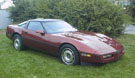
Haven't taken it or a test drive since I replaced all the dist. stuff. When I was changing the plugs on the passenger's side, I noticed a lot of oil on the engine. I am currently in the process of replacing the valve cover gaskets, as that was the source of the oil leak. I have some pics, but I don't know how to post them, lol.
Racer

Joined: Sep 2004
Posts: 258
Likes: 0
From: Coram NY
Haven't taken it or a test drive since I replaced all the dist. stuff. When I was changing the plugs on the passenger's side, I noticed a lot of oil on the engine. I am currently in the process of replacing the valve cover gaskets, as that was the source of the oil leak. I have some pics, but I don't know how to post them, lol.
the other area I had problems which caused the computer to believe there was a lean condition. the AIR system soleniods that are vacuum controlled, go bad and the AIR pump, pumps air into the exhaust manifold, this makes the O2 sensor see all this air and it reports to the ECU, and the ECU sees a lean condition. The other thing that will cause this is bad injectors, which you should at least measure the resistance of the injectors. There are many variables, you need to try and elliminate them without throwing money at it. Also check the hoses that connect the AIR solenoids to the tubes that run along the top of the valve covers. You did not mention if you tested the vacuum?
- Tom
Thread Starter
Burning Brakes
Joined: Aug 2010
Posts: 833
Likes: 1
sailorsteve, I mentioned in my first post that I changed the filter after the pump. I've got the valve cover gaskets replaced now, and I started it up and it idled fine at 8-900 rpm. Revved it and it still sounded ok. I won't know until I take it for a test drive later.
tdr1919, I'll test that right now and let you know.
When I rev it, the pressure goes up to 40-45 psi.
tdr1919, I'll test that right now and let you know.
When I rev it, the pressure goes up to 40-45 psi.
Last edited by tehcarguy; Aug 22, 2010 at 11:43 AM.
Thread Starter
Burning Brakes
Joined: Aug 2010
Posts: 833
Likes: 1
Just took it for another test drive and it is still doing the same thing. It will crank up, rev fine and idle normally. When I drive it for less than a mile, it starts jerking forward with the slightest push on the throttle. I got it home, put it in park and revved it and it didn't rev at all, it acted like it wanted to die when I pushed the throttle. I am completely out of ideas now as to what's causing this.

Le Mans Master


Joined: Sep 2006
Posts: 6,050
Likes: 147
From: Phoenix AZ
2021 C4 of the Year - Modified Finalist
It still sounds like a bad fuel pump.
1. You need to put a gauge on the windshield, and drive it looking at the fuel pressure.
2. it could also be the throttle position sensor.
3. it could also be a bad EGR valve solenoid opening the EGR valve, and a dirty EGR valve lazy, staying open when commanded closed.
4. disconnect the ignition module over by the heater. It will throw a code, but it will be in the limp home mode, and give you a real check on the computer.
1. You need to put a gauge on the windshield, and drive it looking at the fuel pressure.
2. it could also be the throttle position sensor.
3. it could also be a bad EGR valve solenoid opening the EGR valve, and a dirty EGR valve lazy, staying open when commanded closed.
4. disconnect the ignition module over by the heater. It will throw a code, but it will be in the limp home mode, and give you a real check on the computer.
Corvette Stories
The Best of Corvette for Corvette Enthusiasts

How Much Horsepower Every Corvette Engine "LOST" in 1972
Joe Kucinski
Top 10 DOs and DON'Ts for Protecting Your Convertible Top!
Michael S. Palmer
Top 10 Most Explosive Corvettes Ever Made: Power-to-Weight Ratio Ranked!
Joe Kucinski
150 hp to 1,250 hp: Every Corvette Generation Compared by the Specs That Matter
Joe Kucinski
8 Coolest Corvette Pace Cars (and Replicas) of All Time
Verdad Gallardo
Top 10 Corvette Engines RANKED by Peak Torque (70+ Years of Muscle!)
Joe Kucinski
Corvette ZR1X Will Be Pacing the Indy 500, And Could Probably Race, Too!
Verdad Gallardo
Top 10 Corvettes Coming to Mecum Indy 2026!
Brett Foote
Top 10 C9 Corvette MUST-HAVES to Fix These C8 Generation Flaws!
Michael S. Palmer
Thread Starter
Burning Brakes
Joined: Aug 2010
Posts: 833
Likes: 1
I don't have an egr solenoid. The previous owner bypassed it with a piece of plastic. I have a picture of it, but I don't know how to post it on here. The car was running fine with that mod before. How do I adjust the throttle position sensor? I'm about to sell this car it's gonna make me go insane! Will sell for 5k. it's a nice car I'm just tired of messing with it.
Will sell for 5k. it's a nice car I'm just tired of messing with it.
Last edited by tehcarguy; Aug 22, 2010 at 02:09 PM.
Thread Starter
Burning Brakes
Joined: Aug 2010
Posts: 833
Likes: 1
The only idea I have left is it could be the injectors. One day when I was coming up the drive from another disappointing test run, it quit on the way up. I had to hold the throttle to the floor to get it to start. I fixed this by adjusting the idle speed screw. Some one told me it could be leaky injectors causing the engine to flood. I thought this could be true, because when I pulled the old plugs out they were black, and another person told me that means the engine is running lean. That makes no sense if it was giving me a code 42. This makes no sense!!! why does it run so beautifully at idle, then act like a dog when I drive it???
Last edited by tehcarguy; Aug 22, 2010 at 01:52 PM.
Le Mans Master
Joined: Sep 2006
Posts: 6,050
Likes: 147
From: Phoenix AZ
2021 C4 of the Year - Modified Finalist
Adjusting the idle with the idle set screw is only a band aid. you are basically repositioning the idle air control valve.
In order to check if the idle air control valve is functioning,
A. start the car, let the self check go through it's checks, and wait till the idle goes back down to 500 RPM.
1. turn the idle set screw 1/4 turn, and go look at the RPM's. if it did not change, the idle air control valve is functioning. now, back it all the way out, till the engine starts to lower the RPM. then count the number of turns till the idle stabilizes, and stop.
2.Now start counting all over again, and screw the screw in.
count the number of turns till the idle starts going up. It could be for instance 3 turns.
3. If it is 3 turns, back off 1.5 turns, and the idle air control valve is in the middle of it's ability to regulate.
That's not the proper procedure, but it represents what you want.
What it does, is to maintain the idle that the computer sets by adding air or reducing the amount of "calibrated" air leak that the engine sees to regulate idle.
. Say you just start it up, and let the engine idle. you see 600 RPM's on the tach. Now you turn on the A/C. The idle is still at 600 RPM's. That means that the IAC has opened the calibrated air leak to maintain the idle so the engine doesn't die.
Now you turn off the A/C, and the RPM's stay at 600 RPM's. That means that the IAC closed the calibrated leak a little to keep the engine from racing since you removed the air conditioner load.
B. Ok, now let's go for a ride.
you start the car, turn on the A/C, and you close both windows.
The A/C has imposed a load on the engine, and the RPM's without the IAC would have dropped to 400 RPM's, and you add the electrical load of the alternator, charging the battery, running the windows, and powering the car. The engine would have died, except for the IAC has opened a little more for each item to keep the engine at 600 RPM's.
Now you put the car in reverse. The IAC opens more because the engine is idling, and the transmission is placing another load on the engine.
Ok, now you take your foot off the brake, and all the stoplights go out, and the car starts to back up. the IAC closes a little, because the alternator is requiring less horsepower to run it.
now, you put your foot on the brake, and stop. the IAC opens more again to keep the engine from dying.
take your foot off the brake, and now you give it gas.
the IAC then goes to the idle position that the computer set for it based on load.
now, you take your foot off the gas, and coast. the transmission helps spin the engine with momentum, and the IAC closes a little to assist in deceleration. Throttle blades go closed, the car almost stops and the IAC resumes the idle position. you come to a stop, and the engine is idling.
THe IAC has done it's job.
Now, you mess with the throttle idle screw. you get the blades to a position where the IAC can't regulate anything except either high idle or low idle. you put it in gear, and great, it maintains idle. you add air, electrical load, and great, it is adding air. but it's at the maximum add air position. When it goes to the idle position the computer assigns it, it is already open too much. The gas pedal opens the throttle blades, the IAC bleed hole is exposing too much extra air, and the oxygen sensor says to the computer, Hey comp, the throttle position sensor is open 3.5 volts, and I am giving you 32 milivolts to tell you that at throttle's position, I have too much air. You are way lean here!!!
The computer throws a lean code, and the oxygen sensor is happy he told the computer about it.
The problem is, the injectors are harnessed by the computer to cut back the gas.
The Oxygen sensor says Hey Comp, I'm showing you are still lean here. The computer reasons that the throttle position sensor is at a prescribed voltage for a throttle opening, the vehicle speed sensor says the car is going a particular speed, the RPM's for that speed indicate that the car is in third gear based on the chip information at speed versus RPM, and the oxygen sensor says the car is lean, and the manifold temp sensor tells the computer a resistance based on temp, modifying the voltage from the coolant sensor, and recomputes an injector voltage of duration over time.
THe computer increases either duration or cycle times to compensate for it. That gives you your fuel mixture based on sensors.
You go crazy, put the car up for sale, and the new owner gets the car tuned, and gloats because he stole it from you.
To keep that from happening, be patient, and go through the idle air control valve setting, the throttle position setting, and make sure little things like timing and engine coolant sensor resistance is correct.
make sure all connections are tight, all grounds are good, and the engine isn't modified, valve settings are correct, etc.
unless you want to sell it to one of my friends, and I mess it up so much he sells it to me for even less. Then I PART OUT YOUR CAR AND MAKE BIG MONEY.
In order to check if the idle air control valve is functioning,
A. start the car, let the self check go through it's checks, and wait till the idle goes back down to 500 RPM.
1. turn the idle set screw 1/4 turn, and go look at the RPM's. if it did not change, the idle air control valve is functioning. now, back it all the way out, till the engine starts to lower the RPM. then count the number of turns till the idle stabilizes, and stop.
2.Now start counting all over again, and screw the screw in.
count the number of turns till the idle starts going up. It could be for instance 3 turns.
3. If it is 3 turns, back off 1.5 turns, and the idle air control valve is in the middle of it's ability to regulate.
That's not the proper procedure, but it represents what you want.
What it does, is to maintain the idle that the computer sets by adding air or reducing the amount of "calibrated" air leak that the engine sees to regulate idle.
. Say you just start it up, and let the engine idle. you see 600 RPM's on the tach. Now you turn on the A/C. The idle is still at 600 RPM's. That means that the IAC has opened the calibrated air leak to maintain the idle so the engine doesn't die.
Now you turn off the A/C, and the RPM's stay at 600 RPM's. That means that the IAC closed the calibrated leak a little to keep the engine from racing since you removed the air conditioner load.
B. Ok, now let's go for a ride.
you start the car, turn on the A/C, and you close both windows.
The A/C has imposed a load on the engine, and the RPM's without the IAC would have dropped to 400 RPM's, and you add the electrical load of the alternator, charging the battery, running the windows, and powering the car. The engine would have died, except for the IAC has opened a little more for each item to keep the engine at 600 RPM's.
Now you put the car in reverse. The IAC opens more because the engine is idling, and the transmission is placing another load on the engine.
Ok, now you take your foot off the brake, and all the stoplights go out, and the car starts to back up. the IAC closes a little, because the alternator is requiring less horsepower to run it.
now, you put your foot on the brake, and stop. the IAC opens more again to keep the engine from dying.
take your foot off the brake, and now you give it gas.
the IAC then goes to the idle position that the computer set for it based on load.
now, you take your foot off the gas, and coast. the transmission helps spin the engine with momentum, and the IAC closes a little to assist in deceleration. Throttle blades go closed, the car almost stops and the IAC resumes the idle position. you come to a stop, and the engine is idling.
THe IAC has done it's job.
Now, you mess with the throttle idle screw. you get the blades to a position where the IAC can't regulate anything except either high idle or low idle. you put it in gear, and great, it maintains idle. you add air, electrical load, and great, it is adding air. but it's at the maximum add air position. When it goes to the idle position the computer assigns it, it is already open too much. The gas pedal opens the throttle blades, the IAC bleed hole is exposing too much extra air, and the oxygen sensor says to the computer, Hey comp, the throttle position sensor is open 3.5 volts, and I am giving you 32 milivolts to tell you that at throttle's position, I have too much air. You are way lean here!!!
The computer throws a lean code, and the oxygen sensor is happy he told the computer about it.
The problem is, the injectors are harnessed by the computer to cut back the gas.
The Oxygen sensor says Hey Comp, I'm showing you are still lean here. The computer reasons that the throttle position sensor is at a prescribed voltage for a throttle opening, the vehicle speed sensor says the car is going a particular speed, the RPM's for that speed indicate that the car is in third gear based on the chip information at speed versus RPM, and the oxygen sensor says the car is lean, and the manifold temp sensor tells the computer a resistance based on temp, modifying the voltage from the coolant sensor, and recomputes an injector voltage of duration over time.
THe computer increases either duration or cycle times to compensate for it. That gives you your fuel mixture based on sensors.
You go crazy, put the car up for sale, and the new owner gets the car tuned, and gloats because he stole it from you.
To keep that from happening, be patient, and go through the idle air control valve setting, the throttle position setting, and make sure little things like timing and engine coolant sensor resistance is correct.
make sure all connections are tight, all grounds are good, and the engine isn't modified, valve settings are correct, etc.
unless you want to sell it to one of my friends, and I mess it up so much he sells it to me for even less. Then I PART OUT YOUR CAR AND MAKE BIG MONEY.
Last edited by coupeguy2001; Aug 22, 2010 at 04:31 PM.

Team Owner


Joined: Jan 2003
Posts: 20,306
Likes: 242
From: Summerland B.C. Canada
Your code 42 is not lean exhaust, it's from your electronic spark timing. No advance, no power 
Look to see if the EST bypass wire was left unplugged. It's a tan/black wire and the connector is usually inward of brake booster, near fuel pump relay.
http://members.shaw.ca/corvette86/Code%2042.pdf
Look to see if the EST bypass wire was left unplugged. It's a tan/black wire and the connector is usually inward of brake booster, near fuel pump relay.
http://members.shaw.ca/corvette86/Code%2042.pdf
Thread Starter
Burning Brakes
Joined: Aug 2010
Posts: 833
Likes: 1
The check engine light is not on anymore, I fixed that problem. AGENT I told you guys the wrong code, it was giving me a code 44. I replaced the oxygen sensor, and that solved the problem of the CEL.
coupeguy, If I back the screw all the way out the engine will die.
coupeguy, If I back the screw all the way out the engine will die.
Last edited by tehcarguy; Aug 23, 2010 at 02:14 PM.
Le Mans Master
Joined: Sep 2006
Posts: 6,050
Likes: 147
From: Phoenix AZ
2021 C4 of the Year - Modified Finalist
yes, it's supposed to. you have exceeded the amount of compensation that the IAC can overcome.
Remember I said back it out till it lowers the idle, turn it in till the idle goes back up and stabilizes.
Then count the turns going in till the engine raises it's RPM. back it off half that amount.
There will be a dead band that nothing happens. That is because the IAC is either opening or closing because you are turning the screw in or out.
THe IAC just compensates for engine loads, kinda sorta like the old A/C solenoid that kicks up the idle when you turn on the A/C on a carbureted engine, located on the throttle arm of the carb.
THe IAC is an air valve.
Remember I said back it out till it lowers the idle, turn it in till the idle goes back up and stabilizes.
Then count the turns going in till the engine raises it's RPM. back it off half that amount.
There will be a dead band that nothing happens. That is because the IAC is either opening or closing because you are turning the screw in or out.
THe IAC just compensates for engine loads, kinda sorta like the old A/C solenoid that kicks up the idle when you turn on the A/C on a carbureted engine, located on the throttle arm of the carb.
THe IAC is an air valve.
Last edited by coupeguy2001; Aug 24, 2010 at 01:58 AM.
Thread Starter
Burning Brakes
Joined: Aug 2010
Posts: 833
Likes: 1
Earlier at school today, I remembered something. When the fuel pump went bad, I remember I tried to start the car by spraying starting fluid in the throttle body. I think this may have ruined some of the sensors on the TB. Could it be possible that the IAC valve or the TPS could be bad and the computer not give me a code?
coupeguy, I tried some more adjusting of the idle screw. the rpms changed directly in relation to how much I turned it. I did not find a "dead zone". However, I backed the screw out quite a bit, and got the engine to idle at 500. It was idling around 8-900. It seems alot smoother now at idle.
One of my friends told me at school today to check the ignition timing. He has the same engine in his camaro, and he was experiencing similar problems. He bought a new dist. and adjusted the timing and his works great now. How could the timing on mine be off if the engine runs perfectly at idle?
coupeguy, I tried some more adjusting of the idle screw. the rpms changed directly in relation to how much I turned it. I did not find a "dead zone". However, I backed the screw out quite a bit, and got the engine to idle at 500. It was idling around 8-900. It seems alot smoother now at idle.
One of my friends told me at school today to check the ignition timing. He has the same engine in his camaro, and he was experiencing similar problems. He bought a new dist. and adjusted the timing and his works great now. How could the timing on mine be off if the engine runs perfectly at idle?
 If only I could here that sound on the road instead of in my shop....

Melting Slicks

Joined: May 2010
Posts: 2,082
Likes: 3
From: Conowingo Maryland
when you say vacume check you hooked a gauge to it got a reading close to 20 inches at idle. then you needed to increase rpms to 3500 as you increase you will drop to 0 inches or around there then hold at 3500 and it should recover to just about where it was at idle if it does not something is clugging up.
