





WHY DO CHECK VALVES FAIL Explanation

Thread Starter
Tech Contributor


Joined: Dec 1999
Posts: 32,910
Likes: 2,402
From: Anthony TX
CI 6,7,8,9,11 Vet
St. Jude Donor '08
 WHY DO CHECK VALVES FAIL Explanation
Quicksilver Vert 01 recently sent me a failed C5 A. I. R. System Check Valve so that I could figure out how and why it failed. So, I used a bench grinder to carefully grind off the pinch joint and disassembled the valve for an AUTOPSY. 

Here is what you will find inside the valve once you crack it open:

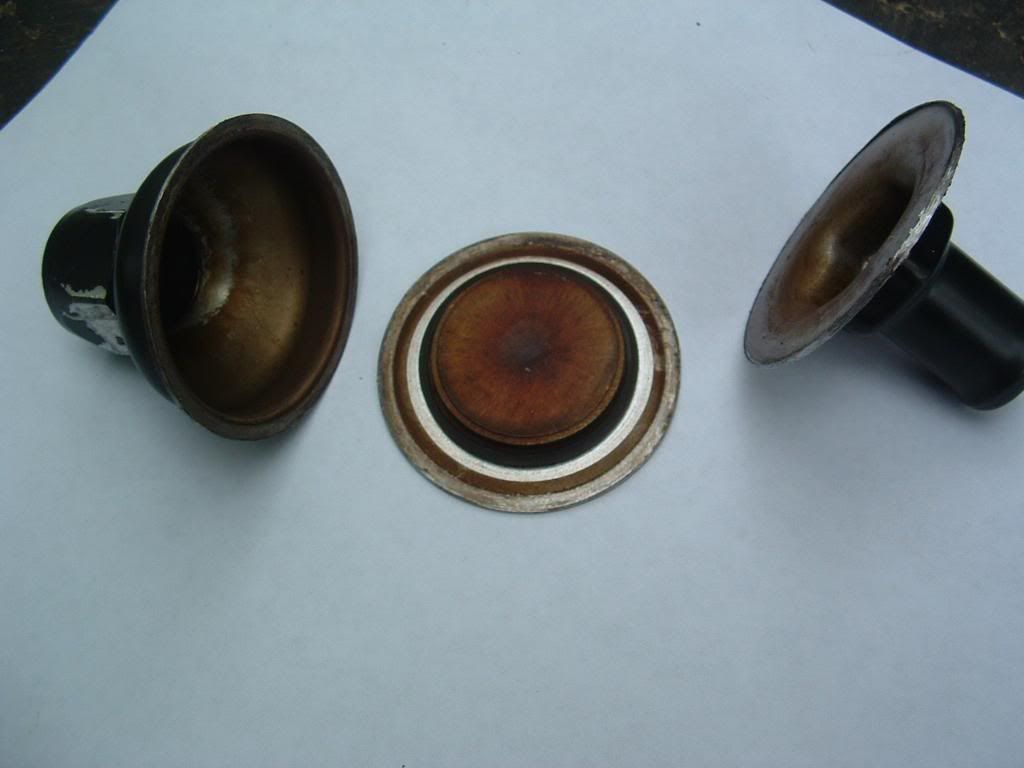
I ground off the small rivet that holds the diaphragm disk together and disassembled the diaphragm assembly:

This check valve failed not because it was stuck shut but because it failed to flow the correct amount of air. It was difficult to blow through it.
This is the reason why:
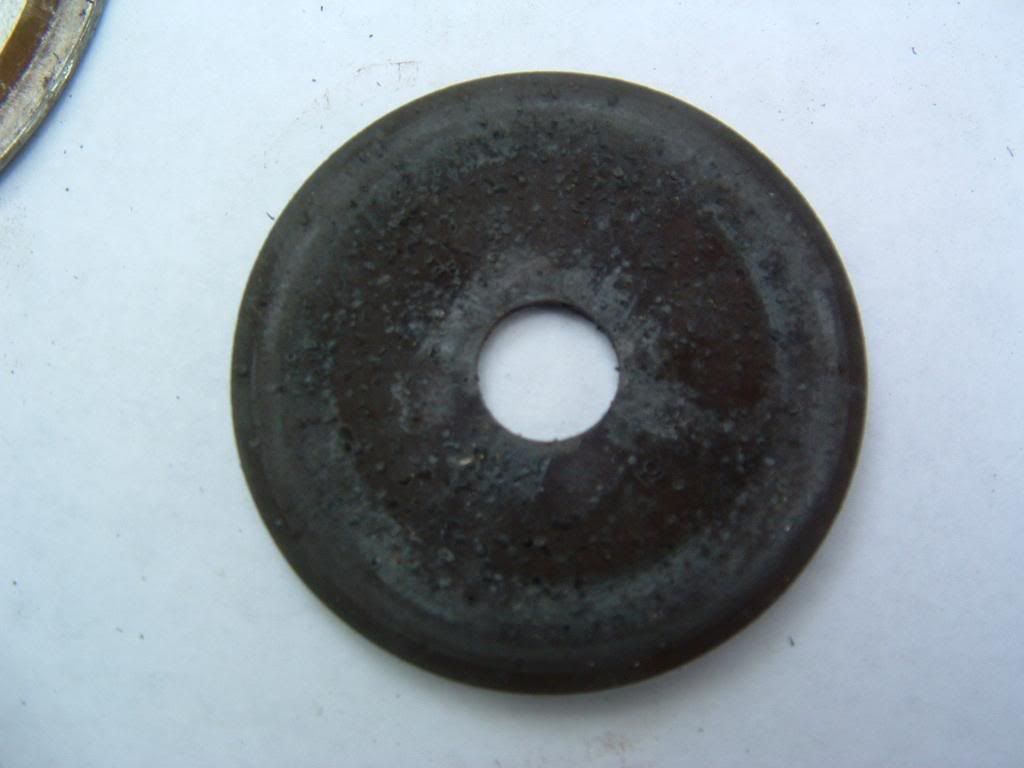
The heat and exhaust by-products causes the synthetic disk to thicken and get harder than a new pliable disk.
So,,,when you having A.I R. System DTCs the cause of the failure could be a stuck shut disk OR one that flows LESS than the required air flow like this check valve.
Hope this helps someone.
Bill Curlee
Here is what you will find inside the valve once you crack it open:
I ground off the small rivet that holds the diaphragm disk together and disassembled the diaphragm assembly:
This check valve failed not because it was stuck shut but because it failed to flow the correct amount of air. It was difficult to blow through it.
This is the reason why:
The heat and exhaust by-products causes the synthetic disk to thicken and get harder than a new pliable disk.
So,,,when you having A.I R. System DTCs the cause of the failure could be a stuck shut disk OR one that flows LESS than the required air flow like this check valve.
Hope this helps someone.
Bill Curlee

Tech Contributor

Joined: May 2008
Posts: 3,100
Likes: 17
From: Somers, CT and Clermont, FL
St. Jude Donor '09-'10-'11-'12-'13-'14-'15-'16
This finally makes a lot of sense Bill! The cleaning and WD-40 treatments, would only keep it working for 2 or 3 weeks at a time last year. Apparently, the synthetic disk would soon get dry and hard again after each spraying.
I used a Standard Motor Products #AV7 check valve as a replacement for the failed one. It's supposed to be their premium grade. We'll see how this one holds up.
Thanks for posting a great write-up Bill.
I used a Standard Motor Products #AV7 check valve as a replacement for the failed one. It's supposed to be their premium grade. We'll see how this one holds up.
Thanks for posting a great write-up Bill.
Race Director


Joined: Dec 2000
Posts: 19,304
Likes: 85
From: San Diego CA
What is interesting is that my OEM valve lasted over 5 years and the second one, only 2.5 years. The difference may be that I don't go on as many high-speed runs. That was also the guess presented by the mechanic at the dealership - not enough driving at higher speeds.
If the diaphram is indeed silicone, it would surprise me that it would become hard, as most silicone material is very heat and chemical resistant. The main problem with experimenting with more durable components is that it would be such a pain to swap them in and out. Who wants to remove an intake every couple of days? I think there needs to be a completely different type of check valve, but without an engine dyno, what can you do?
If the diaphram is indeed silicone, it would surprise me that it would become hard, as most silicone material is very heat and chemical resistant. The main problem with experimenting with more durable components is that it would be such a pain to swap them in and out. Who wants to remove an intake every couple of days? I think there needs to be a completely different type of check valve, but without an engine dyno, what can you do?
Corvette Stories
The Best of Corvette for Corvette Enthusiasts

Corvette & Porsche 911: How Two Icons Conquered the Last 25 Years
Joe Kucinski
2027 Chevrolet Silverado 1500 First Look: Everything You NEED to Know!
Michael S. Palmer
5 Best & 5 Worst Corvette Daily Drivers
Joe Kucinski
The Headlights of Every Corvette Generation Explained
Joe Kucinski
5 Best & 5 Most Overrated Corvette Track Packages of All Time!
Joe Kucinski
Every 2027 Corvette Engine Explained
Joe Kucinski
Designer Imagines A Corvette That Looks More Like a Corvette Than the Corvette
Verdad Gallardo
10 Ugly Corvettes That We Still Kinda Love
Joe Kucinski
Top 10 Most Expensive Corvettes Ever Sold on Bring A Trailer
Brett Foote
Tech Contributor
Joined: May 2008
Posts: 3,100
Likes: 17
From: Somers, CT and Clermont, FL
St. Jude Donor '09-'10-'11-'12-'13-'14-'15-'16
What do you all think about perhaps shooting some silicone spray through the check valve, as a periodic preventative measure, to help keep the diaphragm supple?

You could easily spray some silicone into the A.I.R. tubing, and then use compressed air to force it into the check valve.

Melting Slicks

Joined: Aug 2005
Posts: 3,398
Likes: 2
When the behind the intake valve is replaced MOVE IT to a easily reachable location like the other one is. Just buy some new tubing and bend it as needed and dont route it back behind there where it was and go through the same crap having to replace it ever again. I dont know what GM tech had his head up his butt when they designed it back there impossible to get to.
Thread Starter
Tech Contributor
Joined: Dec 1999
Posts: 32,910
Likes: 2,402
From: Anthony TX
CI 6,7,8,9,11 Vet
St. Jude Donor '08
Examining the rubber disk,,,,it sure doesnt feel like silicone rubber. If I had to put my finger on exactly what it was, the way it feels, stretches and bends,,,,I would almost say it was natural rubber. 
Man, if it is just plain rubber,,,,GM had to know that that that that check valve was a cash cow!
Its probably some chemically enhanced rubber product that can witstand the conditions that its subjected to. It's NOT high quality silicone rubber.
BC
Man, if it is just plain rubber,,,,GM had to know that that that that check valve was a cash cow!
Its probably some chemically enhanced rubber product that can witstand the conditions that its subjected to. It's NOT high quality silicone rubber.
BC

Tech Contributor
Joined: May 2008
Posts: 3,100
Likes: 17
From: Somers, CT and Clermont, FL
St. Jude Donor '09-'10-'11-'12-'13-'14-'15-'16
At the end of the driving season each year, and just before winter storage, I'll give it a silicone spray treatment. It sure can't hurt to try it.
Race Director
Joined: Dec 2000
Posts: 19,304
Likes: 85
From: San Diego CA
Examining the rubber disk,,,,it sure doesnt feel like silicone rubber. If I had to put my finger on exactly what it was, the way it feels, stretches and bends,,,,I would almost say it was natural rubber.
Man, if it is just plain rubber,,,,GM had to know that that that that check valve was a cash cow!
Its probably some chemically enhanced rubber product that can witstand the conditions that its subjected to. It's NOT high quality silicone rubber.
BC
Man, if it is just plain rubber,,,,GM had to know that that that that check valve was a cash cow!
Its probably some chemically enhanced rubber product that can witstand the conditions that its subjected to. It's NOT high quality silicone rubber.
BC
Since it's a rubber compound, I'm going to spray some silicone into the new valve on a regular basis.
At the end of the driving season each year, and just before winter storage, I'll give it a silicone spray treatment. It sure can't hurt to try it.
At the end of the driving season each year, and just before winter storage, I'll give it a silicone spray treatment. It sure can't hurt to try it.
Ideally, this check valve should be completely redesigned or designed with silicone or Viton.
Tech Contributor
Joined: May 2008
Posts: 3,100
Likes: 17
From: Somers, CT and Clermont, FL
St. Jude Donor '09-'10-'11-'12-'13-'14-'15-'16