When you click on links to various merchants on this site and make a purchase, this can result in this site earning a commission. Affiliate programs and affiliations include, but are not limited to, the eBay Partner Network.
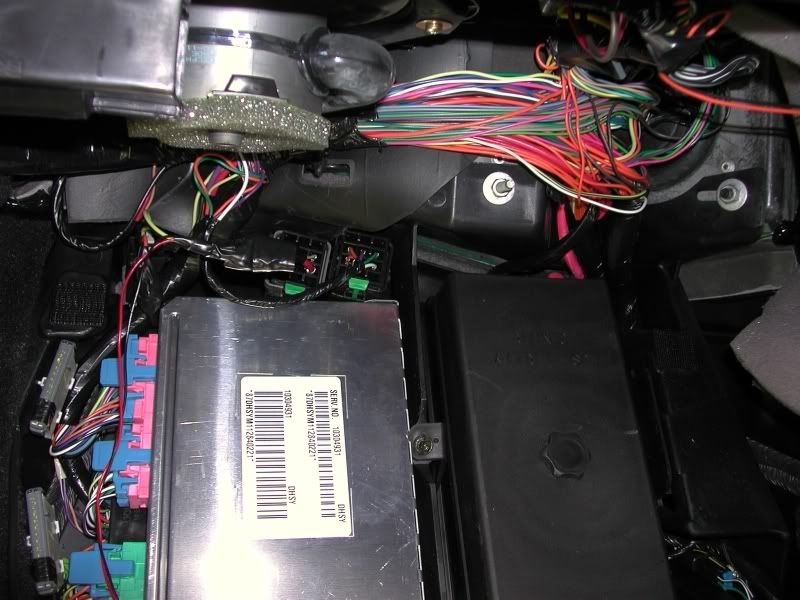
Has ANYONE taken any kind of preventative measures to WATER PROOF their BCM? If you have or haven't and can contribute to start a WATER PROOFING think tank... we might be able to save hundreds of C5 owners thousands of dollars and headaches.
Just hadn't seen anything about this issue other than trying to fix the problem after the fact...
I'd like to FIX my BCM so that I don't have to worry about that issue ever happening...
Some of you "engineering" types could maybe come up with some sort of cover/box/coating... that could be applicable for all of us.
I know there should be SOME kind of solution for this Common Problem
Thanks for any and all ideas and input...
Please INCLUDE pics of what you have done...
Expecting some cool ideas from Bill Curlee, Dadaroo, 8vette7... and all you other genius electronic gurus...
Last edited by 73Corvette; Jan 9, 2016 at 12:55 PM.
From: In a parallel universe. Currently own 2014 Stingray Coupe.
C7 of the Year - Modified Finalist 2021
MO Events Coordinator
St. Jude Co-Organizer
St. Jude Donor '03 thru '25
NCM Sinkhole Donor
CI 5, 8 & 11 Veteran
I've had three C5s and never had an issue with water getting into the BCM area, but I know others have. Will watch this thread to see what others may have done besides the obvious things (like cleaning out the udders) to keep the BCM and the area dry.
Sealing the basic box is a no brainer. However the connector terminals are not sealed like the PCM so if they get wet you can still fry the BCM or get water intrusion. Best solution is keep the udders clear.
Only potential downside would be a mouse or small rat being able to get in. I keep poison in the garages just to keep them (or a squirrel) from chewing wiring in the cars if they get in. Of course if they really wanted to get in they could just chew the udder.
I would say if you have a lot of debris ending up on the cowl then cutting the ends would be easier than trying to clear them all the time.
Sealing the basic box is a no brainer. However the connector terminals are not sealed like the PCM so if they get wet you can still fry the BCM or get water intrusion. Best solution is keep the udders clear.
Mr. Sam
I am aware of the articles and issues with intrusion... the importance of maintenance, what I really want to accomplish is water proofing... surely there is a way to seal/protect/divert the water away from the connector terminals... so, IF the udders plug or something else happens to let water inside the cabin, you would still have the BCM water proofed. PUT on your thinking cap buddy... I know you are a very bright guy and we can come up with a simple solution...
IF just proper maintenance and prevention WERE enough we wouldn't see SOOOO many posts with issues related to WET BCM's
But, maybe it is as SIMPLE as keeping the udders clean?
Last edited by 73Corvette; Jan 10, 2016 at 08:21 AM.
IF you have a trash bag over the BCM in your C5 corvette...... yoooou might be a Red Neck
If you called it a Hydro Diversion Kit.... and sold some zip ties with it we might could start a business.
Started thinking about some kind of HEAT SHRINK Wrap or bag that you could put partially over the BCM and that covers the connectors and wires and seals them...fairly easy to remove if you needed to.
Last edited by 73Corvette; Jan 10, 2016 at 08:49 AM.
I've always been concerned about this issue.. My "solution" was to buy a spare BCM. But how about unplugging the connectors and lathering the pins and receptacle with electrical grease?
This seems like a band aid fix to me that does not tackle the root of the problem. As others have said, a little preventive maintenance is all that's required. Keep the udders clear! Simple enough. Sealing things up in the hope of avoiding required maintenance does not make sense to me. Just my two cents.
Thanks, Gents. The udders have never been dirty when I've checked them, most recently this past November. I was thinking of some kind of insulating process for the connectors just as a precaution.
The udders are only a PART of the problem. There are several others that are more prevalent.
1. The HVAC AIR BOX has a drain to allow the AC Evaporator CONDENSATE to drain out and on the ground. When the HVAC Condensate Drain clogs, this causes the most of the WET BCM issues. The Air box floods and the condensate water runs out of the area where the HVAC Fan is attached (directly over the BCM).
2. Fix Roof Coupes have to worry about the area where the ROOF/WINDSHIELD/A Pillar meet. The mastic seal deteriorates and allows water to enter the joint and that runs down the A pillar and flood into the passengers foot well and the BCM is exposed to HIGH moisture.
3.Leaving the window open by accident. I did this once and had 1" of water in the passengers foot well after a severe rain storm!
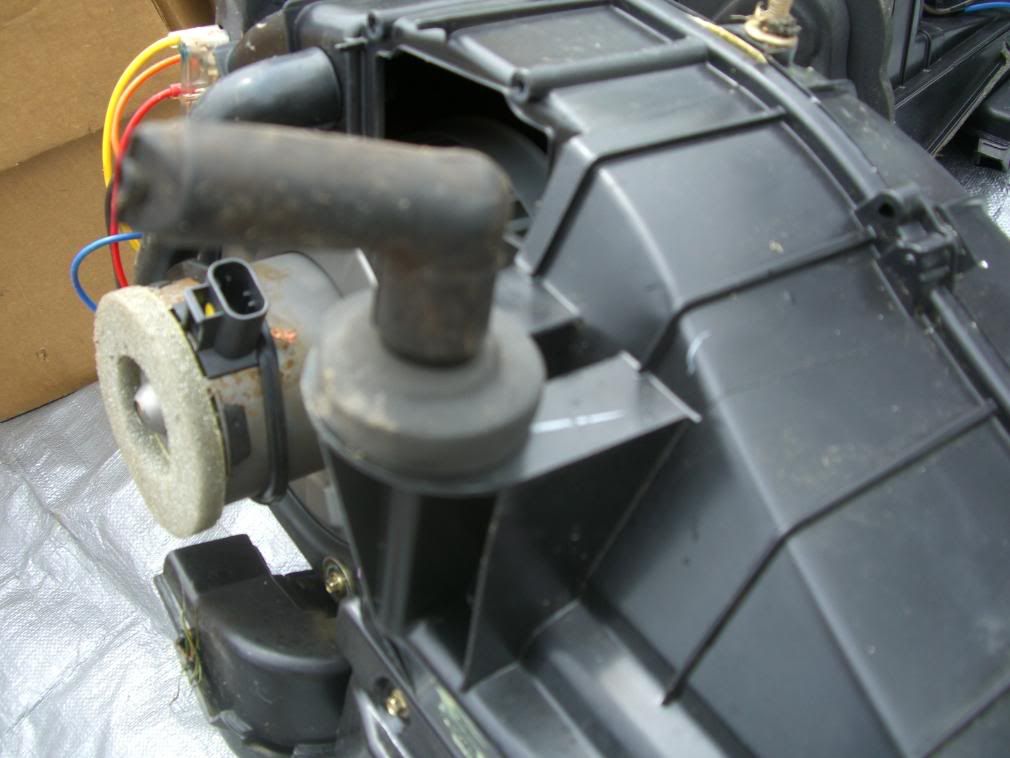
4. There is a small rubber hose that supplies cool dry air to the HVAC Fan Motor. If you run the AC that rubber hose can and will collect condensation because it gets cols and will drip condensate on to the BCM. Not a LOT but it water on the BCM. I wrapped my hose in a layer of Bubble wrap. That keeps the moisture rich air off the hose and NO MORE DRIPS!
EARLY Model Rubber Hose from air box to fan motor:
LATE MODEL Rubber Hose from air box to fan motor:
Rubber Hose from air box to fan motor
HVAC Drain tube and rubber fitting:
If you wrap the BCM in a air tight container, you have to worry about heat. It can get warm and you also have to factor in the heat from the under body.
Last edited by Bill Curlee; Jan 14, 2016 at 11:04 AM.
It all depends on the SOURCE of moisture. If its dripping from ABOVE, (First, fix the leak) but you can add a drip shield or plastic deflector.
If you FLOOD the passengers foot well, your kind of screwed as related to water on the BCM.
Mainly, do what you need to do to prevent water from dripping directly on to the metal box that IS NOT in any way, water tight.
Even if you dipped the box in a water proof covering, you would still have exposed connections in each of the BCM connector back shells as none of them are water tight.
DIELECTRIC GREASE: Dielectric Grease is an INSULATOR! PERIOD! If you put it in a connector, it will keep air and water OUT.
HOWEVER~~~~~~~~~~~~
IF,, you goop dielectric grease into a connector, it can cause electrical connection issues. If you have a poor male pin to female pin connection, the grease may cause that connection to become more resistive and cause issues. GM has a VERY POOR male to female pin reliability record and the female pins that are used in our connectors,,, over time spread apart and cause poor connections. ADD GREASE to that problem and you are asking for trouble.
In a pin to pin connection that is working properly, there is a very tight male to female pin connection and that tight connection does not become degraded is grease is used when the pins are inserted.
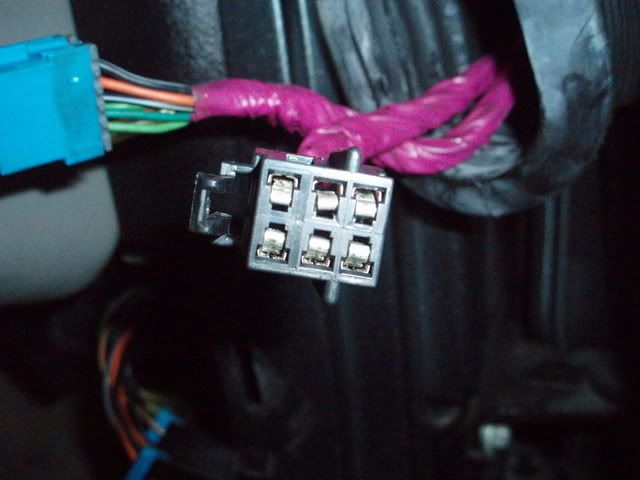
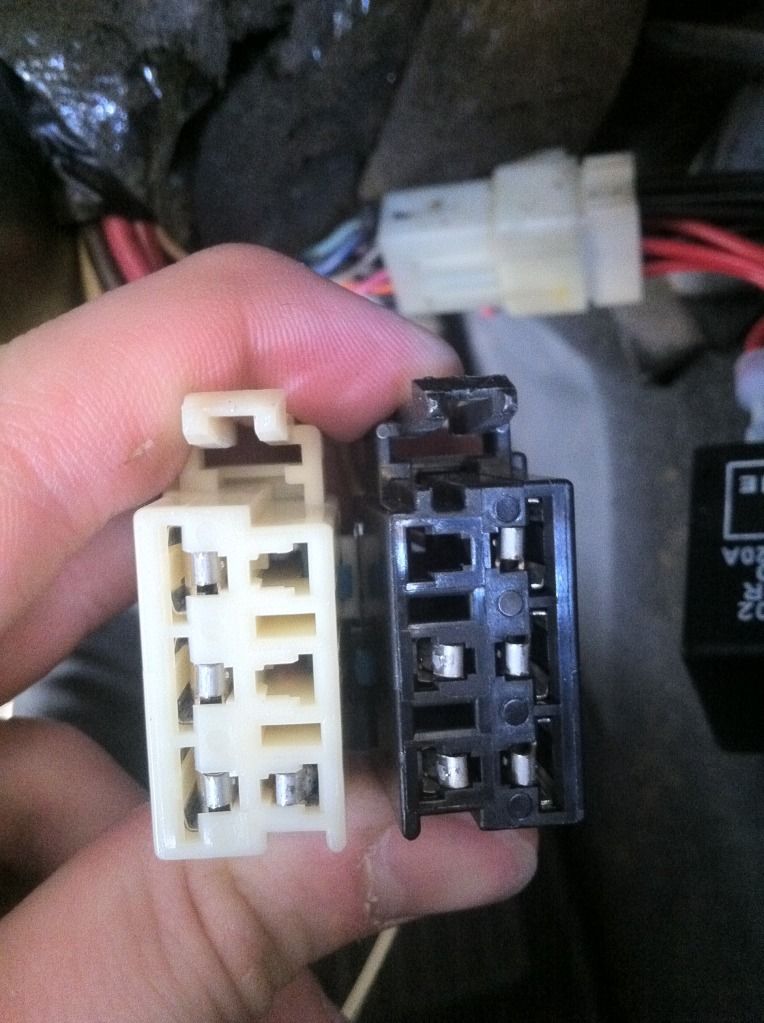
Here is a PRIME example of how those FEMALE PINS can spread apart:
This is a SIX WAY Door Connector that is used in the power/ground circuits for both doors. Examine the FEMALE PINS. The top row center pin is really spread apart and makes a very poor connection with the male pin:
This is the IGNITION SWITCH connector. Examine the large female pins in the BLACK connector and you can see how they are spread apart compared to the WHITE Connector same female pins.









 Water Proofing your BCM


















 Crude but potentially very effective. I've considered the same thing. Water diversion being the goal, not "waterproofing".


 The udders are only a PART of the problem. There are several others that are more prevalent.