




Interior heat question?

Thread Starter
Burning Brakes


Joined: Aug 2008
Posts: 845
Likes: 12
From: LAKE BARRINGTON IL
 Interior heat question?
Hi all,
Where in theory does the interior heat come from?
Obviously a warm engine bay will warm it due to convection.
But what is the main driver of hot cabins?
I am thinking it is the full exhaust sitting there...
would love some thoughts here...
I am assembling 69 vert 454 with sidepipes and am finalizing my insulation/sound deadener/heat barrier...but am very curious to what you all feel is the main driver that can be prevented...
thanks!
Ron
Where in theory does the interior heat come from?
Obviously a warm engine bay will warm it due to convection.
But what is the main driver of hot cabins?
I am thinking it is the full exhaust sitting there...
would love some thoughts here...
I am assembling 69 vert 454 with sidepipes and am finalizing my insulation/sound deadener/heat barrier...but am very curious to what you all feel is the main driver that can be prevented...
thanks!
Ron

Team Owner


Joined: Sep 2006
Posts: 31,267
Likes: 4,362
From: Westminster Maryland
Hi Ron,
I think it's really a combination of both the compartment and the exhaust pipes.
St.Louis wouldn't have gone to the expense of installing the firewall blanket and jute insulation and also the foam tunnel collar if the heat from the compartment wasn't migrating into the interior. A pretty half-*** attempt to control the heat from the transmission was the use of loose jute on the transmission tunnel under the consoles.
I'm not sure if the rubber coated dense jute under the carpet was there for appearance, heat, or sound….. likely all 3. I think that's especially true for the forward foot well underlayment.
Regards,
Alan
I think it's really a combination of both the compartment and the exhaust pipes.
St.Louis wouldn't have gone to the expense of installing the firewall blanket and jute insulation and also the foam tunnel collar if the heat from the compartment wasn't migrating into the interior. A pretty half-*** attempt to control the heat from the transmission was the use of loose jute on the transmission tunnel under the consoles.
I'm not sure if the rubber coated dense jute under the carpet was there for appearance, heat, or sound….. likely all 3. I think that's especially true for the forward foot well underlayment.
Regards,
Alan

Race Director


Joined: Sep 2001
Posts: 10,560
Likes: 439
From: Wellington, FL
St. Jude Donor '11 thru '25
Take a look at the weather stripping around the underside rear of the hood. If it's missing or not sealing, heat from the engine compartment will be drawn into the cabin thru HVAC system.

Pro

Joined: Aug 2000
Posts: 708
Likes: 21
From: Montrose CA
I am in the all-of-the-above camp...
The block and tranny probably hoover at 200 degrees but the exhaust manifolds are much hotter than that.
Another thing i noted on my '76 is the y-pipe and catylic converter are under the passenger seat - and after several miles the heat passes up into the cabin through the inboard seat mounting bolts... hotter than fire they get after an hour or so.
My solution was to fiberglass wrap the exhaust pipe back to the converter - minimizing the heat coming up through the seat mounting bolts.
Another task i recently did was to lay self adhering ceramic foil sheet on the hvac air handling box... the exhaust manifold is about two inches away from that box and without some protection the box would certainly absorb heat and warm the air you are trying to pass through the air conditioning evaporator.
over the years i have never lost the thought that the c3 corvette was a car designed in the north with miminal concern for how the car would perform down south. If the designers had to walk out of their office everyday into the blast furnace summer heat of Florida, Texas or socal - the car would have been designed differently and not suffer so badly from heat transfer into the cockpit.
It would take a full fledged attack against heat transfer to win the battle...
The block and tranny probably hoover at 200 degrees but the exhaust manifolds are much hotter than that.
Another thing i noted on my '76 is the y-pipe and catylic converter are under the passenger seat - and after several miles the heat passes up into the cabin through the inboard seat mounting bolts... hotter than fire they get after an hour or so.
My solution was to fiberglass wrap the exhaust pipe back to the converter - minimizing the heat coming up through the seat mounting bolts.
Another task i recently did was to lay self adhering ceramic foil sheet on the hvac air handling box... the exhaust manifold is about two inches away from that box and without some protection the box would certainly absorb heat and warm the air you are trying to pass through the air conditioning evaporator.
over the years i have never lost the thought that the c3 corvette was a car designed in the north with miminal concern for how the car would perform down south. If the designers had to walk out of their office everyday into the blast furnace summer heat of Florida, Texas or socal - the car would have been designed differently and not suffer so badly from heat transfer into the cockpit.
It would take a full fledged attack against heat transfer to win the battle...
Last edited by Carl in LA; Jan 31, 2015 at 09:03 PM.
Le Mans Master


Joined: May 2003
Posts: 8,877
Likes: 3,556
From: Fernandina Beach FL
2023 Restomod of the Year finalist
2020 C3 of the Year Winner - Modified
Years back- early eighties- had a Big Block w/ headers (same car I have today) and after an eight plus hour trip to the beach-driving w/ sandals- the heal of my foot had a burn blister....Now granted the outside temps were in the nineties- and I was only 18- It was no big deal...
Fast forward 30 years-
I really have gotten sort of use to AC...
I wanted my restomod to be cool in more ways than just appearance!!!
Since the car was originally a Non-AC car- the Astro Ventilation ducting had to be dealt with. I am adding Vintage Air.
I didn't want any heat coming from the engine into the cabin.
Why? Even w/o heating by the engine when the ambient temps are in the 90's - that just won't be comfortable. On my daily driver - I'm always running the recirculate setting.
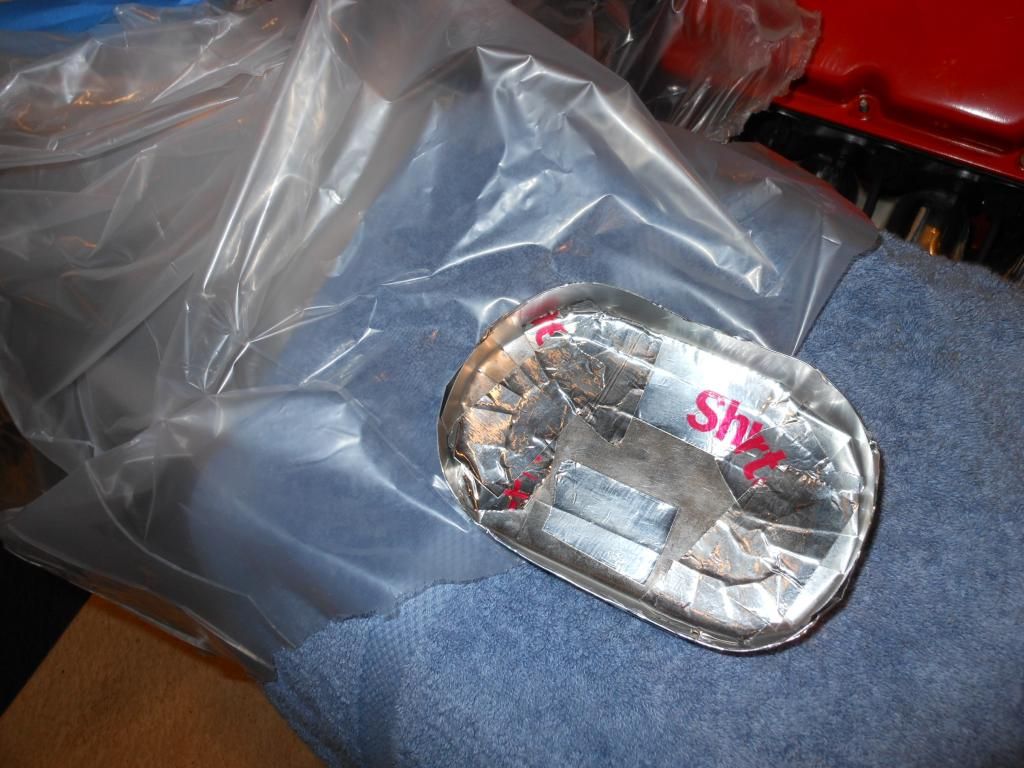
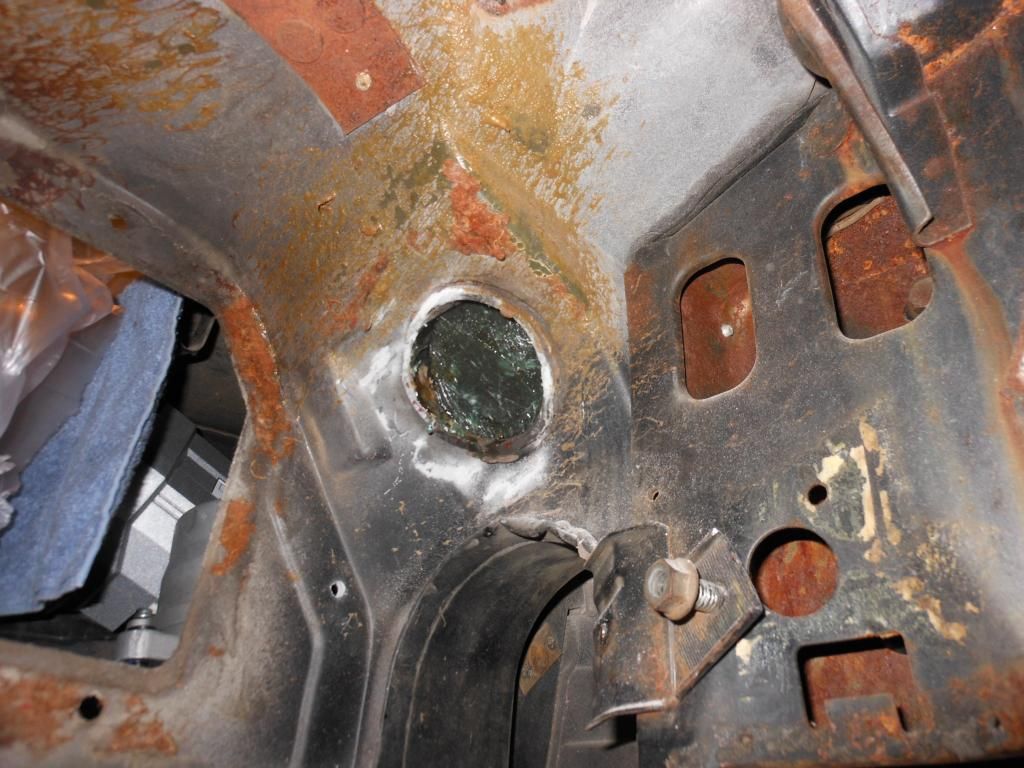
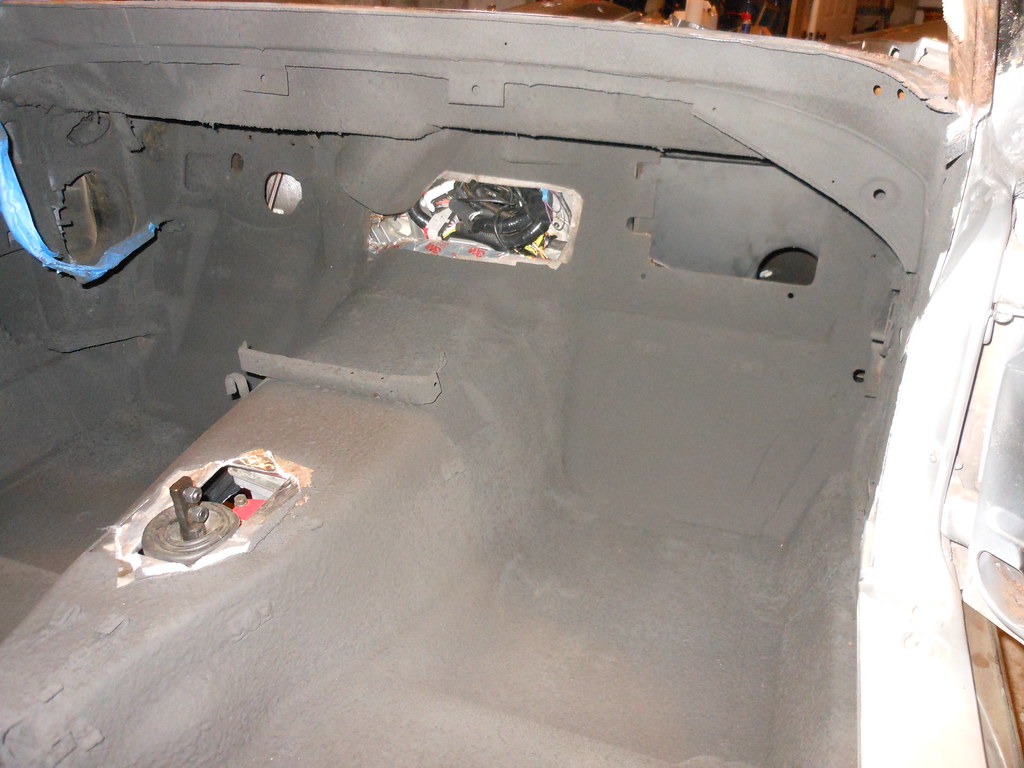
I fiberglassed up all the holes- and made a fiberglass piece to close off the Astro vents- then screwed the back flaps closed.
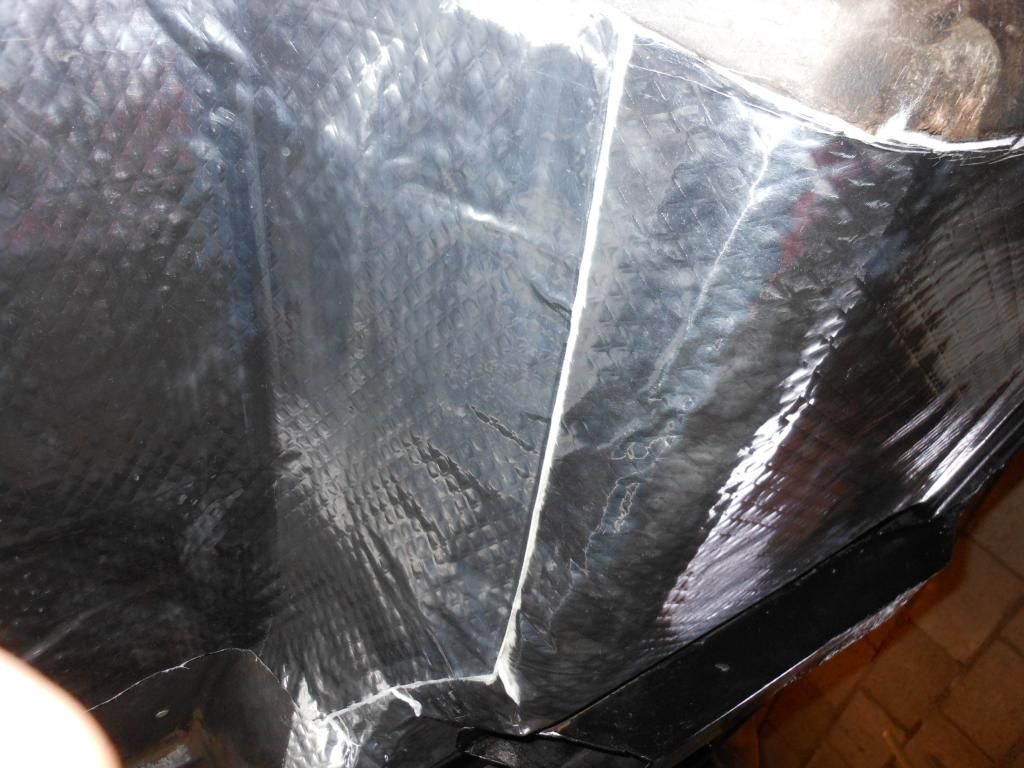
Coated the interior w/ Lizard Skin- and covered the exterior w/ Zero Clearance using 3M tape on the seams. I am also NOT running a heater-no heater lines- just don't need it down here- and if it does get cold- I have heated seats.
My thought were to reflect the heat AND insulate the cabin. If you look at duct work- the conditioned air is INSIDE the reflective exterior..and the space shuttle put the heat shields on the OUTSIDE of the spaceship. Air makes a great insulator - till it moves!!!
I haven't done any testing- who knows if it will make that big of a difference- BUT you might was well do it right -considering the cost of materials and my labor.
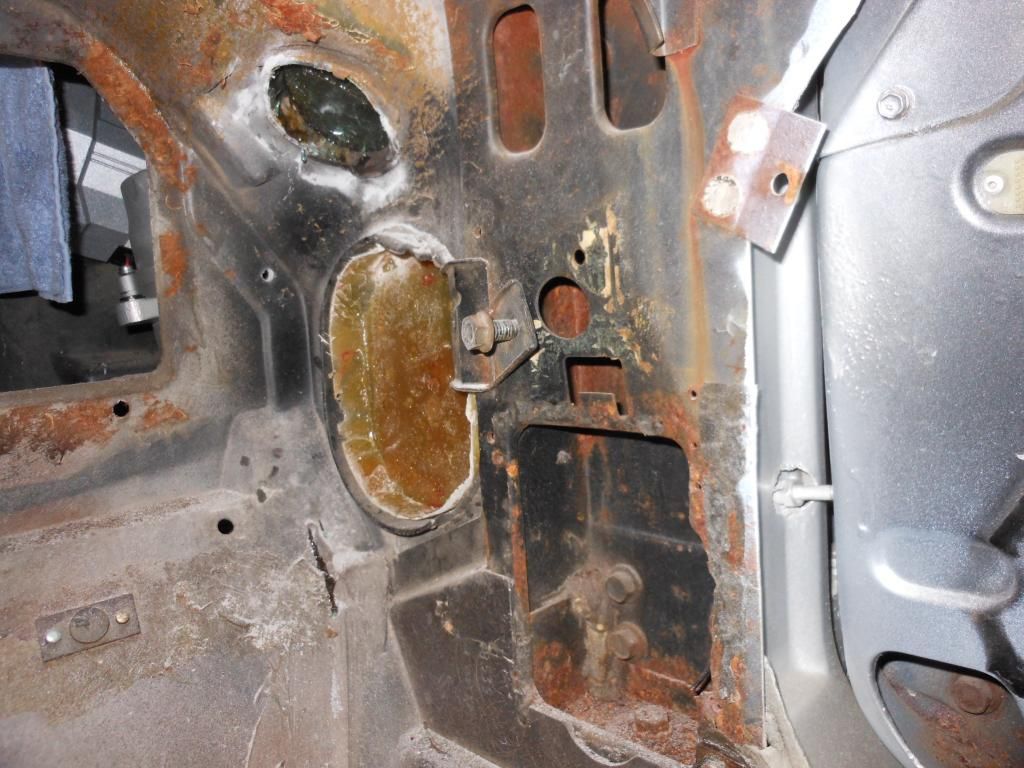

 DSCN4826 by richardhayes454, on Flickr
 DSCN4833 by richardhayes454, on Flickr
Fast forward 30 years-
I really have gotten sort of use to AC...
I wanted my restomod to be cool in more ways than just appearance!!!
Since the car was originally a Non-AC car- the Astro Ventilation ducting had to be dealt with. I am adding Vintage Air.
I didn't want any heat coming from the engine into the cabin.
Why? Even w/o heating by the engine when the ambient temps are in the 90's - that just won't be comfortable. On my daily driver - I'm always running the recirculate setting.
I fiberglassed up all the holes- and made a fiberglass piece to close off the Astro vents- then screwed the back flaps closed.
Coated the interior w/ Lizard Skin- and covered the exterior w/ Zero Clearance using 3M tape on the seams. I am also NOT running a heater-no heater lines- just don't need it down here- and if it does get cold- I have heated seats.
My thought were to reflect the heat AND insulate the cabin. If you look at duct work- the conditioned air is INSIDE the reflective exterior..and the space shuttle put the heat shields on the OUTSIDE of the spaceship. Air makes a great insulator - till it moves!!!
I haven't done any testing- who knows if it will make that big of a difference- BUT you might was well do it right -considering the cost of materials and my labor.


 DSCN4826 by richardhayes454, on FlickrDSCN4833 by richardhayes454, on Flickr

Team Owner

Joined: Jan 2006
Posts: 37,637
Likes: 3,118
From: Crossville TN
Some might say that the use of jute backing was "half-assed", but the 1974 C3 I bought NEW was cool as a cucumber...without the A/C on. The interior didn't get hot like they do after 40 years of use.
Jute padding is an effective holder of air pockets and blocks heat very effectively. Reflectix is a nice product, but doesn't have the insulating capabilities of uncompressed jute. But, over 40 years, the jute compresses and loses its insulating prowess, the rear hood seal flattens and allows heat into the air intake, and the kickpanel door seal goes 'South'.
Fix all that stuff and it's better inside.
Jute padding is an effective holder of air pockets and blocks heat very effectively. Reflectix is a nice product, but doesn't have the insulating capabilities of uncompressed jute. But, over 40 years, the jute compresses and loses its insulating prowess, the rear hood seal flattens and allows heat into the air intake, and the kickpanel door seal goes 'South'.
Fix all that stuff and it's better inside.

Drifting

Joined: Apr 2008
Posts: 1,305
Likes: 2
From: Lewisburg WV
thegazman
It seems like this is an age old problem for C3's. I have been working on my 79 and can tell you a lot of the heat comes into the passenger area through the A/C system off of the engine. You drive my car for half an hour, pull into the garage and raise the hood too check something. The heat will about knock you down. That heat is drawn into the fresh air intake while driving, so most of the time I run the A/C on "max" to shut off the outside air. Me personally, I have been thinking of buying a hood that will vent the air in the engine compartment as a start. I even installed exhaust pipe wrap from exhaust manifold to the cross member.
Corvette Stories
The Best of Corvette for Corvette Enthusiasts

Top 10 Most Expensive Corvettes Ever Sold on Bring A Trailer
Brett Foote
10 Things Every Corvette Owner Needs (2026 Edition)
Michael S. Palmer
8 Most "Only Corvette Owners Understand" Quirks and Problems
Pouria Savadkouei
10 Reasons the C6 Z06 is Still A Performance Benchmark After 20 Years
Joe Kucinski
How Much Horsepower Every Corvette Engine "LOST" in 1972
Joe Kucinski
Top 10 DOs and DON'Ts for Protecting Your Convertible Top!
Michael S. Palmer
Top 10 Most Explosive Corvettes Ever Made: Power-to-Weight Ratio Ranked!
Joe Kucinski
150 hp to 1,250 hp: Every Corvette Generation Compared by the Specs That Matter
Joe Kucinski
8 Coolest Corvette Pace Cars (and Replicas) of All Time
Verdad Gallardo
Melting Slicks


Joined: Jul 2009
Posts: 2,091
Likes: 40
Convertible is the way to go , if heat bothers you. Top off ....out goes the heat. But it's still hotter than most cars. But tolerable .
Also.......I m sure my car is cooler with the side pipes , than it was with the stock under car exhaust . Putting the heat out to edges helps. I say significantly cooler.
BB will throw a lot of heat into the cabin .
Firewall, gaskets , grommets , insulation , all that needs to be there in good shape.
I haven't added any additional insulation . But I can see how it would help.
Seal up your firewall good.
Also.......I m sure my car is cooler with the side pipes , than it was with the stock under car exhaust . Putting the heat out to edges helps. I say significantly cooler.
BB will throw a lot of heat into the cabin .
Firewall, gaskets , grommets , insulation , all that needs to be there in good shape.
I haven't added any additional insulation . But I can see how it would help.
Seal up your firewall good.

2026 Loser of the Year


Joined: Sep 2013
Posts: 36,595
Likes: 7,043
From: New Or-leens Loo-z-anna
FACTOR.............
"Here ya' go!" Click on the link below and have fun! (I read the "whole thing" and learned a lot)
https://www.corvetteforum.com/forums...=interior+heat
EDIT: OOOOPS....you already found it!
"Here ya' go!" Click on the link below and have fun! (I read the "whole thing" and learned a lot)
https://www.corvetteforum.com/forums...=interior+heat
EDIT: OOOOPS....you already found it!
Last edited by doorgunner; Feb 2, 2015 at 12:08 AM.
Race Director
Joined: Sep 2001
Posts: 10,560
Likes: 439
From: Wellington, FL
St. Jude Donor '11 thru '25
It seems like this is an age old problem for C3's. I have been working on my 79 and can tell you a lot of the heat comes into the passenger area through the A/C system off of the engine. You drive my car for half an hour, pull into the garage and raise the hood too check something. The heat will about knock you down. That heat is drawn into the fresh air intake while driving, so most of the time I run the A/C on "max" to shut off the outside air. Me personally, I have been thinking of buying a hood that will vent the air in the engine compartment as a start. I even installed exhaust pipe wrap from exhaust manifold to the cross member.
Drifting
Joined: Apr 2008
Posts: 1,305
Likes: 2
From: Lewisburg WV
thegazman
I read the Chadwick article on C-3 A/C system and it is very good. However, try running your fresh air system when the ambient temperature is in the 70's without out the compressor engaged. You will notice that the air entering your passenger compartment is a lot warmed than the outside air. What we really need is for some way to pick fresh air that that is not heated by the engine.
Race Director
Joined: Sep 2001
Posts: 10,560
Likes: 439
From: Wellington, FL
St. Jude Donor '11 thru '25
I read the Chadwick article on C-3 A/C system and it is very good. However, try running your fresh air system when the ambient temperature is in the 70's without out the compressor engaged. You will notice that the air entering your passenger compartment is a lot warmed than the outside air. What we really need is for some way to pick fresh air that that is not heated by the engine.
http://www.zip-corvette.com/catalog/...-weatherstrip/
Last edited by Jud Chapin; Feb 2, 2015 at 01:53 PM.
Team Owner
Joined: Jan 2006
Posts: 37,637
Likes: 3,118
From: Crossville TN
A leaky, over-compressed, or missing rear hood seal is what allows the hot engine compartment air to reach the intake opening for the passenger compartment (vent entrance is below cowl area at very back end of the right-side front fender). Several folks have tried to explain this to you with limited success. This is a LAST attempt.
Drifting
Joined: Apr 2008
Posts: 1,305
Likes: 2
From: Lewisburg WV
thegazman
A leaky, over-compressed, or missing rear hood seal is what allows the hot engine compartment air to reach the intake opening for the passenger compartment (vent entrance is below cowl area at very back end of the right-side front fender). Several folks have tried to explain this to you with limited success. This is a LAST attempt.

Instructor

Joined: Nov 2008
Posts: 112
Likes: 8
A guy names Michael J Davis wrote a book titled AIR CONDITIONING STRATEGIES for the 63-82 CORVETTE. I'm assuming your car isn't an A/C car but Mr Davis also covers heat issues involving every Corvette made between those years. He covers in-depth every detail thats been discussed in this tread and more.
Unfortunately, this book hasn't been published in several years and the price for a used copy can run several hundred dollars. Maybe some of the owners clubs out there has a copy that can be borrowed. I can tell you that if you do just half of what he recommends you will see big, as in 30 degree differences in interior heat.
Enough said.
Unfortunately, this book hasn't been published in several years and the price for a used copy can run several hundred dollars. Maybe some of the owners clubs out there has a copy that can be borrowed. I can tell you that if you do just half of what he recommends you will see big, as in 30 degree differences in interior heat.
Enough said.
Race Director
Joined: Sep 2001
Posts: 10,560
Likes: 439
From: Wellington, FL
St. Jude Donor '11 thru '25
A guy names Michael J Davis wrote a book titled AIR CONDITIONING STRATEGIES for the 63-82 CORVETTE. I'm assuming your car isn't an A/C car but Mr Davis also covers heat issues involving every Corvette made between those years. He covers in-depth every detail thats been discussed in this tread and more.
Unfortunately, this book hasn't been published in several years and the price for a used copy can run several hundred dollars. Maybe some of the owners clubs out there has a copy that can be borrowed. I can tell you that if you do just half of what he recommends you will see big, as in 30 degree differences in interior heat.
Enough said.
Unfortunately, this book hasn't been published in several years and the price for a used copy can run several hundred dollars. Maybe some of the owners clubs out there has a copy that can be borrowed. I can tell you that if you do just half of what he recommends you will see big, as in 30 degree differences in interior heat.
Enough said.