When you click on links to various merchants on this site and make a purchase, this can result in this site earning a commission. Affiliate programs and affiliations include, but are not limited to, the eBay Partner Network.
I am learning as I go as I restore my first Vette, a 70 Stingray. What in the world is going on with the optics stuff? Why did Chevy put optic lights in this car? What is the value of these? I see that there are optic plugs for various lights in and outside the car. I've not seen my car light up yet, as I have not even cranked the engine. Are they that valuable? Will they make it look that good? I hear that some restorers pull them out? Please give me the scoop. Thanks.
I am learning as I go as I restore my first Vette, a 70 Stingray. What in the world is going on with the optics stuff? Why did Chevy put optic lights in this car? What is the value of these? I see that there are optic plugs for various lights in and outside the car. I've not seen my car light up yet, as I have not even cranked the engine. Are they that valuable? Will they make it look that good? I hear that some restorers pull them out? Please give me the scoop. Thanks.
They were put there as light monitors. If a bulb burned out, you knew it by just looking at the indicators on the console.
Hi rr,
Remember this was 1968. The car was based on a 'concept' car which had some unusual features for the time…. the continuation of the hidden headlights, the hidden windshield wipers, the removable roof panels and a 'high tech' looking interior.
"Fiber Optics" was something that most folks didn't know about back then. I can remember the evening of the day I brought my 71 home from the dealer just sitting in it when it finally got dark and being amazed how the fiber optics looked and worked.
There is no bulb involved. A plastic fiber cable transmits the actual light from the headlights, taillights, turn signals, brake lights, and rear license lamp to the 'lenses' in the console shifter plate.
Many people with 68-71 cars think they're a pretty neat feature.
But sure, you can you can "pull them out".
Regards,
Alan
IF you do decide to pull them out, I would highly recommend you put all of the lenses and grommets in a safe secure place. I just purchased new lenses and grommets for my 69-- $75.00 worth.
I suspect you hear most restorers put back or repair missing fiber optics.
Since you admit to not having actually seen how the system works, why not wait until you see before deciding what you might want to do with the system?
Im a modder but some of the idiosyncrasies of the 68 to 72s i love and wouldnt touch well perhaps update, just because gm did it that way
4 plus decades ago far from makes it the best way today,
I love my cantankerous wiper door, open by electric not vacuum now and the optics, how darn cool, they work sweet, my wife thought they were leds, lol
I did go in and cleaned everything so they are bright,
If you dont dig them loose then but you need to see them working,
The guy that ripped them out of my car should get a good hard punch in the mouth. Then maybe some dental work with the wire cutters he used to do it with. Sorry, a bit harsh lol.
The fiber optic system works very well. You can check them very easily without even having your electrical system connected. Take the len(s) off and have someone shine a flashlight on the optical sender at each station. If there are no breaks in the system, you should see illumination at the console. I have read that the fiber optic system as well as the velcro attachments for the interior door panels were engineered for the space program in the 60s. Jerry
Light from each bulb is just transmitted through the light fibers to the lens in the console. The system requires no outside 'energy' and needs no maintenance. Why would someone just ditch something that easy to maintain and which provides USEFUL information (not to mention that it LOOKS cool at night!)?
Similarly, the internal combustion engine (which is primarily an 'air pump') creates vacuum as a by-product which can be used as a source of power. No batteries or generator/alternator required! Vehicles have been using that since cars were put on the road.
C2 Corvettes had electric headlamp actuators; GM chose to go to vacuum actuators for their NEWER C3 car line. Hmmmm.... I wonder why? Less expensive AND more reliable. Believe it or not.....
I have a 72 and would LOVE to have had fiber optics on my car. You can't imagine how many people will say, "What, fiber optics? How cool is that". Get those reactions on the wiper door all the time, and the 4 wheel disc brakes, and the ...... Yep, I'd love to have had them...Fix 'um if their broken!
I love my fiber optics. More than once has it told me my brake lights were not working or I had a marker light out. The last time it indicated that one of my low beams was out. Sure beats turning on the lights and walking around the car to check for burnt out bulbs.
I love my wiper door too. One day my son and I were walking back to the Vette after his football game and someone was putting fliers under peoples windshield wipers. He got to the Vette and stood there for a few minutes with a WTF look on his face then just went to the next car. My son and I were laughing at him.
I've never seen a car with these fiber optics. Somebody got a photo to post that shows them off? I'm intrigued. Maybe a night photo? I'd like to see what they look like.
I suspect that cost cutting due to inflation and/or labor costs is the reason the useful fiber optic system was discontinued. Fiber optics is an elegant and highly reliable way to monitor lamps. Chevrolet was the first to use fiber optics this way (Camaros and Chevelles) but it was a rare option. It was first standard (and most extensive) in Corvettes (and most extensive) and became standard in Cadillacs and some other full-sized GM sedans shortly after. Cadillac used it on some models into the 1990s. Ford used it on a few models in a few years only for the rear lamps. Fiber optics were also frequently used for switch bezels, ash trays, lighters, shifters, etc. as they allowed a single, easy-to-access lamp to illuminate a number of things.
While not legal, drinking and driving was far less illegal then and you didn't want to risk the police stopping an already noticeable vehicle for a burned-out license plate light. I know a couple young guys who won't be driving for years and wish their car had such a monitor system for just that reason.
Thanks for the schooling. I will DEFINITELY keep the fiber optics in the car and do whatever I need to do to make them work good. I, too, love the original factory stuff... and this one is neat!
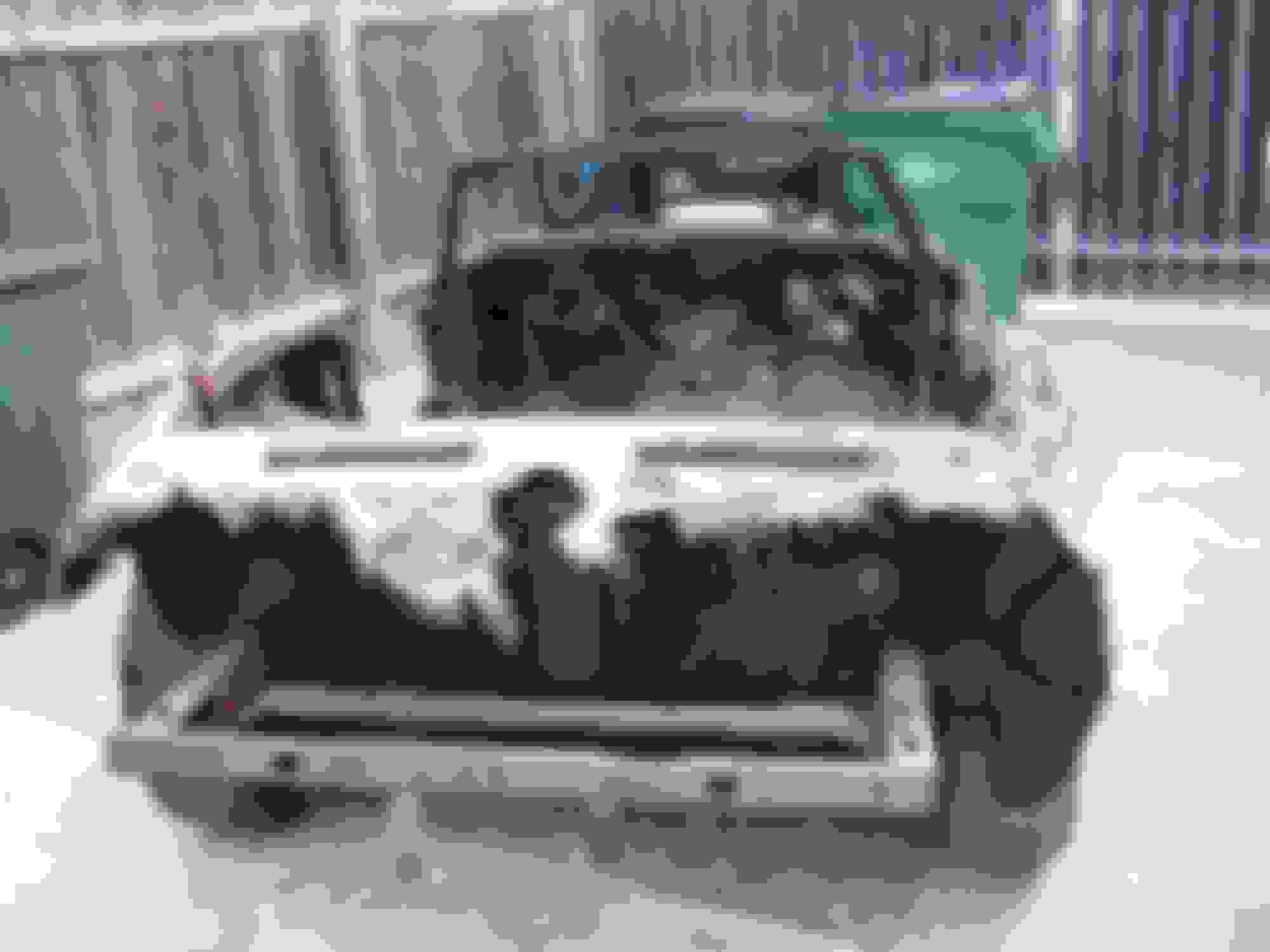
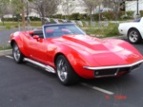
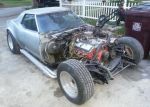
one of my C3 I built from a fire burnt up, it was gutted 100%
I had nothing for Fiber-optics,
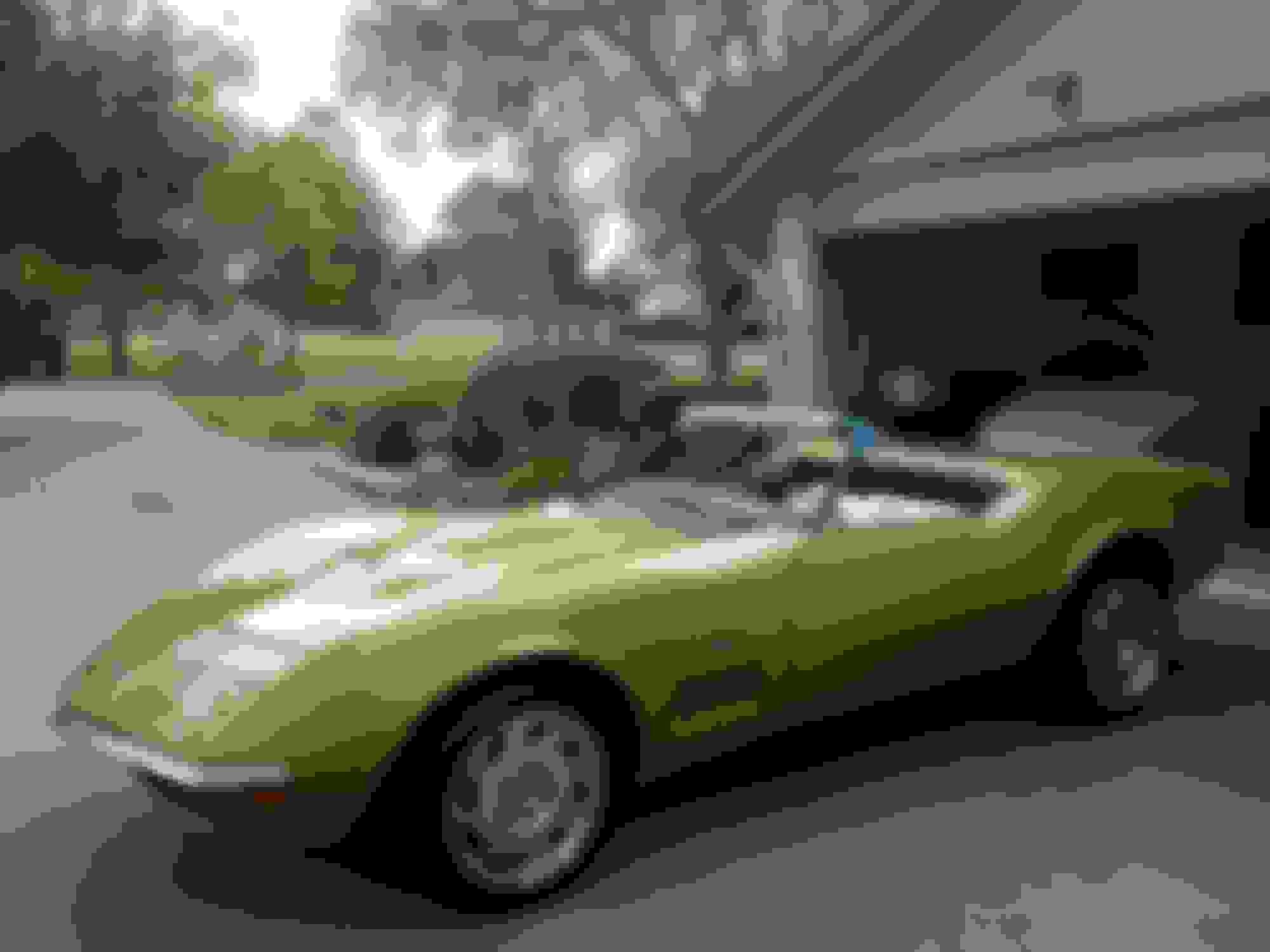
on this car I retrofitted the the bezels with Leds, they are much brighter and still have the cool factor,
but only indicate not actually monitor.
before:
After:
Designer Imagines A Corvette That Looks More Like a Corvette Than the Corvette
Slideshow: A Jaguar designer's personal project imagines what a modern front-engined Corvette might look like if Chevrolet revisited the golden age of the Stingray.






 Why the optics lights?










 The fiber optic system works very well. You can check them very easily without even having your electrical system connected. Take the len(s) off and have someone shine a flashlight on the optical sender at each station. If there are no breaks in the system, you should see illumination at the console. I have read that the fiber optic system as well as the velcro attachments for the interior door panels were engineered for the space program in the 60s. Jerry






 Vehicles have been using that since cars were put on the road.