




Spinning to 7k

Safety Car


Joined: Sep 2001
Posts: 4,157
Likes: 554
From: Glenbeulah Wi

Okay so I just want to find out a few things here. On an L98 bottom end, this does not include the TPI intake, is it possible to go to 7k RPMs safely with some modifications? What is needed? I have heard somethings about the rod bolts being the ones that go first, and the main cap bolts being the ones that cause the engine to shake itself apart. So I'm just wondering, how true is this? Because we all know you don't need forged internals and all that jazz to get to 7k, the ricers do it and some times can't even handle 300 hp, but they can get to 7k.
Would you need a better oil pump? Bigger oil pan?
Just for education here. Thanks!
Would you need a better oil pump? Bigger oil pan?
Just for education here. Thanks!
A stock SBC will take 6000 RPM for a long time with short bursts to that RPM but 7000 RPM is a whole other situation. Going from 6000 RPM to 7000 RPM increases the load on the whole rotating assembly by 36%. (Force increase by the square of the speed change)

Le Mans Master


Joined: Sep 2013
Posts: 6,192
Likes: 750
From: near the thumb in the mitten
One thing not mentioned so far is the need for floating piston pin type pistons. When pressed pin pistons spin 6k+ on a regular basis regardless of L4 or V8 the pins want to "walk" in the rod. A loud exhaust can hide the noise or it's noticed .... "but what is it" ...eventually you know when rod exits block. 7k in the old days was because of the 4.10 + gear ratios we ran, turning 3500 cruising on the highway, 10 mpg or less was acceptable, those days have past I think
Safety Car
Joined: Sep 2001
Posts: 4,157
Likes: 554
From: Glenbeulah Wi
One thing not mentioned so far is the need for floating piston pin type pistons. When pressed pin pistons spin 6k+ on a regular basis regardless of L4 or V8 the pins want to "walk" in the rod. A loud exhaust can hide the noise or it's noticed .... "but what is it" ...eventually you know when rod exits block. 7k in the old days was because of the 4.10 + gear ratios we ran, turning 3500 cruising on the highway, 10 mpg or less was acceptable, those days have past I think

Le Mans Master

Joined: May 2004
Posts: 5,386
Likes: 534

I remember reading an article titled, "Siren Song of RPM". It pretty much discouraged people from trying to crank 7K rpm on their engines. The LS7 is touted as having a 7K rpm redline but even it doesn't make its power all the way up there.....and that's 7 liters of push with some great flowing heads and Ti rods from the factory. So super strong, super light bottom end matched with great flow numbers and still not a reason to wind up to 7K rpm. The more I read, the more I see the only engines worth winding up that high are solid rollers.
I'm guilty of lusting after 7K rpm bragging rights with a build but I realize it's amazing how much the game changes in a span of 500-1000 additional rpm to get to 7K. As long as it can rip past 6 to maybe 6300-6400 would make me happy. I've heard of some guys buzzing their hydraulic rollers up to 6700 rpm or so with top shelf parts but it isn't a regular thing and man, that is getting too risky, to me.
Last edited by 1985 Corvette; Feb 12, 2014 at 12:04 PM.

Burning Brakes


Joined: Mar 2012
Posts: 769
Likes: 22
From: California
FL Events Coordinator
St. Jude Donor'13
AFR probably built an engine, or had one built, that was 100% perfect for those springs for them to handle the 6800 rpm's. As in the perfect camshaft, crank, rods, pistons, and all the other stuff.
I am not saying you are wrong and they are right, or even that I am right cause it is very likely that I could be wrong.

Advanced

Joined: Jan 2009
Posts: 82
Likes: 1
From: Melville NY
WHY?
I had a 420WHP wrx that I built and tuned on my own (gt35r@26psi). I could pull 7600rpm, but it stopped making power up there.
There are very limited reasons for wanting to spin so high in a car that has such a broad powerband.
I had a 420WHP wrx that I built and tuned on my own (gt35r@26psi). I could pull 7600rpm, but it stopped making power up there.
There are very limited reasons for wanting to spin so high in a car that has such a broad powerband.

Instructor
Joined: Aug 2013
Posts: 156
Likes: 1
From: Springfield MA
Corvette Stories
The Best of Corvette for Corvette Enthusiasts

Top 10 Most Expensive Corvettes Ever Sold on Bring A Trailer
Brett Foote
10 Things Every Corvette Owner Needs (2026 Edition)
Michael S. Palmer
8 Most "Only Corvette Owners Understand" Quirks and Problems
Pouria Savadkouei
10 Reasons the C6 Z06 is Still A Performance Benchmark After 20 Years
Joe Kucinski
How Much Horsepower Every Corvette Engine "LOST" in 1972
Joe Kucinski
Top 10 DOs and DON'Ts for Protecting Your Convertible Top!
Michael S. Palmer
Top 10 Most Explosive Corvettes Ever Made: Power-to-Weight Ratio Ranked!
Joe Kucinski
150 hp to 1,250 hp: Every Corvette Generation Compared by the Specs That Matter
Joe Kucinski
8 Coolest Corvette Pace Cars (and Replicas) of All Time
Verdad Gallardo
Race Director


Joined: Jan 2005
Posts: 10,641
Likes: 13
From: Slidell Louisiana
Here's PDC to 7K with an LT1 however, I wouldn't dream of doing in on a stock short block. Especially if you plan on doing it more than once.
That engine is still alive its my daily driver.

That engine is still alive its my daily driver.
Race Director
Joined: Jan 2005
Posts: 10,641
Likes: 13
From: Slidell Louisiana
Here's same engine a couple years later..
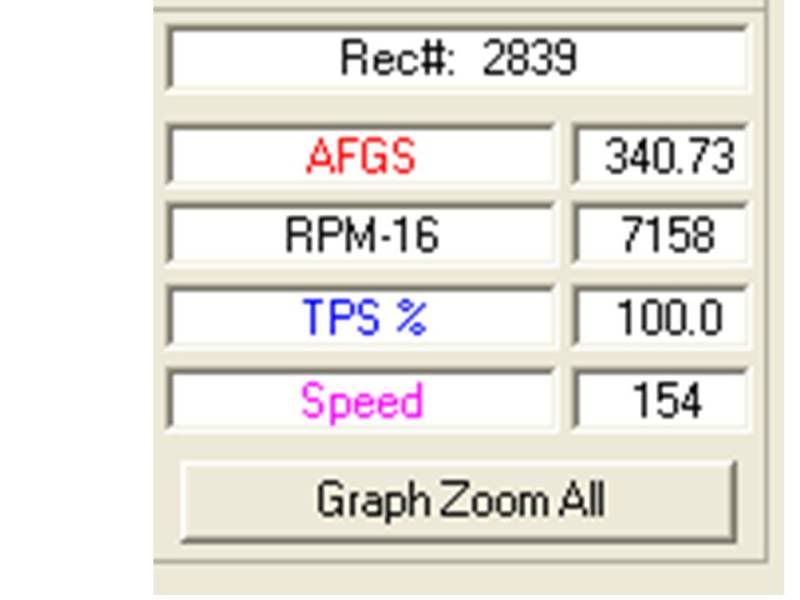
So it can be reliably done, but not with a stock SBC and its really not that expensive to do, if you find the right guys. (guys = machinist for bottom end, the head porter/camshaft/valve train specs guy and the tuner).
The oh buy the ways are going to be the budget killer. For example if you are spinning the engine like I do... SFI rated flex plate is a prudent purchase, so is a well balanced rotating assembly.
When I started my mods C4s were the bang for the buck performance vehicle. If I were to do it now I'd start with an early C6 or a later C5 Z06.
Mike
So it can be reliably done, but not with a stock SBC and its really not that expensive to do, if you find the right guys. (guys = machinist for bottom end, the head porter/camshaft/valve train specs guy and the tuner).
The oh buy the ways are going to be the budget killer. For example if you are spinning the engine like I do... SFI rated flex plate is a prudent purchase, so is a well balanced rotating assembly.
When I started my mods C4s were the bang for the buck performance vehicle. If I were to do it now I'd start with an early C6 or a later C5 Z06.
Mike
Race Director
Joined: Jan 2005
Posts: 10,641
Likes: 13
From: Slidell Louisiana
I think what he is trying to say is that for those springs to get to 6800 rpm's then it would have to have the perfect combination.
AFR probably built an engine, or had one built, that was 100% perfect for those springs for them to handle the 6800 rpm's. As in the perfect camshaft, crank, rods, pistons, and all the other stuff.
I am not saying you are wrong and they are right, or even that I am right cause it is very likely that I could be wrong.
AFR probably built an engine, or had one built, that was 100% perfect for those springs for them to handle the 6800 rpm's. As in the perfect camshaft, crank, rods, pistons, and all the other stuff.
I am not saying you are wrong and they are right, or even that I am right cause it is very likely that I could be wrong.

Big difference in having a spring that can control mild ramped .500 lift cam at 7000 from the spring trying to handle an aggressive lobed cam with a .700 lift (both lifts are at the valve)
Or as the devil's advocate I'm certain those springs will handle a zero lift cam at 11,000 rpm


Melting Slicks

Joined: Mar 2008
Posts: 2,141
Likes: 76
From: Santa Maria, CA
The AFR web site states that hydraulic roller cams can experience valve float at 6200-6400 RPM. They recommend upgrading the springs for higher RPMs. So the basic 195 head is not intended for 6800 RPM.
The thing nobody has really mentioned is balancing. A stock rotating assembly is not balanced to the degree you would want for high RPMs.
The thing nobody has really mentioned is balancing. A stock rotating assembly is not balanced to the degree you would want for high RPMs.