






Ebcm fixing???

Former Vendor
Joined: Nov 2005
Posts: 11,792
Likes: 255
From: Ossining New York
St. Jude Donor '07-'08-'09-'10-'12-'13-'14

Thread Starter
Heel & Toe

Joined: Mar 2016
Posts: 24
Likes: 1

I was able to get into contact with Marc at vettenuts. he does have some broken units but those units are still valuable for parts. I am still in search of broken unit to work on at a reasonable price.
I bumped my wanted add in the classifieds
I bumped my wanted add in the classifieds

Tech Contributor


Joined: Dec 1999
Posts: 32,910
Likes: 2,402
From: Anthony TX
CI 6,7,8,9,11 Vet
St. Jude Donor '08
OK BUD,,,,,,,,,,,,,,,, Here are the FACTS:
1. You have a A LOT of issues that have NOTHING to do with the EBTCM its self. You MUST fix those before you worry about the Module
28-TCS - Traction Control System
C1226 LF Excessive Wheel Speed Variation ( You either have a bad JUMPER HARNESS, bad female pin or a bad Wheel Speed Sensor inside the LF HUB Assy.)
C1243 BPMV Pump Motor Stalled (Can NORMALLY be resolved by making the BPMV Motor RUN by either jumping 12 VDC or using a GM Tech 2.)
C1255 EBTCM Internal Malfunction ( Fix the other issues and then MAKE SURE that you have PROPER BATTERY VOLTAGE and ALL of the FUSES that supply the EBTCM POWER are receiving FULL BATTERY VOLTAGE from the source that supplies it. NOTE. SOME of the fuses are supplied by the (HOT in RUN and Start) buss supplied by the IGNITION SWITCH.
Read this post and you will understand what I getting at. You may have improper voltage being supplied to the module:
- C5 ignition Switch repair - http://forums.corvetteforum.com/c5-t...ch-repair.html
Once you conquer ALL the other EBTCM/BPMV issue, then worry about the 1255 DTC. It may clear and not return.
IF,,,,, IT DOES NOT CLEAR, its usually the KISS OF DEATH for the module. There is a microprocessor under the printed circuit board. Its a ceramic type board and the ICs are fused to the board and CAN NOT be replaced or repaired. Even if you could remove the processor, LIKE IT WAS PREVIOUSLY STATED,,, You can NOT program a new processor with the info that is needed to properly operate the braking System.
HERE is a TELL ALL post that you need:
- EBTCM 97-2000- What’s Inside?? http://forums.corvetteforum.com/c5-t...le-photos.html
If you read the ABOVE post and you STILL think you can do what NO ONE ELSE can do if the issues is on the lower processor board,,,,,,,, GOD BLESS YOU BROTHER!!! (Where's that BOW DOWN emoticon when you need it!!
Trust me,, If RonSSNova and a few of the other experts in that post gave up, it a LOST CAUSE.
I even contacted GM Corporate and talked to the engineer that deals with the EBTCM for C5. I asked him if there was a possibility that GM could sell the proprietary info & drawings for the EBTCM module to someone aftermarket so the C5 would have a SAFE DEPENDABLE BRAKING SYSTEM. His answer was: "Ill get back to you..." That was almost 5 years ago...... CRICKETS!
They don't care and wont care. That's how they sell C6s and C7s
So,,, WERE SCREWED!
Hey,,, You can always figure out how to change the EARLY C5 EBTCM/BPMV to a 2001-2004 Late model EBTCM/BPMV system...
That was a HOT topic a while back.
Bill
1. You have a A LOT of issues that have NOTHING to do with the EBTCM its self. You MUST fix those before you worry about the Module
28-TCS - Traction Control System
C1226 LF Excessive Wheel Speed Variation ( You either have a bad JUMPER HARNESS, bad female pin or a bad Wheel Speed Sensor inside the LF HUB Assy.)
C1243 BPMV Pump Motor Stalled (Can NORMALLY be resolved by making the BPMV Motor RUN by either jumping 12 VDC or using a GM Tech 2.)
C1255 EBTCM Internal Malfunction ( Fix the other issues and then MAKE SURE that you have PROPER BATTERY VOLTAGE and ALL of the FUSES that supply the EBTCM POWER are receiving FULL BATTERY VOLTAGE from the source that supplies it. NOTE. SOME of the fuses are supplied by the (HOT in RUN and Start) buss supplied by the IGNITION SWITCH.
Read this post and you will understand what I getting at. You may have improper voltage being supplied to the module:
- C5 ignition Switch repair - http://forums.corvetteforum.com/c5-t...ch-repair.html
Once you conquer ALL the other EBTCM/BPMV issue, then worry about the 1255 DTC. It may clear and not return.
IF,,,,, IT DOES NOT CLEAR, its usually the KISS OF DEATH for the module. There is a microprocessor under the printed circuit board. Its a ceramic type board and the ICs are fused to the board and CAN NOT be replaced or repaired. Even if you could remove the processor, LIKE IT WAS PREVIOUSLY STATED,,, You can NOT program a new processor with the info that is needed to properly operate the braking System.
HERE is a TELL ALL post that you need:
- EBTCM 97-2000- What’s Inside?? http://forums.corvetteforum.com/c5-t...le-photos.html
If you read the ABOVE post and you STILL think you can do what NO ONE ELSE can do if the issues is on the lower processor board,,,,,,,, GOD BLESS YOU BROTHER!!! (Where's that BOW DOWN emoticon when you need it!!
Trust me,, If RonSSNova and a few of the other experts in that post gave up, it a LOST CAUSE.
I even contacted GM Corporate and talked to the engineer that deals with the EBTCM for C5. I asked him if there was a possibility that GM could sell the proprietary info & drawings for the EBTCM module to someone aftermarket so the C5 would have a SAFE DEPENDABLE BRAKING SYSTEM. His answer was: "Ill get back to you..."
That was almost 5 years ago...... CRICKETS! They don't care and wont care. That's how they sell C6s and C7s
So,,, WERE SCREWED!
Hey,,, You can always figure out how to change the EARLY C5 EBTCM/BPMV to a 2001-2004 Late model EBTCM/BPMV system...
That was a HOT topic a while back.
Bill
Tech Contributor
Joined: Dec 1999
Posts: 32,910
Likes: 2,402
From: Anthony TX
CI 6,7,8,9,11 Vet
St. Jude Donor '08
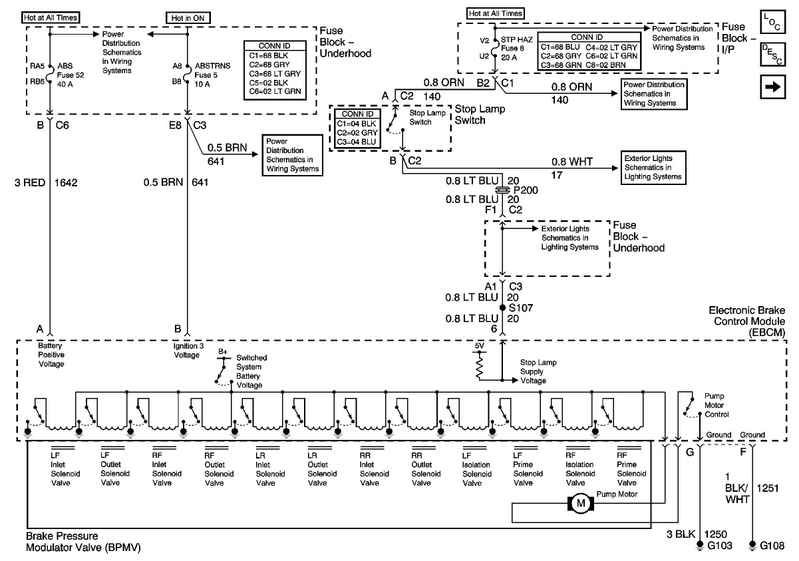
Here is the Schematic that you can use to check the power to the FUSES. NOTE the (HOT in RUN) supply on MAXIFUSE #5
It should be FULL BATTERY VOLTAGE as measured on the battery terminals.
2000 C5 EBTCM Schematic (FRONT MOUNTED)
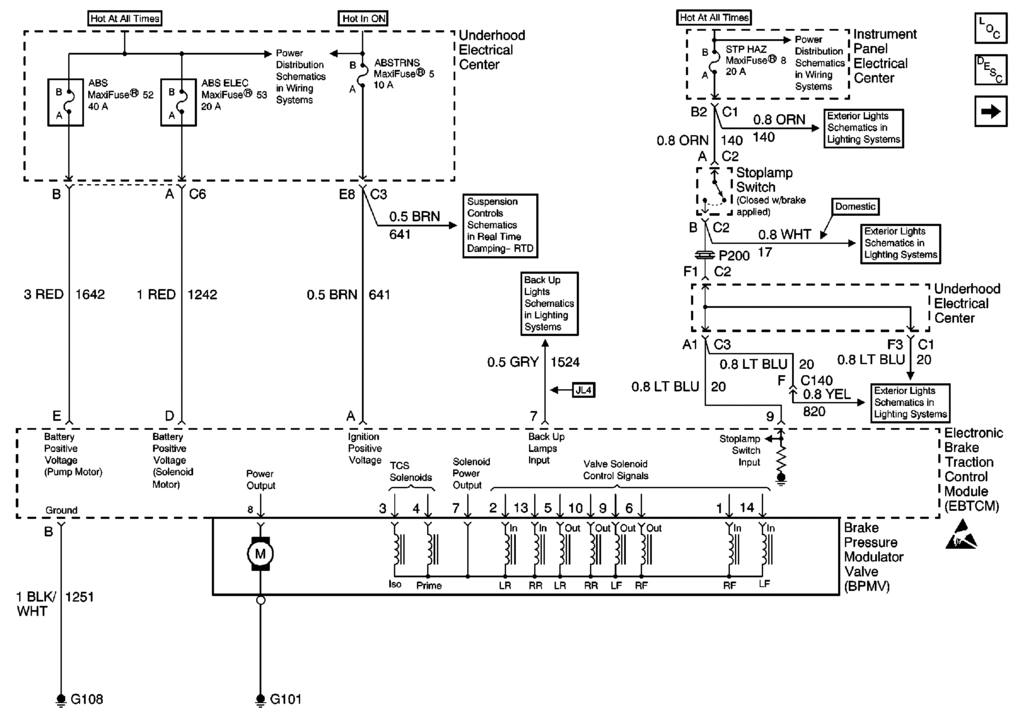
It should be FULL BATTERY VOLTAGE as measured on the battery terminals.
2000 C5 EBTCM Schematic (FRONT MOUNTED)
Last edited by Bill Curlee; Mar 23, 2016 at 05:17 PM.
Thread Starter
Heel & Toe
Joined: Mar 2016
Posts: 24
Likes: 1
Bill that was an awesome read. Thank You for linking that thread.
Update: Do you have the service manual page that shows how the hub speed sensors are fed into the unit?
I failed to provide an update to My Boss's C5, sorry about that. He cleaned the corrosion from the chassis ground connector and said he has not experienced any errors after a couple of drives. Fingers crossed.
As to the repair. Even if I cannot fix the unit. I still would like to have one to try and depot and make a schematic from. If the board is multi layer. I could have the machine shop mill down the housing and then x-ray the substrate at work to get the internal traces. Someone has to have one of these on a shelf somewhere.
Update: Do you have the service manual page that shows how the hub speed sensors are fed into the unit?
I failed to provide an update to My Boss's C5, sorry about that. He cleaned the corrosion from the chassis ground connector and said he has not experienced any errors after a couple of drives. Fingers crossed.
As to the repair. Even if I cannot fix the unit. I still would like to have one to try and depot and make a schematic from. If the board is multi layer. I could have the machine shop mill down the housing and then x-ray the substrate at work to get the internal traces. Someone has to have one of these on a shelf somewhere.
Last edited by Wayne Wonder; Mar 23, 2016 at 09:43 PM.
Tech Contributor
Joined: Dec 1999
Posts: 32,910
Likes: 2,402
From: Anthony TX
CI 6,7,8,9,11 Vet
St. Jude Donor '08
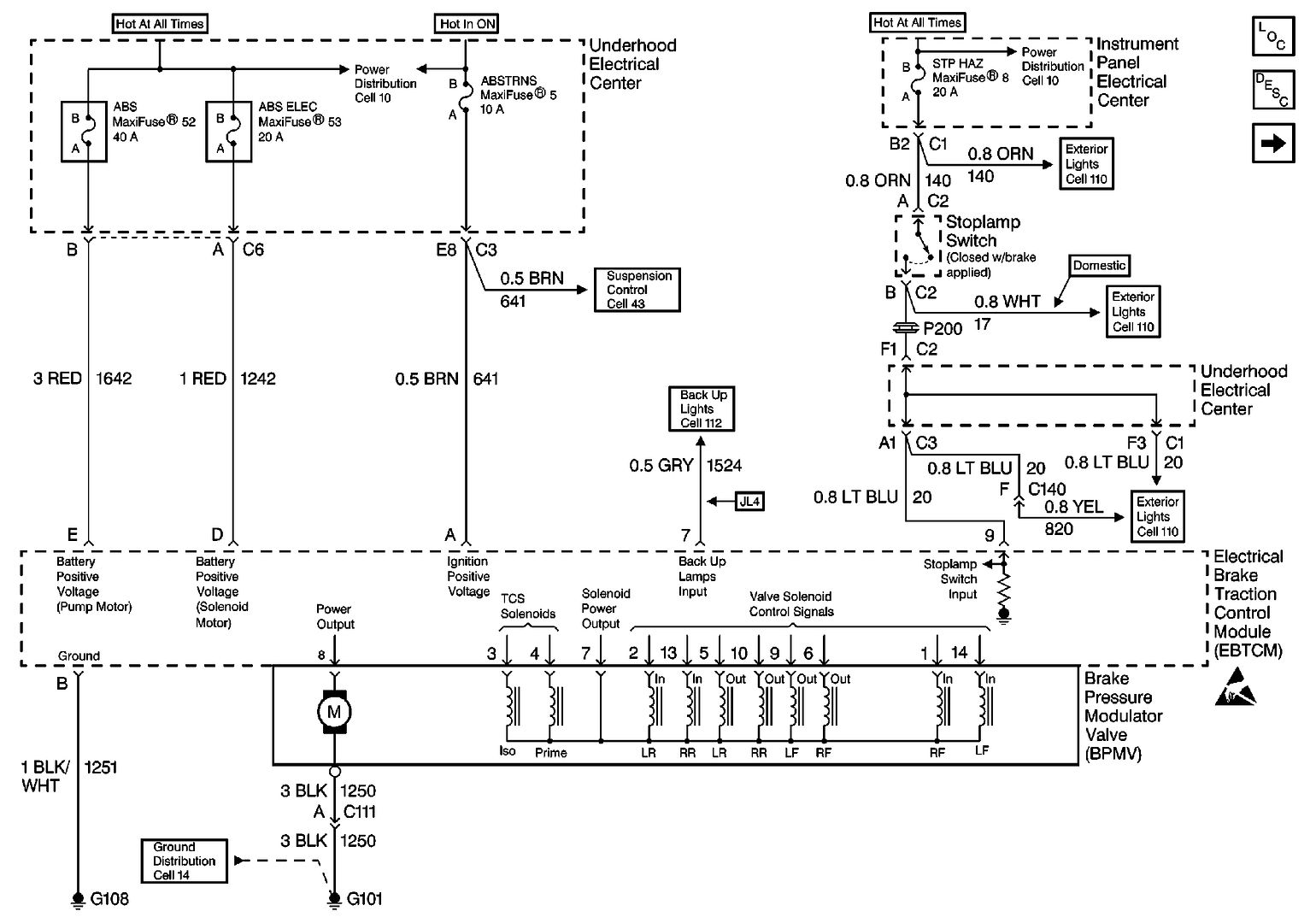
Well,, If your going to PLAY, you will need to know that the 97 & EARLY 98 C5 could have a REAR MOUNTED EBTCM and this schematic applies:

Its an entire different bird!
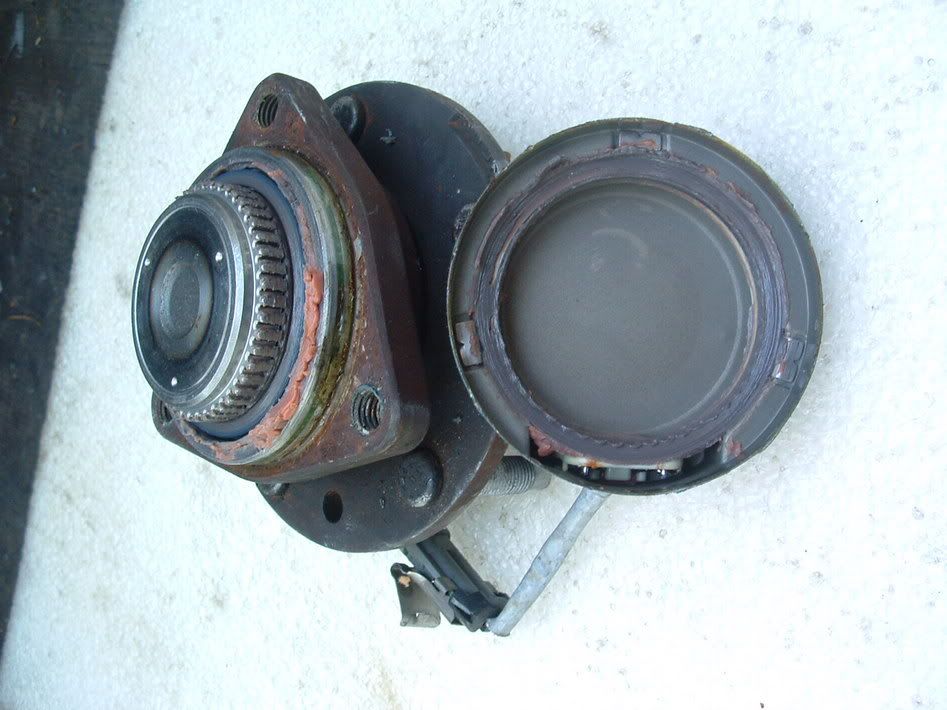
Here is what's inside the Wheel HUB and functions as a WSS:
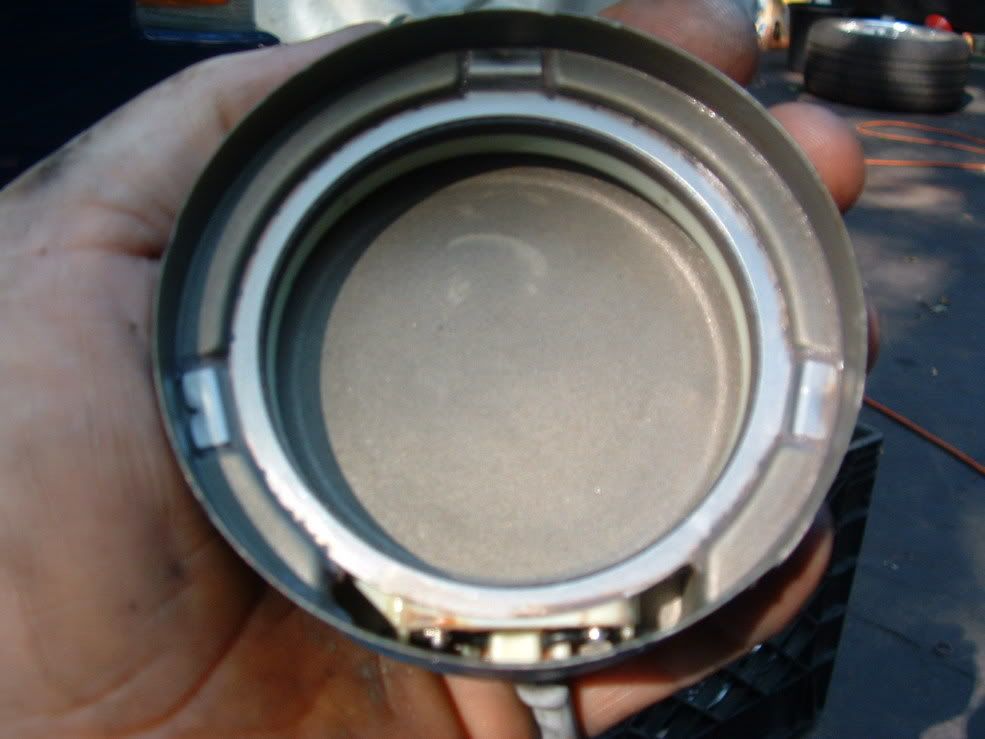
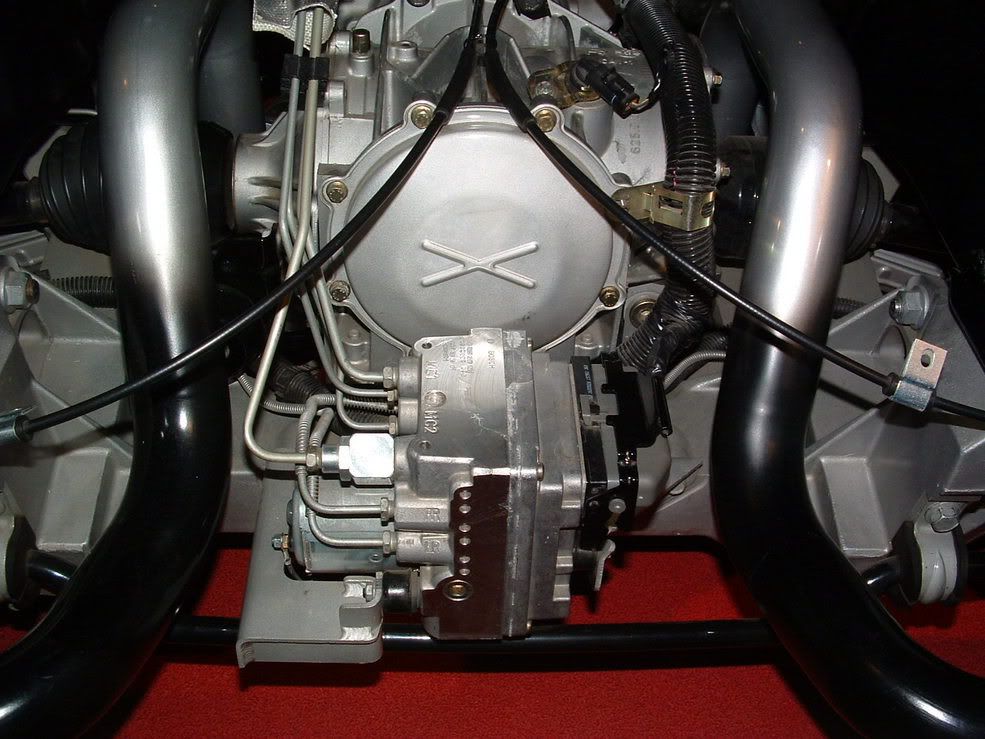
Some more early EBTCM Picts::
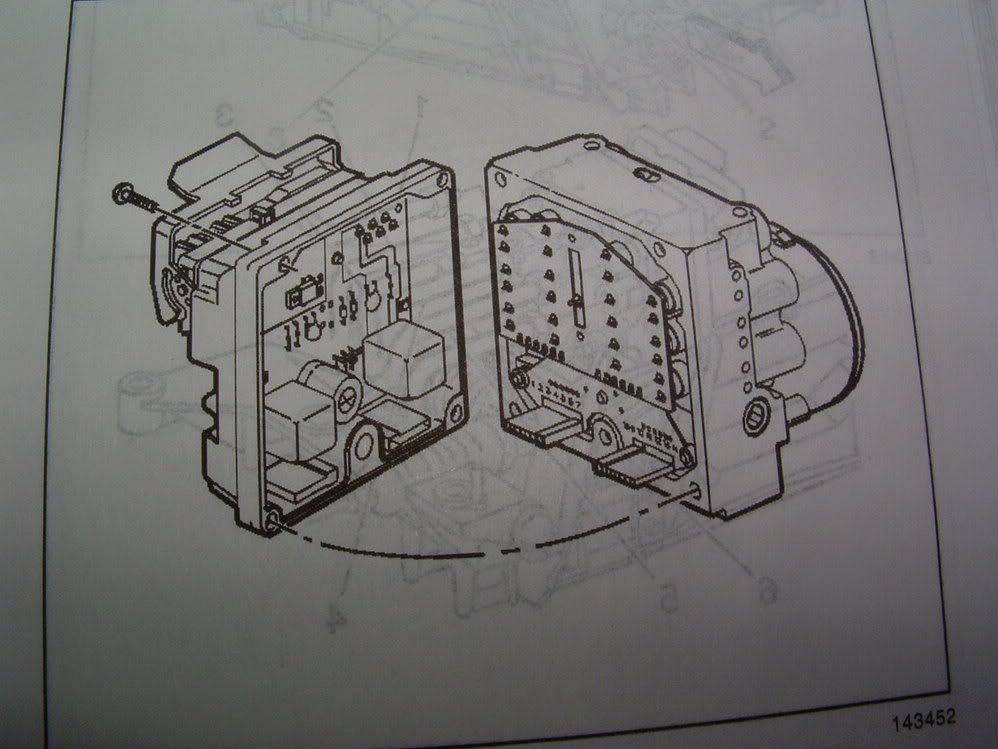
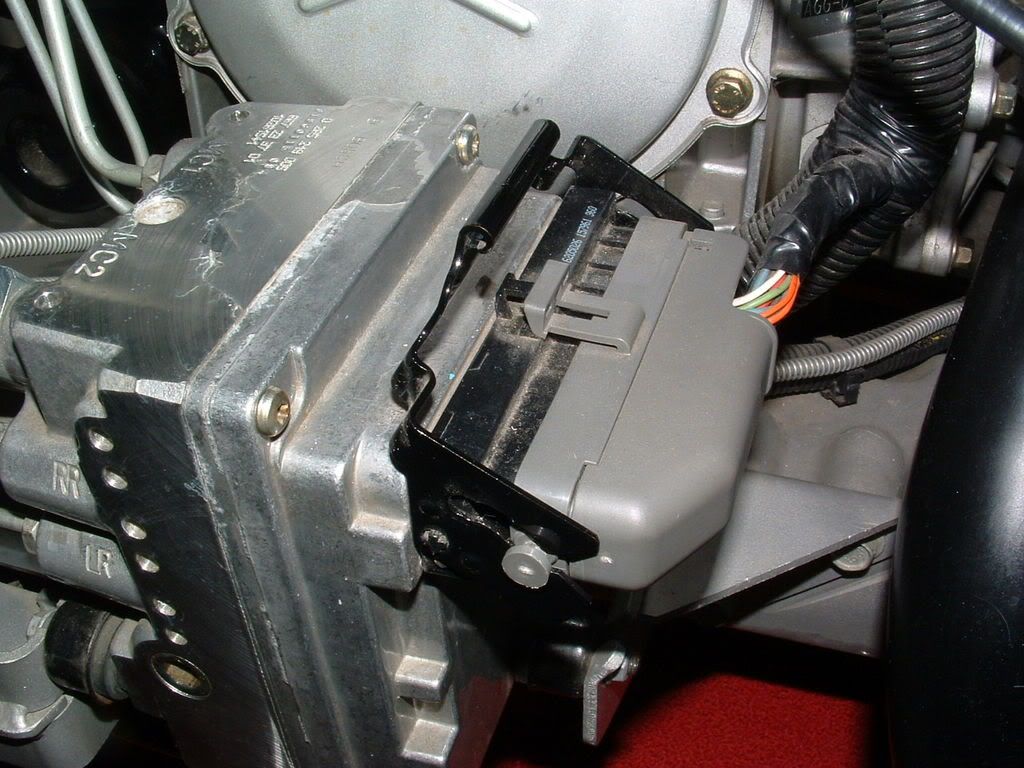
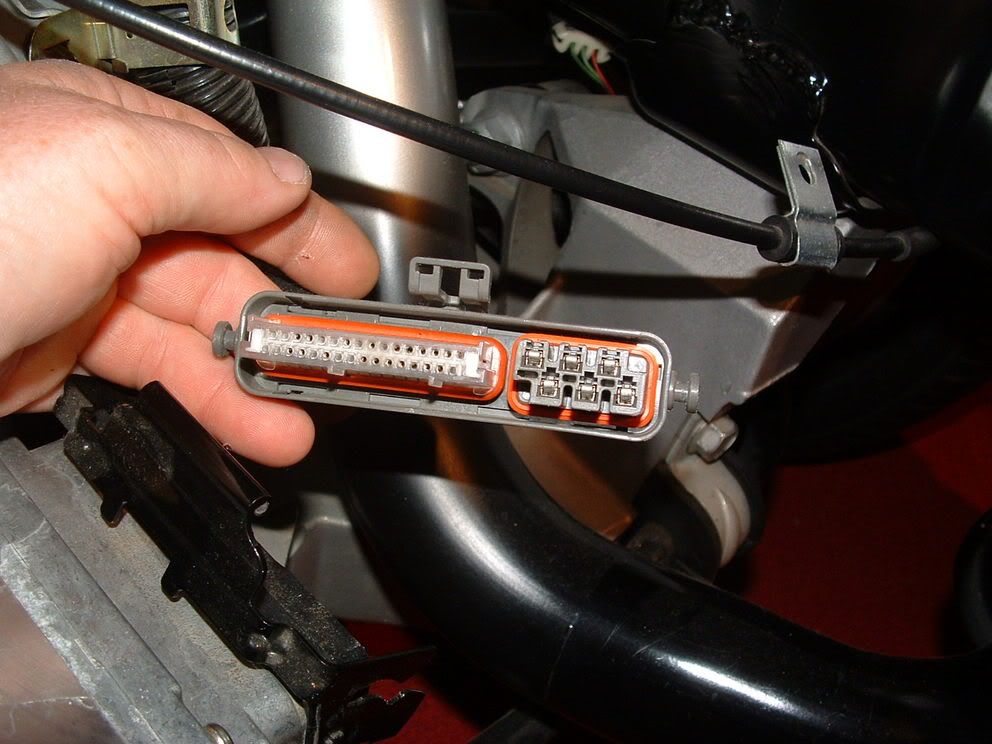
I don't have an early C5 WSS Schematic that I can post.
Bill
Here is a LATE MODEL 2001+ EBTCM and the WSS Schematic if your interested:

Its an entire different bird!
Here is what's inside the Wheel HUB and functions as a WSS:
Some more early EBTCM Picts::
I don't have an early C5 WSS Schematic that I can post.
Bill
Here is a LATE MODEL 2001+ EBTCM and the WSS Schematic if your interested:
Corvette Stories
The Best of Corvette for Corvette Enthusiasts

Top 10 Most Expensive Corvettes Ever Sold on Bring A Trailer
Brett Foote
10 Things Every Corvette Owner Needs (2026 Edition)
Michael S. Palmer
8 Most "Only Corvette Owners Understand" Quirks and Problems
Pouria Savadkouei
10 Reasons the C6 Z06 is Still A Performance Benchmark After 20 Years
Joe Kucinski
How Much Horsepower Every Corvette Engine "LOST" in 1972
Joe Kucinski
Top 10 DOs and DON'Ts for Protecting Your Convertible Top!
Michael S. Palmer
Top 10 Most Explosive Corvettes Ever Made: Power-to-Weight Ratio Ranked!
Joe Kucinski
150 hp to 1,250 hp: Every Corvette Generation Compared by the Specs That Matter
Joe Kucinski
8 Coolest Corvette Pace Cars (and Replicas) of All Time
Verdad Gallardo
Safety Car


Joined: Feb 2014
Posts: 3,804
Likes: 323
From: Fort Worth Texas
2017 Corvette of Year Finalist
2016 C5 of the Year

Thread Starter
Heel & Toe
Joined: Mar 2016
Posts: 24
Likes: 1
All this info is awesome. I wonder if I or we would be able to make a simulator that can feed this thing the signals it needs for a development platform? That would allow the CAN? if it uses CAN bus messages to be read and possibly decoded.

Tech Contributor
Joined: Dec 1999
Posts: 32,910
Likes: 2,402
From: Anthony TX
CI 6,7,8,9,11 Vet
St. Jude Donor '08
C5 Only uses a SERIAL DATA BUSS for comms.. Single wire connects all the modules.

Melting Slicks


Joined: Nov 2014
Posts: 3,399
Likes: 1,339
From: Havre de Grace Maryland
[
I even contacted GM Corporate and talked to the engineer that deals with the EBTCM for C5. I asked him if there was a possibility that GM could sell the proprietary info & drawings for the EBTCM module to someone aftermarket so the C5 would have a SAFE DEPENDABLE BRAKING SYSTEM. His answer was: "Ill get back to you..." That was almost 5 years ago...... CRICKETS!
Maybe if one of the after market manufacturing crowd that does corvette stuff would contact GM and ask the same question as Bill did, whether GM would have the same response now. Although the law says manufactures have a 10 year responsibility for parts, in light of the current AIR BAG issue and the KEY LOCK suits involving safety issues making headlines, possibly there is a different tone in GM.
I even contacted GM Corporate and talked to the engineer that deals with the EBTCM for C5. I asked him if there was a possibility that GM could sell the proprietary info & drawings for the EBTCM module to someone aftermarket so the C5 would have a SAFE DEPENDABLE BRAKING SYSTEM. His answer was: "Ill get back to you..."
That was almost 5 years ago...... CRICKETS! Maybe if one of the after market manufacturing crowd that does corvette stuff would contact GM and ask the same question as Bill did, whether GM would have the same response now. Although the law says manufactures have a 10 year responsibility for parts, in light of the current AIR BAG issue and the KEY LOCK suits involving safety issues making headlines, possibly there is a different tone in GM.
Thread Starter
Heel & Toe
Joined: Mar 2016
Posts: 24
Likes: 1
[
I even contacted GM Corporate and talked to the engineer that deals with the EBTCM for C5. I asked him if there was a possibility that GM could sell the proprietary info & drawings for the EBTCM module to someone aftermarket so the C5 would have a SAFE DEPENDABLE BRAKING SYSTEM. His answer was: "Ill get back to you..." That was almost 5 years ago...... CRICKETS!
Maybe if one of the after market manufacturing crowd that does corvette stuff would contact GM and ask the same question as Bill did, whether GM would have the same response now. Although the law says manufactures have a 10 year responsibility for parts, in light of the current AIR BAG issue and the KEY LOCK suits involving safety issues making headlines, possibly there is a different tone in GM.
I even contacted GM Corporate and talked to the engineer that deals with the EBTCM for C5. I asked him if there was a possibility that GM could sell the proprietary info & drawings for the EBTCM module to someone aftermarket so the C5 would have a SAFE DEPENDABLE BRAKING SYSTEM. His answer was: "Ill get back to you..."
That was almost 5 years ago...... CRICKETS! Maybe if one of the after market manufacturing crowd that does corvette stuff would contact GM and ask the same question as Bill did, whether GM would have the same response now. Although the law says manufactures have a 10 year responsibility for parts, in light of the current AIR BAG issue and the KEY LOCK suits involving safety issues making headlines, possibly there is a different tone in GM.
Tech Contributor
Joined: Dec 1999
Posts: 32,910
Likes: 2,402
From: Anthony TX
CI 6,7,8,9,11 Vet
St. Jude Donor '08
A while back, the FORUM started a series that hopefully allowed GM to answer some long standing questions. So the "ASK TADGE" series started. BOY,,, you can BET that one of the very first request was for him to address the C5 EBTCM and SWPS lack of Support... jdvann, I and a few others had similar questions asked: So friends, here is what was provided as an answer:
It is #3 in the string of answers:
https://www.corvetteforum.com/forums...er-thread.html
By now everyone knows there are some critical components that are now unavailable for the 97-2000 model cars, specifically the EBCTM(Brake Control Module) and the Steering Wheel Position Sensor. Is there anything GM can do to make a run of these rare parts? Or convince someone in the aftermarket too? One other option to explore here is to provide a way to update the obsolete components to the newer system?
Thanks in advance.
Quote:
Tadge answered
I have been personally involved with a number of customers (and GM employee owners - no, there is no special stash of parts we keep for ourselves!) and the challenges they have had finding replacement parts, particularly electronic components. The auto industry is unusual compared to most consumer products in that we have longer warranties and maintain replacement part inventories far, far longer than other products. My home is filled with products I have loved but are rendered useless because I can't get a replacement part. I have an expensive Canon SLR camera that doesn't work because the power switch broke and is unavailable. My beloved stereo receiver sits useless in the basement because the transformer blew and I can't get another. Ditto a 5 year old computer, a 2 year old microwave oven and lots of other stuff! I know this doesn't compare to a Corvette, but I have great empathy for folks trying to keep their cars in perfect working order and understand how frustrating it can be when one small part can't be replaced.
As a company we attempt to maintain parts availability for 10 years after the last production use of a particular part. So as a car goes out of production, our service department looks to see which parts will continue in production vs which will no longer be used by other cars. For those that are going out of production, based on our replacement history, an estimate is made on what the ongoing demand will be for that part. We try to be conservative and err on the side of a bigger inventory. We then make a "lifetime buy" of those components to stockpile in inventory. GM pays for all of the parts upfront, then pays for individual packaging and the warehousing costs until all the parts are sold. For many parts the inventory is never sold out and it is a big loss for us. That is why we can't afford to buy 20, 30 or more years of inventory. Also, parts deteriorate with time even when properly stored so they have a finite "shelf life" and eventually have to be scrapped. Sometimes the demand for the parts exceeds our estimate and the inventory is depleted in less than our 10 year goal. Some people, realizing a part is becoming scarce, will buy up our inventory of parts hoping to resell them at exorbitant prices.
I know some of the C5 electronic components are very scarce. I have personally inquired as to what it would take to do another production run to supply the market. We, GM, are more than willing to share the technical information we own to enable any willing supplier to go into the business of producing those parts. For electronics, which evolve very fast, this turns out to be impossible. No one makes some of the individual components anymore, the supplier with the knowledge of how to do it has gone out of business. Even if they were in business, the parts were made on expensive machinery that is no longer available controlled by software written in a language no one uses today. The startup costs to recreate a 1990's electronics assembly process would be astronomical and there would be no way to recoup those costs through the resulting parts sales (each part would have to cost more than the car is worth). So, no, we haven't been able to convince anyone in the aftermarket to take it on.
OK, why don't we engineer new solutions that use modern components to solve the problem? Well, that too would be enormously expensive and filled with uncertainty. We have our hands full engineering cars that work well for years with all new parts. Re-engineering a new part to be compatible with a variety of old parts in unknown conditions would be unreliable and economically impractical. Also, where do we draw the line? Should we stop at C5? Or should we go back to C4? C3? There are few engineers and little documentation still existing that would give us a starting point for such an effort. We count on the aftermarket to supply vintage parts. Where there is a good market opportunity, you see a healthy supply, where the economics are nonviable, the parts get scarce. I have many friends in the Corvette community who are facing this challenge. Trust me, If I could do something to fix it I would have already done it.
The one good thing that has come out for this experience on Corvette is that, going forward, we are going to take a closer look at parts that are hard to replicate and a have long shelf life. For those special parts, we will plan for a longer inventory horizon than 10 years.
Tadge
It is #3 in the string of answers:
https://www.corvetteforum.com/forums...er-thread.html
By now everyone knows there are some critical components that are now unavailable for the 97-2000 model cars, specifically the EBCTM(Brake Control Module) and the Steering Wheel Position Sensor. Is there anything GM can do to make a run of these rare parts? Or convince someone in the aftermarket too? One other option to explore here is to provide a way to update the obsolete components to the newer system?
Thanks in advance.
Quote:
Tadge answered
I have been personally involved with a number of customers (and GM employee owners - no, there is no special stash of parts we keep for ourselves!) and the challenges they have had finding replacement parts, particularly electronic components. The auto industry is unusual compared to most consumer products in that we have longer warranties and maintain replacement part inventories far, far longer than other products. My home is filled with products I have loved but are rendered useless because I can't get a replacement part. I have an expensive Canon SLR camera that doesn't work because the power switch broke and is unavailable. My beloved stereo receiver sits useless in the basement because the transformer blew and I can't get another. Ditto a 5 year old computer, a 2 year old microwave oven and lots of other stuff! I know this doesn't compare to a Corvette, but I have great empathy for folks trying to keep their cars in perfect working order and understand how frustrating it can be when one small part can't be replaced.
As a company we attempt to maintain parts availability for 10 years after the last production use of a particular part. So as a car goes out of production, our service department looks to see which parts will continue in production vs which will no longer be used by other cars. For those that are going out of production, based on our replacement history, an estimate is made on what the ongoing demand will be for that part. We try to be conservative and err on the side of a bigger inventory. We then make a "lifetime buy" of those components to stockpile in inventory. GM pays for all of the parts upfront, then pays for individual packaging and the warehousing costs until all the parts are sold. For many parts the inventory is never sold out and it is a big loss for us. That is why we can't afford to buy 20, 30 or more years of inventory. Also, parts deteriorate with time even when properly stored so they have a finite "shelf life" and eventually have to be scrapped. Sometimes the demand for the parts exceeds our estimate and the inventory is depleted in less than our 10 year goal. Some people, realizing a part is becoming scarce, will buy up our inventory of parts hoping to resell them at exorbitant prices.
I know some of the C5 electronic components are very scarce. I have personally inquired as to what it would take to do another production run to supply the market. We, GM, are more than willing to share the technical information we own to enable any willing supplier to go into the business of producing those parts. For electronics, which evolve very fast, this turns out to be impossible. No one makes some of the individual components anymore, the supplier with the knowledge of how to do it has gone out of business. Even if they were in business, the parts were made on expensive machinery that is no longer available controlled by software written in a language no one uses today. The startup costs to recreate a 1990's electronics assembly process would be astronomical and there would be no way to recoup those costs through the resulting parts sales (each part would have to cost more than the car is worth). So, no, we haven't been able to convince anyone in the aftermarket to take it on.
OK, why don't we engineer new solutions that use modern components to solve the problem? Well, that too would be enormously expensive and filled with uncertainty. We have our hands full engineering cars that work well for years with all new parts. Re-engineering a new part to be compatible with a variety of old parts in unknown conditions would be unreliable and economically impractical. Also, where do we draw the line? Should we stop at C5? Or should we go back to C4? C3? There are few engineers and little documentation still existing that would give us a starting point for such an effort. We count on the aftermarket to supply vintage parts. Where there is a good market opportunity, you see a healthy supply, where the economics are nonviable, the parts get scarce. I have many friends in the Corvette community who are facing this challenge. Trust me, If I could do something to fix it I would have already done it.
The one good thing that has come out for this experience on Corvette is that, going forward, we are going to take a closer look at parts that are hard to replicate and a have long shelf life. For those special parts, we will plan for a longer inventory horizon than 10 years.
Tadge
Last edited by Bill Curlee; Mar 25, 2016 at 03:39 PM.

Intermediate
Joined: Dec 2012
Posts: 36
Likes: 0
From: Clarkston Michigan
A while back, the FORUM started a series that hopefully allowed GM to answer some long standing questions. So the "ASK TADGE" series started. BOY,,, you can BET that one of the very first request was for him to address the C5 EBTCM and SWPS lack of Support... jdvann, I and a few others had similar questions asked: So friends, here is what was provided as an answer:
It is #3 in the string of answers:
https://www.corvetteforum.com/forums...er-thread.html
By now everyone knows there are some critical components that are now unavailable for the 97-2000 model cars, specifically the EBCTM(Brake Control Module) and the Steering Wheel Position Sensor. Is there anything GM can do to make a run of these rare parts? Or convince someone in the aftermarket too? One other option to explore here is to provide a way to update the obsolete components to the newer system?
Thanks in advance.
Quote:
Tadge answered
I have been personally involved with a number of customers (and GM employee owners - no, there is no special stash of parts we keep for ourselves!) and the challenges they have had finding replacement parts, particularly electronic components. The auto industry is unusual compared to most consumer products in that we have longer warranties and maintain replacement part inventories far, far longer than other products. My home is filled with products I have loved but are rendered useless because I can't get a replacement part. I have an expensive Canon SLR camera that doesn't work because the power switch broke and is unavailable. My beloved stereo receiver sits useless in the basement because the transformer blew and I can't get another. Ditto a 5 year old computer, a 2 year old microwave oven and lots of other stuff! I know this doesn't compare to a Corvette, but I have great empathy for folks trying to keep their cars in perfect working order and understand how frustrating it can be when one small part can't be replaced.
As a company we attempt to maintain parts availability for 10 years after the last production use of a particular part. So as a car goes out of production, our service department looks to see which parts will continue in production vs which will no longer be used by other cars. For those that are going out of production, based on our replacement history, an estimate is made on what the ongoing demand will be for that part. We try to be conservative and err on the side of a bigger inventory. We then make a "lifetime buy" of those components to stockpile in inventory. GM pays for all of the parts upfront, then pays for individual packaging and the warehousing costs until all the parts are sold. For many parts the inventory is never sold out and it is a big loss for us. That is why we can't afford to buy 20, 30 or more years of inventory. Also, parts deteriorate with time even when properly stored so they have a finite "shelf life" and eventually have to be scrapped. Sometimes the demand for the parts exceeds our estimate and the inventory is depleted in less than our 10 year goal. Some people, realizing a part is becoming scarce, will buy up our inventory of parts hoping to resell them at exorbitant prices.
I know some of the C5 electronic components are very scarce. I have personally inquired as to what it would take to do another production run to supply the market. We, GM, are more than willing to share the technical information we own to enable any willing supplier to go into the business of producing those parts. For electronics, which evolve very fast, this turns out to be impossible. No one makes some of the individual components anymore, the supplier with the knowledge of how to do it has gone out of business. Even if they were in business, the parts were made on expensive machinery that is no longer available controlled by software written in a language no one uses today. The startup costs to recreate a 1990's electronics assembly process would be astronomical and there would be no way to recoup those costs through the resulting parts sales (each part would have to cost more than the car is worth). So, no, we haven't been able to convince anyone in the aftermarket to take it on.
OK, why don't we engineer new solutions that use modern components to solve the problem? Well, that too would be enormously expensive and filled with uncertainty. We have our hands full engineering cars that work well for years with all new parts. Re-engineering a new part to be compatible with a variety of old parts in unknown conditions would be unreliable and economically impractical. Also, where do we draw the line? Should we stop at C5? Or should we go back to C4? C3? There are few engineers and little documentation still existing that would give us a starting point for such an effort. We count on the aftermarket to supply vintage parts. Where there is a good market opportunity, you see a healthy supply, where the economics are nonviable, the parts get scarce. I have many friends in the Corvette community who are facing this challenge. Trust me, If I could do something to fix it I would have already done it.
The one good thing that has come out for this experience on Corvette is that, going forward, we are going to take a closer look at parts that are hard to replicate and a have long shelf life. For those special parts, we will plan for a longer inventory horizon than 10 years.
Tadge
It is #3 in the string of answers:
https://www.corvetteforum.com/forums...er-thread.html
By now everyone knows there are some critical components that are now unavailable for the 97-2000 model cars, specifically the EBCTM(Brake Control Module) and the Steering Wheel Position Sensor. Is there anything GM can do to make a run of these rare parts? Or convince someone in the aftermarket too? One other option to explore here is to provide a way to update the obsolete components to the newer system?
Thanks in advance.
Quote:
Tadge answered
I have been personally involved with a number of customers (and GM employee owners - no, there is no special stash of parts we keep for ourselves!) and the challenges they have had finding replacement parts, particularly electronic components. The auto industry is unusual compared to most consumer products in that we have longer warranties and maintain replacement part inventories far, far longer than other products. My home is filled with products I have loved but are rendered useless because I can't get a replacement part. I have an expensive Canon SLR camera that doesn't work because the power switch broke and is unavailable. My beloved stereo receiver sits useless in the basement because the transformer blew and I can't get another. Ditto a 5 year old computer, a 2 year old microwave oven and lots of other stuff! I know this doesn't compare to a Corvette, but I have great empathy for folks trying to keep their cars in perfect working order and understand how frustrating it can be when one small part can't be replaced.
As a company we attempt to maintain parts availability for 10 years after the last production use of a particular part. So as a car goes out of production, our service department looks to see which parts will continue in production vs which will no longer be used by other cars. For those that are going out of production, based on our replacement history, an estimate is made on what the ongoing demand will be for that part. We try to be conservative and err on the side of a bigger inventory. We then make a "lifetime buy" of those components to stockpile in inventory. GM pays for all of the parts upfront, then pays for individual packaging and the warehousing costs until all the parts are sold. For many parts the inventory is never sold out and it is a big loss for us. That is why we can't afford to buy 20, 30 or more years of inventory. Also, parts deteriorate with time even when properly stored so they have a finite "shelf life" and eventually have to be scrapped. Sometimes the demand for the parts exceeds our estimate and the inventory is depleted in less than our 10 year goal. Some people, realizing a part is becoming scarce, will buy up our inventory of parts hoping to resell them at exorbitant prices.
I know some of the C5 electronic components are very scarce. I have personally inquired as to what it would take to do another production run to supply the market. We, GM, are more than willing to share the technical information we own to enable any willing supplier to go into the business of producing those parts. For electronics, which evolve very fast, this turns out to be impossible. No one makes some of the individual components anymore, the supplier with the knowledge of how to do it has gone out of business. Even if they were in business, the parts were made on expensive machinery that is no longer available controlled by software written in a language no one uses today. The startup costs to recreate a 1990's electronics assembly process would be astronomical and there would be no way to recoup those costs through the resulting parts sales (each part would have to cost more than the car is worth). So, no, we haven't been able to convince anyone in the aftermarket to take it on.
OK, why don't we engineer new solutions that use modern components to solve the problem? Well, that too would be enormously expensive and filled with uncertainty. We have our hands full engineering cars that work well for years with all new parts. Re-engineering a new part to be compatible with a variety of old parts in unknown conditions would be unreliable and economically impractical. Also, where do we draw the line? Should we stop at C5? Or should we go back to C4? C3? There are few engineers and little documentation still existing that would give us a starting point for such an effort. We count on the aftermarket to supply vintage parts. Where there is a good market opportunity, you see a healthy supply, where the economics are nonviable, the parts get scarce. I have many friends in the Corvette community who are facing this challenge. Trust me, If I could do something to fix it I would have already done it.
The one good thing that has come out for this experience on Corvette is that, going forward, we are going to take a closer look at parts that are hard to replicate and a have long shelf life. For those special parts, we will plan for a longer inventory horizon than 10 years.
Tadge
I understand this situation, but this makes me really sad anyway. I'm sitting here in early spring, anticipating the annual uncovering and awakening of my 2000 C5, but with the failed EBCM unit sitting on the table next to me. For reference, the EBCM started to fail last summer at about 34,000 miles. I am convinced that my only move is to reinstall the unit and accept that my 36,000 mile classic is permanently flawed, and possibly undesirable to potential buyers. I plan to sell and hope that I can convince the buyer that instead of a huge discount, he/she will be getting "an old-fashioned" muscle car with no ABS or traction control. My decision to sell is based on way more than the EBCM issue, I assure you. My recent retirement plays a role now that my driving (and my income) has been cut to a fraction of what it was. I hate to see this car just sit so much. I also hate to see it go. Good luck to other 97-00 owners. Maybe another Corvette some day . . .

Racer
Joined: Sep 2014
Posts: 429
Likes: 29
From: Brooklyn, MI
There is another option, there are two (2) M code EBCM's listed on Ebay for under $1000 with a 30 day warranty I think one was $795 the other $895. The vendor is in Michigan and I have bought other parts from him, good seller.
Intermediate
Joined: Dec 2012
Posts: 36
Likes: 0
From: Clarkston Michigan
Thanks for reply the Bob. I neglected to mention mine is V code and I see those upwards of $2000.


Melting Slicks
Joined: Nov 2014
Posts: 3,399
Likes: 1,339
From: Havre de Grace Maryland
A while back, the FORUM started a series that hopefully allowed GM to answer some long standing questions. So the "ASK TADGE" series started. BOY,,, you can BET that one of the very first request was for him to address the C5 EBTCM and SWPS lack of Support... jdvann, I and a few others had similar questions asked: So friends, here is what was provided as an answer:
It is #3 in the string of answers:
https://www.corvetteforum.com/forums...er-thread.html
By now everyone knows there are some critical components that are now unavailable for the 97-2000 model cars, specifically the EBCTM(Brake Control Module) and the Steering Wheel Position Sensor. Is there anything GM can do to make a run of these rare parts? Or convince someone in the aftermarket too? One other option to explore here is to provide a way to update the obsolete components to the newer system?
Thanks in advance.
Quote:
Tadge answered
I have been personally involved with a number of customers (and GM employee owners - no, there is no special stash of parts we keep for ourselves!) and the challenges they have had finding replacement parts, particularly electronic components. The auto industry is unusual compared to most consumer products in that we have longer warranties and maintain replacement part inventories far, far longer than other products. My home is filled with products I have loved but are rendered useless because I can't get a replacement part. I have an expensive Canon SLR camera that doesn't work because the power switch broke and is unavailable. My beloved stereo receiver sits useless in the basement because the transformer blew and I can't get another. Ditto a 5 year old computer, a 2 year old microwave oven and lots of other stuff! I know this doesn't compare to a Corvette, but I have great empathy for folks trying to keep their cars in perfect working order and understand how frustrating it can be when one small part can't be replaced.
As a company we attempt to maintain parts availability for 10 years after the last production use of a particular part. So as a car goes out of production, our service department looks to see which parts will continue in production vs which will no longer be used by other cars. For those that are going out of production, based on our replacement history, an estimate is made on what the ongoing demand will be for that part. We try to be conservative and err on the side of a bigger inventory. We then make a "lifetime buy" of those components to stockpile in inventory. GM pays for all of the parts upfront, then pays for individual packaging and the warehousing costs until all the parts are sold. For many parts the inventory is never sold out and it is a big loss for us. That is why we can't afford to buy 20, 30 or more years of inventory. Also, parts deteriorate with time even when properly stored so they have a finite "shelf life" and eventually have to be scrapped. Sometimes the demand for the parts exceeds our estimate and the inventory is depleted in less than our 10 year goal. Some people, realizing a part is becoming scarce, will buy up our inventory of parts hoping to resell them at exorbitant prices.
I know some of the C5 electronic components are very scarce. I have personally inquired as to what it would take to do another production run to supply the market. We, GM, are more than willing to share the technical information we own to enable any willing supplier to go into the business of producing those parts. For electronics, which evolve very fast, this turns out to be impossible. No one makes some of the individual components anymore, the supplier with the knowledge of how to do it has gone out of business. Even if they were in business, the parts were made on expensive machinery that is no longer available controlled by software written in a language no one uses today. The startup costs to recreate a 1990's electronics assembly process would be astronomical and there would be no way to recoup those costs through the resulting parts sales (each part would have to cost more than the car is worth). So, no, we haven't been able to convince anyone in the aftermarket to take it on.
OK, why don't we engineer new solutions that use modern components to solve the problem? Well, that too would be enormously expensive and filled with uncertainty. We have our hands full engineering cars that work well for years with all new parts. Re-engineering a new part to be compatible with a variety of old parts in unknown conditions would be unreliable and economically impractical. Also, where do we draw the line? Should we stop at C5? Or should we go back to C4? C3? There are few engineers and little documentation still existing that would give us a starting point for such an effort. We count on the aftermarket to supply vintage parts. Where there is a good market opportunity, you see a healthy supply, where the economics are nonviable, the parts get scarce. I have many friends in the Corvette community who are facing this challenge. Trust me, If I could do something to fix it I would have already done it.
The one good thing that has come out for this experience on Corvette is that, going forward, we are going to take a closer look at parts that are hard to replicate and a have long shelf life. For those special parts, we will plan for a longer inventory horizon than 10 years.
Tadge
It is #3 in the string of answers:
https://www.corvetteforum.com/forums...er-thread.html
By now everyone knows there are some critical components that are now unavailable for the 97-2000 model cars, specifically the EBCTM(Brake Control Module) and the Steering Wheel Position Sensor. Is there anything GM can do to make a run of these rare parts? Or convince someone in the aftermarket too? One other option to explore here is to provide a way to update the obsolete components to the newer system?
Thanks in advance.
Quote:
Tadge answered
I have been personally involved with a number of customers (and GM employee owners - no, there is no special stash of parts we keep for ourselves!) and the challenges they have had finding replacement parts, particularly electronic components. The auto industry is unusual compared to most consumer products in that we have longer warranties and maintain replacement part inventories far, far longer than other products. My home is filled with products I have loved but are rendered useless because I can't get a replacement part. I have an expensive Canon SLR camera that doesn't work because the power switch broke and is unavailable. My beloved stereo receiver sits useless in the basement because the transformer blew and I can't get another. Ditto a 5 year old computer, a 2 year old microwave oven and lots of other stuff! I know this doesn't compare to a Corvette, but I have great empathy for folks trying to keep their cars in perfect working order and understand how frustrating it can be when one small part can't be replaced.
As a company we attempt to maintain parts availability for 10 years after the last production use of a particular part. So as a car goes out of production, our service department looks to see which parts will continue in production vs which will no longer be used by other cars. For those that are going out of production, based on our replacement history, an estimate is made on what the ongoing demand will be for that part. We try to be conservative and err on the side of a bigger inventory. We then make a "lifetime buy" of those components to stockpile in inventory. GM pays for all of the parts upfront, then pays for individual packaging and the warehousing costs until all the parts are sold. For many parts the inventory is never sold out and it is a big loss for us. That is why we can't afford to buy 20, 30 or more years of inventory. Also, parts deteriorate with time even when properly stored so they have a finite "shelf life" and eventually have to be scrapped. Sometimes the demand for the parts exceeds our estimate and the inventory is depleted in less than our 10 year goal. Some people, realizing a part is becoming scarce, will buy up our inventory of parts hoping to resell them at exorbitant prices.
I know some of the C5 electronic components are very scarce. I have personally inquired as to what it would take to do another production run to supply the market. We, GM, are more than willing to share the technical information we own to enable any willing supplier to go into the business of producing those parts. For electronics, which evolve very fast, this turns out to be impossible. No one makes some of the individual components anymore, the supplier with the knowledge of how to do it has gone out of business. Even if they were in business, the parts were made on expensive machinery that is no longer available controlled by software written in a language no one uses today. The startup costs to recreate a 1990's electronics assembly process would be astronomical and there would be no way to recoup those costs through the resulting parts sales (each part would have to cost more than the car is worth). So, no, we haven't been able to convince anyone in the aftermarket to take it on.
OK, why don't we engineer new solutions that use modern components to solve the problem? Well, that too would be enormously expensive and filled with uncertainty. We have our hands full engineering cars that work well for years with all new parts. Re-engineering a new part to be compatible with a variety of old parts in unknown conditions would be unreliable and economically impractical. Also, where do we draw the line? Should we stop at C5? Or should we go back to C4? C3? There are few engineers and little documentation still existing that would give us a starting point for such an effort. We count on the aftermarket to supply vintage parts. Where there is a good market opportunity, you see a healthy supply, where the economics are nonviable, the parts get scarce. I have many friends in the Corvette community who are facing this challenge. Trust me, If I could do something to fix it I would have already done it.
The one good thing that has come out for this experience on Corvette is that, going forward, we are going to take a closer look at parts that are hard to replicate and a have long shelf life. For those special parts, we will plan for a longer inventory horizon than 10 years.
Tadge
