




upgrade L48

Drifting


Joined: Sep 2010
Posts: 1,412
Likes: 50
From: Laguna Niguel California

Thread Starter
Intermediate

Joined: Apr 2012
Posts: 37
Likes: 0
From: hot springs village ar

I just want to make sure you know that the heads you have are not the vortec heads that everybody talks about. Until we see a casting number, we can't really be sure what you have there, but there were some heads on TBI motors from that era that had what they called a "swirl port", which I guess worked pretty well at very low rpm, for torque, (valuable in a pickup truck) but which are pretty restrictive at higher rpm. There are several guys on this forum who can give you a lot more, and better, info than I can, but they need a casting number, so dig one up as soon as you can, OK?
Keep the shiny side up!
Scott
Keep the shiny side up!
Scott
Thread Starter
Intermediate
Joined: Apr 2012
Posts: 37
Likes: 0
From: hot springs village ar
Le Mans Master


Joined: Mar 2008
Posts: 5,948
Likes: 72
From: Oxford MA-----You just lost the game!!!!
Found this on the internet, apparently they are not the swirly heads, and are considered a half way decent head.
"This is a cast iron cylinder head assembly used on 285 hp 350 engine (P/N 12353641). This complete cylinder head assembly includes 1.94" intake valves, 1.50" exhaust valves, valve springs (P/N 3901068) and valve spring caps (P/N 14003978). Small Image
Technical Notes: This cylinder head has 64cc chambers. The cast number for this head is P/N 14101083 or 14096217. This cylinder head has 1987 and later inlet manifold bolt pattern. The center two bolts are at a 72º angle."
" 14101083 are 350 heads with 1.94 and 1.5 valves. These were used on some midish to higher powered crate engines and on fuel injected passenger cars, using the Gen 1 block."
So I guess what you have there are not super-duper wonder heads, but not pieces of crap, either. Probably a step in the right direction. It's lookin' good for you so far, but don't take my word for it, I'm just a guy who reads a lot, sooner or later one of our experts will come along and tell you the real deal, but, like I said, it looks pretty good so far.
Keep the shiny side up!
Scott
"This is a cast iron cylinder head assembly used on 285 hp 350 engine (P/N 12353641). This complete cylinder head assembly includes 1.94" intake valves, 1.50" exhaust valves, valve springs (P/N 3901068) and valve spring caps (P/N 14003978). Small Image
Technical Notes: This cylinder head has 64cc chambers. The cast number for this head is P/N 14101083 or 14096217. This cylinder head has 1987 and later inlet manifold bolt pattern. The center two bolts are at a 72º angle."
" 14101083 are 350 heads with 1.94 and 1.5 valves. These were used on some midish to higher powered crate engines and on fuel injected passenger cars, using the Gen 1 block."
So I guess what you have there are not super-duper wonder heads, but not pieces of crap, either. Probably a step in the right direction. It's lookin' good for you so far, but don't take my word for it, I'm just a guy who reads a lot, sooner or later one of our experts will come along and tell you the real deal, but, like I said, it looks pretty good so far.
Keep the shiny side up!
Scott
Thread Starter
Intermediate
Joined: Apr 2012
Posts: 37
Likes: 0
From: hot springs village ar
Found this on the internet, apparently they are not the swirly heads, and are considered a half way decent head.
"This is a cast iron cylinder head assembly used on 285 hp 350 engine (P/N 12353641). This complete cylinder head assembly includes 1.94" intake valves, 1.50" exhaust valves, valve springs (P/N 3901068) and valve spring caps (P/N 14003978). Small Image
Technical Notes: This cylinder head has 64cc chambers. The cast number for this head is P/N 14101083 or 14096217. This cylinder head has 1987 and later inlet manifold bolt pattern. The center two bolts are at a 72º angle."
" 14101083 are 350 heads with 1.94 and 1.5 valves. These were used on some midish to higher powered crate engines and on fuel injected passenger cars, using the Gen 1 block."
So I guess what you have there are not super-duper wonder heads, but not pieces of crap, either. Probably a step in the right direction. It's lookin' good for you so far, but don't take my word for it, I'm just a guy who reads a lot, sooner or later one of our experts will come along and tell you the real deal, but, like I said, it looks pretty good so far.
Keep the shiny side up!
Scott
"This is a cast iron cylinder head assembly used on 285 hp 350 engine (P/N 12353641). This complete cylinder head assembly includes 1.94" intake valves, 1.50" exhaust valves, valve springs (P/N 3901068) and valve spring caps (P/N 14003978). Small Image
Technical Notes: This cylinder head has 64cc chambers. The cast number for this head is P/N 14101083 or 14096217. This cylinder head has 1987 and later inlet manifold bolt pattern. The center two bolts are at a 72º angle."
" 14101083 are 350 heads with 1.94 and 1.5 valves. These were used on some midish to higher powered crate engines and on fuel injected passenger cars, using the Gen 1 block."
So I guess what you have there are not super-duper wonder heads, but not pieces of crap, either. Probably a step in the right direction. It's lookin' good for you so far, but don't take my word for it, I'm just a guy who reads a lot, sooner or later one of our experts will come along and tell you the real deal, but, like I said, it looks pretty good so far.
Keep the shiny side up!
Scott

Drifting
Joined: Nov 2004
Posts: 1,971
Likes: 7
From: Longwood Florida
Personally L48 are Weak in the knees big time. 
My car (1 owner) was raced Bone Stock to the tune of 15.5 in the 90 mph range. 77 L48 Th350 with 3.36 gear - this was back in High School in the mid 80's! My father didn't know! LOL... over time and with true duals and performer intake worked in down to 15.2 in the 1/4 ...WOW
my buddies IROC-Z could out run me along with every single Mustang 5.0 5-speed
Anyway I actually ended up with the car in the 90s and pulled the heads had them shaved and pocket ported new springs and mild torqer hyd cam installed even went with a 2800 stall... full 2.5 exhaust no cats (no headers either which I think hurt me). Same Regular Performer manifold (fits under stock hood) with a worked Q-Jet.
14.4
Really
Now... I have always been a Track guy. I think Dynos dont mean Crap because I have seen cars dyno 100+ rwhp more than me and I can out run them at the Track all day and night (driver MOD maybe).
But I think a True 300 HP car should go in the high 13s provided it weighs around 3500 or less. And has a decent driver.
Hate to say it... but
Your car will not break out of the 14s with that motor's stock bottom end and those iron '87 64CC 1.94 heads.
With a rebuilt motor (good pistons with some compression say 10.5-1) MIGHT get you to high 12 low 13s with a matched cam and those iron '87 64CC 1.94 heads and performer intake.
Hell in the MID 90s I built a 84 truck 350 (.030 over with all forged goodies pink rods) DART II heads 2.02 values and 240/250 Roller Cam, 3000 stall, 3.73 gears TH700 in a 84 Camaro and went 12.8... had to spray it to go 11.7s
My new LS motor run 10s on the motor. LOL if you wanna keep the car and have good power... GO LS hell a stock 5.3 Truck motor will put a C3 in the high 13s
My car (1 owner) was raced Bone Stock to the tune of 15.5 in the 90 mph range. 77 L48 Th350 with 3.36 gear - this was back in High School in the mid 80's! My father didn't know! LOL... over time and with true duals and performer intake worked in down to 15.2 in the 1/4 ...WOW
my buddies IROC-Z could out run me along with every single Mustang 5.0 5-speed
Anyway I actually ended up with the car in the 90s and pulled the heads had them shaved and pocket ported new springs and mild torqer hyd cam installed even went with a 2800 stall... full 2.5 exhaust no cats (no headers either which I think hurt me). Same Regular Performer manifold (fits under stock hood) with a worked Q-Jet.
14.4
Really
Now... I have always been a Track guy. I think Dynos dont mean Crap because I have seen cars dyno 100+ rwhp more than me and I can out run them at the Track all day and night (driver MOD maybe).
But I think a True 300 HP car should go in the high 13s provided it weighs around 3500 or less. And has a decent driver.
Hate to say it... but
Your car will not break out of the 14s with that motor's stock bottom end and those iron '87 64CC 1.94 heads.
With a rebuilt motor (good pistons with some compression say 10.5-1) MIGHT get you to high 12 low 13s with a matched cam and those iron '87 64CC 1.94 heads and performer intake.
Hell in the MID 90s I built a 84 truck 350 (.030 over with all forged goodies pink rods) DART II heads 2.02 values and 240/250 Roller Cam, 3000 stall, 3.73 gears TH700 in a 84 Camaro and went 12.8... had to spray it to go 11.7s
My new LS motor run 10s on the motor. LOL
if you wanna keep the car and have good power... GO LS hell a stock 5.3 Truck motor will put a C3 in the high 13s
Corvette Stories
The Best of Corvette for Corvette Enthusiasts

Top 10 Most Expensive Corvettes Ever Sold on Bring A Trailer
Brett Foote
10 Things Every Corvette Owner Needs (2026 Edition)
Michael S. Palmer
8 Most "Only Corvette Owners Understand" Quirks and Problems
Pouria Savadkouei
10 Reasons the C6 Z06 is Still A Performance Benchmark After 20 Years
Joe Kucinski
How Much Horsepower Every Corvette Engine "LOST" in 1972
Joe Kucinski
Top 10 DOs and DON'Ts for Protecting Your Convertible Top!
Michael S. Palmer
Top 10 Most Explosive Corvettes Ever Made: Power-to-Weight Ratio Ranked!
Joe Kucinski
150 hp to 1,250 hp: Every Corvette Generation Compared by the Specs That Matter
Joe Kucinski
8 Coolest Corvette Pace Cars (and Replicas) of All Time
Verdad Gallardo

Race Director


Joined: May 2005
Posts: 10,674
Likes: 122
From: Millington Illinois
St. Jude Donor '08-'09
Cam has 312 advertised duration. Same cam GM used in the L46 with 11 to 1 comp. Going to 64 CC heads and a 1092 gasket gets you about 9.5 to 1 on a stock L48 bottom end. Milling them .015 gets you an extra 2 points. 9.7 to 1 vs 8.2 to 1 with that cam will make a big difference in performance. With 8.2 to 1 I think he would be a tad bit overcammed. He needs all the compression he can get to get decent cylinder pressure.
Last edited by 63mako; Apr 3, 2012 at 11:09 PM.

Le Mans Master

Joined: Jun 2004
Posts: 6,231
Likes: 65
From: Seattle WA
St. Jude Donor '14
As well as in the L-82 with 9:1 CR.
Can you quantify the "big difference in performance" you see provided by the CR increase?
Can you quantify the "big difference in performance" you see provided by the CR increase?
Le Mans Master
Joined: Mar 2008
Posts: 5,948
Likes: 72
From: Oxford MA-----You just lost the game!!!!
Cam has 312 advertised duration. Same cam GM used in the L46 with 11 to 1 comp. Going to 64 CC heads and a 1092 gasket gets you about 9.5 to 1 on a stock L48 bottom end. Milling them .015 gets you an extra 2 points. 9.7 to 1 vs 8.2 to 1 with that cam will make a big difference in performance. With 8.2 to 1 I think he would be a tad bit overcammed. He needs all the compression he can get to get decent cylinder pressure.
Keep the shiny side up!
Scott
Race Director
Joined: May 2005
Posts: 10,674
Likes: 122
From: Millington Illinois
St. Jude Donor '08-'09
I bet that 312 deg of duration is measured at the lash point, I wonder what it would measure at the standard.....what is it, .06"? .04"? Whatever it is, anyway.........unless it is measured at the standard for advertised duration, in which case......DAMN!!!! That's a lot of duration, man!!!
Keep the shiny side up!
Scott
Keep the shiny side up!
Scott
Last edited by 63mako; Apr 4, 2012 at 01:22 AM.
Race Director
Joined: May 2005
Posts: 10,674
Likes: 122
From: Millington Illinois
St. Jude Donor '08-'09
Run it on your desktop dyno. I figured out DCR using the 76 degree closing point. It could be a little earlier but for the sake of arguement it does not matter. The drop in DCR will be similar even if the intake closing point is changed. What does matter is the DCR change when this intake closing point is constant and compression drops. Using the intake closing point of 76 I came up with this.
1. 11 to 1 static DCR 7.95 to 1 L46
This is Max with pump gas 93 octane. I have heard these run on premium pump gas so the intake closing point of 76 must be fairly close
2. 9.7 to 1 static DCR 7.04 to 1
OP's combo with new 64 CC heads not bad. Would run fine on regular fuel and you could optimize timing curve. He can use a little more compression.
3. 9 to 1 static DCR 6.57 to 1 L82
This is an overcammed combination as shown in the Super Chevy comparison. HP drop was more than the 4% per point of compression expected. DCR drop is reducing cylinder pressure. This cam was originally designed for an 11 to 1 engine and was left in 1971 when compression was dropped. Unleaded fuel, reduced octane was on the way and GM knew it. They really should have redesigned the cam for the decreased compression.
4. 8.2 to 1 static DCR 5.99 to 1 L48 This combo would be severely overcammed. The cylinder pressure would be reduced to the point that HP loss would be compounded. The factory L48 cam would probably make better power.
Then I figured the L48 with factory cam using the same formula. 195 (duration @ .050) +70= 265 advertised duration. (Probably less) intake closing point 31.5 degrees
L48 8.2 to 1 DCR 7.82 to 1 Crappy emmisions timing curve allowed these to run on midgrade fuel.
Last edited by 63mako; Apr 4, 2012 at 02:27 AM.
Thread Starter
Intermediate
Joined: Apr 2012
Posts: 37
Likes: 0
From: hot springs village ar
Run it on your desktop dyno. I figured out DCR using the 76 degree closing point. It could be a little earlier but for the sake of arguement it does not matter. The drop in DCR will be similar even if the intake closing point is changed. What does matter is the DCR change when this intake closing point is constant and compression drops. Using the intake closing point of 76 I came up with this.
1. 11 to 1 static DCR 7.95 to 1 L46
This is Max with pump gas 93 octane. I have heard these run on premium pump gas so the intake closing point of 76 must be fairly close
2. 9.7 to 1 static DCR 7.04 to 1
OP's combo with new 64 CC heads not bad. Would run fine on regular fuel and you could optimize timing curve. He can use a little more compression.
3. 9 to 1 static DCR 6.57 to 1 L82
This is an overcammed combination as shown in the Super Chevy comparison. HP drop was more than the 4% per point of compression expected. DCR drop is reducing cylinder pressure. This cam was originally designed for an 11 to 1 engine and was left in 1971 when compression was dropped. Unleaded fuel, reduced octane was on the way and GM knew it. They really should have redesigned the cam for the decreased compression.
4. 8.2 to 1 static DCR 5.99 to 1 L48 This combo would be severely overcammed. The cylinder pressure would be reduced to the point that HP loss would be compounded. The factory L48 cam would probably make better power.
Then I figured the L48 with factory cam using the same formula. 195 (duration @ .050) +70= 265 advertised duration. (Probably less) intake closing point 31.5 degrees
L48 8.2 to 1 DCR 7.82 to 1 Crappy emmisions timing curve allowed these to run on midgrade fuel.
1. 11 to 1 static DCR 7.95 to 1 L46
This is Max with pump gas 93 octane. I have heard these run on premium pump gas so the intake closing point of 76 must be fairly close
2. 9.7 to 1 static DCR 7.04 to 1
OP's combo with new 64 CC heads not bad. Would run fine on regular fuel and you could optimize timing curve. He can use a little more compression.
3. 9 to 1 static DCR 6.57 to 1 L82
This is an overcammed combination as shown in the Super Chevy comparison. HP drop was more than the 4% per point of compression expected. DCR drop is reducing cylinder pressure. This cam was originally designed for an 11 to 1 engine and was left in 1971 when compression was dropped. Unleaded fuel, reduced octane was on the way and GM knew it. They really should have redesigned the cam for the decreased compression.
4. 8.2 to 1 static DCR 5.99 to 1 L48 This combo would be severely overcammed. The cylinder pressure would be reduced to the point that HP loss would be compounded. The factory L48 cam would probably make better power.
Then I figured the L48 with factory cam using the same formula. 195 (duration @ .050) +70= 265 advertised duration. (Probably less) intake closing point 31.5 degrees
L48 8.2 to 1 DCR 7.82 to 1 Crappy emmisions timing curve allowed these to run on midgrade fuel.

Le Mans Master

Joined: Feb 1999
Posts: 8,351
Likes: 75
From: Tampa Bay FL
Add to your combo:
distributor recurved for performance
headers/dual exhaust
properly rebuilt and setup carburetor
I'd guess 240rwhp and close to 300rwtq.
I have 225rwhp, 285rwtq with 72cc DART heads but with Energizer cam with slightly shorter duration but same lift as L82. Very snappy performance and easily overwhelms the rear tires from a stand still. But, I also have 700r4 and aftermarket 3.54 gears in my Dana 44 ('80 L48).
My distributor was recurved using dyno by a tuner back around 2002. Lars rebuilt my q-jet and set it up for this combination. I haven't had to touch it in 10 years.
distributor recurved for performance
headers/dual exhaust
properly rebuilt and setup carburetor
I'd guess 240rwhp and close to 300rwtq.
I have 225rwhp, 285rwtq with 72cc DART heads but with Energizer cam with slightly shorter duration but same lift as L82. Very snappy performance and easily overwhelms the rear tires from a stand still. But, I also have 700r4 and aftermarket 3.54 gears in my Dana 44 ('80 L48).
My distributor was recurved using dyno by a tuner back around 2002. Lars rebuilt my q-jet and set it up for this combination. I haven't had to touch it in 10 years.
Thread Starter
Intermediate
Joined: Apr 2012
Posts: 37
Likes: 0
From: hot springs village ar
Add to your combo:
distributor recurved for performance
headers/dual exhaust
properly rebuilt and setup carburetor
I'd guess 240rwhp and close to 300rwtq.
I have 225rwhp, 285rwtq with 72cc DART heads but with Energizer cam with slightly shorter duration but same lift as L82. Very snappy performance and easily overwhelms the rear tires from a stand still. But, I also have 700r4 and aftermarket 3.54 gears in my Dana 44 ('80 L48).
My distributor was recurved using dyno by a tuner back around 2002. Lars rebuilt my q-jet and set it up for this combination. I haven't had to touch it in 10 years.
distributor recurved for performance
headers/dual exhaust
properly rebuilt and setup carburetor
I'd guess 240rwhp and close to 300rwtq.
I have 225rwhp, 285rwtq with 72cc DART heads but with Energizer cam with slightly shorter duration but same lift as L82. Very snappy performance and easily overwhelms the rear tires from a stand still. But, I also have 700r4 and aftermarket 3.54 gears in my Dana 44 ('80 L48).
My distributor was recurved using dyno by a tuner back around 2002. Lars rebuilt my q-jet and set it up for this combination. I haven't had to touch it in 10 years.
Le Mans Master
Joined: Feb 1999
Posts: 8,351
Likes: 75
From: Tampa Bay FL
I think there is a paper on the forum site that describes the procedure for recurving the distributor. Most HEI distributors from factory do not have adjustable vacuum canister. Combine an adjustable canister (you use an allen wrench stuck into the vacuum port, turning back/forward to adjust vacuum advance) with a recurve kit (I am assuming you have HEI) and a good paper on the adjustment procedure and you should be able to set up your distributor advance. I found it is also helpful to have an adjustable timing light when I ever pull the engine so that I can dial in the setting once I drop the distributor back in.
Last I heard, Lars also has one of those neat recurve machines in his garage; it simulates the advance so he can set the distributor up on the machine and does not have to install it in your engine. Although, many good tuners do have this machine. I do recall that he would not rebuild aftermarket distributors so if yours is OEM and you may consider his rebuild service (if he still does it), you could be assured your distributor will be rebuilt and 'dialed in' for optimal performance for your combination.
Last edited by TedH; Apr 4, 2012 at 08:45 AM.
Thread Starter
Intermediate
Joined: Apr 2012
Posts: 37
Likes: 0
From: hot springs village ar
The stock distributor advance curve is set for smog control. Having an adjustable advance canister added with proper springs on the distributor advance weights (not sure, but you may also be able to swap the distributor advance weight plates) will ensure you get your full spark advance by 2500rpm. It has been a while since the tuner set my spark advance up but I run with about 15 degrees advance at idle, 25 at 1500rpm and 'all in' with 35 degrees advance by 2500rpm. This adjustment alone added 40 gross hp since it essentially makes the engine able to take advantage of all improvements (meaning, without the headers, duals, cam, heads, intake, it would probably not have realized a 40hp increase). Otherwise, the stock curve is very lazy and may never reach this full spark advance; limiting the performance gains you may realize.
I think there is a paper on the forum site that describes the procedure for recurving the distributor. Most HEI distributors from factory do not have adjustable vacuum canister. Combine an adjustable canister (you use an allen wrench stuck into the vacuum port, turning back/forward to adjust vacuum advance) with a recurve kit (I am assuming you have HEI) and a good paper on the adjustment procedure and you should be able to set up your distributor advance. I found it is also helpful to have an adjustable timing light when I ever pull the engine so that I can dial in the setting once I drop the distributor back in.
I think there is a paper on the forum site that describes the procedure for recurving the distributor. Most HEI distributors from factory do not have adjustable vacuum canister. Combine an adjustable canister (you use an allen wrench stuck into the vacuum port, turning back/forward to adjust vacuum advance) with a recurve kit (I am assuming you have HEI) and a good paper on the adjustment procedure and you should be able to set up your distributor advance. I found it is also helpful to have an adjustable timing light when I ever pull the engine so that I can dial in the setting once I drop the distributor back in.
Race Director
Joined: May 2005
Posts: 10,674
Likes: 122
From: Millington Illinois
St. Jude Donor '08-'09
This is the timing sticky. It will be invaluable. The correct vacuum can and distributor springs for your application will get you a lot of power for a minimal investment of time and money. It is easy and the single most important performance upgrade on any build. Sticky is here: http://forums.corvetteforum.com/c3-t...long-post.html
Go to this link and click on the timing section. http://www.lbfun.com/Corvette/Tech/vettetech.html
Go to this link and click on the timing section. http://www.lbfun.com/Corvette/Tech/vettetech.html
Le Mans Master
Joined: Feb 1999
Posts: 8,351
Likes: 75
From: Tampa Bay FL
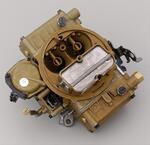
again thanks, i'm a old guy that has not done this engine stuff since I built and raced flat head ford v-8's. I just want nice hp increase over the stock L48. The guy that said just put in the cam...I knew better than that. need higher cr to work good. It has a 650 holley carb. also.