



C3 color chart for frame

Thread Starter
Instructor


Joined: Oct 2010
Posts: 211
Likes: 3
From: Moscow Mills Missouri
 C3 color chart for frame
Can you guys tell me where I can find an OEM color chart for painting the correct colors for my frame parts. Example, Disc brake covers, spindles, rear leaf spring, drive shafts, rear end etc. I looked at a Eastwood catalog and it has a picture of a corvette frame with their colors. I'd like to find a OEM chart for matching the colors if possible.
Thanks
Thanks

Melting Slicks


Joined: Apr 2001
Posts: 3,399
Likes: 279
From: Olmsted Falls, Ohio
Head over to the NCRS site. They will tell you everthing about anything Corvette.
I told a friend to do it for his 68 and he's thrilled by the quick responses to even minor questions. BTW I think he joined the NCRS and got a lot of documentation for a 68.
I told a friend to do it for his 68 and he's thrilled by the quick responses to even minor questions. BTW I think he joined the NCRS and got a lot of documentation for a 68.

Team Owner


Joined: Jan 2006
Posts: 37,637
Likes: 3,118
From: Crossville TN
Except for the frame itself, nearly everything attached to the frame is bare or plated metal. Do you want to keep it exactly the same as 'factory original', or do you want to paint everything a similar color as from the factory, but keep them protected from rusting?
You can find the info on the original color of stuff at the NCRS site, but they will have NO information about what paints/colors to use in order to "simulate" factory colors. They don't allow that sort of thing. {I guess they like rust and corrosion....}
You can find the info on the original color of stuff at the NCRS site, but they will have NO information about what paints/colors to use in order to "simulate" factory colors. They don't allow that sort of thing. {I guess they like rust and corrosion....}
Thread Starter
Instructor
Joined: Oct 2010
Posts: 211
Likes: 3
From: Moscow Mills Missouri
Except for the frame itself, nearly everything attached to the frame is bare or plated metal. Do you want to keep it exactly the same as 'factory original', or do you want to paint everything a similar color as from the factory, but keep them protected from rusting?
You can find the info on the original color of stuff at the NCRS site, but they will have NO information about what paints/colors to use in order to "simulate" factory colors. They don't allow that sort of thing. {I guess they like rust and corrosion....}
You can find the info on the original color of stuff at the NCRS site, but they will have NO information about what paints/colors to use in order to "simulate" factory colors. They don't allow that sort of thing. {I guess they like rust and corrosion....}
Thanks guys

Race Director

Joined: Jul 2001
Posts: 15,892
Likes: 42

The judging manuals simply describe what the original materials and finishes were. Imagine that! If you want to know how to rebuild an SBC or how to paint a car in BC/CC to look like lacquer, that's the wrong book.
The vast majority of members have 'daily driver' cars that may never be judged and have restored them according to their desires and budget, as they see fit. Questions like yours appear frequently on the NCRS board and get answered courteously as KenSny mentioned. There are all sorts of methods of redoing unplated/unfinished surfaces to look similar to factory stuff.

Team Owner
Joined: Jan 2006
Posts: 37,637
Likes: 3,118
From: Crossville TN
I think that's what I already told him, Mike. NCRS will tell him what the 'original' finishes were. Now, you've told him and I've told him. You think that's enough for now????
By the way, did I tell him incorrectly that NCRS would not advise of any kinds of paint that would replicate the 'appearance' of factory finish?
Didn't think so.....
By the way, did I tell him incorrectly that NCRS would not advise of any kinds of paint that would replicate the 'appearance' of factory finish?
Didn't think so.....
Race Director
Joined: Jul 2001
Posts: 15,892
Likes: 42
Team Owner

Joined: Sep 2006
Posts: 31,339
Likes: 4,459
From: Westminster Maryland
Hi qm,
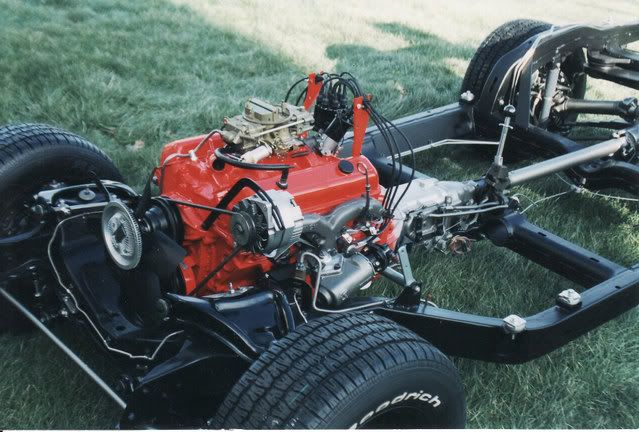
While many of the parts that make up the running gear are 'natural', a surprising number of parts were painted, too. The shock absorbers, front sway-bar, rear caliper mount, trailing arms, to name a few.
Also, there were some parts that were originally plated with various finishes. The front caliper mounts, and brake splash shields for example.
If you're interested in original finishes you should think about the fastener finishes too. Bolts, washers, nuts, etc. were 'natural', black oxide, phosphate and zinc depending on where they were used.
Cars are restored to different levels of original accuracy depending on the owner's desires.
It's one of those things that you can get as deeply into as you want.
Good Luck!
Regards,
Alan
While many of the parts that make up the running gear are 'natural', a surprising number of parts were painted, too. The shock absorbers, front sway-bar, rear caliper mount, trailing arms, to name a few.
Also, there were some parts that were originally plated with various finishes. The front caliper mounts, and brake splash shields for example.
If you're interested in original finishes you should think about the fastener finishes too. Bolts, washers, nuts, etc. were 'natural', black oxide, phosphate and zinc depending on where they were used.
Cars are restored to different levels of original accuracy depending on the owner's desires.
It's one of those things that you can get as deeply into as you want.
Good Luck!
Regards,
Alan
Corvette Stories
The Best of Corvette for Corvette Enthusiasts

Corvette & Porsche 911: How Two Icons Conquered the Last 25 Years
Joe Kucinski
2027 Chevrolet Silverado 1500 First Look: Everything You NEED to Know!
Michael S. Palmer
5 Best & 5 Worst Corvette Daily Drivers
Joe Kucinski
The Headlights of Every Corvette Generation Explained
Joe Kucinski
5 Best & 5 Most Overrated Corvette Track Packages of All Time!
Joe Kucinski
Every 2027 Corvette Engine Explained
Joe Kucinski
Designer Imagines A Corvette That Looks More Like a Corvette Than the Corvette
Verdad Gallardo
10 Ugly Corvettes That We Still Kinda Love
Joe Kucinski
Top 10 Most Expensive Corvettes Ever Sold on Bring A Trailer
Brett Foote
Thread Starter
Instructor
Joined: Oct 2010
Posts: 211
Likes: 3
From: Moscow Mills Missouri
I want to thank you guys for your input. I'm doing a ground up restoration on my 1970 LT1 Convertible and trying to get it correct as possible. I had the frame powder coated in chassis black and I'm starting to install parts on the frame.
I might have it judged when it's completed to improve the value.
I might have it judged when it's completed to improve the value.

Melting Slicks
Joined: Aug 2008
Posts: 2,200
Likes: 3
From: Lehigh county Pennsylvania
That's not the way A. O. Smith did it when they built the frames. But it won't matter if the judge is the little girl down the street with the lemonade stand.
Melting Slicks
Joined: Apr 2001
Posts: 3,399
Likes: 279
From: Olmsted Falls, Ohio
Come on guys, let's give credit where credit is due.
The NCRS guys have compiled a lot of info over the years.
And no, I don't follow the NCRS guidelines, I like to do it my way. But for those that want to know the way GM did it, they are the go-to guys.
My advice: Don't sit here on the forum and asked pure GM OEM restoration questions, you will probably get many different answers. Sometimes correct - sometimes not.
Lets be

The NCRS guys have compiled a lot of info over the years.
And no, I don't follow the NCRS guidelines, I like to do it my way. But for those that want to know the way GM did it, they are the go-to guys.
My advice: Don't sit here on the forum and asked pure GM OEM restoration questions, you will probably get many different answers. Sometimes correct - sometimes not.
Lets be

Race Director
Joined: Jul 2001
Posts: 15,892
Likes: 42
I want to thank you guys for your input. I'm doing a ground up restoration on my 1970 LT1 Convertible and trying to get it correct as possible. I had the frame powder coated in chassis black and I'm starting to install parts on the frame.
I might have it judged when it's completed to improve the value.
I might have it judged when it's completed to improve the value.
Umm not to be a jerk, but please don't be a 'one day wonder' by joining up just to get it judged- and then disappear. Members spend money out of their own pockets to become judges on YOUR car, not to mention their own time. It's not supposed to be a one way street.As others have said, powder coat on the frame is going in the wrong direction.

Team Owner

Joined: Jun 2000
Posts: 38,923
Likes: 1,482
From: Southbound
Cruise-In II Veteran
Team Owner
Joined: Sep 2006
Posts: 31,339
Likes: 4,459
From: Westminster Maryland
Hi qm,
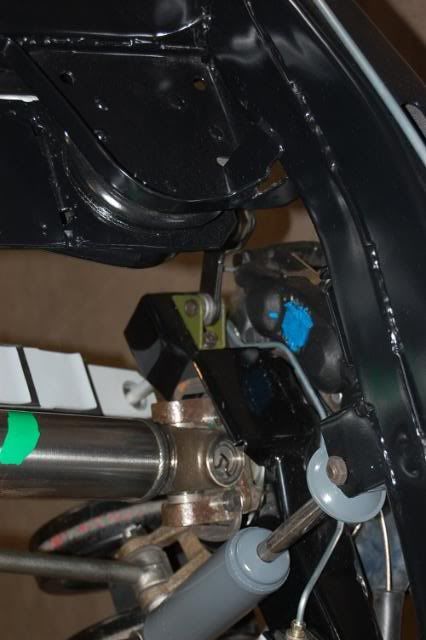
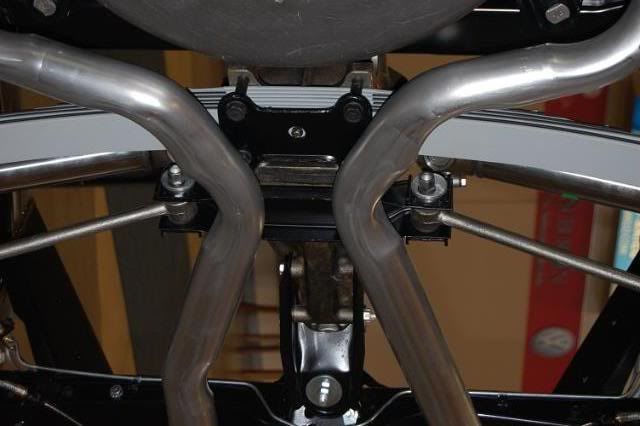
If you begin to attend some NCRS you may well run into some examples you can study to see if they apply to what you're doing with your LT-!.
These are from last Summers NCRS National Convention in Novi Michigan.
The chassis and running gear was displayed by Kevin McKay.
I think seeing original and restored cars in person offers MUCH more information than can be related in lists. (Although lists are good too!)
Regards
Alan

If you begin to attend some NCRS you may well run into some examples you can study to see if they apply to what you're doing with your LT-!.
These are from last Summers NCRS National Convention in Novi Michigan.
The chassis and running gear was displayed by Kevin McKay.
I think seeing original and restored cars in person offers MUCH more information than can be related in lists. (Although lists are good too!)
Regards
Alan
Last edited by Alan 71; May 10, 2012 at 01:50 PM.

Safety Car


Joined: Nov 2008
Posts: 3,729
Likes: 559
From: Seattle Washington
I want to thank you guys for your input. I'm doing a ground up restoration on my 1970 LT1 Convertible and trying to get it correct as possible. I had the frame powder coated in chassis black and I'm starting to install parts on the frame.
I might have it judged when it's completed to improve the value.
I might have it judged when it's completed to improve the value.
Team Owner
Joined: Jan 2006
Posts: 37,637
Likes: 3,118
From: Crossville TN
If you don't want to prepare the car exactly as NCRS requires (for it's scoring process), you may be sorely disappointed with the scores you receive..even though you do a marvelous job of restoring your car.
You need to get a copy of the judging manual, review it, then decide how to best proceed.
You need to get a copy of the judging manual, review it, then decide how to best proceed.

Team Owner
Joined: Jan 2006
Posts: 37,637
Likes: 3,118
From: Crossville TN
Not a problem. Everyone should do what they think best with their car. But, newbies..or folks just starting to think about how they want to restore their car, need to consider all the issues before setting a course for either 1) pure factory condition (NCRS); 2) simulated factory condition; or 3) "mod" as desired. All are good; but, some are more difficult, and some are expensive and nearly impossible.
Everyone who asks 'the question' deserves to know what they are in for.
Everyone who asks 'the question' deserves to know what they are in for.
Race Director
Joined: Jul 2001
Posts: 15,892
Likes: 42
Another thought about the 'have it judged to improve the value' topic. Putting aside the negative impression that it gives us NCRS guys, be aware that the additional costs of getting everything just right for judging, and keeping it that way rarely gives any positive payback at time of sale. Although there are some people that won't know the difference between a Third Flight Chapter award and Top Flight National, most knowledgeable buyers will. The costs of campaigning a car to a National event are considerable.
There's also the aspect of making the car undriveable for fear of getting a stone chip or corrosion following a rainstorm. Committing to a full blown restoration is not for the faint of heart.
There's also the aspect of making the car undriveable for fear of getting a stone chip or corrosion following a rainstorm. Committing to a full blown restoration is not for the faint of heart.