



CrossFire TBI problem

Thread Starter
Intermediate

Joined: Jan 2007
Posts: 47
Likes: 0
From: Birmingham AL

Honestly...I have the pressure gauge where I remove the steel line that joins BOTH throttle bodies and install my fuel gauge set-up there as it is shown in the FSM. I really do not think you have a fuel pressure problem.
I would be more concerned IF you were getting the fuel pump to turn back on when you crank the engine AFTER the initial TWO SECOND PRIME that occurs when you turn the key on. AND YES....making sure that you have 12 volts going to the pump is VERY IMPORTANT...obviously.
DUB
I would be more concerned IF you were getting the fuel pump to turn back on when you crank the engine AFTER the initial TWO SECOND PRIME that occurs when you turn the key on. AND YES....making sure that you have 12 volts going to the pump is VERY IMPORTANT...obviously.
DUB

Race Director


Joined: Apr 2009
Posts: 19,294
Likes: 2,753
From: Charlotte NC
WELCOME to MY WORLD on repairs and diagnostics.
Thread Starter
Intermediate
Joined: Jan 2007
Posts: 47
Likes: 0
From: Birmingham AL
Recent move and my factory shop manual is MIA! eBay replacement due in tomorrow.
Can you confirm which TB gets fuel first, pass or drvr?
Looking for TB kits, any brand recommendation?
Burning Brakes

Joined: Mar 2010
Posts: 938
Likes: 15
From: Valdosta Georgia
Fuel flows to the passenger side (or front) TB first, through an accumulator, then on to the driver's side (or rear) TB through the regulator then back to the the tank. As Dub says, the best place to measure fuel pressure is in the line between the TB's. I run an 86 Vette pump in mine, but I'm also running 90 lbs injectors and aftermarket heads, cam, and intake. If the 82 pump is delivering enough pressure and you are uncomfortable running a later model pump, then continue to use the 82 pump. Work with Dub to track down and solve the low voltage issue and I bet that will solve your problems. Also, while you have the injectors out, you may want to get them cleaned just to eliminate dirty injectors as a possibility.
As for rebuild kits, the ones Rock Auto has are excellent.
As for rebuild kits, the ones Rock Auto has are excellent.
Last edited by Drawmain; Jan 22, 2016 at 06:40 PM. Reason: added info

Safety Car

Joined: Oct 2015
Posts: 4,782
Likes: 223
From: Lebanon Pa
My 82 started to run rough, I changed out the fuel pump, fuel filter, injectors, spark plugs,wires, cap, rotor... Then I climbed under with a Dremel and cleaned all my ground wires... Runs great now.... Good luck...
Thread Starter
Intermediate
Joined: Jan 2007
Posts: 47
Likes: 0
From: Birmingham AL
Fuel flows to the passenger side (or front) TB first, through an accumulator, then on to the driver's side (or rear) TB through the regulator then back to the the tank. As Dub says, the best place to measure fuel pressure is in the line between the TB's. I run an 86 Vette pump in mine, but I'm also running 90 lbs injectors and aftermarket heads, cam, and intake. If the 82 pump is delivering enough pressure and you are uncomfortable running a later model pump, then continue to use the 82 pump. Work with Dub to track down and solve the low voltage issue and I bet that will solve your problems. Also, while you have the injectors out, you may want to get them cleaned just to eliminate dirty injectors as a possibility.
As for rebuild kits, the ones Rock Auto has are excellent.
As for rebuild kits, the ones Rock Auto has are excellent.
While it was off, turned the ignition on and as expected fuel gushed out of the throttle body AND zero primer spray from the passenger side. Which means I'm getting fuel to the driver side.
Put it all back together and back on the car and started it. From passenger side only, primer spray and conical spray running; zilch from the driver side.
So I know the problem is with either the pressure regulator and/or injector.
Anyone notice any obvious problems with the driver side pressure regulator? Should I rebuild both sides? Who does injector cleaning?
Thanks for the help!
Corvette Stories
The Best of Corvette for Corvette Enthusiasts

150 hp to 1,250 hp: Every Corvette Generation Compared by the Specs That Matter
Joe Kucinski
8 Coolest Corvette Pace Cars (and Replicas) of All Time
Verdad Gallardo
Top 10 Corvette Engines RANKED by Peak Torque (70+ Years of Muscle!)
Joe Kucinski
Corvette ZR1X Will Be Pacing the Indy 500, And Could Probably Race, Too!
Verdad Gallardo
Top 10 Corvettes Coming to Mecum Indy 2026!
Brett Foote
Top 10 C9 Corvette MUST-HAVES to Fix These C8 Generation Flaws!
Michael S. Palmer
10 Revolutionary 'Corvette Firsts' Most People Don't Know
Joe Kucinski
5 Reasons to Upgrade to an LS6-Powered Corvette; 5 Reasons to Stay LT2
Michael S. Palmer
2027 Corvette vs The World: Every C8 vs Its Closest Competitor
Joe Kucinski



Safety Car
Joined: Oct 2008
Posts: 4,022
Likes: 30
From: Los Angeles CA
More clues; pulled only the driver side pressure regulator off (the problem child, pic attached in a previous post).
While it was off, turned the ignition on and as expected fuel gushed out of the throttle body AND zero primer spray from the passenger side. Which means I'm getting fuel to the driver side.
Put it all back together and back on the car and started it. From passenger side only, primer spray and conical spray running; zilch from the driver side.
So I know the problem is with either the pressure regulator and/or injector.
Anyone notice any obvious problems with the driver side pressure regulator? Should I rebuild both sides? Who does injector cleaning?
Thanks for the help!
While it was off, turned the ignition on and as expected fuel gushed out of the throttle body AND zero primer spray from the passenger side. Which means I'm getting fuel to the driver side.
Put it all back together and back on the car and started it. From passenger side only, primer spray and conical spray running; zilch from the driver side.
So I know the problem is with either the pressure regulator and/or injector.
Anyone notice any obvious problems with the driver side pressure regulator? Should I rebuild both sides? Who does injector cleaning?
Thanks for the help!
Burning Brakes
Joined: Mar 2010
Posts: 938
Likes: 15
From: Valdosta Georgia
I don't see any obvious issues with the drivers side regulator. While you have it off, why don't you make it adjustable? Just punch the plate out of the bottom and it will be adjustable after that. Only if you want it adjustable, though.
Check to ensure you are getting voltage at the injector. If you are, I would assume a clogged or dead injector is your issue, along with your previously mentioned voltage issue at the pump.
Check to ensure you are getting voltage at the injector. If you are, I would assume a clogged or dead injector is your issue, along with your previously mentioned voltage issue at the pump.
Thread Starter
Intermediate
Joined: Jan 2007
Posts: 47
Likes: 0
From: Birmingham AL
I don't see any obvious issues with the drivers side regulator. While you have it off, why don't you make it adjustable? Just punch the plate out of the bottom and it will be adjustable after that. Only if you want it adjustable, though.
Check to ensure you are getting voltage at the injector. If you are, I would assume a clogged or dead injector is your issue, along with your previously mentioned voltage issue at the pump.
Check to ensure you are getting voltage at the injector. If you are, I would assume a clogged or dead injector is your issue, along with your previously mentioned voltage issue at the pump.
Inside the regulator is a screw mounted inside a conical housing that turns really easy; what's it for? Does it make any difference where it's at thread wise in with conical housing?
Not the sharpest tool in the shed ref electrical issues. Any words of wisdom on exactly how to test the injector?
Thanks in advance!
Burning Brakes
Joined: Sep 2013
Posts: 1,206
Likes: 365
From: The Motor City
Make sure that the small rubber hose that connects the stock-style (14 PSI) pump to the sender is fuel rated. After replacing the pump and sender last summer and almost had a problem with the sender (Wilcox replaced the defective sender). To my big surprise I noticed that the small fuel hose that came in the kit (O"Reilly's) had was quickly becoming a softened mass of black mush. At any time the fuel would have started leaking around the connecting joints under any pressure. My original pump/hose connections were not clamped from the factory -just friction-fitted for 33 years - and the replacement kit didn't include them. But, clamping would have only bought another week because of how fast the Chinese-made, fuel rated hose was dissolving in the fuel tank. I found US made fuel-rated replacement hose and have had zero issues. Bottom line, if that little hose is not tightly sealed, or porous from gas exposure, you will lose your fuel pressure.
Dave
Dave
Burning Brakes
Joined: Mar 2010
Posts: 938
Likes: 15
From: Valdosta Georgia
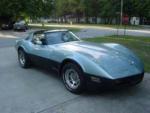
She is definitely a well preserved survivor and all original hence my reluctance to permanently modify unless absolutely necessary.
Inside the regulator is a screw mounted inside a conical housing that turns really easy; what's it for? Does it make any difference where it's at thread wise in with conical housing?
Not the sharpest tool in the shed ref electrical issues. Any words of wisdom on exactly how to test the injector?
Thanks in advance!
Inside the regulator is a screw mounted inside a conical housing that turns really easy; what's it for? Does it make any difference where it's at thread wise in with conical housing?
Not the sharpest tool in the shed ref electrical issues. Any words of wisdom on exactly how to test the injector?
Thanks in advance!
Thread Starter
Intermediate
Joined: Jan 2007
Posts: 47
Likes: 0
From: Birmingham AL
The screw sets the pressure. If you have turned it at all, you will have changed the pressure as it was set from the factory. If you haven't turned it far, the change won't be much, maybe a fraction of 1 psi. The screw adjusts the spring, which holds the diaphragm in place, hence regulating the fuel pressure. As for testing the injector, get a noid light from a parts store. It will install in the place of the injector and flash if it gets power.
Race Director
Joined: Apr 2009
Posts: 19,294
Likes: 2,753
From: Charlotte NC
A 'NOID' light will let you know you have power going to the injector...but will tell you nothing about the injector working IF given that power.
I would not waste my time on cleaning the injectors..I would put new ones in. Rule of thumb: 70K in miles...they are at the beginning if the end. And as written...these two injectors are unique and they go where they need to go. They may look the same...BUT they are NOT!
DUB
I would not waste my time on cleaning the injectors..I would put new ones in. Rule of thumb: 70K in miles...they are at the beginning if the end. And as written...these two injectors are unique and they go where they need to go. They may look the same...BUT they are NOT!
DUB